







Introduction:Jamaica Blue Mountain coffee is renowned for its scarce production and high quality, but the prevalence of counterfeit products on the market often makes it difficult to discern the genuine article. This article delves into an in-depth analysis of the origin certification, strict grading system, and the background of well-known estates of authentic Blue Mountain coffee. It also provides a detailed introduction to seven different brewing methods—including pour over, espresso, siphon, etc.—with specific parameters and flavor profiles for each method, helping coffee enthusiasts find their ideal brewing style.
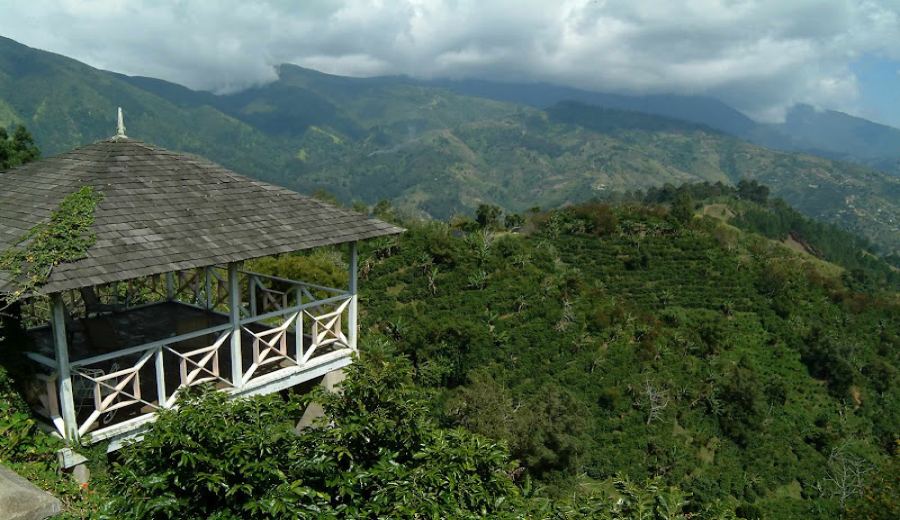
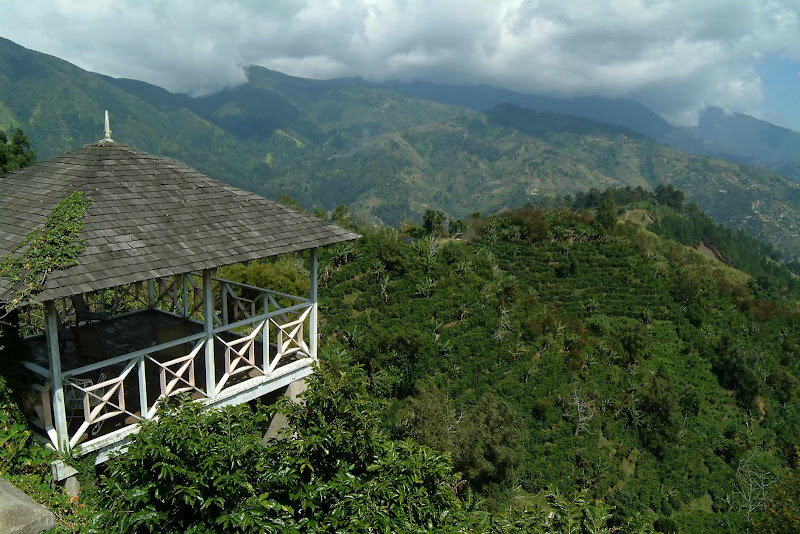
The reason why Blue Mountain coffee is so expensive lies in its extremely limited production area and high demand. Authentic Jamaica Blue Mountain coffee must be grown within the officially designated high-altitude range (3,000 to 5,500 feet) of the Blue Mountain region, and must be certified by the Jamaican government. The Blue Mountains are situated at altitudes exceeding 2,100 meters, boasting fertile volcanic soil, a cool and misty climate, and abundant rainfall—all of which contribute to its unique flavor. However, its annual production is only about 12,000 metric tons, with over 80% exported to Japan, making what’s available on the market extremely limited. Many supermarkets sell “Blue Mountain-flavored” coffee, which may contain very little or even no actual Blue Mountain beans—consumers should be careful when making purchases.
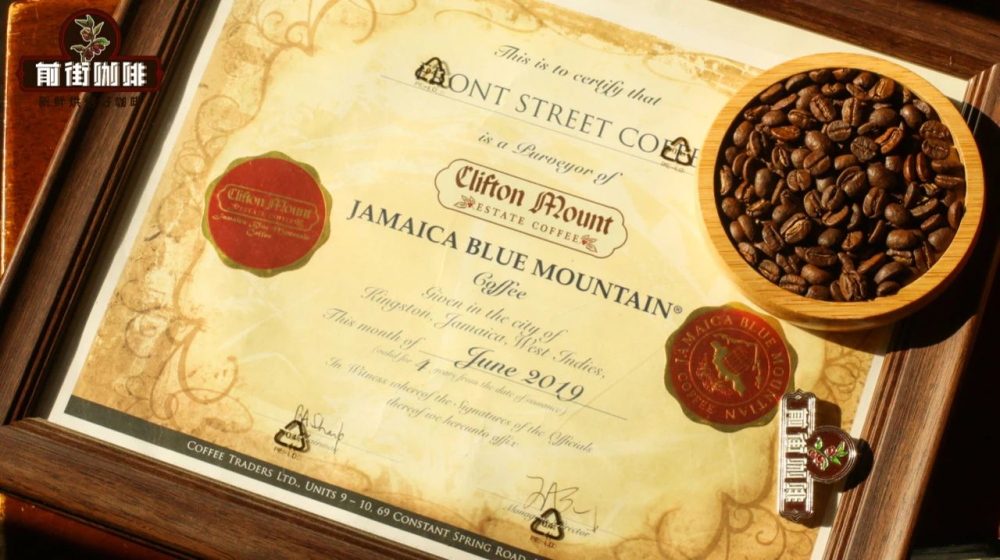
Blue Mountain coffee is divided into several grades based on quality:Grade 1 Blue Mountain (No. 1)This is the highest grade, requiring that over 96% of the beans are of 17/20 mesh size, with a defect rate below 2%. These beans are the largest and most expensive.Grade 2 (No. 2)andGrade 3 (No. 3)require that over 96% of the beans are of 16/17 mesh and 15/16 mesh respectively, with the same maximum 2% defect rate.Blue Mountain Peaberry (Peaberry)is a rare round-shaped single bean, which also must meet the standard with over 96% compliance.Blue Mountain Triage (Triage)is a blend of the above four categories, allowing up to 4% defective beans. Every batch of Blue Mountain coffee exported must be accompanied by an origin certificate and official trademark issued by the Jamaica Coffee Industry Board to ensure the authenticity of its origin and quality.
In addition to grading, the quality of Blue Mountain coffee is also closely related to the estate. Jamaican law stipulates that only certain large estates have the authority to process and export Blue Mountain coffee, and to use the officially registered trademark “Blue Mountain Coffee.” The processing techniques and quality control standards of these legally designated estates are generally higher than those of ordinary processing plants, greatly influencing the final flavor. Therefore, when purchasing, in addition to confirming the grade, you can also pay attention to whether it comes from a well-known legally designated estate.
As for whether Blue Mountain is the “best coffee in the world,” opinions vary. Blue Mountain coffee is known for its smooth and mild taste, elegant aroma, transitioning from mild bitterness to sweetness upon entry, with a long finish that carries notes of chocolate and caramel. However, some consumers prefer coffee with a stronger profile or more pronounced acidity, and may not resonate with the flavor of Blue Mountain. The key is to find the choice that best suits your own palate.
Next, we will introduce seven common and practical brewing methods for Jamaica Blue Mountain No. 1 coffee beans, each with detailed parameters and flavor characteristics to allow readers to experiment and adjust according to personal taste preferences.
1. Espresso & Latte
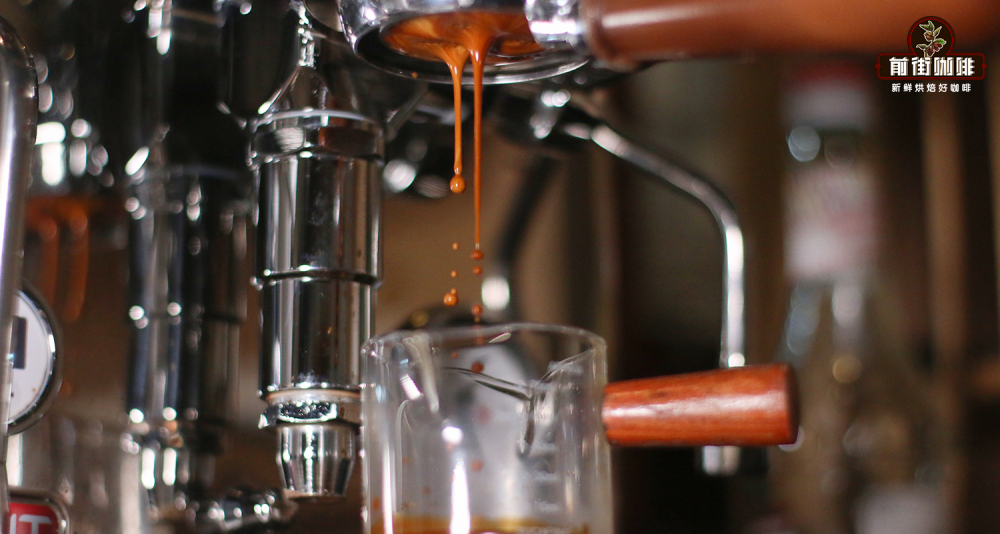
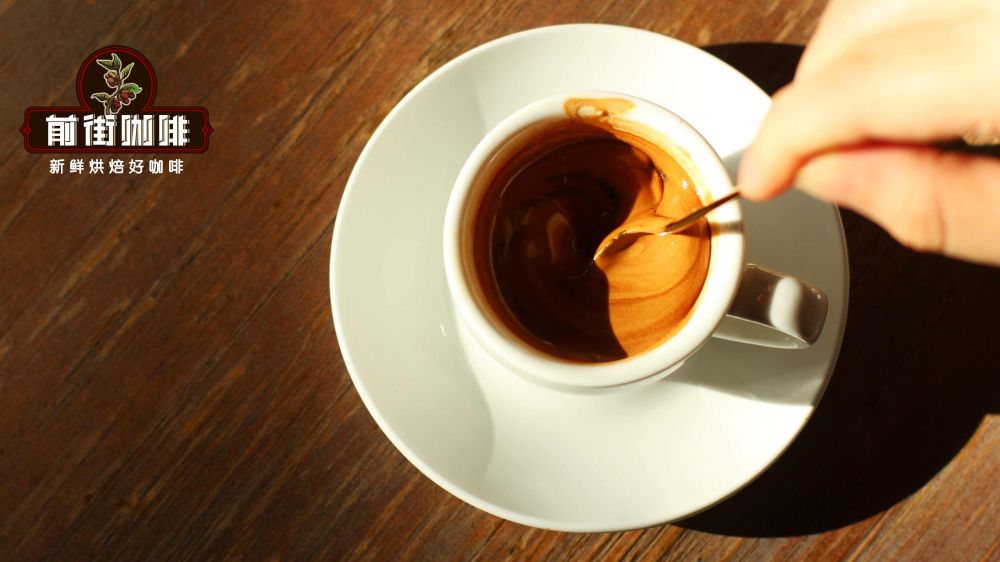
Blue Mountain coffee beans are also suitable for making espresso. It is recommended to use a calibrated tamper, evenly distributing 20.5 grams of finely ground coffee (close to the fineness of table salt) and tamping to approximately 25 kg/m² pressure. Extract 40 grams of liquid, taking around 26 seconds. The resulting espresso has medium crema, a golden color, and a distinct caramel aroma. On the palate, it starts with a gentle fruit acidity, then transitions to sweet caramel and chocolate notes in the aftertaste. If hot water is added to make an Americano, the sweetness increases while the fruit acidity decreases, highlighting a more prominent dark chocolate flavor. When paired with fresh milk to make a Blue Mountain latte, it is recommended to steam the milk at 60°C. With fine and well-integrated milk foam, the flavor becomes richly layered, featuring hazelnut sweetness and a creamy chocolate tone, without masking the inherent sweetness of the milk.
2. Pour Over Coffee
There are various ways to brew pour over, each yielding different flavor profiles. When using a Kalita Wave, cake filter, or Kono dripper, the design of the dripper extends extraction time and increases concentration, making it suitable for those who enjoy a fuller-bodied cup. It is recommended to use 15 grams of medium-coarse grind (like coarse sugar, 70% passing through a #20 sieve), water temperature at 88°C, and a water-to-coffee ratio of 1:15. The technique involves first blooming with 30 grams of water for 30 seconds, then pouring in two stages to reach a total of 225 grams, with a total extraction time of about 2 minutes and 15 seconds. This method yields a rich and full-bodied cup with distinct layers. If using a V60 dripper, opt for a medium grind (similar to white sugar, 75% passing through a #20 sieve), keeping the same water temperature and ratio. Its wide opening and spiral ridges allow for quick extraction of bright fruit acidity and aroma, resulting in a crisper taste, with noticeable cane sugar sweetness and a nutty and dark chocolate aftertaste.
3. Siphon Coffee
Siphon brewing emphasizes water temperature control and the timing of coffee grounds addition. For a two-cup brew, add water to just 5 mm above the 2-cup mark on the lower chamber, preheat and dry the outer wall to prevent bumping. Use 25 grams of medium-coarse coffee beans (65% passing through a #20 sieve), with a water-to-coffee ratio of about 1:12. Employ the “post-addition” method: once the water has fully risen to the upper chamber and the temperature has slightly dropped to 90–93°C, add the coffee grounds. Stir, then bloom for 30 seconds, followed by two more stirs, then remove the heat source to let the coffee liquid draw back down. The total time is about 2 minutes and 15 seconds. This method produces a rich and thick cup with prominent caramel and honey flavors, steady fruit acidity, and a sweet and lingering aftertaste.
4. AeroPress
The AeroPress combines immersion and pressure extraction principles. It is easy to operate yet capable of producing diverse flavors. It is recommended to use 15 grams of medium-fine grind (80% passing through a #20 sieve), water temperature at 85°C, and a water-to-coffee ratio of about 1:13. Preheat the device, add 35 grams of water for a 30-second bloom, then pour in 200 grams of water. At 1 minute and 45 seconds, stir gently, then at 1 minute and 50 seconds, press down vertically and evenly. Total time is about 2 minutes and 17 seconds. This method results in a clean and smooth cup with light fruit acidity, milk chocolate notes, and a mildly sweet aftertaste. The flavor layers are delicate, reminiscent of tea.
5. French Press
The French press is simple to use and suitable for everyday brewing. It is recommended to use 20 grams of medium-coarse grind (70% passing through a #20 sieve), with a water-to-coffee ratio of 1:14, water temperature at 88°C. Add 280 grams of hot water, steep for 2 minutes and 30 seconds, then slowly press the filter. This method extracts evenly, fully showcasing the richness and caramel sweetness of Blue Mountain coffee, while retaining moderate dark chocolate and fruit acidity. The mouthfeel is smooth with a good oily texture.
6. Cold Drip Coffee
Cold drip is suitable for coffee lovers who enjoy low-temperature slow extraction. Use 60 grams of medium-coarse coffee beans (75% passing through a #20 sieve), with a coffee-to-water ratio of 1:10 to 1:12, combined with 0–2°C ice water, dripping at a rate of 7 drops per 10 seconds for about 600 milliliters. After dripping, it is recommended to refrigerate and ferment for 3–4 nights to enhance the roundness and fullness of the flavors. In terms of flavor, cold drip Blue Mountain coffee has a pronounced sweetness, with notes of caramel, dark chocolate, and brown sugar. Adding ice cubes makes the mouthfeel even more refreshing, accompanied by soft fruit acidity and subtle fermentation aromas.
7. Japanese-style Iced Pour Over
Japanese-style iced pour over uses ice to assist in cooling, making it suitable for summer or those who prefer cold drinks. Use 20 grams of medium-coarse grind (75% passing through a #20 sieve), water temperature at 89°C, with 100 grams of ice pre-placed in the lower vessel. First, bloom with 40 grams of water for 30 seconds to promote degassing, then pour in small streams of water up to 160 grams, finishing with a gentle shake to mix. This method produces a coffee with bright acidity, a silky smooth mouthfeel, and an aftertaste featuring melon, nuts, and roasted peanuts. While the layers may not be as rich as hot brews, it performs excellently as a cold drink.
In summary, there are many ways to brew Jamaica Blue Mountain coffee. Whether you prefer espresso, pour over, or cold brew, its uniquely elegant flavor characteristics can shine through. We hope the parameters and techniques provided in this article will help you explore the Blue Mountain coffee experience that suits you best.
The above content is compiled by CoffeeHunters, a coffee news website.


