








Introduction:Both latte and cappuccino are popular milk-based coffees, but many people still have only a vague understanding of the two. This article delves into their differences in definition, volume, milk foam thickness, and the ratio of coffee to milk, while also offering practical suggestions on coffee bean selection to help you choose the most suitable blend based on your taste preferences—whether you’re aiming for latte art or a rich, intense flavor.
Latte and cappuccino both belong to the family of Italian-style milk coffees, but they are often confusing to coffee beginners due to slight differences in appearance, taste, and preparation. This article will break down their core distinctions from multiple angles—including definition, cup size, milk foam texture, and, most crucially, the coffee-to-milk ratio—and further explore how to choose the right coffee beans when making these two drinks, giving you clearer direction from bean selection to brewing.
First, the English name for latte is Coffee Latte, which is a type of specialty coffee. Its basic composition is one shot of espresso mixed with a large amount of hot milk. Due to the high proportion of milk, the overall flavor is softer and smoother, with an excellent balance between coffee aroma and milk fragrance, making it suitable for those who prefer a mellow taste. The name cappuccino comes from the Italian word for "hood," reportedly because its thick layer of foam resembles the hood of a monk’s robe. This drink places more emphasis on showcasing the inherent flavor of the coffee.
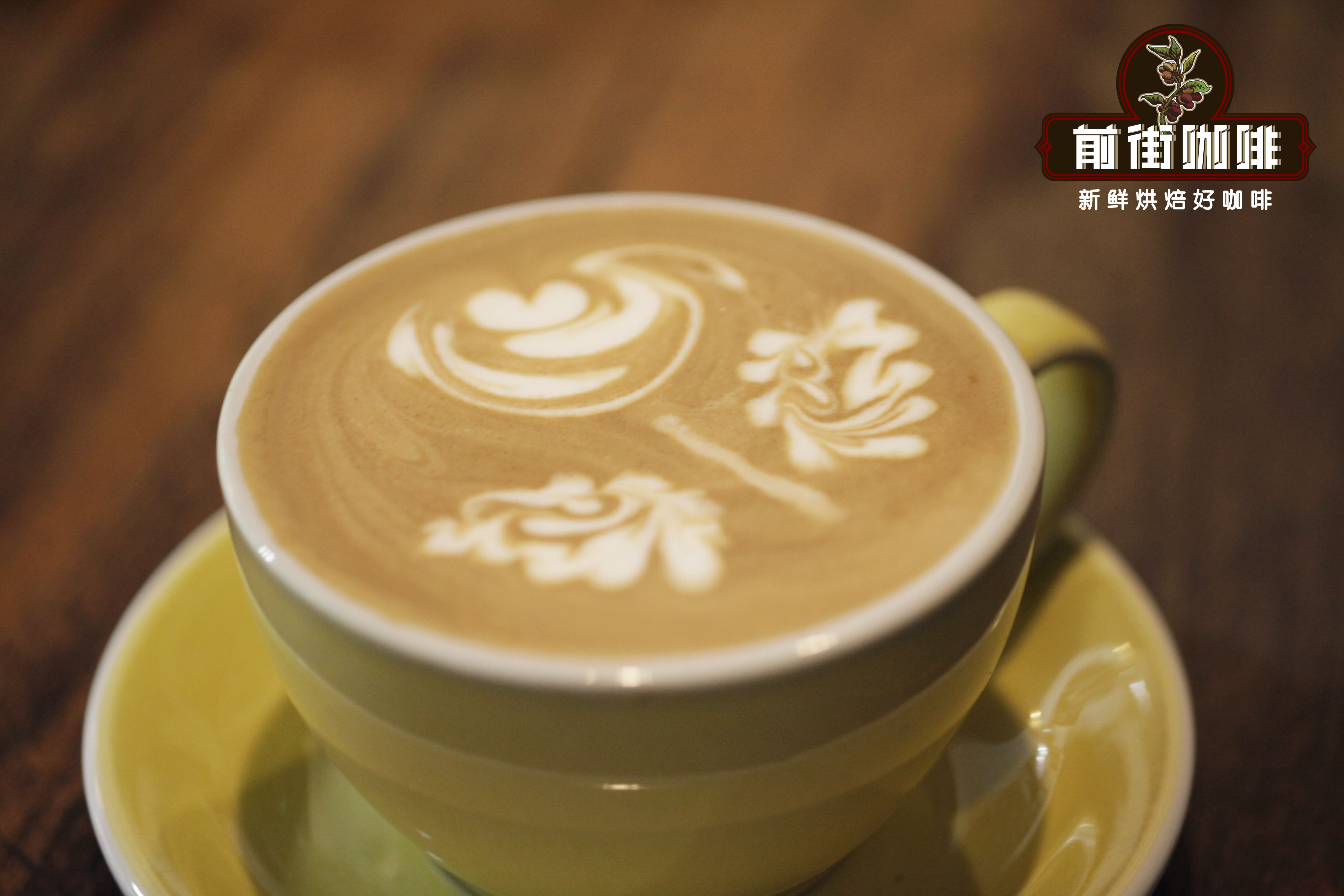
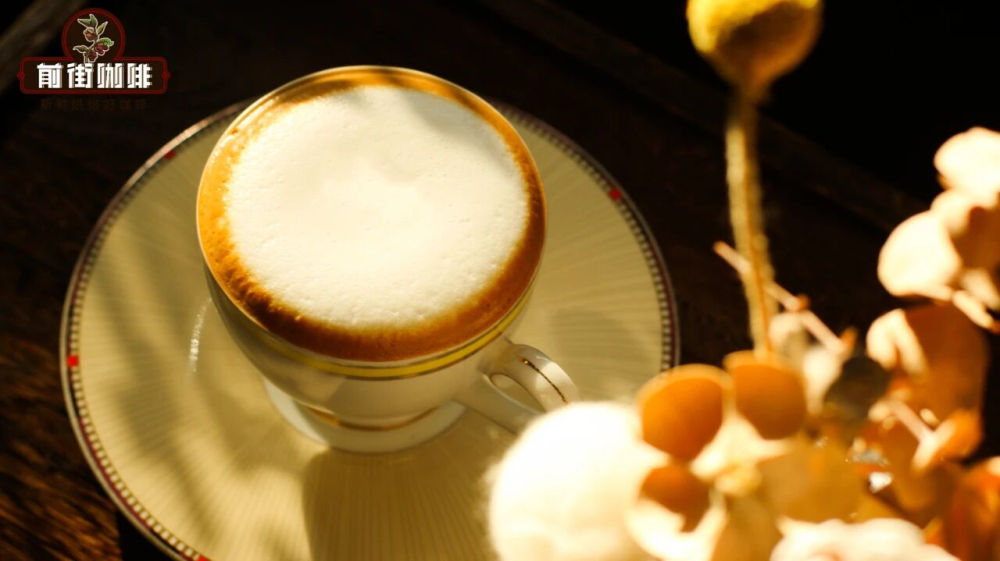
From an actual drinking experience, lattes are typically served in cups of around 300 milliliters, with relatively thin and fine milk foam. This characteristic makes them very suitable for latte art, with common patterns including hearts, leaves, or geometric designs. In terms of the coffee-to-milk ratio, lattes usually fall between 1:5 and 1:6, resulting in a smooth and layered overall taste. In contrast, cappuccinos are generally served in cups of about 250 milliliters, with thicker, fluffier foam that can even take on a mushroom-like three-dimensional appearance, and are usually not used for latte art. Their coffee-to-milk ratio is approximately 1:4, so the coffee flavor is more pronounced, making it suitable for those who prefer a stronger taste.
Since both latte and cappuccino primarily use milk as the main flavoring, choosing the right coffee beans is crucial. For this type of milk coffee, it is recommended to prioritize blends specifically designed for espresso machines. These blends are usually carefully crafted to release rich aromas and crema under high-temperature extraction, which can present more layers when paired with milk.
Among them, a certain classic blend and a certain commercial blend are popular choices for making lattes. Both of these blends use medium to dark roasts and incorporate a small amount of Robusta beans, resulting in a brewed coffee that exhibits a complex aroma of butter, nuts, spices, and dark chocolate, with rich crema, a strong flavor, and distinctive character. If the barista’s technique is on point, the patterns poured can complement this intense flavor, making the entire latte more visually and tastefully appealing.
If you prefer a milder, more layered nutty aroma—such as almond, almond-like, or walnut—then a certain premium blend and a certain dark cocoa-based blend would be more suitable. Both of these blends contain a higher proportion of Brazilian coffee beans, bringing a natural balance of bitterness and sweetness along with a smooth taste. The premium blend combines the common nutty, chocolatey, and caramel notes of Colombian beans, along with moderate acidity that adds vibrancy to the flavor. The dark cocoa-based blend, on the other hand, incorporates the ripe plum acidity of small-bean coffee from Yunnan, emitting an aroma reminiscent of cream chocolate when ground, with an overall balanced performance—suitable not only for lattes but also for various other espresso-based beverages.
Additionally, for those who are tired of traditional dark roast flavors and are looking for sweeter, less bitter options, a certain strawberry sugar espresso blend is a surprisingly good choice. This blend consists of three single-origin coffee beans from different regions, not only featuring distinct rose floral notes, but also bringing out multiple flavors such as grape, dried blueberry, sweet orange, and fruit candy when used for making Americano or latte. It has a prominent sweetness and rich layers, making it highly suitable for drinkers who enjoy fruity tones and soft sweetness.
In summary, although both latte and cappuccino are milk-based coffees, they each have unique characteristics in terms of volume, milk foam texture, and ratio configuration. Understanding these differences can help you make more satisfying choices when ordering at a coffee shop and guide your bean selection and ratio adjustments when brewing at home. Whether you want a latte suitable for latte art or a cappuccino with a strong flavor and thick foam, choosing the right coffee beans and mastering the basic parameters will allow you to easily enjoy the charm of Italian coffee.
The above content is compiled by CoffeeHunters, a coffee news website.


