







Introduction:Want to explore the unique charm of Honduran coffee? This article delves into the geography, climate, and growing environment of Honduras' main coffee regions, details the characteristics of popular local varieties such as Bourbon, Caturra, and Pacas, and explores the features of sherry barrel and brandy barrel fermentation processes. It also provides practical roast curve designs and pour over brewing recommendations, taking you on a comprehensive journey from origin to cup to understand the refined flavors of this Central American coffee powerhouse.
As an important coffee-producing country in Central America, Honduras, with its mountainous terrain and diverse microclimates, produces high-quality coffee with a wide range of flavors. Especially the specialty-grade coffee grown at high altitudes not only boasts rich fruity notes and a full body but also offers unique fermented aromas. For example, the increasingly popular sherry barrel and brandy barrel processing methods have helped Honduran coffee secure a place in the international market.
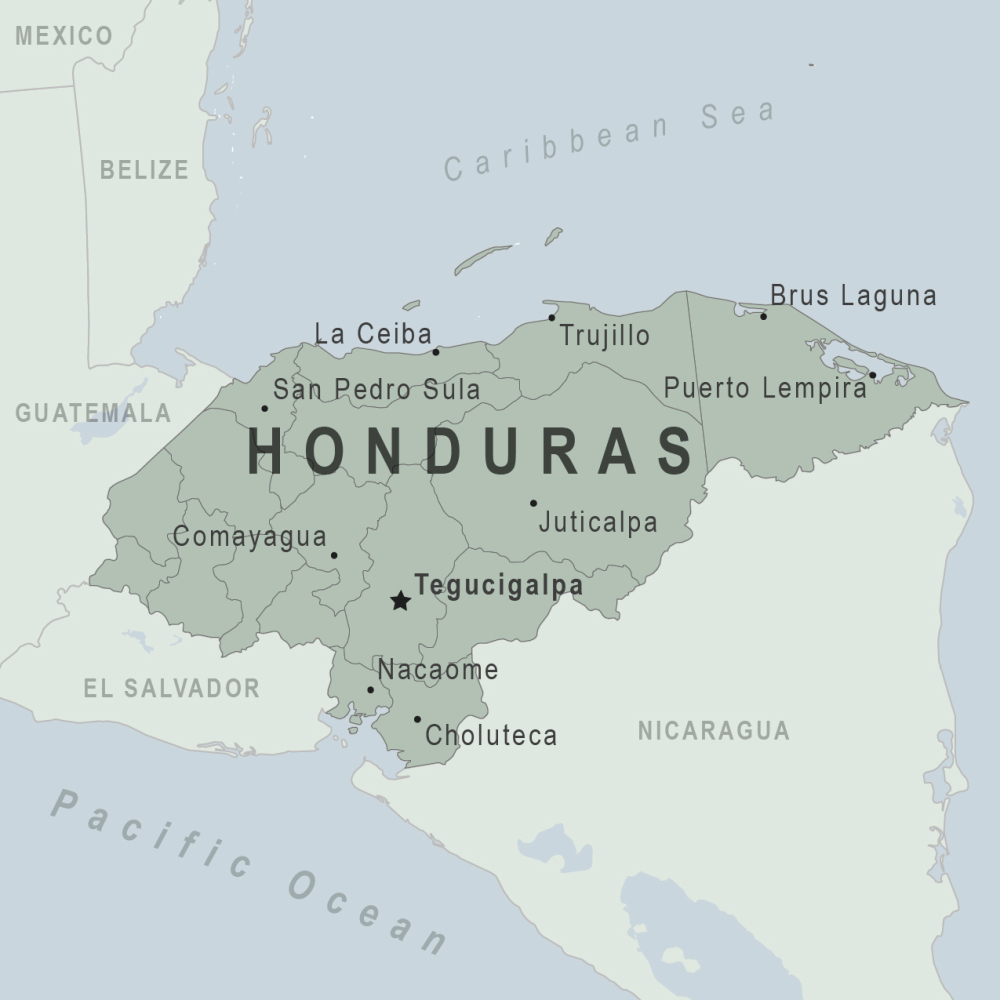
First, let’s get to know the geographical and climatic background of Honduras. Honduras is located in northern Central America, bordering the Caribbean Sea to the north, the Gulf of Fonseca of the Pacific Ocean to the south, and neighboring Nicaragua, El Salvador, and Guatemala. The country is mostly mountainous and plateau, with a relatively high average elevation, making it particularly suitable for growing high-altitude coffee. Its undulating mountains form numerous valleys and basins, such as the Sula and Lempira basins, as well as the Comayagua and Jamastran valleys. These areas, with their significant day-night temperature variations, help coffee cherries accumulate flavor compounds.
The climate in Honduras can be divided into two main types: tropical and subtropical. Coastal areas have a tropical rainforest climate with higher temperatures, while the central and southern mountainous regions have a subtropical forest climate, with an average annual temperature of about 23°C. The rainy season lasts from June to November, providing ample rainfall and suitable temperatures for coffee tree growth. Areas at elevations of 1,000 to 1,500 meters mainly produce "highland coffee," while "premium highland coffee" grown at 1,500 to over 2,000 meters is considered the country’s highest grade, generally featuring more complex flavor profiles.
 Coffee cultivation in Honduras is mostly carried out on small-scale farms. The country’s coffee farms cover an area of 280,000 hectares, with over 60% of production coming from smallholders farming less than 3.5 hectares. Since most farms are located on slopes, harvesting is entirely manual, requiring careful selection of ripe cherries to ensure bean quality. As a result, Honduran coffee places greater emphasis on processing and selection, leading to its consistently high-quality output. Honduras is now among the world’s top ten coffee-exporting countries, with the United States and Germany as its main markets.
Honduran coffee beans are large, uniformly sized, glossy hard beans. To facilitate harvesting, tree height is generally kept below 150 cm, so branches can be picked without ladders, which also helps reduce damage. However, due to uneven ripening times of the coffee cherries, multiple manual harvests are still required to ensure only fully ripe coffee cherries are picked. Additionally, the hard bean characteristic makes it suitable for medium to dark roasts. Roasters are advised to design appropriate roast curves based on factors such as green bean moisture content and density to fully bring out its body and sweetness.
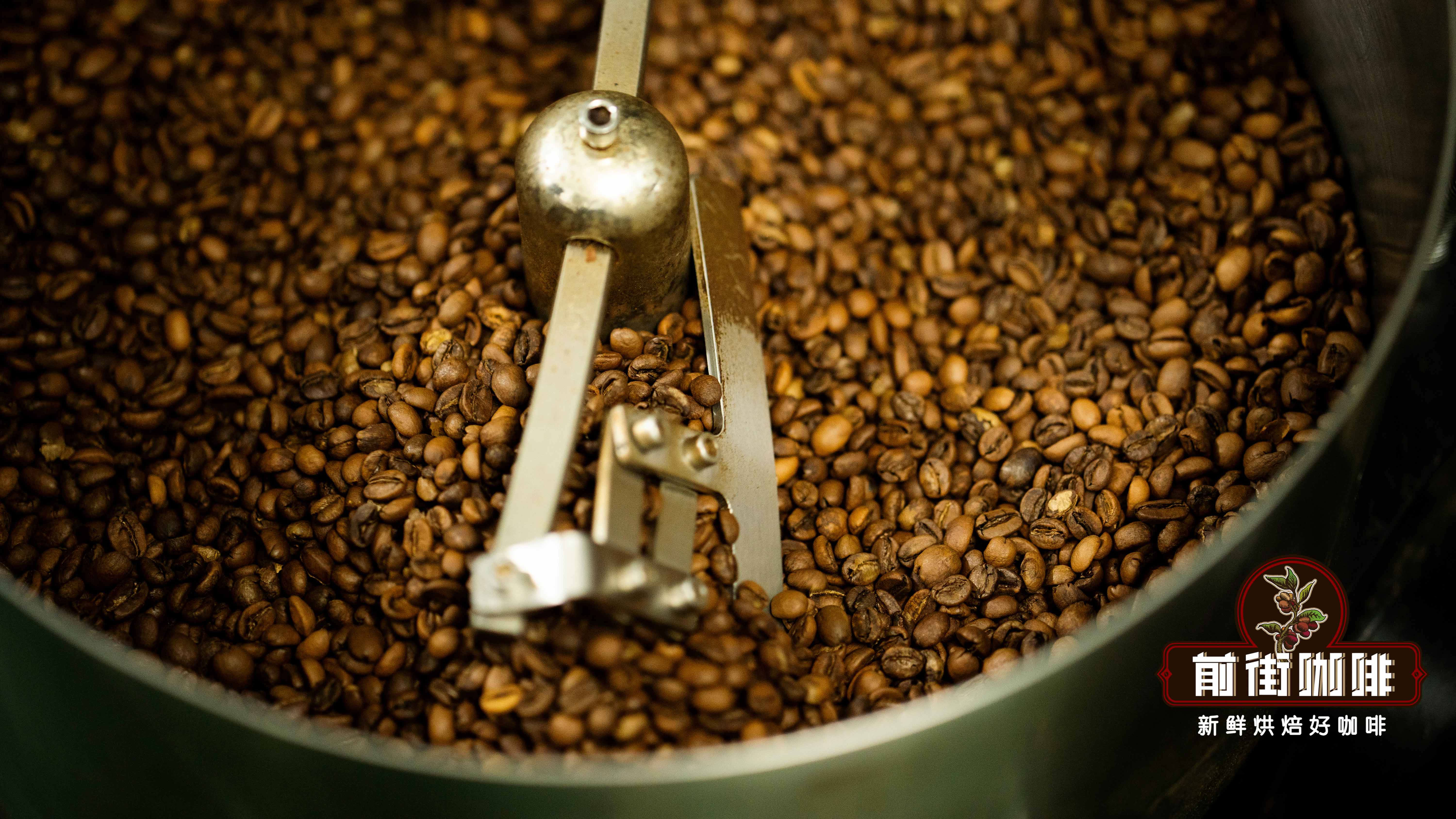
In roast design, it is recommended to first record basic parameters of the green beans, such as moisture content, density, origin, processing method, as well as the room temperature and humidity on the roasting day, to adjust the roasting strategy. Taking the Yangjia 800N roaster as an example, load 550g of green beans, set the initial drum temperature to 200°C, and the air damper to 3. One minute after dropping the beans, reduce the heat to 170°C, keeping the air damper unchanged. At 5 minutes and 45 seconds, when the bean surface turns yellow and grassy notes fade, adjust the heat to 140°C and the air damper to 4. Around the 9th minute, when the bean surface begins to show wrinkles and black spots and coffee aroma starts to emerge, wait until first crack begins (around 8 minutes and 23 seconds), then reduce the heat to 80°C and fully open the air damper. Finally, drop the beans at 202°C. Under this curve, the coffee exhibits a distinct caramel sweetness and full body, suitable for drinkers who prefer a bold mouthfeel.
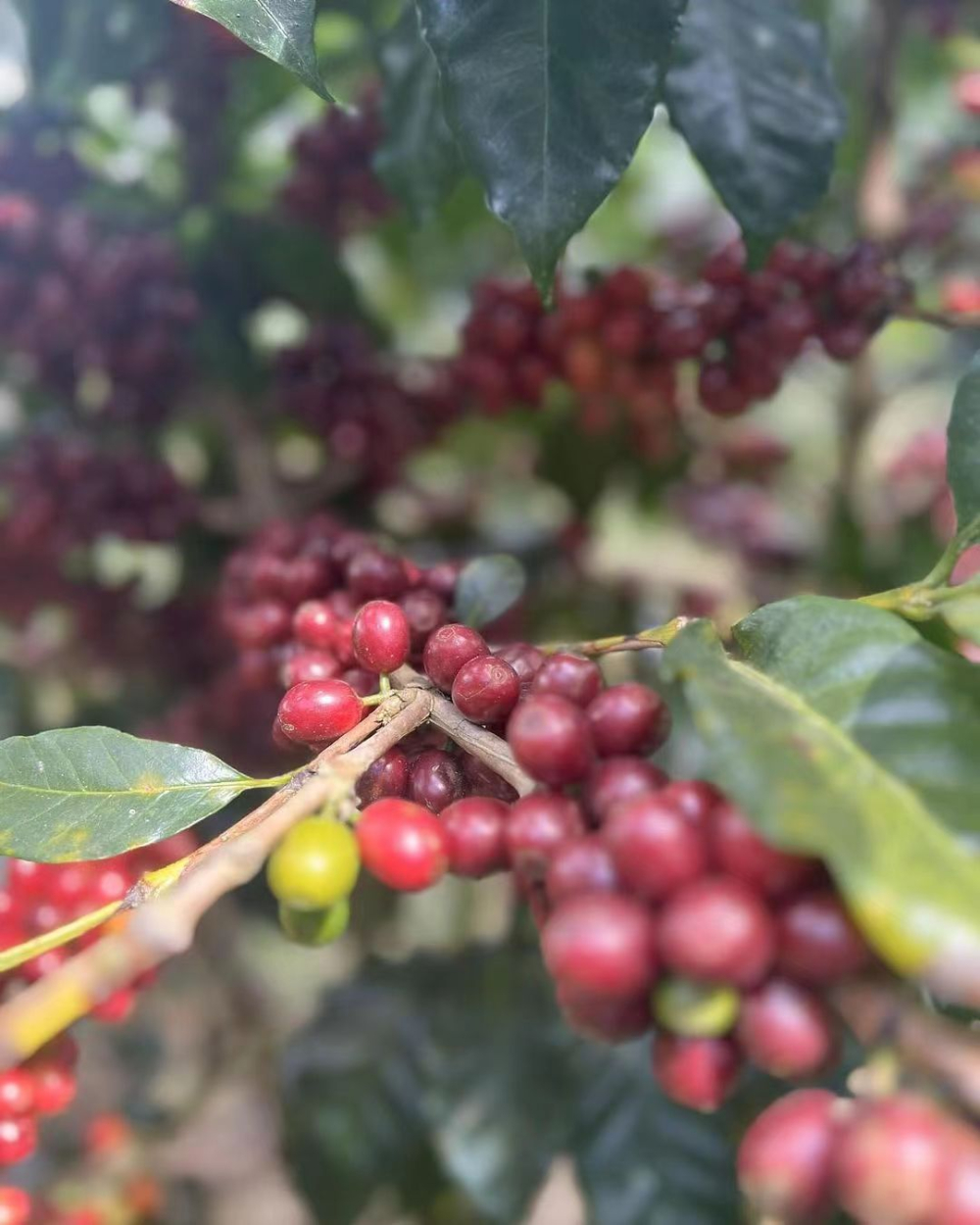 When it comes to Honduran coffee, many people first think of "sherry coffee" with its wine-like aroma and creamy texture. This type of coffee is mainly produced at the Mocha Estate in the southern region of Masaguara, where varieties such as Caturra, Catuai, and Pacas are interplanted, and whiskey barrels are used for fermentation. This process involves placing washed coffee beans into sherry barrels previously used to age whiskey, fermenting them at a low temperature of about 15–20°C for 30 to 40 days, followed by shade drying. The wooden aroma and residual wine flavors from the barrels impart complex layers of whiskey, berries, almonds, and dark chocolate to the coffee, with a maple syrup-like sweetness often lingering in the aftertaste.
Besides the sherry barrel process, Honduras also has a highly regarded "Lichee Orchid" coffee bean, also from the Mocha Estate, grown at 1,500–1,700 meters altitude with the Caturra and Catuai varieties. This coffee uses a refined washed process combined with brandy barrel fermentation, also for 30 to 40 days at a controlled temperature of 15–20°C. The brandy barrel brings a softer aroma, with flavors of cream, honey, nuts, and a hint of wine, making it suitable for consumers who prefer a mellow mouthfeel.
For roasting the Lichee Orchid coffee beans, it is recommended to try two different curves to explore the best expression. The first curve has a charge temperature of 220°C, yellowing point at 6’30” and 151.6°C, first crack at 9’53” and 183°C, with a post-first crack development of 1’40” and dropping at 196°C. The second curve has the same charge temperature, but the yellowing point is at 5’50” and 152.6°C, first crack at 9’15” and 183°C, with the post-first crack development extended to 2’10” and dropping at 195°C. Cupping results show that,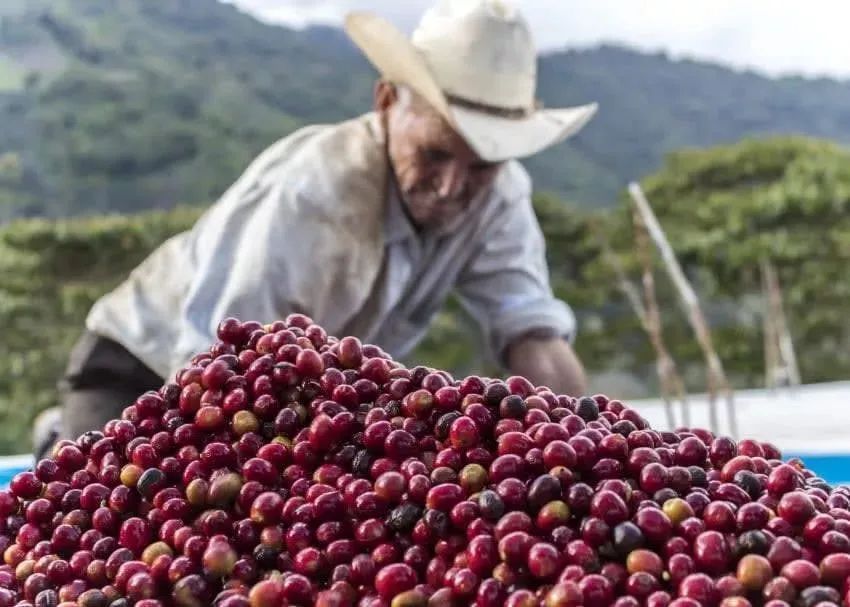 the second curve has a more pronounced wine aroma and sweetness, with a full body and long-lasting aftertaste, while the first curve highlights more berry acidity but has a slight astringency and green notes. Overall, the extended development time of the second curve better showcases the potential of this bean.
For brewing suggestions, you can use a Hario V60 filter, set the water temperature to 90°C, use a 1:15 coffee-to-water ratio, and grind to a size where about 80% of the grounds pass through a Chinese standard No. 20 sieve. Use a pulsed pouring method: start with a 30-second bloom using 30g of water, then pour in a small circular motion until reaching 125g, pause for a slight drop, then continue pouring to 225g before removing the filter. Total brew time is about 2 minutes. With stable water temperature and even pouring, the creamy aroma and honey sweetness of the Lichee Orchid can be fully highlighted.
In summary, Honduran coffee offers a rich variety of flavors thanks to its diverse regions, varieties, and processing methods. Whether you prefer the intense wine aroma of sherry coffee or the gentle sweetness of Lichee Orchid, mastering the right roasting and brewing techniques will allow you to experience the coffee charm of this Central American country in your cup. If you’re looking for a specialty coffee bean with unique and layered flavors, why not start your exploration with Honduras?

The above content is compiled by CoffeeHunters, a coffee news website.


