







Introduction:Jamaican Blue Mountain coffee is hailed as one of the world’s top-tier coffees, but what distinguishes Blue Mountain, High Mountain, and Prime from each other? How can you identify authentic beans? What are the grading standards? This article delves into Jamaica’s official classification system, introduces the unique flavor profile and traditional processing methods of Blue Mountain No. 1, and provides expert pour over recommendations and parameters to help you master the essence from bean selection to brewing.
Blue Mountain coffee has long been regarded as the pinnacle of the coffee world, with a single cup once costing hundreds of yuan, putting it out of reach for most consumers. However, today at some specialty coffee shops, you can enjoy a cup of authentic Jamaican Blue Mountain coffee for around 60 yuan, while a 100g bag of beans is available for just 158 yuan. But how is Blue Mountain coffee graded? What are the differences between Blue Mountain, High Mountain, and Prime? How can you tell if it’s genuine? And how should you brew it to bring out its best flavors? The following will provide a detailed breakdown of Jamaica’s coffee classifications and key brewing tips for Blue Mountain No. 1.
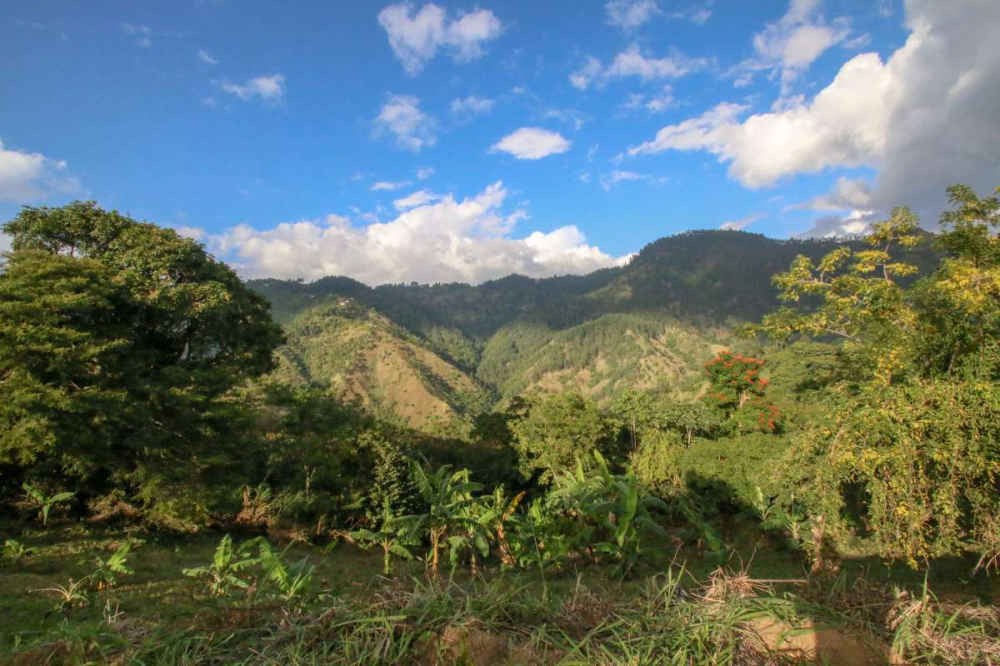
Blue Mountain coffee is grown in the Blue Mountains of eastern Jamaica in the Caribbean. This region, far from the hustle and bustle, enjoys a cool climate, frequent cloud cover, fertile volcanic soil, and abundant rainfall—creating an ideal environment for coffee cultivation. Local farmers often intercrop coffee with bananas, avocados, and other crops to provide adequate shade, which supports healthy coffee tree growth. Especially in the high-altitude zone ranging from 910 to 1700 meters, which is the main cultivation area for Blue Mountain coffee, it is spread across four major regions: Saint Andrew, Saint Mary, Saint Thomas, and Portland. It is worth noting that areas above 1700 meters are protected forests where coffee cultivation is prohibited.
To ensure coffee quality, the Jamaican government established the Coffee Industry Board (CIB) in 1952 and designated approximately 6,000 hectares of the Blue Mountains as the core production area the following year. Only coffee produced within this zone can be labeled as “Jamaican Blue Mountain Coffee,” while coffee from other areas is classified as either “High Mountain Coffee” or “Prime Coffee.” Due to the limited production area and strict regulations, Blue Mountain coffee commands a significantly higher price than the other two categories. Particularly in the 1960s, when Jamaica was hit by hurricanes that damaged the coffee industry, assistance from Japan’s UCC company helped introduce eco-friendly cultivation techniques and secure a 30-year priority purchase agreement, resulting in most Blue Mountain coffee being exported to Japan at the time. This further enhanced its rarity and value.
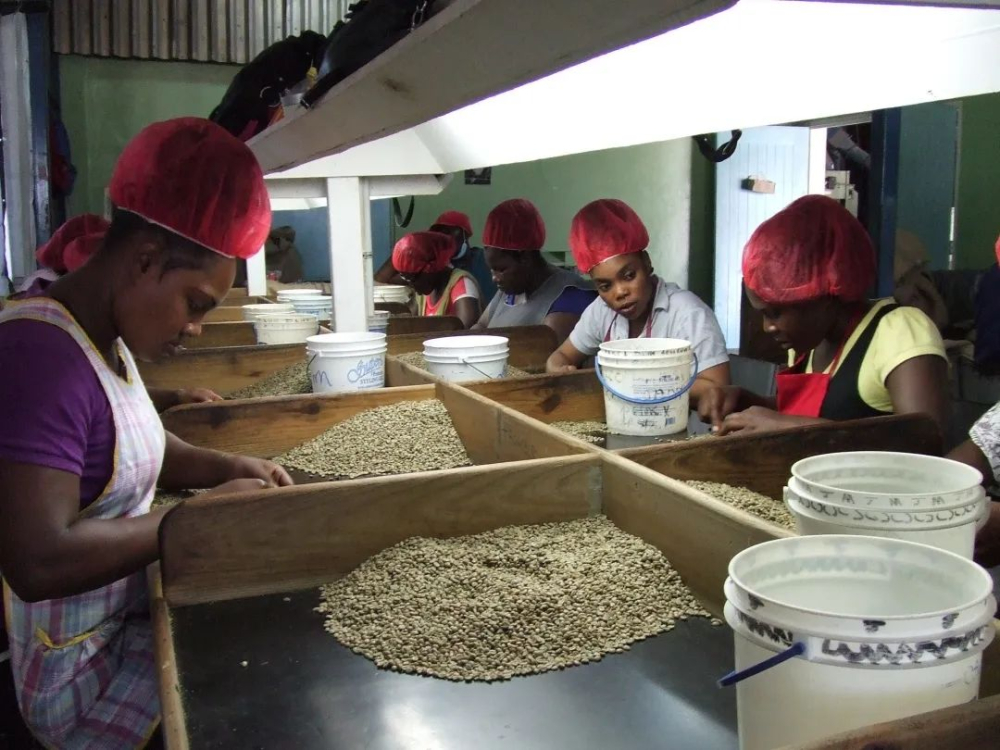
The Jamaican Coffee Industry Board (CIB) is one of the few official bodies in the world that scientifically evaluates coffee quality. Its grading criteria include green bean size, color uniformity, defect rate, moisture content, and cupping flavor performance. Before export, all Blue Mountain coffee beans undergo rigorous screening and are divided into four grades based on bean size and defect ratio: Blue Mountain No. 1, Blue Mountain No. 2, Blue Mountain No. 3, and Blue Mountain Peaberry. Among these, Blue Mountain No. 1 is the highest grade, requiring green beans to be 17 mesh or larger, with a defect rate below 3%, a moisture content of around 13%, and cupping notes characterized by low acidity, full body, balance, and a long-lasting aftertaste.
To maintain green bean quality, Jamaican Blue Mountain coffee is transported exclusively in traditional handmade wooden barrels. These barrels are similar to the Bonifieur wooden barrels once used in Guadeloupe for transporting flour. Their material and design help protect the coffee beans from moisture. In addition, each batch of authentic Blue Mountain coffee comes with a certificate issued by the Jamaican Coffee Board, an authorized sales certificate, and a certificate of origin to ensure that consumers are purchasing coffee genuinely from the core Blue Mountain region.
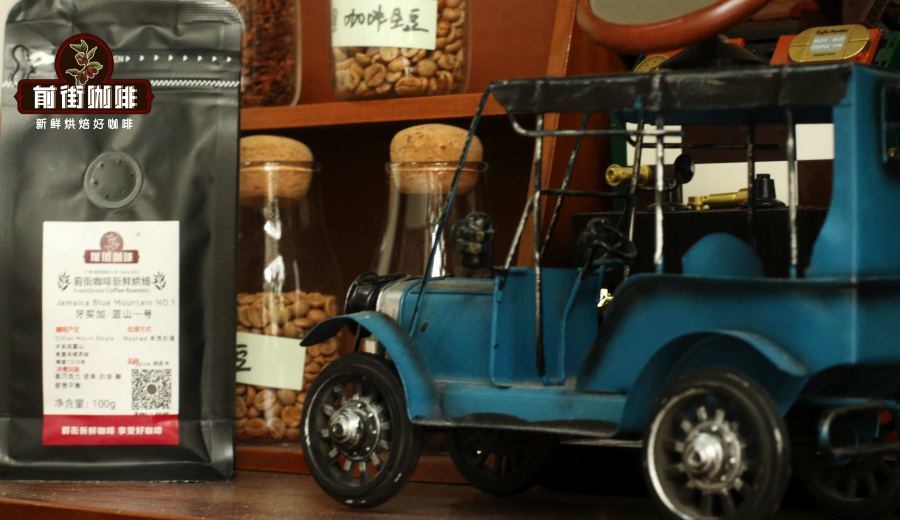
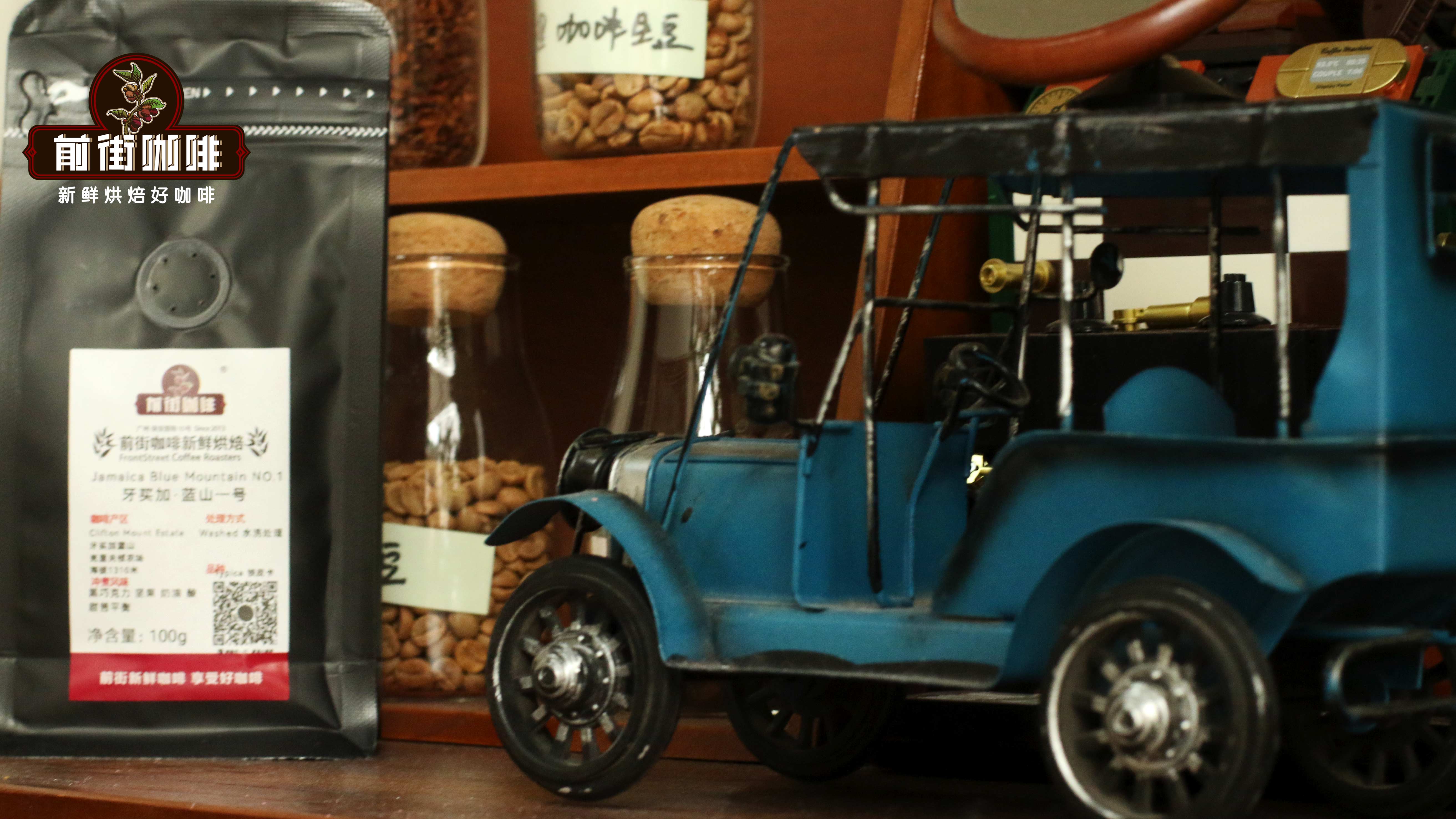
How can you distinguish genuine Blue Mountain coffee? First, due to its scarce production and high production costs, any “Blue Mountain beans” offered at suspiciously low prices are very likely counterfeit. Second, authentic Blue Mountain coffee features a rich and lingering aroma of chocolate and roasted hazelnuts, with distinct flavor layers and an excellent balance of acidity, sweetness, bitterness, and body—rather than any single dominant note. Moreover, consumers can request merchants to show relevant Blue Mountain certifications and wooden barrel packaging, which are important indicators of authenticity. The Blue Mountain No. 1 sold here comes from the Clifton Estate, is processed using the washed method, and is accompanied by complete official certificates and physical wooden barrel displays.
When brewing Blue Mountain No. 1 coffee, freshness is key. It is recommended to choose beans roasted within five days to fully experience their flavor potential. For medium-dark roasted beans, the KONO filter cone is recommended for extraction, as its unique curved design allows the filter paper to adhere better, enhancing extraction concentration and body. If a KONO is unavailable, alternatives such as the Kalita wave, cake dripper, or French press—all slower-flowing brewers—can also be used. Since medium-dark roasted beans have higher water absorption, a grind size with about 75% passing through a 20-mesh sieve is suggested, along with water at 88°C brewed using a three-stage pouring method. This approach effectively avoids over-extraction and highlights the chocolatey, nutty, and gentle fruity acidity characteristics of Blue Mountain coffee.
Specific pour over parameters are recommended as follows: water temperature at 88°C, grind size similar to coarse sugar (75% passing through a 20-mesh sieve), 15g of coffee grounds, a 1:15 coffee-to-water ratio, using the three-stage pouring method—first pour 30g of water for a 30-second bloom, then pour up to 125g while evenly circling, wait until the water level drops by half, then continue pouring up to 225g, with total extraction time of about 2 minutes. This extraction method fully showcases the layered and balanced profile of Blue Mountain coffee.
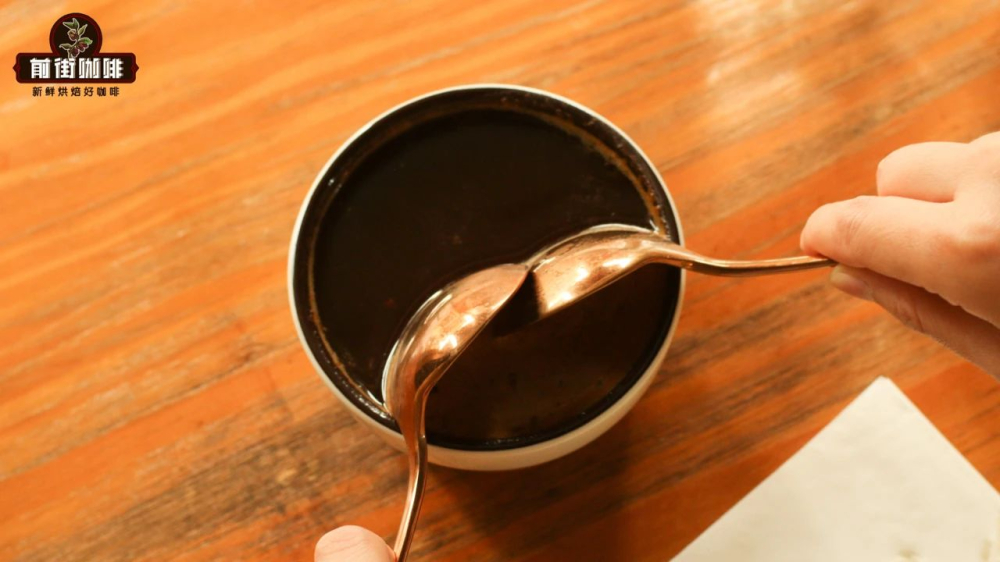
Blue Mountain No. 1 coffee presents intense black chocolate aroma and full body at high temperatures, with a notable almond aftertaste. As it cools, it gradually transitions into a silky sweetness reminiscent of roasted hazelnuts and cream, accompanied by a hint of gentle acidity and a caramel finish. The overall aroma lingers persistently, delivering an ultimate sensory delight for coffee enthusiasts.
The above content is compiled by CoffeeHunters, a coffee news website.


