







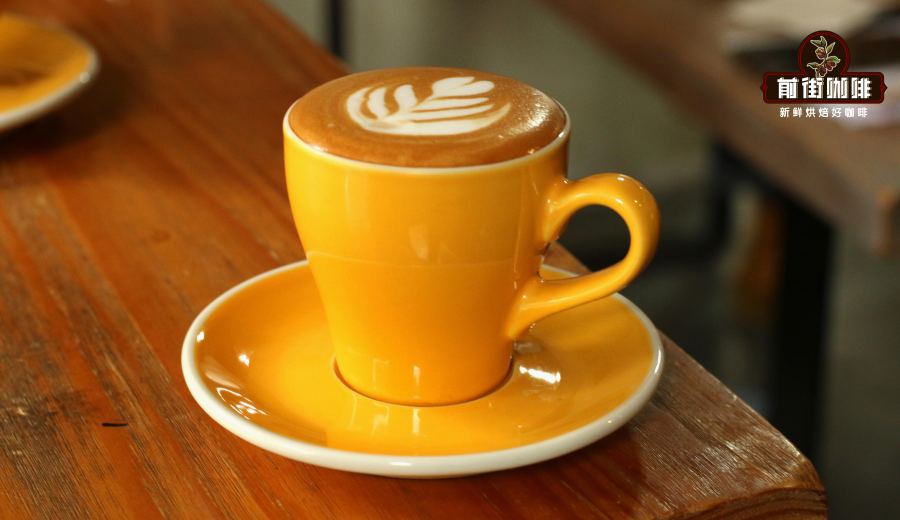
Introduction:Latte is one of the most popular choices among Italian-style beverages, but its definition, coffee beans used, ratio, and caffeine content often cause confusion. This article will take you deep into the origins and evolution of the latte, introduce Italian-style blends suitable for making lattes, provide standard espresso extraction parameters and milk-to-coffee ratios for hot lattes, and analyze the caffeine content in a cup of latte to help you better understand this classic milk coffee.
Latte coffee (Caffè Latte) is the go-to choice for many when first trying Italian-style coffee, but around the world, the presentation and definition of this drink can vary. Originally, the word "Latte" in Italian means "milk," so if you order a "Latte" in Italy, you might just get a glass of plain milk. The modern-day latte is actually a classic combination of espresso and a large amount of steamed milk.
With the popularization of espresso machines and the ease of steaming milk with steam wands, the latte gradually took shape as a beverage that blends espresso and milk in specific proportions. By the 1980s, baristas in Seattle, USA, took it a step further by decorating the milk surface with latte art, giving this coffee an even more artistic appearance. Today, the latte has become one of the best-selling items in coffee shops around the world.
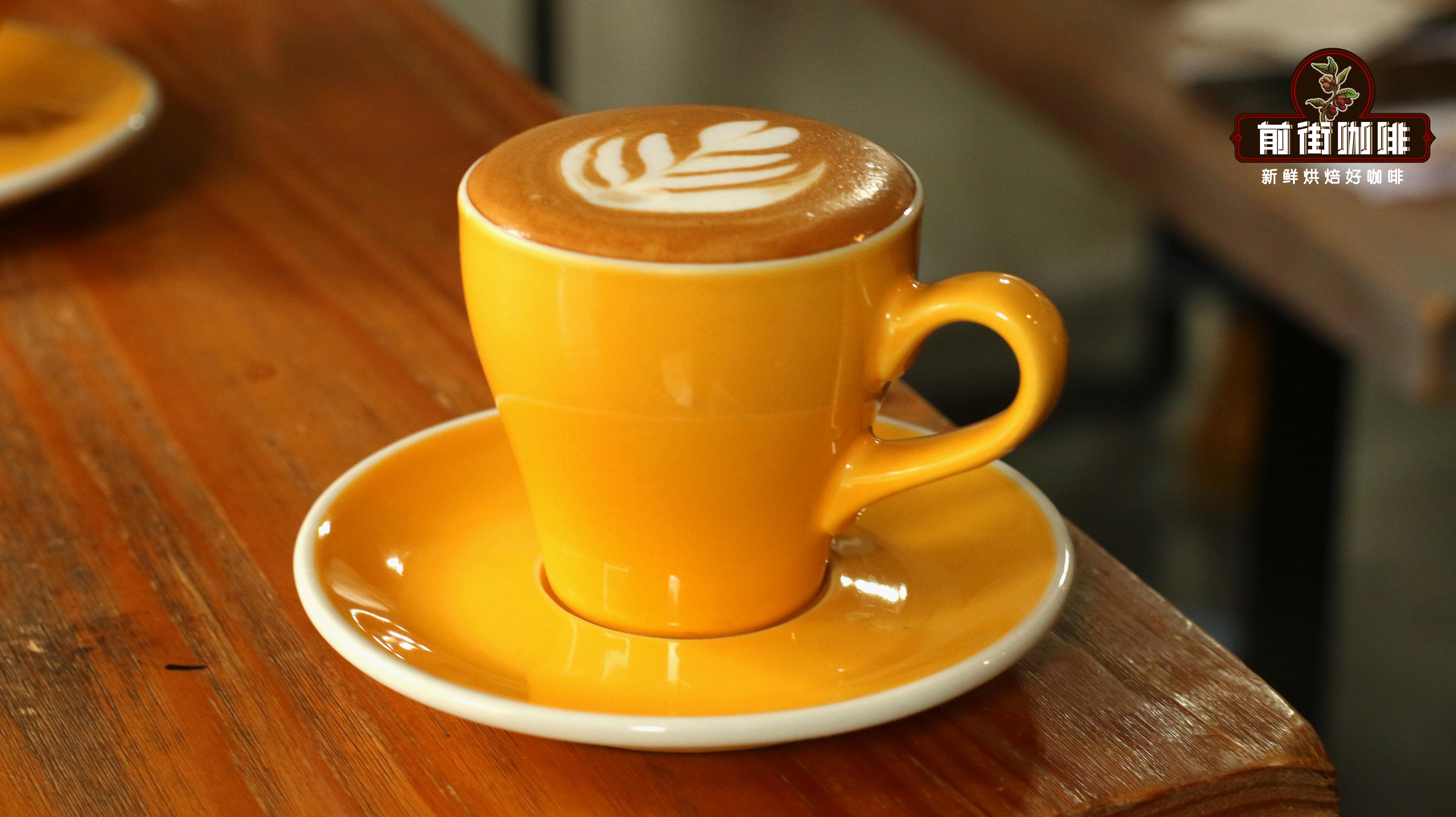
So, how exactly is a latte made? What beans are used? What’s the ratio? We’ll explain in detail below.
What is latte coffee?
The literal meaning of latte is "milk," so if you just order a "Latte" in Italy, you’ll usually just get a glass of milk. In the modern coffee context, "latte coffee" refers to milk coffee with added espresso, which is essentially a base of espresso topped with a generous amount of hot milk. Depending on the café’s recipe, the ratio of milk to coffee, the types of coffee beans used, and the brewing methods may vary, but the core idea is always to let the aroma of the coffee complement the smoothness and sweetness of the milk.
The blend of beans used, the type of coffee machine, and the quality of the milk at different cafés can all influence the final flavor. Generally speaking, the characteristics of a latte are its smoothness, rich milk aroma, and a balanced harmony between the coffee’s acidity and sweetness and the creaminess of the milk, achieved through appropriate proportions.
What kind of coffee beans are used for espresso?
To make a delicious latte, choosing the right Italian-style blend is crucial. Different coffee beans bring different flavor profiles, which in turn affect the overall taste. Common choices include blends dominated by Central and South American beans, featuring notes of chocolate, caramel, and nuts; or those mixed with a small portion of African beans to add layers of citrus, berries, or floral aromas.
As a practical example, some coffee shops use blends consisting of Yirgacheffe and Honduran beans. These blends often have distinct fruity acidity, berry aromas, and chocolate flavors, along with a soft wine-like note, which blend well with milk to deliver a rich and balanced taste.When extracting espresso, it is recommended to use 9 bar pressure, with water temperature controlled between 90.5–96°C, extraction time around 20–30 seconds, and a coffee-to-water ratio between 1:1.7 and 1:2 to achieve ideal flavor expression.
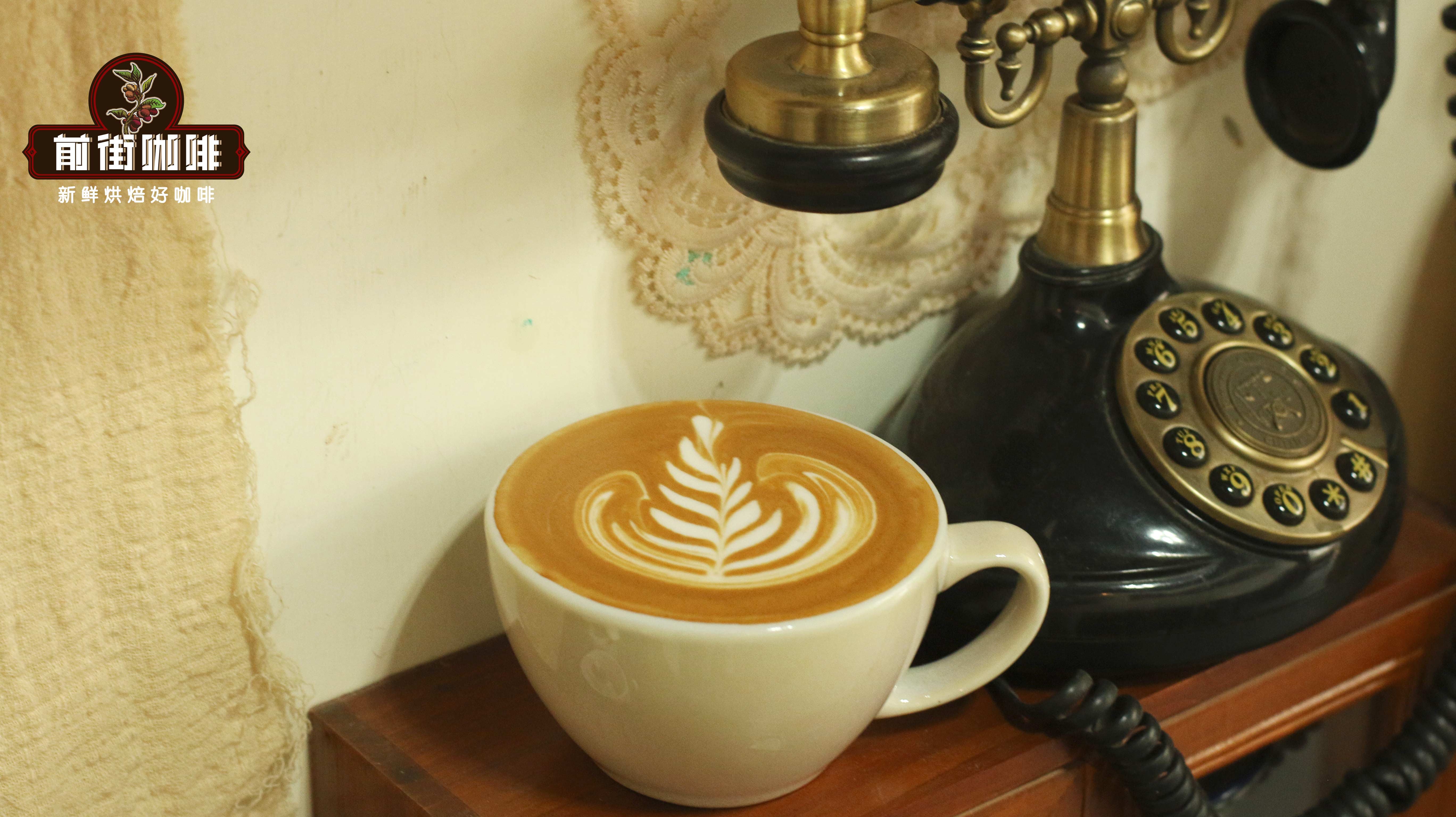
What is the standard way to make a latte?
The basic components of a latte are one or two shots of espresso, plus a generous amount of steam-heated whole fresh milk. The milk temperature is recommended to be kept between 50–60°C—this range can bring out the sweetness of lactose without causing the proteins to denature due to excessive heat, which would result in a rough mouthfeel. At the same time, steaming a delicate microfoam about 1 cm thick is one of the key factors that distinguishes a latte from a cappuccino or flat white.
In practical operation, common espresso extraction parameters are: using a Lelit V3 coffee machine, with a coffee dose of about 10 grams (single shot) or 20 grams (double shot), extracting 20 ml (single shot) or 40 ml (double shot) of espresso. This kind of espresso not only has concentrated aroma and balanced acidity and sweetness, but also lays a good foundation for the subsequent blending with milk.
Recommended ratio for making a hot latte
If you want to make a latte at home that is close to café quality, the recommended coffee-to-milk ratio is1:6.5, which is 40 ml of double-shot espresso paired with about 260 ml of hot milk. After steaming the milk to about 1 cm thickness with a milk frother, slowly pour it in a circular motion into the espresso so that the two blend evenly, and you’ll have a hot latte with a smooth texture and a balanced aroma of milk and coffee.
This ratio not only allows the natural sweetness of the milk to highlight the complex flavors of the coffee, but also makes the overall drink smoother and more mellow, suiting the taste preferences of most people.
So, how much caffeine is actually in a latte?
Many people are concerned about the caffeine content in lattes, mainly due to concerns about intake control. Generally speaking, a standard latte (made with a double shot of espresso) contains about 120–180 milligrams of caffeine, though the actual figure may vary depending on the type of coffee beans used and the extraction conditions.
Most cafés use Arabica coffee beans, which contain about 0.9% to 1.2% caffeine—lower than Robusta beans—and are relatively milder on the human body. Based on the adult daily recommended caffeine intake of about 400 milligrams, having one latte a day generally won’t be an issue.
In summary, latte coffee is an art that emphasizes balance. From the selection of coffee beans, the extraction of espresso, to the temperature of the milk and the thickness of the foam, each step affects the final flavor profile. Whether you’re a coffee newbie or a enthusiast, understanding these basics can help you find the latte that best suits your taste.
The above content is compiled by CoffeeHunters, a coffee news website.


