







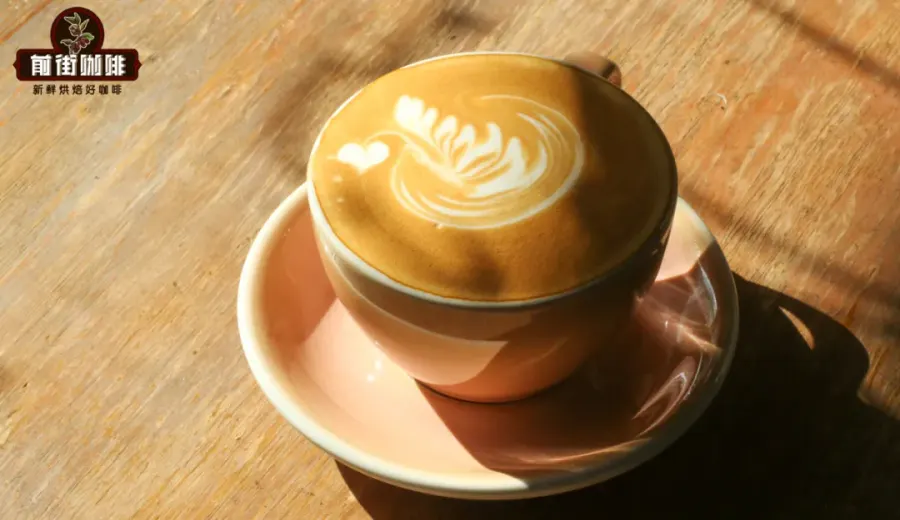
Introduction:Have you ever wondered why your matcha latte had no coffee flavor? Or why the definition of a "latte" varies so much around the world? This article dives deep into the original meaning of the Italian word "Latte," traces the evolution of the latte from Italy to the United States, and uncovers two practical reasons behind the naming of coffee-free lattes. With these insights, your next order will be more precise, helping you avoid misunderstandings and disappointment.
Walk into a café and ask for a “latte,” and is it guaranteed to contain coffee? The answer might surprise you. Common drinks like matcha lattes or red velvet lattes often contain no coffee at all. This phenomenon is closely tied to the etymology and cultural evolution of the word "Latte."
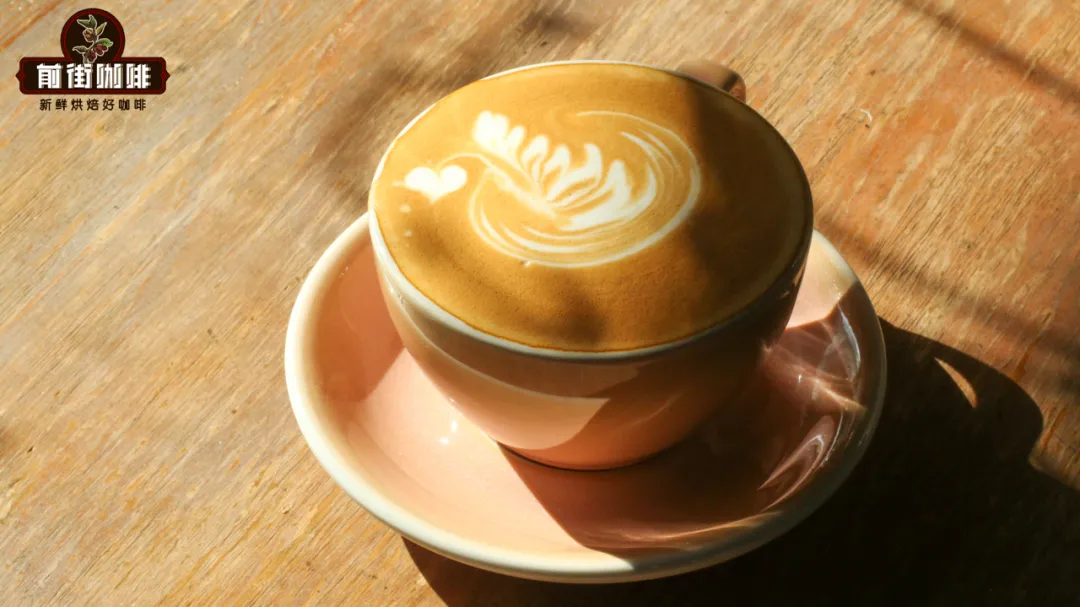
The word "Latte" comes from Italian and originally just means "hot milk." In Italy, if you order a "Latte," you’ll likely be served a plain cup of hot milk—not the coffee drink you might have expected. The coffee-containing version is called "Caffè Latte" in Italian, which is what we commonly refer to as a “latte.” This beverage combines espresso with steamed milk and is a classic combination in Italian coffee culture, often enjoyed as part of breakfast.
< >
However, as the latte gained global popularity—especially in the United States—the term gradually became simplified and generalized. Many consumers began associating "latte" directly with "milk coffee," often overlooking the "coffee" part altogether. This semantic shift led to many coffee-free drinks, such as matcha lattes and Ovaltine lattes, also being named with "latte," causing quite a bit of confusion.
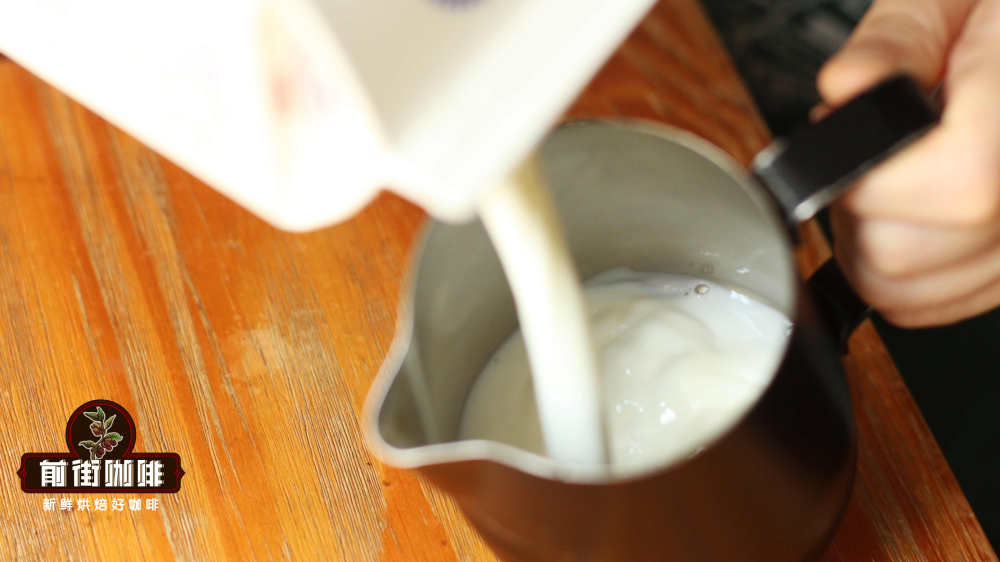
So why do these coffee-free drinks still use the name "latte"? The primary reason is that their preparation method is similar to that of traditional lattes. Whether it’s a matcha latte, hojicha latte, or red velvet latte, these drinks are made with a generous amount of steamed and frothed milk, combined with a flavored base (like matcha powder or red velvet syrup), and often finished with latte art. The overall visual and taste experience is very similar to that of a coffee latte, so cafés choose to retain the word "latte" to help customers intuitively understand the style and appearance of the drink.
Additionally, many coffee shop owners believe that using the word "latte"—which carries professional connotations in the coffee world—can enhance the appeal of the drink and align it with the café’s brand identity. As a result, even coffee-free options are often named as lattes. However, these drinks are usually categorized under "caffeine-free" or "non-coffee" sections on the menu. A quick glance at the menu or a simple question to the barista can help you avoid ordering by mistake.
< >
When it comes to the etymological evolution of the word "latte," the words "Caffè" and "Latte" had already appeared in Italian dictionaries by the mid-19th century, but they weren’t used together at the time. It wasn’t until 1867 that American writer William Dean Howells first used the term "Caffe e latte" in his book Italian Journeys to describe a drink combining coffee and milk. However, espresso machines were not yet widespread, and the so-called "Caffe e latte" was simply hot espresso with added milk—far from the well-known "latte" we know today.
The real turning point came in the 1950s and 1960s, when a wave of Italian immigrants brought espresso machines to the United States and opened cafés. However, American consumers generally couldn’t handle the intense strength of traditional espresso, so shop owners began adapting their offerings to local tastes. Legend has it that a California café called Caffe Mediterraneum was the first to add more milk to the traditional cappuccino, using the milk’s sweetness to soften the bitterness of the coffee, significantly improving its palatability. This new drink was initially listed on the menu as "Caffè e latte"—the very latte we know today.
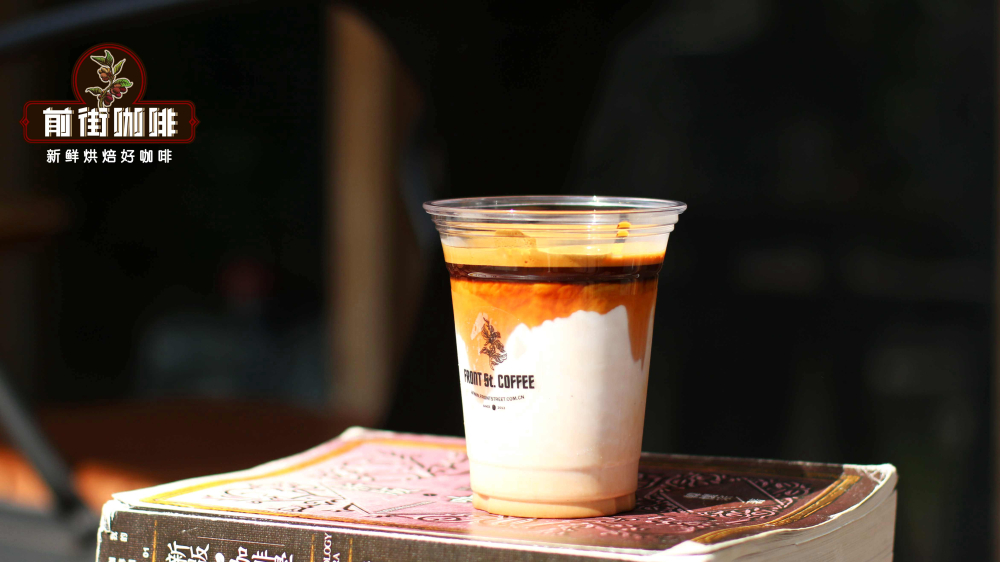
With the rise of chain coffee brands and the popularization of latte art, this milk-heavy coffee drink quickly spread from the U.S. to the rest of the world. Eventually, as everyday language tends to simplify, "Caffè Latte" was shortened to "Latte." Starting in the 1980s, in most non-Italian regions, the word "latte" instantly brings to mind this milk-rich style of espresso-based coffee.
< >
In summary, the original meaning of "latte" is simply "milk," while the now widely understood "latte coffee" is the classic combination of Italian espresso and milk. As for those coffee-free drinks that still go by the name "latte," their naming is influenced both by similarities in preparation and marketing/branding considerations. Next time you order at a café, it’s a good idea to check the menu categories carefully or simply ask the barista directly—this way, you can easily avoid accidentally ordering a “milk-only” drink and get the coffee beverage you truly want.
The above content is compiled by CoffeeHunters, a coffee news website.


