







Introduction:Struggling to accurately describe the layers of a cup of coffee? This article uses the world-renowned Jamaican Blue Mountain No.1 as an example to guide you through five core steps—aroma, taste, flavor association, mouthfeel & body sensation, and aftertaste—to systematically analyze professional-level coffee tasting logic. Not only does it help beginners overcome the frustration of not knowing what to say when facing a cup of coffee, but it also provides specific parameters and practical techniques to transform sensory experiences into vivid written descriptions.
Many beginners in specialty coffee often find the skill of "tasting" both mysterious and frustrating—faced with an expensive pour over coffee, they often struggle to say more than “good” or “bad.” In fact, professional baristas follow a structured evaluation process when assessing a beverage. By systematically observing aroma, taste feedback, flavor characteristics, mouthfeel texture, and aftertaste persistence, even novices can gradually build a clear tasting mindset. This article takes the Jamaican Blue Mountain No.1 coffee bean as a practical case study to walk you step by step through these five key elements, enabling you to confidently describe the unique charm of any coffee in the future.

For beginners, the biggest challenge is often not distinguishing whether a coffee is good or bad, but rather lacking the vocabulary to describe specific sensations. However, with the right steps and reference framework, anyone can extract precise language from sensory experience. Using the internationally acclaimed top-tier Blue Mountain No.1 as an example, this article breaks down how to approach tasting from five dimensions to build comprehensive tasting skills, allowing you to talk confidently about any coffee’s distinctive features.
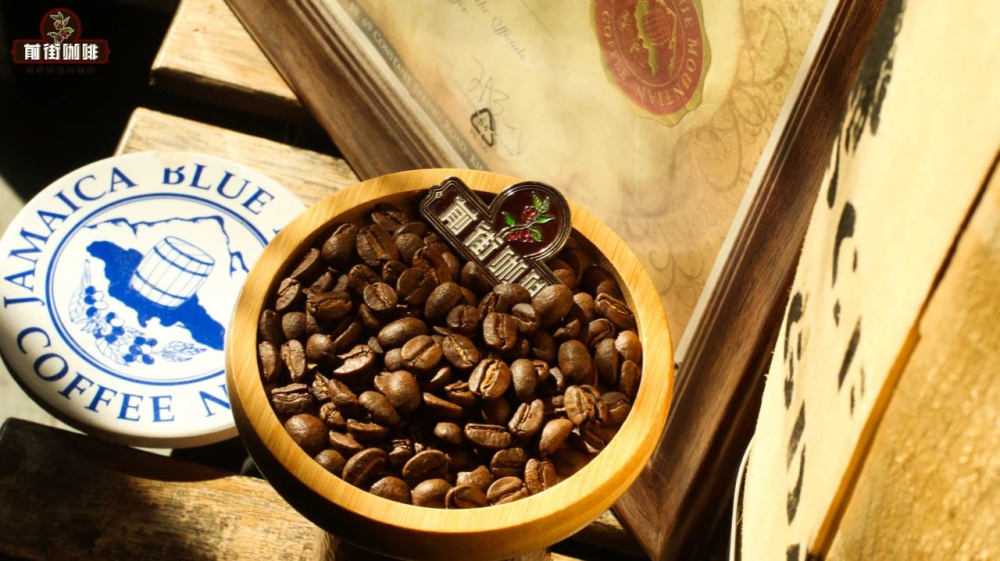
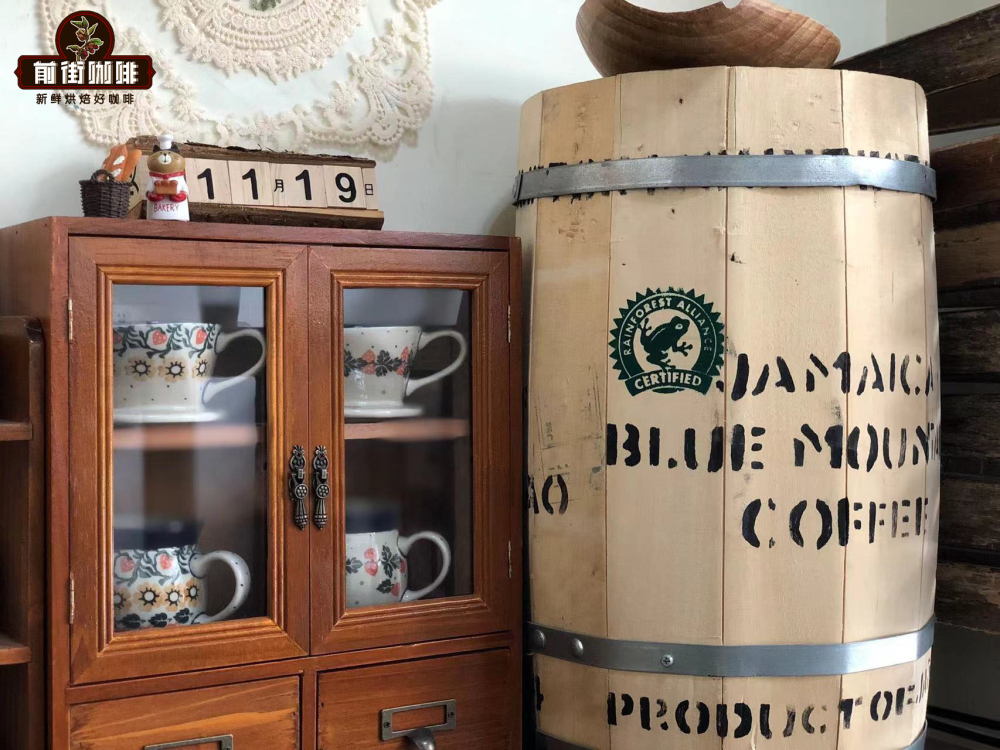
Speaking of Blue Mountain No.1, it is the highest grade of coffee beans from the Jamaican Blue Mountain region and represents the pinnacle of the country’s coffee culture. Before export, all Blue Mountain green beans must undergo rigorous grading inspections by the official CIB (Coffee Industry Board), with assessment criteria including bean size (minimum 17 mesh or above), defect rate (below 3%), moisture content (around 13%), appearance uniformity, and cupping performance. Only beans that fully meet these high standards are classified as Blue Mountain No.1—this grade not only signifies the utmost quality but also, due to its rarity and the traditional hand-carried wooden barrel transport, has become a symbol of excellence in the coffee market.
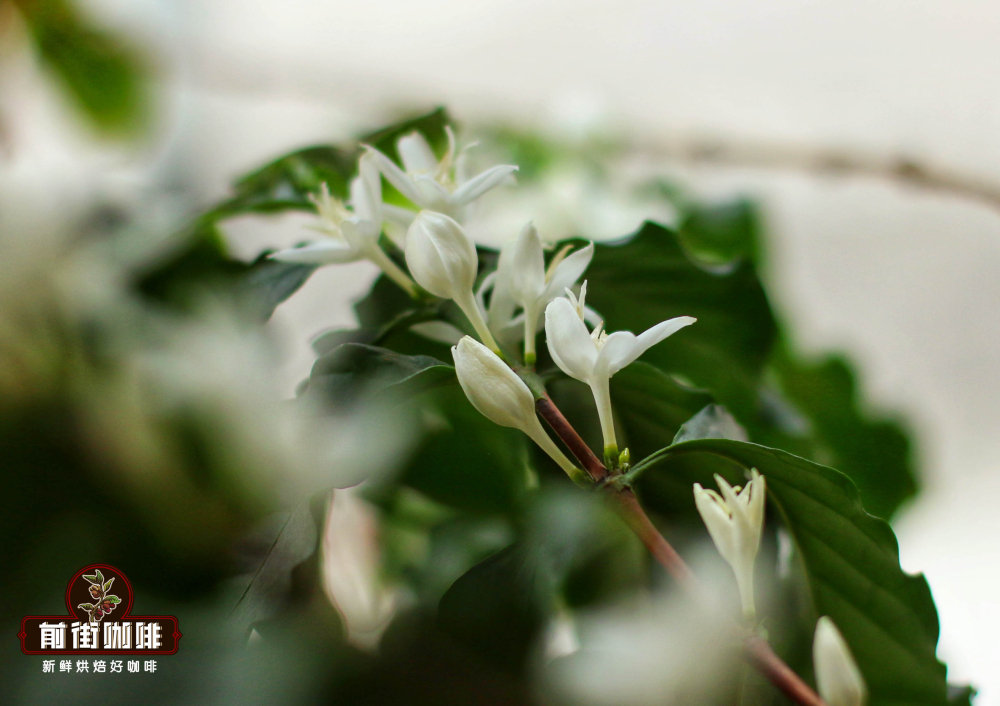
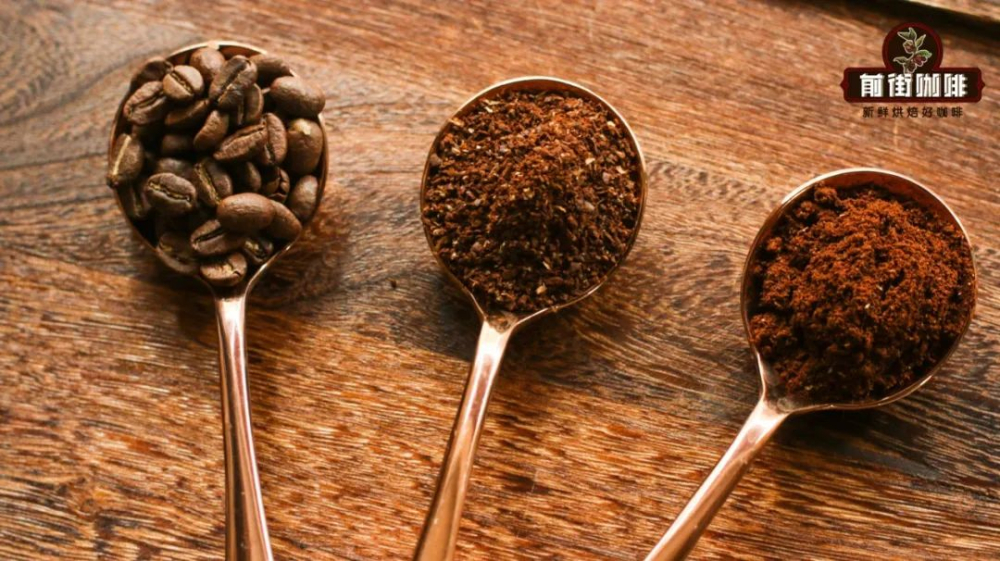
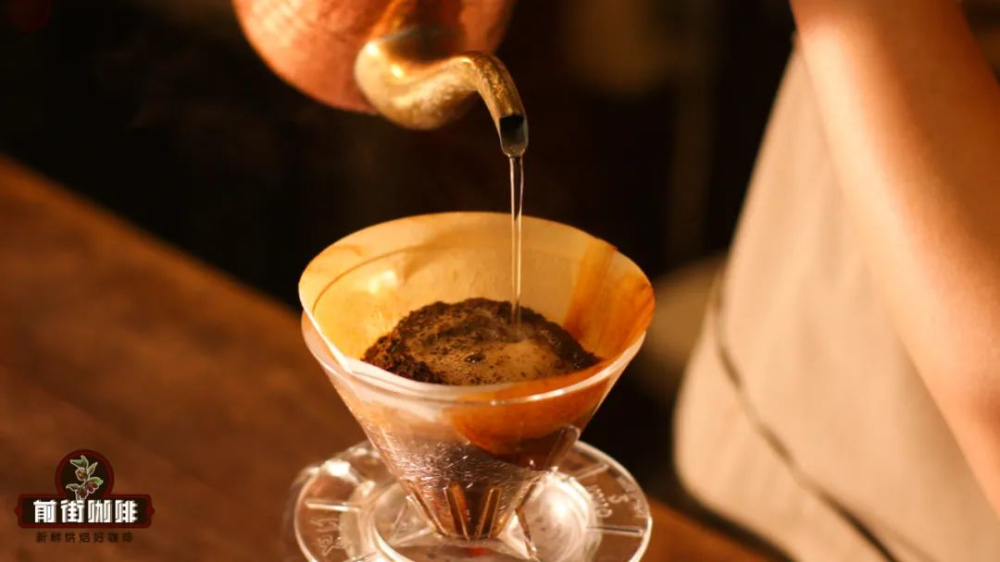
The first step in tasting is to capture the coffee’s dry and wet aromas through the sense of smell. Dry aroma refers to the scent of the ground coffee before water is added—this is when the aromatic compounds are most intense and serves as an important basis for evaluating the coffee’s original fragrance. For Blue Mountain No.1, the dry aroma often carries a distinct composite scent of chocolate, cream, and a hint of caramel, which is truly intoxicating. Next is the wet aroma, released when hot water contacts the coffee grounds—the intensity may slightly decrease, but it reveals more nuanced layers, such as the deep dark chocolate notes often emitted at this stage. Generally, medium to light roasts lean toward fresh notes like floral and fruity; medium to dark roasts present richer flavors such as caramel, spices, and chocolate. Remember to pair with specific adjectives like “rich” or “delicate” to make your description more vivid.
The second step is the taste experience in the mouth. We mainly focus on the four basic tastes—acidic, sweet, bitter, and salty—but more importantly, we evaluate the concentration and quality of these flavors. Take acidity, for example: high-quality acidity brings a bright and lively sensation, described with words like “mellow” or “refreshing”; poor acidity, on the other hand, may come across as sharp or harsh. Blue Mountain No.1 performs exceptionally well in balance—the acidity, sweetness, and bitterness coexist harmoniously, with moderate body and a clean finish, showcasing a high level of coordination.
The third step focuses on flavor association, which is the most captivating part of specialty coffee tasting. Flavor refers to the familiar food or seasoning associations drawn from combining smell and taste, such as dark chocolate, nuts, or caramel. This is not only where the joy of tasting lies but also the area many coffee newcomers find hardest to grasp. If you’re working on developing your flavor perception, start by reading related introductory materials. For Blue Mountain No.1, its dark roast process gives classic black chocolate, nut, cream, and caramel flavors, creating an experience reminiscent of the traditional "coffee emperor." We suggest you try combining taste with association, such as “bright citrus acidity” or “rich caramel sweetness,” to make your description more vivid.
The fourth step explores mouthfeel, or the tactile sensation coffee creates in the mouth. The commonly heard term “body” is the professional term describing this “weight” or “fullness.” High-body coffees, like Blue Mountain No.1, feel like silky buttery chocolate upon entry, full-bodied yet not cloying, offering a noticeable texture and richness on the tongue. Compared to the popular high-acidity coffees of recent years, Blue Mountain No.1 emphasizes a medium-to-high body, reflecting a stable and mellow character.
The final step—and often overlooked key—is aftertaste. The lingering aroma and taste in the mouth after swallowing is called aftertaste. A high-quality aftertaste not only lasts longer, but its aromatic qualities should also be pleasant. Blue Mountain No.1 excels here, often leaving elegant notes of toffee and wood, making it truly memorable. When evaluating aftertaste, consider both its duration and aromatic quality: a long-lasting aftertaste usually indicates sufficient extraction and rich substances; negative aftertastes may present as dryness, bitterness, or other discomforts. For example, a good aftertaste from a light roast pour over may last over ten seconds with flavors like faint floral, honey, or tea-like notes; while the aftertaste from a Blue Mountain No.1 pour over showcases delicate trailing notes of premium wood and caramel.
In summary, through these five steps—aroma, taste, flavor, mouthfeel, and aftertaste—you’ve grasped the basic framework of professional coffee tasting. During actual tasting, it’s recommended to sequentially perceive and record the characteristics of each stage, then translate this information into concrete descriptive language. For example, a tasting note for Blue Mountain No.1 might include: dry aroma with chocolate and cream tones, wet aroma releasing deep black chocolate; entry with balanced acidity and sweetness, medium-to-high body, flavors of nuts and caramel, and an aftertaste with elegant toffee and wood notes. Through such systematic practice, you too can gradually become a confident coffee taster able to describe coffee's distinctive traits.
The above content is compiled by CoffeeHunters, a coffee news website.


