







Introduction:The extraction quality of an espresso is often determined by the uniformity of the coffee puck. The seemingly simple steps of distributing and tamping the coffee grounds are actually key to avoiding channeling. This article delves into how to properly distribute and tamp coffee grounds to improve extraction stability, ensuring more consistent and balanced flavor in every shot of espresso.
Making a high-quality espresso requires two indispensable and important steps: distributing and tamping the coffee grounds. Many coffee enthusiasts often encounter issues such as overly sour or burnt-bitter flavors, or muddled layers in their extractions, which mostly stem from uneven distribution of the coffee puck. This article will take you through the purpose of distributing, common mistakes and how to fix them, as well as detailed guidance on the correct posture and practical tips for tamping. Whether you’re a beginner or a seasoned professional, you’ll find useful operational inspiration here.
The True Meaning of Distributing: Preventing Channeling
Both distributing and tamping aim to prevent channeling. Water is inherently inert and will always seek the path of least resistance. If the coffee grounds in the portafilter basket are unevenly distributed, it can create multiple “channels,” causing hot water to concentrate on extracting only certain areas of the coffee while leaving other parts under-extracted. As a result, the coffee in the channels becomes over-extracted, producing burnt-bitter flavors, while the non-channel areas are under-extracted, resulting in overly sour tastes.
Common Mistakes and Precautions Before Distributing
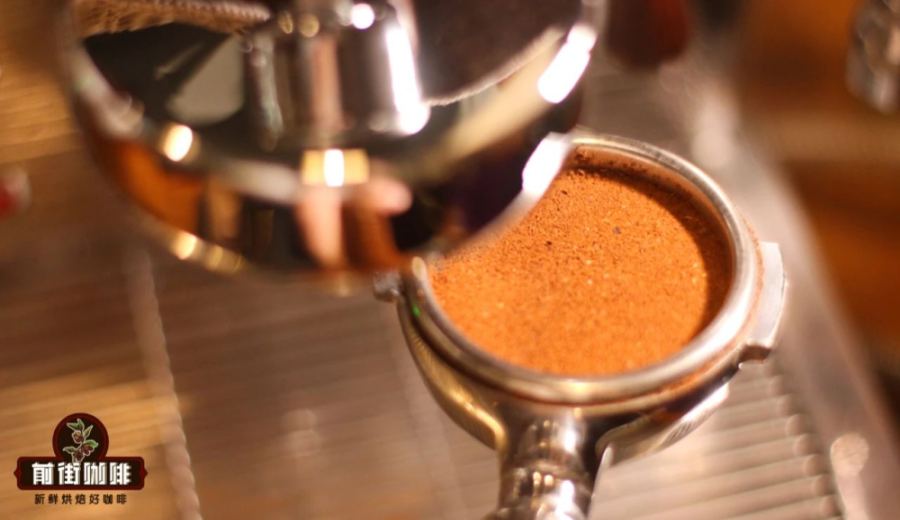
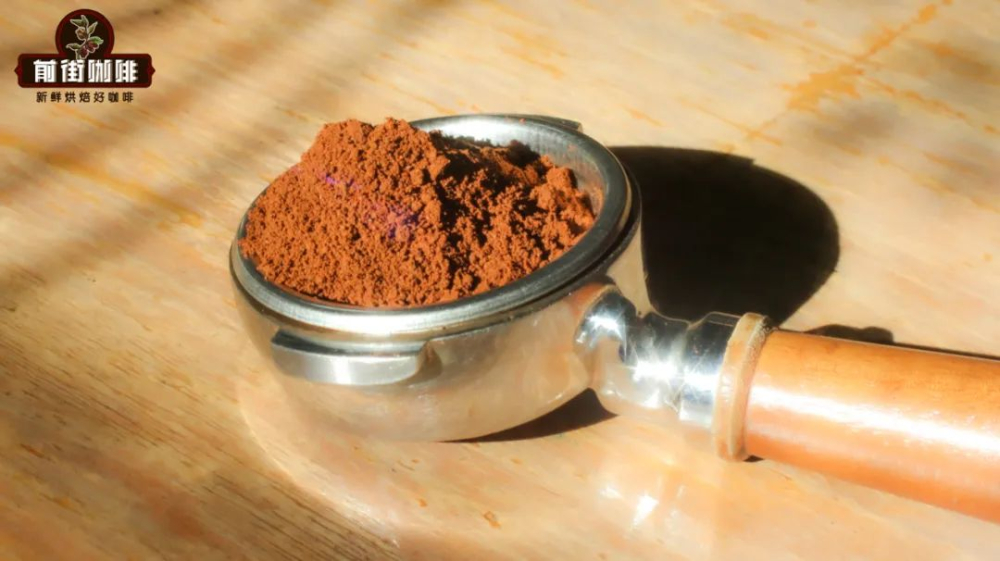
Most people, when dosing, simply pour the ground coffee directly into the portafilter, leading to a central mound or uneven left-right distribution of the coffee pile. In such cases, using a distributor alone may not effectively solve the problem. Because when the distributor presses down, it first compacts the centrally piled coffee, while the looser coffee around the edges may still be unevenly distributed. The resulting puck may look flat on the surface but is actually thicker in the middle and thinner around the edges, which can easily lead to channeling during extraction.
How to Properly Distribute Coffee Grounds?
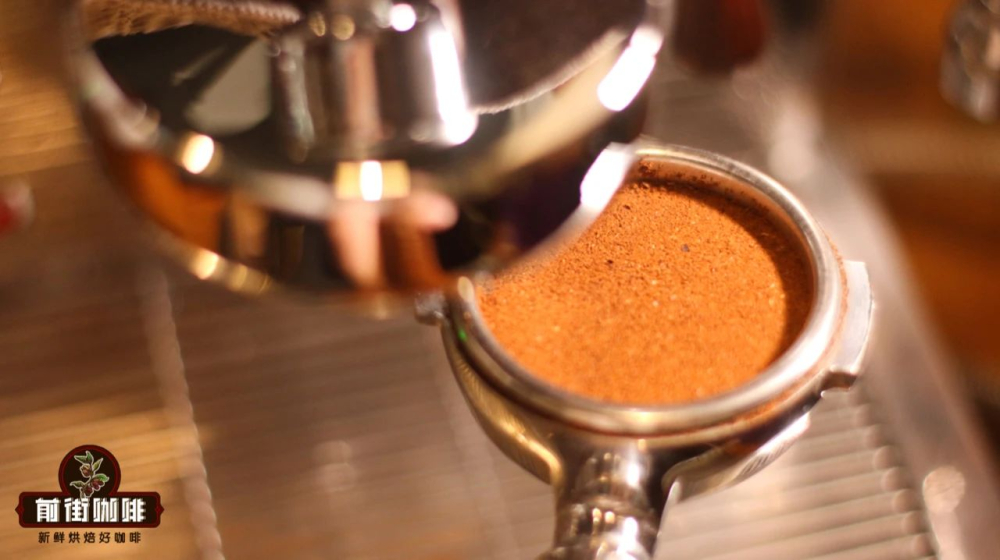
If you notice that the coffee forms a small mound in the portafilter basket, it’s recommended to first use your fingers to gently scrape the coffee from side to side to roughly even out the amount, then use a distributor to spread the grounds. If you’re aiming for a more precise coffee layer, you can also use a distribution needle to help break up any clumps and further even out the distribution of the coffee grounds. Additionally, changing the dosing process can be a good strategy—for example, using a dosing funnel to let the coffee slide into the basket from the side rather than directly into the center. This helps reduce initial uneven distribution and thus lowers the difficulty of subsequent distribution.
The Hidden Channels at the Edge of the Puck
It’s worth noting that even if the coffee puck appears evenly distributed and well-tamped, water may still flow along the edges where the puck meets the basket during extraction. This is because although the basket surface is smooth, it doesn’t fully seal against the puck. Under 9 bars of high pressure, water will preferentially seep through these tiny gaps and then slowly diffuse toward the center. This is also why we often see the extraction liquid first converging from the edges toward the center.
You can try pausing the extraction early, knocking out the puck, and observing its dry and wet areas. Often, you’ll find that the edges and bottom of the puck are relatively wet, while the center is drier. This confirms the water flow paths within the puck and explains why espresso often has distinct layers—because different areas of the coffee are extracted to varying degrees, leading to uneven flavor expression.

The Key to Tamping: Even and Appropriate Pressure
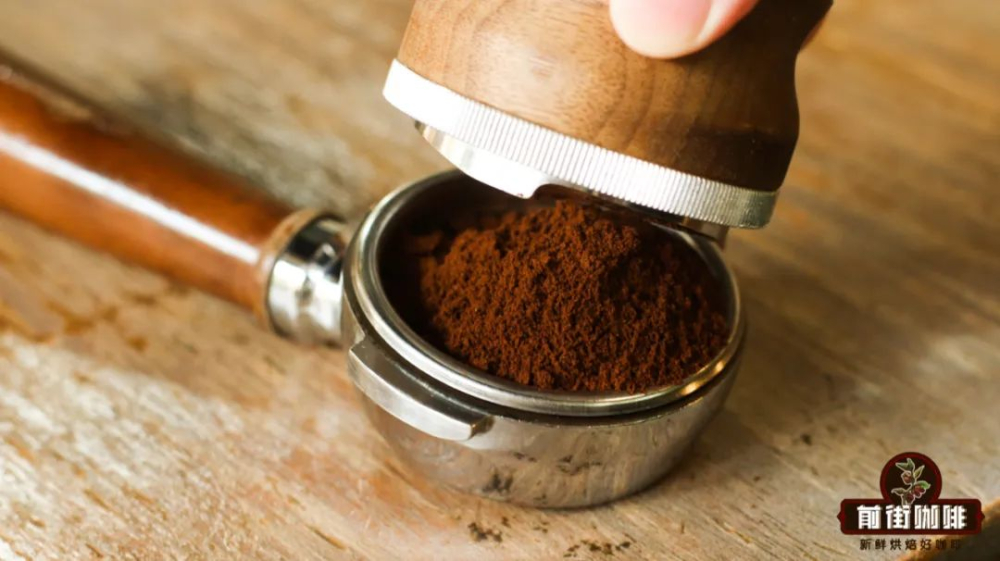
The main purpose of tamping is to firmly compress the coffee grounds, ensuring a stable structure between the particles so that the high-pressure water flow doesn’t easily disrupt the puck, thereby maintaining extraction stability and consistency. Compared to distributing, tamping may seem to have a lower technical barrier, but there are still several common mistakes to watch out for.
The most common tamping method involves using the thumb and index finger to hold the tamper on both sides, with the remaining three fingers and the palm securely wrapping around the handle. Keep your arm and wrist completely vertical, then steadily apply downward pressure. This technique ensures that the pressure is evenly transmitted across the entire puck, avoiding localized overpressure or insufficient pressure.
The Importance of Practice and Posture
Incorrect tamping posture—such as an arm that isn’t vertical or uneven force—is a common issue for many beginners. To address these problems, in addition to understanding the correct technique, the most important thing is repeated practice. Through continuous hands-on experience, you’ll gradually develop a feel for the right pressure and force, enabling you to consistently tamp the puck to the ideal density and lay a solid foundation for subsequent extraction.
Summary: Stable Extraction Starts with Distribution and Tamping
Once you’ve mastered the techniques of distributing and tamping, you can significantly reduce the occurrence of channeling, making the extraction process of each espresso more uniform and stable. This not only enhances the overall flavor profile of the coffee but also gives you more confidence in handling various variables during daily brewing, allowing you to produce satisfying cups of coffee time after time.
The above content is compiled by CoffeeHunters, a coffee news website.


