







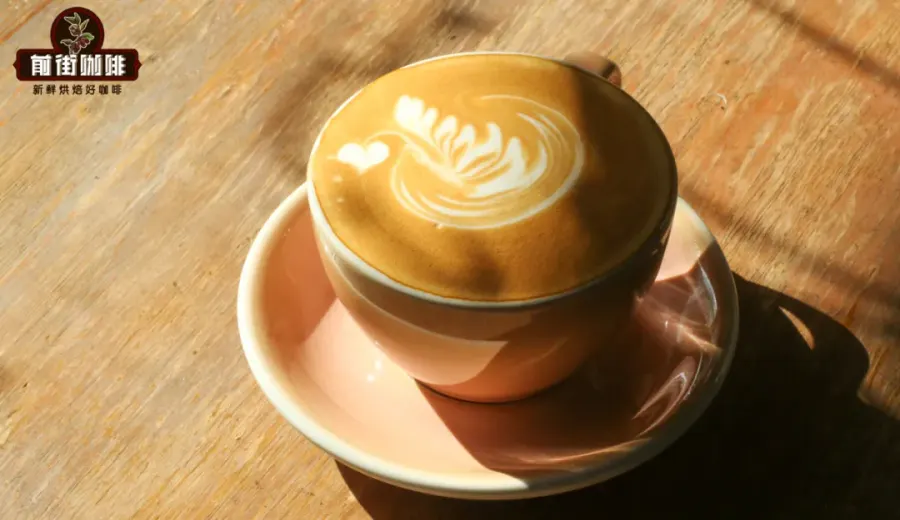
Introduction:Have you ever wondered whether a 'latte' actually counts as coffee? Why can drinks like matcha lattes or red velvet lattes contain absolutely no coffee at all? This article delves into the Italian roots of the word 'latte', from the original meaning of 'latte', to the origins of 'Caffè latte', and how it evolved in California, USA into the popular milk coffee we know today. It also explains why many 'latte' drinks that contain no coffee still use this name. Understanding these details will ensure you never get confused when ordering again.
The word 'latte' is both familiar and unfamiliar to many coffee enthusiasts. Many people wonder upon first encounter: is it even a type of coffee? Even more confusing are drinks like matcha latte, red velvet latte, or even Ovaltine latte — which can contain zero coffee. In fact, the term 'latte' comes from the Italian word 'Latte', which simply means 'milk'. If you want to order a genuine 'milk coffee', the correct Italian phrase is 'Caffè latte'.
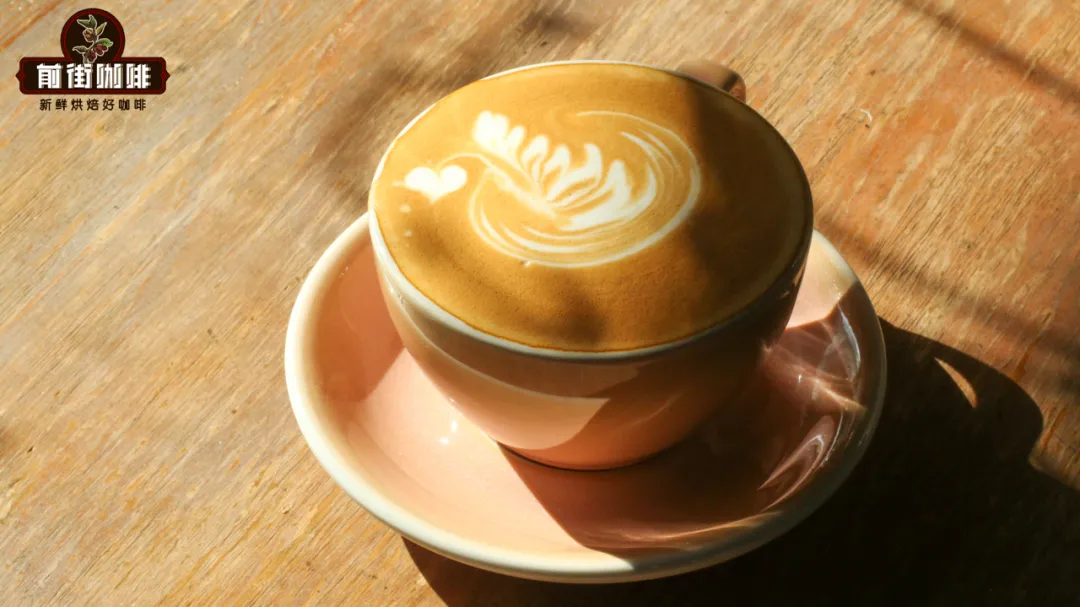
In Italy, 'Latte' usually refers on its own to hot milk, while 'Caffè latte' is a specialty coffee made by combining espresso with steamed milk. This combination, with its rich coffee aroma and smooth milk foam, has become a common choice on many people’s breakfast tables. Typically, Italians enjoy this drink in the morning, sometimes even just making it simply at home without needing to visit a coffee shop.
However, as the transliterated word 'latte' spread globally, many consumers began to confuse its true meaning. The most common misunderstanding is assuming that all drinks called 'latte' must contain coffee. But in reality, drinks like matcha latte, hojicha latte, or even red velvet latte, despite having 'latte' in their names, often only mix milk with other flavoring ingredients and contain no coffee whatsoever.
This phenomenon actually stems from differences in language and culture. In Italy, if a customer walked into a café and simply said 'Latte', the server might bring out a cup of hot milk, not a coffee drink. Because in Italian, 'Latte' means milk — unless you specifically say 'Caffè latte', the staff won’t automatically understand that you want a milk coffee.
This confusion also extended to global markets, especially as the term 'latte' became simplified and generalized over time. As time passed, many consumers began to associate 'latte' directly with 'coffee with a lot of milk', overlooking its original linguistic meaning. Ironically, this is also why seeing a 'latte' drink without coffee can be confusing.
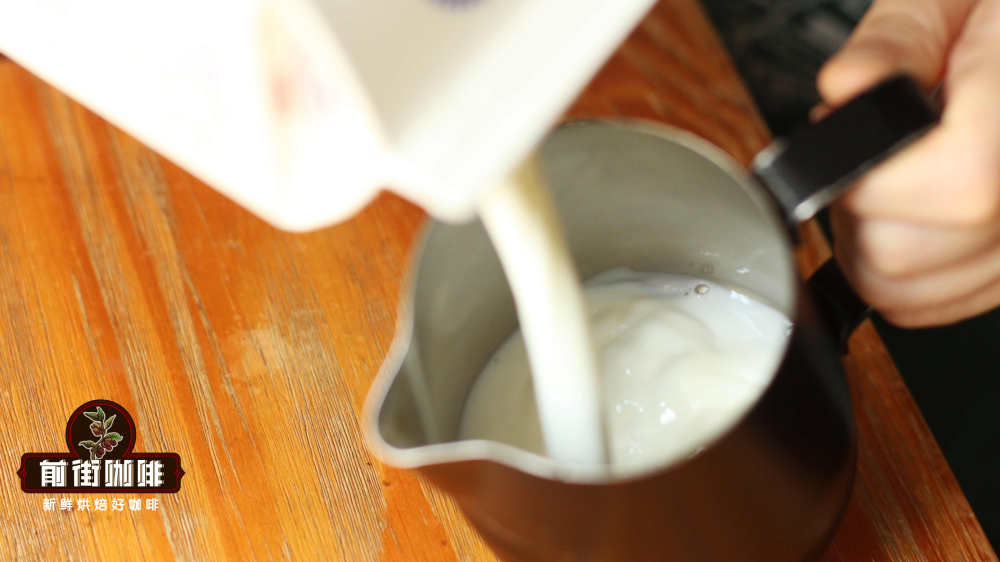
So why do coffee-free drinks like matcha latte still use the term 'latte' in their names? There are two main reasons. First, the preparation method of these drinks is similar to traditional lattes — they’re based on a large amount of steamed milk, and their texture and appearance are shaped through steaming and foaming, often even featuring latte art on the surface. Therefore, even without coffee, the word 'latte' still aptly describes their appearance and production characteristics.
Second, many coffee shops or beverage outlets believe that using the word 'latte', which carries connotations of coffee culture, helps link the product to the category of coffee beverages, thereby increasing consumer familiarity and acceptance. Therefore, even if the contents contain no coffee at all, the term 'latte' is still used as part of the product name, and such drinks are usually categorized under 'caffeine-free' or 'non-coffee beverages' for easy customer identification.
Looking back at history, the compound term 'Caffè latte' did not originally have a fixed usage in Italian. Until the mid-19th century, although both 'Caffè' and 'Latte' were included in dictionaries, they had not naturally combined to form a specific drink name. It wasn’t until 1867 that American writer William Dean Howells mentioned 'Caffe e latte' in his book 'Italian Journeys', describing a drink that mixed milk and coffee. However, since espresso machines had not yet been invented at the time, this drink was simply regular espresso mixed with hot milk — it hadn’t yet developed into the style widely known today.
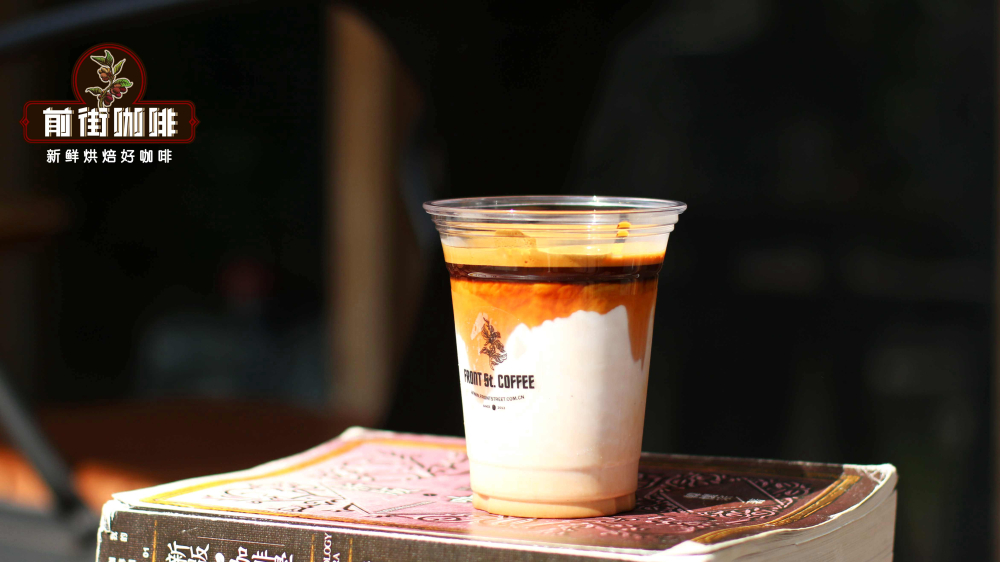
It wasn’t until the mid-to-late 20th century, as Italian immigrants brought coffee culture to the United States — particularly in California — that coffee flavors were gradually adjusted to suit local taste preferences. It’s said that a café called 'Caffe Mediterraneum' added more milk and reduced the bitterness of the espresso in their cappuccinos to make it more palatable for Americans unaccustomed to strong Italian coffee. This new drink later came to be called 'Caffè e latte', which is the familiar latte coffee we know today.
With the rise of chain coffee brands and the promotion of latte art, this milk-heavy coffee gradually gained global popularity. Nowadays, in most non-Italian regions, the word 'Latte' has almost become shorthand for 'Caffè latte', representing a classic coffee drink based on espresso, blended with a large amount of steamed milk and velvety microfoam. But in Italy itself, if a traveler walks into a café and just says 'Latte', they’ll likely still just be served a cup of plain milk.
In summary, understanding the true meaning of 'latte' not only helps us order our favorite coffee drinks more accurately, but also avoids unnecessary misunderstandings while traveling or dining abroad. Whether you’re a fan of the classic Caffè latte or prefer coffee-free options like matcha latte, knowing this background can make your coffee experience richer and more enjoyable.
The above content is compiled by CoffeeHunters, a coffee news website.


