







Category: Coffee Knowledge

An In-depth Look at the Origins of White Coffee: A Comprehensive Comparison Between Australia’s Flat White and Malaysia’s Instant Variety
White coffee often leads to confusion—some associate it with milky coffee drinks, while others think of Malaysia’s unique instant coffee. In fact, white coffee represents entirely different beverages in different regions. This article will delve into the definitions of two mainstream types of white coffee: from the handmade process and characteristics of Australia’s Flat White, to the three-in-one blended production method of Malaysia’s instant white coffee. It will help you clarify the conceptual differences and master key points for selection and tasting. [more…]
Analysis of the Differences Between Malaysian White Coffee and Flat White: A Comprehensive Comparison of Origins, Brewing Methods, and Flavors
Have you ever wondered why there are both black and white coffees? White coffee isn't a single concept—it includes both the milk-added coffee originating from Australia and the unique instant beverage from Malaysia. This article provides a detailed explanation of the historical background, production methods, and flavor profiles of these two types of white coffee to help you distinguish the real from the fake, grasp key purchasing considerations, and further enhance your understanding of the diversity in coffee beverages. [more…]
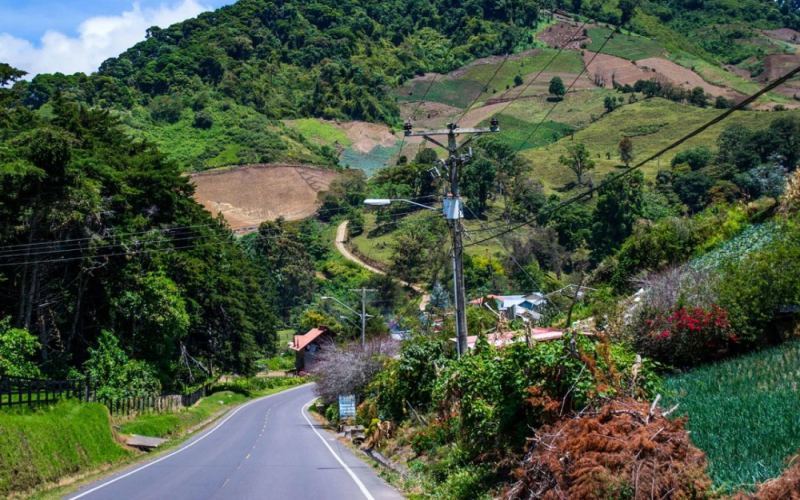
Panama Duncan Estate Natural Caturra: A Century of the Catuva Family & Captivating Flavors
Delve into Panama’s Boquete region to explore the century-old Catuva family and their Duncan Estate’s exceptional Natural Caturra specialty coffee. From the family’s founding background, the terroir of the region, to the meticulous natural processing and unique flavor profile, this article will give you a comprehensive understanding of this highly acclaimed pour over coffee bean, along with practical tasting insights. [more…]
The Legendary Coffee Legacy of Panama’s Catocha Family: Flavor Profile & Cultivation Origins of the Duncan Estate Sun-Dried Caturra
Delve into four generations of coffee heritage from Panama’s Catocha family—from the pioneering journey of the first-generation immigrants in 1916 to today’s renowned Duncan Estate. This article takes you inside this celebrated high-altitude farm in Boquete, exploring its historical background, processing techniques, and offering a detailed introduction to its uniquely flavorful sun-dried Caturra beans. From cultivation altitude to roasting recommendations, it provides a comprehensive guide for tasting and purchasing. [more…]
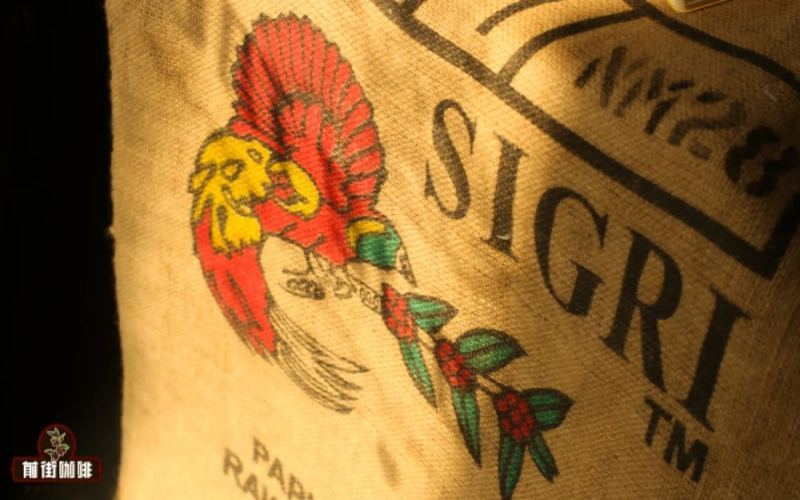
Papua New Guinea Bird of Paradise PB Peaberry Pour Over Parameters and Brewing Suggestions
Papua New Guinea Bird of Paradise coffee is renowned for its Typica variety, often referred to as the "Little Blue Mountain," boasting unique fruity acidity and layered sweetness. This article delves into the country’s geography, historical background, regional distribution, and washed processing methods, with a focus on the Typica AA-grade beans from the Bird of Paradise Estate. It also offers professional pour over brewing recommendations, including the use of a Kono dripper, 88°C water temperature, 1:15 coffee-to-water ratio, and specific pulse pouring techniques — helping you brew at home with notes of toasted bread and nuts. [more…]
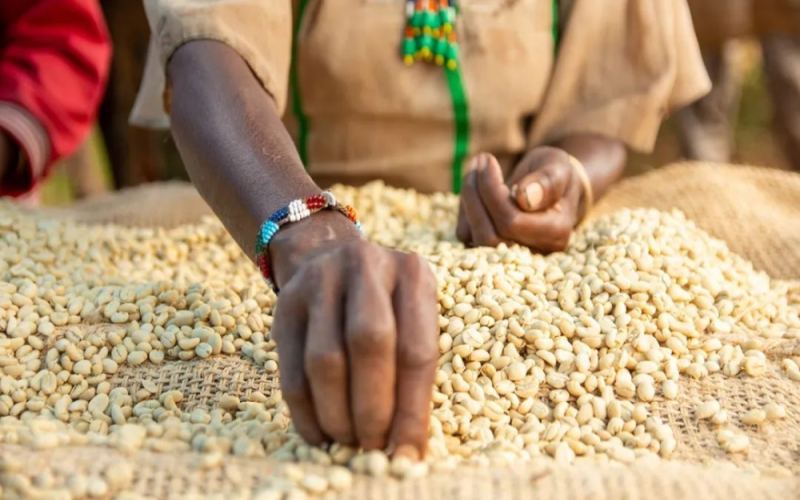
Complete Guide to Pour Over & Iced Pour Over Parameters for Ethiopian Yirgacheffe Aricha G1 | Flavor Profile & Brewing Techniques
Yirgacheffe Aricha G1, with its bright citrus notes and floral-fruity aromas, has become a classic favorite among many pour over enthusiasts. This article provides an in-depth analysis of the bean’s origin, variety characteristics, and processing differences, along with detailed pour over parameters for medium-light roasted washed beans (including grind size, water temperature, brew ratio, and a three-stage pouring method), as well as a complete step-by-step guide to iced pour over. Whether you're a beginner or an advanced brewer, you can use this guide to consistently achieve a bright acidity and [more…]
Full Breakdown of Mocha Coffee’s Four Identities: How to Distinguish Between the Port, the Coffee Maker, the Bean, and the Drink
Are you also confused by the term “mocha”? It refers not only to a classic drink with chocolatey notes, but also to what was once the world’s busiest coffee trading port, a popular type of home coffee brewer, and a specific variety of coffee bean. This article will delve into the four major aspects of “mocha” to uncover its diverse forms, helping you understand the history and true meaning behind this common yet often misunderstood term—so you can better appreciate and choose mocha-related products. [more…]
Complete DIY Guide to Fancy Coffee: From Grinding to Latte Art, Step-by-Step Home Brewing Techniques and Key Tips
Fancy coffee isn’t just the domain of cafés — with the right steps, you can enjoy a professional-level coffee experience at home. This guide walks you through everything from choosing coffee beans and precise grinding, to extraction control, milk frothing techniques, and latte art methods, step by step helping you craft a cup that’s both aromatic and visually delightful. It also shares common mistakes and improvement tips, so beginners can get steady results with ease. [more…]

Italian Blend Coffee for Beginners: How to Pair Mamba Blends? Understand Flavor and Selection All at Once
To craft a rich and aromatic espresso, the choice of blend is crucial. This article delves into common Italian coffee blends, such as the pairing logic of Brazil and Mandheling, or Colombia, and focuses on analyzing the characteristics of the classic "Mamba" flavor. It also explains whether single-origin beans (SOE) can be used for espresso, introduces several representative blends and single-origin beans, and analyzes their respective flavor profiles and suitable scenarios to help both beginners and seasoned coffee enthusiasts find the best option for them. [more…]
Costa Rica Tarrazú San Román Washed Beans: Flavor Profile & Best Pour Over Settings Guide
The Tarrazú region in Costa Rica is renowned for its refined washed-process coffees, and the San Román processing mill is one of its most iconic representatives. This article delves into the processing techniques, flavor profile of the washed beans from this region, and provides expert-level pour over recommendations to help you fully master the brewing tips and tasting highlights of this popular specialty coffee bean. [more…]
A Complete Guide to Brewing & Flavor Profile of Ethiopian Yirgacheffe Aricha Natural G1 for Pour Over
This article delves into the Ethiopian Yirgacheffe Gediyo region’s Aricha washing station’s Natural G1 grade coffee beans. Focusing on its bright acidity and rich berry notes, it provides professional pour over recommendations — including key parameters such as grind size, water temperature, and pulse pouring — while analyzing its unique processing method and origin background. Whether you're a coffee beginner or an advanced enthusiast, you’ll gain insights into crafting a well-rounded cup and selecting the right beans. [more…]
Complete Guide to Ethiopian Washed Sidamo G2 Pour Over Parameters and Regional Flavor Profile
Want to explore the allure of Ethiopian Washed Sidamo G2 beans? This guide starts with practical pour over parameters to help you master key V60 extraction details, while also diving deep into the region’s geography, processing methods, and global export system. It concludes with a comprehensive overview of this classic bean’s flavor profile and brewing logic. Whether you're a pour over beginner or an advanced enthusiast, you'll find practical guidance on flavor exploration and parameter adjustments here. [more…]
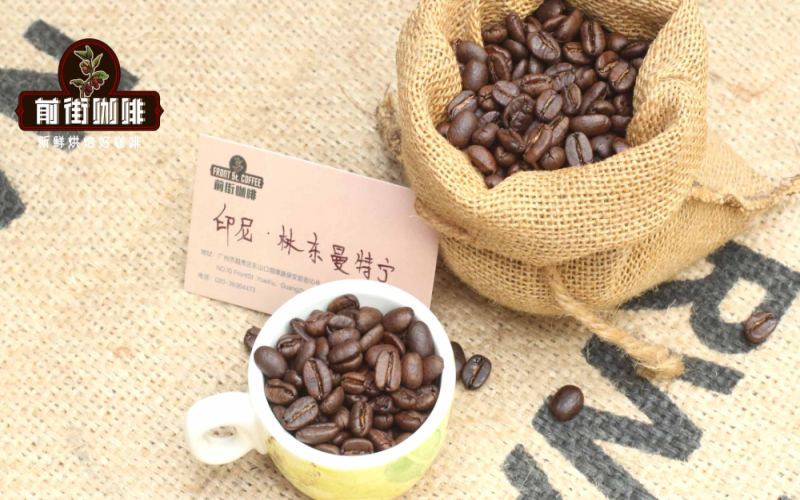
Indonesian PWN Golden Mandheling G1 Washed Bean Pour Over Tutorial | Parameter Settings and Flavor Analysis
The Golden Mandheling G1 washed beans from Sumatra, Indonesia, are renowned for their rich, full-bodied flavor and unique spicy notes, making them a popular choice for many coffee enthusiasts just starting out. This article will provide a detailed breakdown of the grading labels and packaging information for PWN Golden Mandheling, along with professional pour over recommendations suitable for medium-dark roasts. These include filter dripper selection, grind size, water temperature control, and pulse pouring techniques to help you brew a clean, bold, and layered cup of coffee at home. [more…]
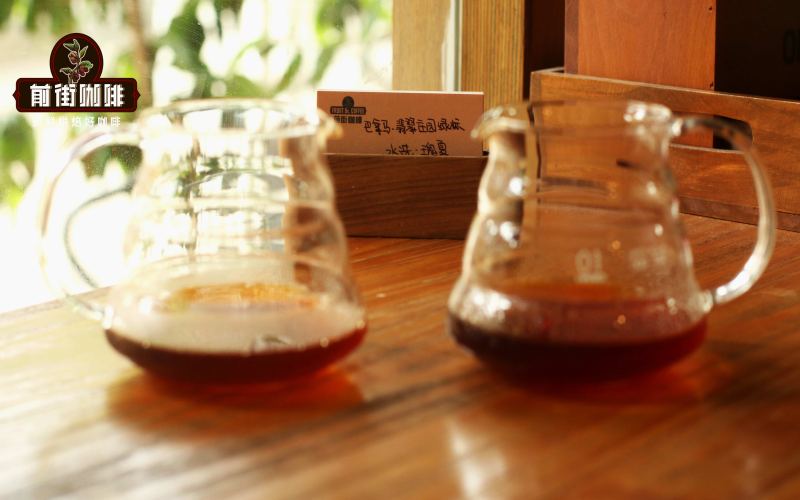
How to Brew Panamanian Emerald Gesha Blue Label Washed Beans? A Comprehensive Guide to Pour Over Parameters and Estate Grades
This article delves into the three main Gesha grades from Panamanian Emerald Estate: Red Label, Green Label, and the former Blue Label. It analyzes their regional characteristics, processing method differences, and flavor profiles. Additionally, it provides complete V60 pour over parameter recommendations for the Blue Label washed beans — covering water temperature, grind size, and pulse pouring techniques — to help coffee enthusiasts precisely capture Gesha’s bright acidity and complex fruity-floral notes. [more…]

Ethiopia Natural Yirgacheffe Aricha G1 | Complete Guide to Flavor Profile & Processing Method
Dive deep into the Ethiopian Yirgacheffe Aricha G1 natural-processed specialty coffee beans. From the growing altitude of the region, processing techniques, to its unique aroma and flavor profile, this guide helps you uncover the charm of this highly acclaimed G1-grade coffee. Learn in detail about the natural processing workflow at Kebel Aricha washing station, the green bean selection criteria, and how Project Origin enhances coffee farmers' income and bean quality through direct trade. Whether you’re brewing with a pour over... [more…]

Ethiopian Yirgacheffe Aricha G1 Natural Bean: Flavor Analysis & Roasting Recommendations – Is it Suitable for Pour Over?
Ethiopian Yirgacheffe is one of the benchmark regions for specialty coffee globally, and its Aricha G1 Natural Bean is renowned for its intense fruity aroma and unique fermentation character. This article delves into the processing method, regional background, and distinctive flavor profile of this imported single-origin specialty bean, while also analyzing its roasting and pour-over brewing suggestions. Whether you're a washed coffee enthusiast or a natural process lover, you can uncover the potential and ideal ways to enjoy this bean. [more…]
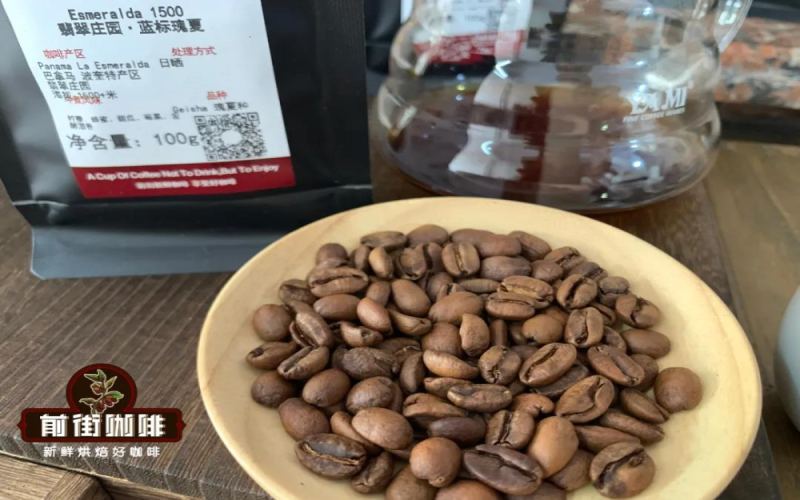
Panama Geisha Jade Green Label Tier Analysis | Where the Blue Label Washed Went and the 2021 Replacement Version Revealed
The Geisha coffee beans from Panama’s Finca Jade are divided into three tiers: Red Label, Green Label, and Blue Label. Each tier has its own positioning and flavor profile. Among them, the Blue Label is favored by many beginner coffee enthusiasts as their first taste of Geisha due to its relatively high cost-performance ratio. In 2021, Finca Jade suddenly discontinued the Blue Label, sparking widespread market discussion. This article provides an in-depth analysis of the differences among the Red, Green, and Blue labels, and traces the fate of the 2021 Blue Label, uncovering the background and truth behind its re-emergence under the name Las Rocas. [more…]
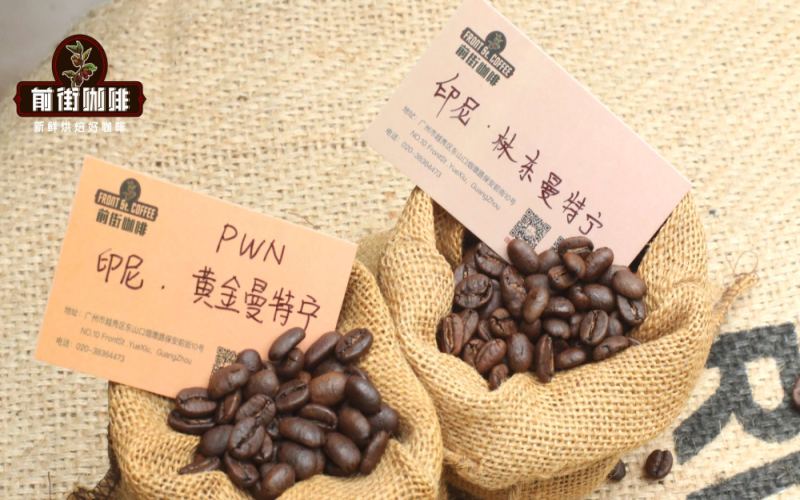
Sumatra Golden Mandheling G1 Washed Beans: A Complete Guide to Regional Flavors, Wet-Hulling Process, and Pour Over Brewing
An in-depth exploration of the regional characteristics of Indonesia’s Sumatra Golden Mandheling G1 washed beans, PWN’s rigorous selection process, and how the wet-hulling method contributes to its unique woody and spicy profile. This article starts with the geographical climate and cultivation background, helping you understand the flavor expression under medium-dark roasting, and provides practical KONO filter pour over parameters to fully experience the charm of this classic bean. [more…]
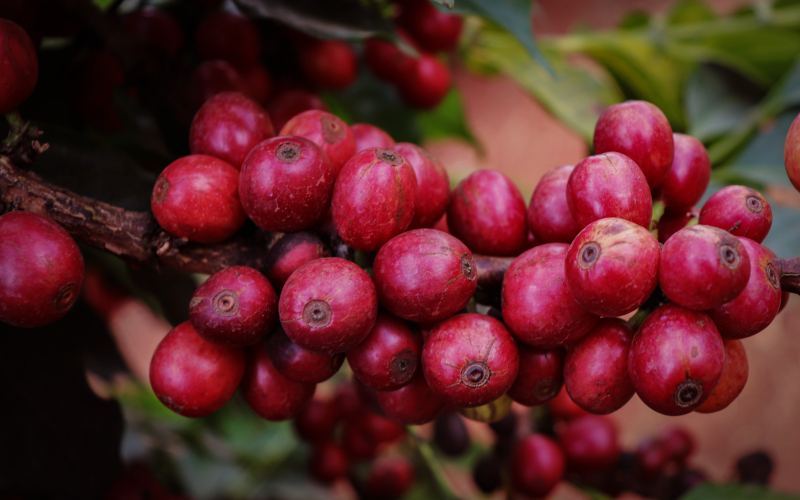
Kenya Little Tomato Pour Over Tutorial: A Complete Guide to Water Temperature, Grind Size, and the Origins of Its High Acidity
Kenyan coffee is renowned for its vibrant acidity and complex layers, yet it often leaves beginners both enchanted and intimidated. This article takes a popular bean as an example, delving into how the SL28 and SL34 varieties grown in the Thika region thrive in high-altitude volcanic soil to produce a bright flavor profile with little tomato-like notes. In addition to explaining the impact of the 72-hour washed processing method, we also provide an in-store tested pour over recipe, including specific steps using a V60 filter cone with a water temperature of 91°C and a 1:15 coffee-to-water ratio. [more…]
Analysis of Kenyan Coffee’s Tomato-like Flavor | Introduction to SL28/34 Varieties and High-Altitude Washed Processing
Kenyan coffee is renowned for its distinctive bright acidity and complex fruitiness, with the “tomato-like” note being a focal point of discussion among many coffee enthusiasts. This article delves into the origin characteristics, genetic background of the SL series varieties, and how 72-hour washed processing shapes the high sweetness and vibrant acidity of a well-known specialty coffee brand’s “tomato-like” Kenyan coffee beans from the Kiambu region. It also provides practical pour over parameters and steps to help you brew a balanced and clean Kenyan coffee at home. [more…]