







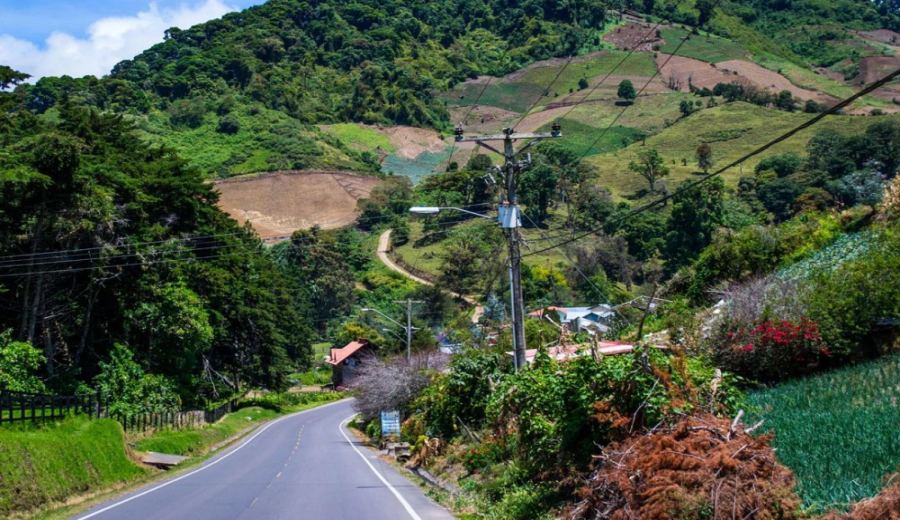
Introduction:Delve into the four generations of coffee heritage of Panama’s Kotowa family — from the pioneering journey of the first-generation immigrants in 1916 to the now world-renowned Duncan Estate. This article takes you to explore this renowned estate nestled in the high-altitude mountains of Boquete, analyzing its historical background, processing techniques, and offering a detailed introduction to its uniquely flavored natural-process Catuaí coffee beans. From planting altitude to roasting recommendations, it provides a comprehensive reference for tasting and selection.
When it comes to Panamanian coffee, most people first think of the world-famous Geisha variety. However, on this land with exceptional microclimates, there are also many estates with deep historical roots that are equally worth savoring. This article focuses on the Kotowa (卡託瓦) family, which has been rooted here for over a century — starting with Joseph McIntyre purchasing the Finca Carolin farm in Boquete in 1916, leading up to the Duncan Estate managed by his grandchildren, and their highly acclaimed natural Catuaí coffee.
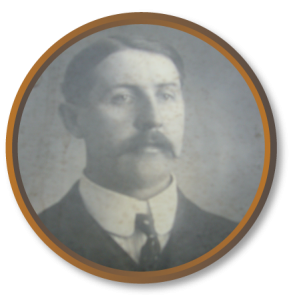
A significant part of Panama’s international coffee reputation comes from meticulously managed family-owned estates. The history of the Kotowa family can be traced back to the late 19th century, founded by a Canadian immigrant — Alexander Duncan MacIntyre. Born in 1873, he initially ran a fruit business with his elder brother Joseph Albert McIntyre, and later both entered politics, with Alexander even becoming the youngest mayor of Port Alberni.
In 1916, his brother Joseph purchased a farm called Finca Carolin in the Boquete region of Panama. Though his stay was brief, he was deeply impressed by the natural environment. Learning about Boquete’s pristine charm through newspapers and magazines, Alexander decided to visit in person. In 1925, he officially emigrated from Canada to Panama, married a local woman named Angela Rosas, and renamed the farm La Carolina. He also built a small coffee processing facility, marking the beginning of the Kotowa family’s coffee business.
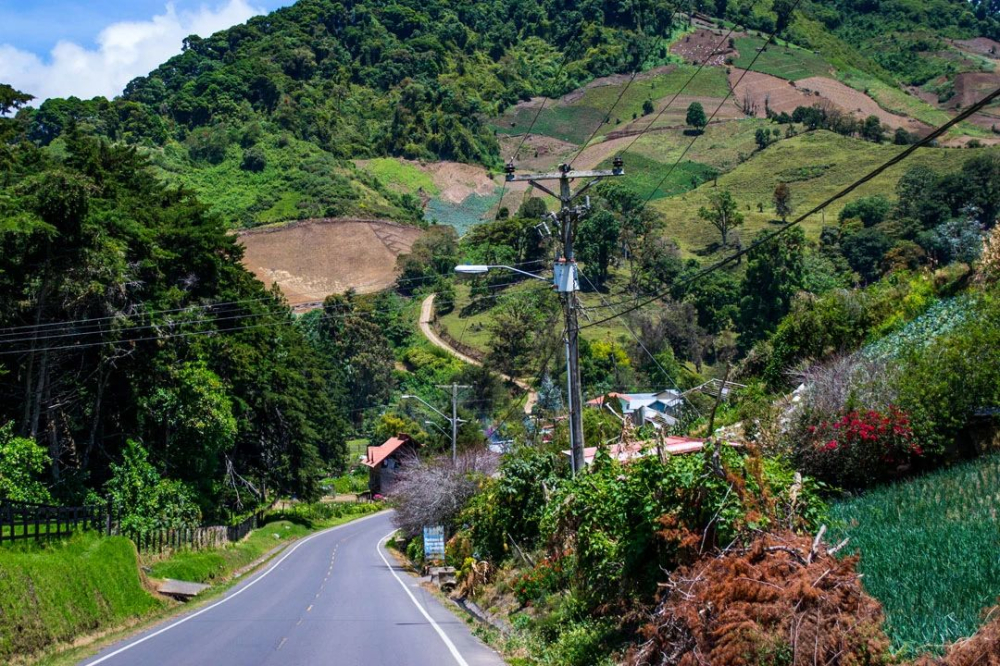
The Kotowa Estate is located at the foothills of the Barú Volcano in western Panama, enjoying exceptionally favorable geographical conditions. The area not only boasts lush vegetation but also fertile fields nourished by volcanic soil. Moist air from the Atlantic condenses and brings rainfall at altitudes of around 2,500 meters, ensuring ample sunlight even during the dry season — providing nearly perfect growing conditions for coffee trees. Typically cultivated between 1,600 and 1,800 meters above sea level, the beans develop pronounced acidity and complex aromatic layers.
Today, the Kotowa family legacy has been passed down to the third generation, led by Ricardo Koyner and his daughter Victoria. Ricardo is not only the successor of the family business but also one of the founders of the Panamanian Specialty Coffee Association (SCAP), having served as its first president. Looking back to the 1990s, faced with intensifying global market competition, many small and medium-sized coffee farmers in Panama actively sought transformation, culminating in the establishment of SCAP in 1996 by seven farmer representatives, aiming to enhance the overall quality and international visibility of local coffee.
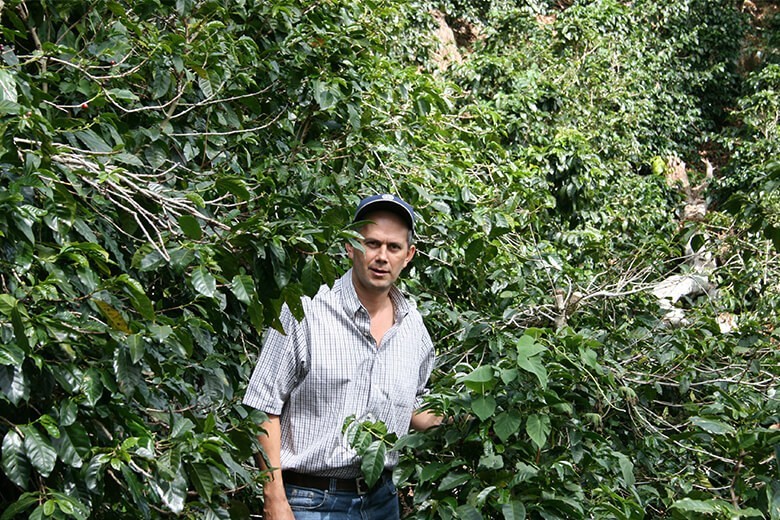
To strengthen the brand image, Ricardo officially renamed the family farm “Cafe Kotowa Farms.” Not only did he retain the original hydraulic processing facilities, but he also introduced modern roasting equipment and set up a brand storefront locally, dedicated to delivering the premium “Kotowa” series of coffee directly to markets in Europe and America. It’s worth mentioning that the processing plant still houses an ancient water-powered device consisting of wooden gears and leather belts — even by today’s standards, its ingenious design and historical value remain astounding.
The Kotowa family operates a total of seven farms, five of which are widely known among coffee enthusiasts: Finca Kotowa DUNCAN (Duncan Estate), Finca Kotowa Don K (Don K Estate), Finca RIO CRISTAL (Crystal River Estate), Finca Kotowa TRADICIONAL (Traditional Kotowa Estate), and Finca Kotowa LAS BRUJAS (Witches’ Estate). There are also two newly developed farms, Mango and Redondo, which have not yet released any commercial coffee.
The name “Kotowa” actually originates from the Ngäbe language, meaning “mountain.” The design inspiration for the brand logo comes from the Gnobe Bugle (also known as Guaymíes), the primary labor force behind Panama’s coffee harvest, reflecting respect and heritage for local culture.
Among them, Duncan Estate is named after Ricardo’s grandfather, Alexander, in honor of the founder of the family business; Don K Estate pays tribute to his father, Richard Koyner — “Don” meaning “Mr.” in Spanish, conveying deep respect. As for Witches’ Estate, legend has it that the name comes from the sound of the stream flowing through the forest, resembling the whispers of a witch. Each estate has its own unique story and flavor profile.
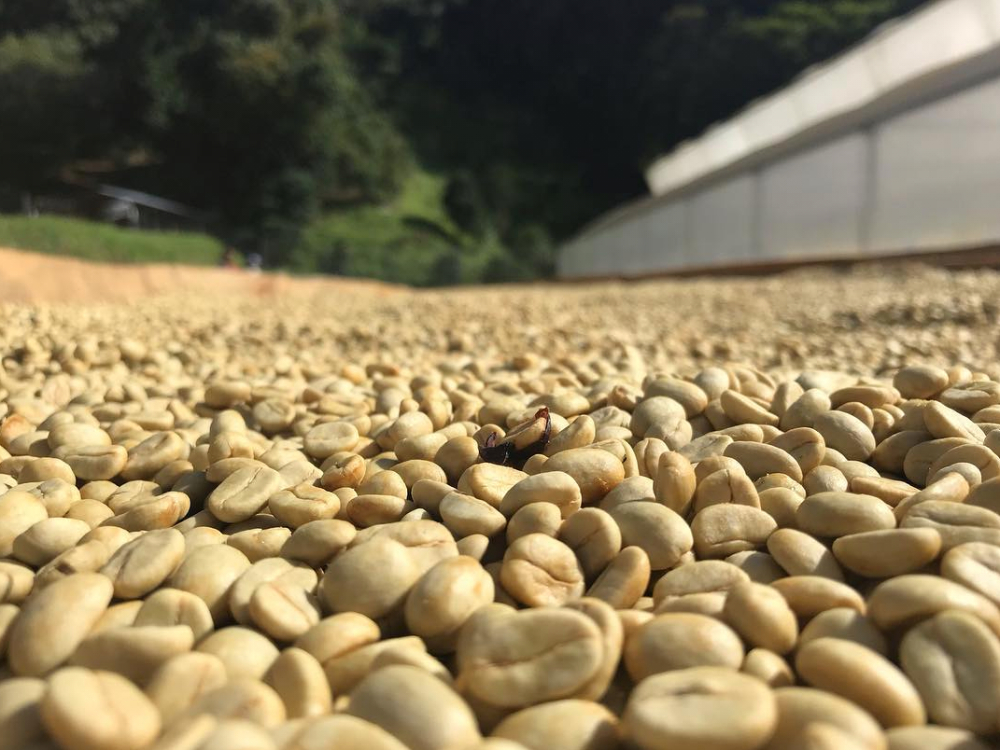
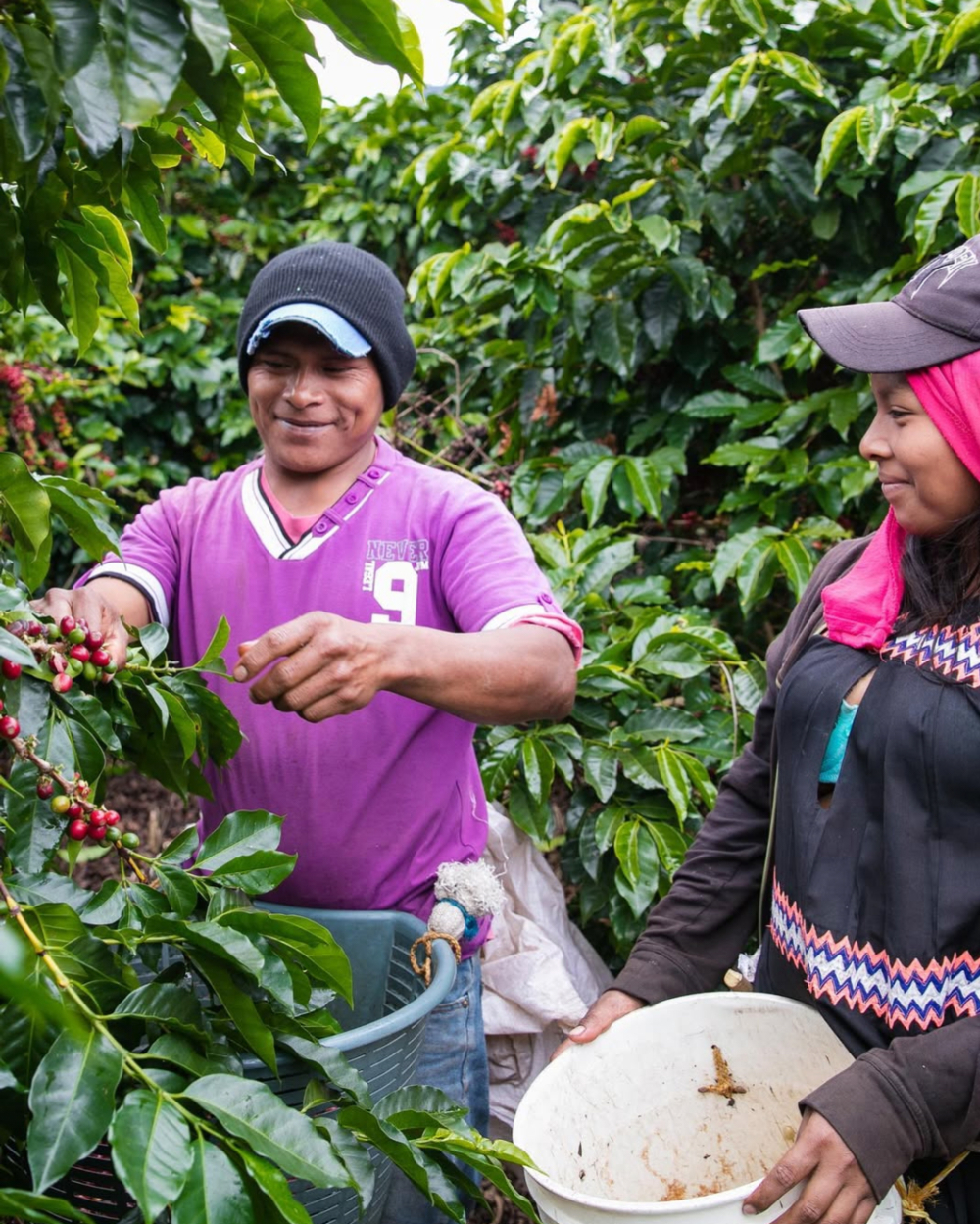
What we’re introducing today is the natural-process Catuaí coffee beans from Duncan Estate. In the Boquete region of Panama, grown at an altitude of approximately 1,650 to 1,750 meters, this coffee embodies distinct high-mountain flavor characteristics. The Kotowa Estate is extremely selective during harvesting, choosing only wine-red, fully ripe coffee cherries, and processes them quickly to avoid over-fermentation that could compromise flavor purity.
For roasting recommendations, to highlight the floral and fruity aromas as well as moderate sweetness of this natural Catuaí, a medium-light roast strategy is employed. This approach preserves the vibrant acidity while bringing out the caramelized aftertaste layers. During cupping, the dry aroma reveals soft pink-hued floral notes paired with rich fruitiness, reminiscent of cranberry, grape, and dried fruit sweetness. Upon brewing, prominent Kyoho grape and prune flavors emerge immediately, accompanied by a natural honey-like sweetness. As the temperature drops, hints of hawthorn-like acidity and brown sugar undertones gradually surface, adding further dimension and richness to the overall taste profile.
The above content is compiled by CoffeeHunters, a coffee news website.


