







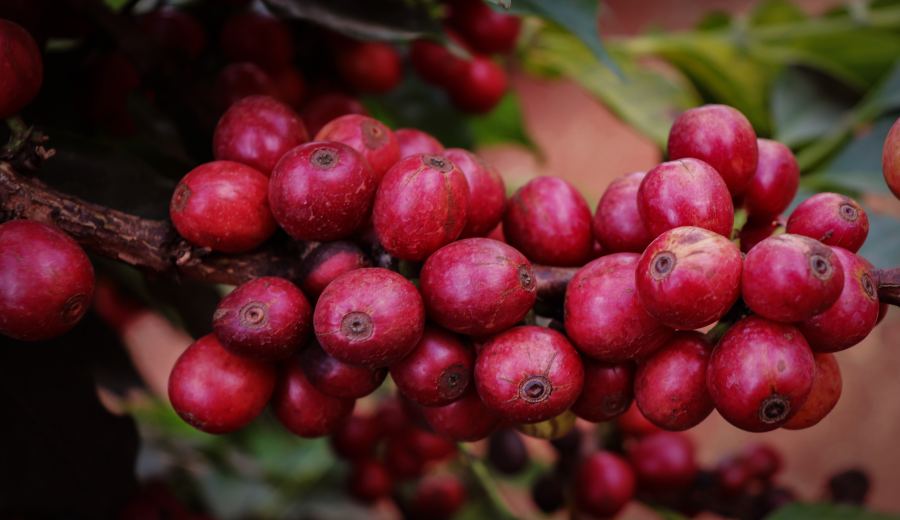
Introduction:Kenyan coffee is renowned for its bright acidity and complex layers, yet it often evokes both love and hesitation among first-timers. This article uses a popular bean as an example to delve into how the SL28 and SL34 varieties grown in the Kiambu region’s high-altitude volcanic soil environment develop a vibrant taste with tomato-like notes. In addition to explaining the impact of the 72-hour washed processing method, it also provides an in-store tested pour-over brewing guide, including specific operation steps using a V60 dripper at 91°C water temperature and a 1:15 coffee-to-water ratio, helping coffee enthusiasts brew a balanced and clean Kenyan cup at home.
Kenyan coffee has long been a classic example of polarizing flavors in the specialty coffee scene—adored by enthusiasts for its vibrant acidity and layered complexity, but often off-putting to those unaccustomed to its intense stimulation. The currently popular single-origin "Little Tomato" Kenyan coffee is produced by the Asali washing station in the Kiambu region, based on the SL28 and SL34 varieties, and crafted through a 72-hour washed process to create a bean that balances fruity aroma with clarity. This article starts with the actual information of this bean, dissecting the source of Kenyan coffee's high acidity, exploring the key influence of altitude and volcanic soil on flavor, while also introducing the historical background and cultivation advantages of the SL series varieties. Finally, it offers in-store verified pour-over extraction parameters, including details such as water temperature, grind size, and pouring rhythm, allowing you to easily recreate a refreshing Kenyan coffee at home.
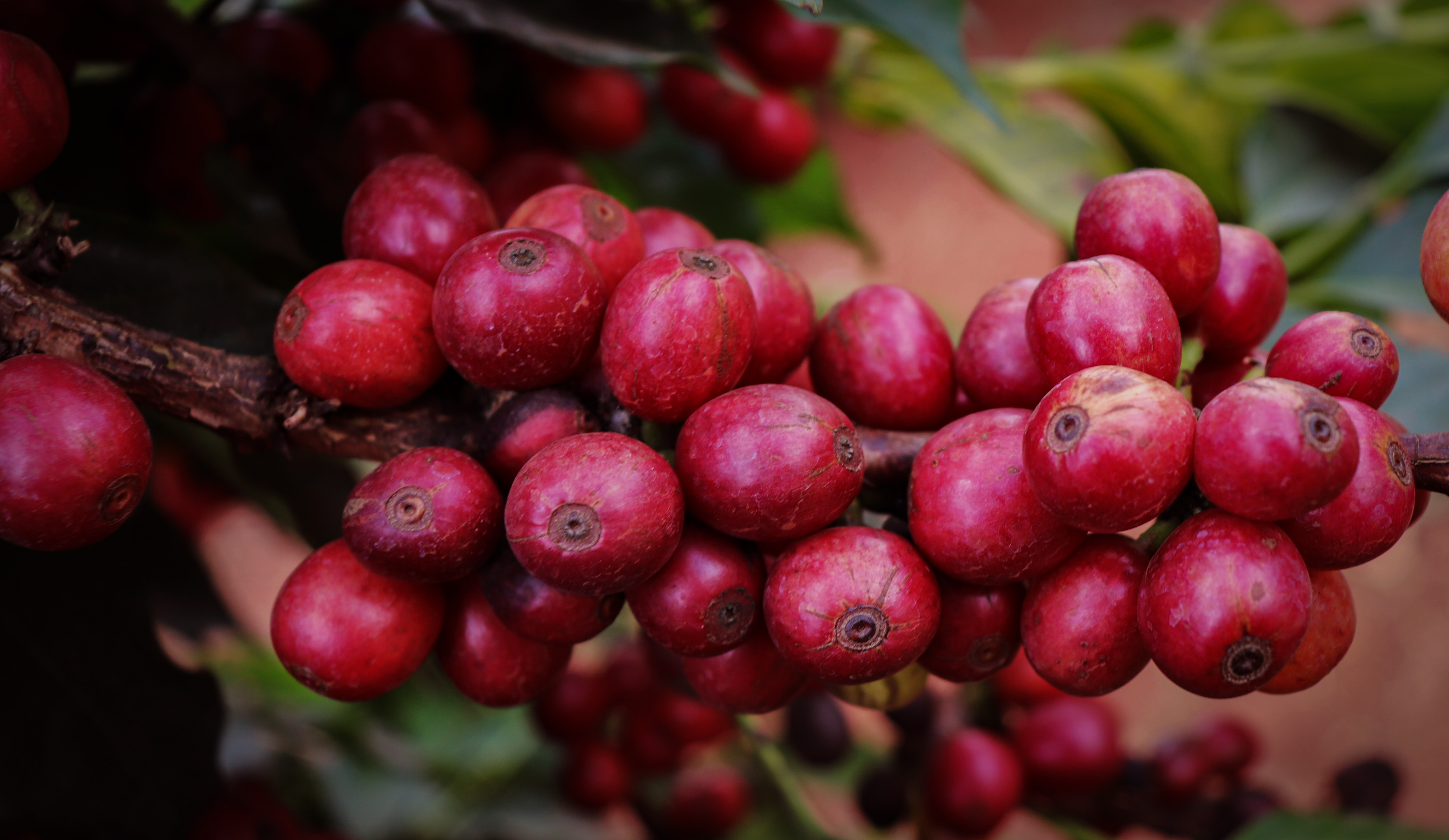
Having worked with numerous Kenyan region beans over the years, the currently available "Little Tomato" not only boasts consistent quality but is also a common single-origin choice in the market. Currently, it’s the only Kenyan coffee on our menu, and its name already hints at its flavor profile—carrying a fresh note reminiscent of small tomatoes. Below is the complete information profile of this bean:
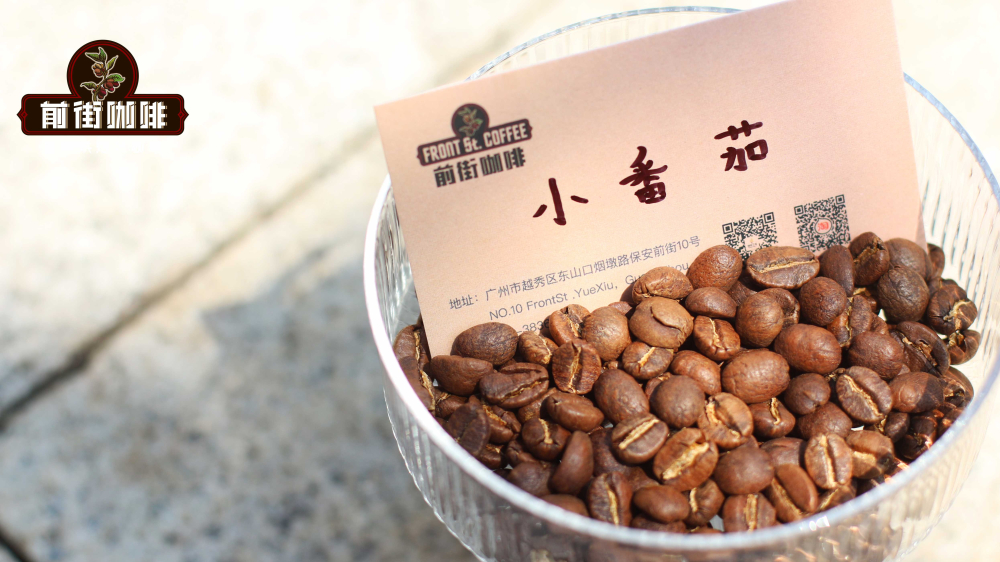
【Kenya Little Tomato AA Top】
Country: Kenya
Region: Kiambu
Washing Station: Asali Washing Station
Altitude: 1550–1750 meters
Soil: Volcanic soil
Varieties: SL28, SL34
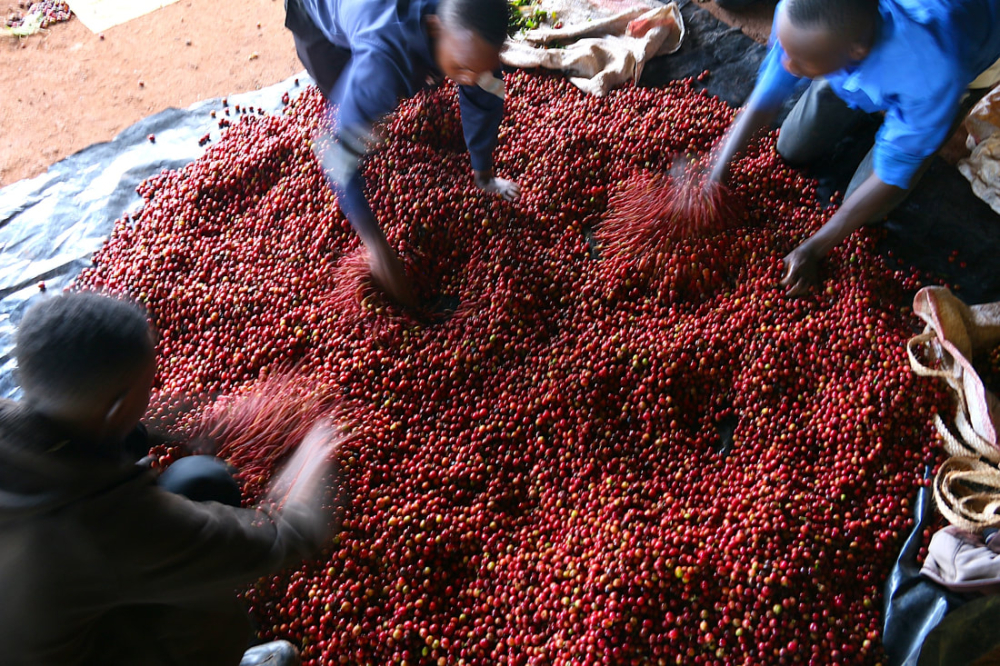
Processing Method: 72-hour washed
What are the characteristics of this bean’s flavor profile? Those familiar with Kenyan coffee can expect its rich yet delicate balance. In actual tasting, the "Little Tomato" has a medium body, with a clear caramel sweetness. Its most standout feature is its exceptionally vibrant acidity—bright and sharp, accompanied by subtle hints of small tomato flavor, as well as a distinct dark plum note. The overall flavor profile is clean without being muddled. Recently, some consumers have reported difficulty in detecting the prominent tomato-like notes, which is speculated to be related to subtle changes in the soil properties of the Kenyan growing regions. The captivating high acidity of Kenyan coffee is largely attributed to its high-altitude planting environment and the characteristics of volcanic soil.
How does altitude shape coffee flavor?
It is widely acknowledged that coffee grown at higher altitudes tends to yield higher quality beans. For example, countries like Honduras and El Salvador even classify coffee directly based on altitude. The scientific principle behind this is that as altitude increases, temperatures relatively decrease, slowing down the ripening process of coffee cherries. This slower growth allows the fruit more time to accumulate complex flavor compounds, while also increasing the density of the coffee beans, resulting in a firmer mouthfeel. High-altitude regions typically offer excellent drainage, reducing moisture content in the beans and concentrating sugars and flavors. Additionally, mountainous environments are less prone to pests and diseases such as leaf rust, leading to healthier crops. These factors collectively form the high-quality foundation of Kenyan coffee.
The critical role of volcanic soil
Volcanic soil serves as a natural nutrient treasure trove for coffee trees. Rich in minerals such as phosphorus, potassium, boron, iron, and zinc, it provides ample support for the growth of coffee trees. Volcanic soil is loose in texture and offers excellent drainage, preventing issues with root waterlogging. Notably, volcanic terrain often comes with microclimate effects, which, combined with high-altitude conditions, further optimize the ripening conditions of coffee cherries—the slow maturation process aids in the refinement of flavor compounds. The SL28 and SL34 varieties marked on the packaging may sound technologically advanced, but they are actually classic cultivars developed in the 1930s by the Scott Laboratories in Kenya (SL stands for Scott Laboratories). Although the World Coffee Research organization recognizes dozens of SL varieties, SL28 and SL34, thanks to their adaptability to local climates and outstanding cupping performance, still account for about 80% of Kenya’s exported coffee and are star varieties in the specialty coffee world.
SL28 is a tall tree with green-tipped leaves, offering stable yields and excellent cup quality. Its most notable trait is drought tolerance, but it is relatively weak against leaf rust, coffee berry disease (CBD), and soil nematodes, requiring strict management. After three years of cultivation, it begins to bear large cherries, and with proper care, the "grind loss" (referring to the loss rate of green beans after removing the parchment) is extremely low, indicating a compact bean structure. SL34 resembles SL28 in appearance, with the main difference being its dark bronze-colored leaf tips. It has slightly higher nutrient demands, lower yields, and is similarly susceptible to common diseases. These two varieties, after decades of local adaptation, have become iconic representatives of Kenyan coffee flavor.
Many first-time pour-over users of Kenyan coffee often encounter challenges: even when following recommended parameters, they end up with cups that are overly acidic or bitter, far from the flavor experienced at cafés. Below is a tested and effective standard pour-over brewing guide for the "Little Tomato," which can serve as an entry-level reference:
Pour-over Parameter Settings
Dripper: V60
Water Temperature:91°C
Coffee-to-Water Ratio:1:15
Coffee Dose:15g
Grind Size:80% passing rate through a Chinese No. 20 standard sieve(Approximately equivalent to a medium-fine grind, with a texture similar to coarse white sugar)
Step-by-Step Pour-over Guide
1. Bloom Stage: Pour 30 grams of hot water, let it sit for 30 seconds to activate the coffee grounds.
2. First Pour: Use a small stream in a circular motion (avoiding the center) to pour up to 125 grams, then pause for about 30 seconds for the first break.
3. Second Pour: When the water level is about to expose the coffee bed, continue pouring until the total reaches 225 grams, then let it sit until the water level approaches the bottom of the coffee bed again.
4. Completion of Extraction: Finally, remove the dripper, with the total extraction time controlled at2 minutes exactly(timed from the start of the bloom).
It is recommended to fine-tune the water temperature (±1°C) or grind size (finer for more body / coarser for less acidity) according to personal taste preferences, and to find your ideal balance through repeated practice.
The above content is compiled by CoffeeHunters, a coffee news website.


