







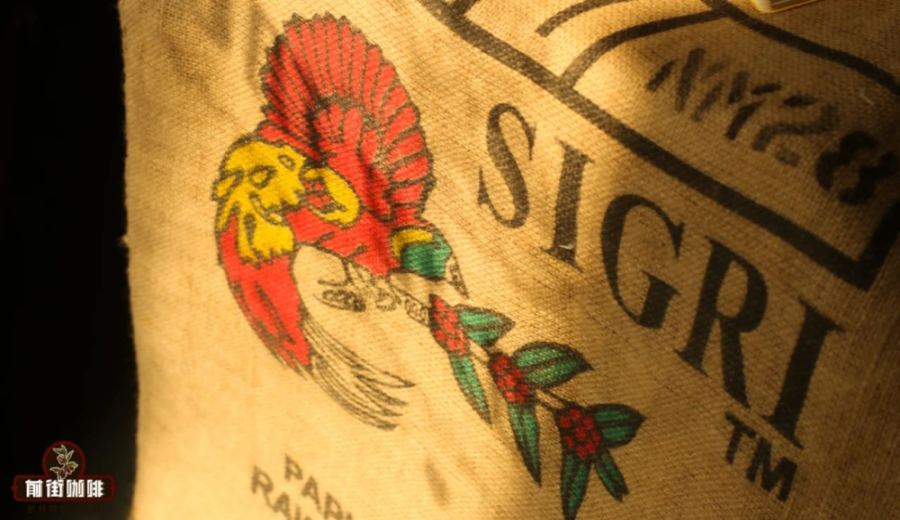
Introduction:Papua New Guinea Bird of Paradise coffee is renowned for its Typica variety and hailed as the "Little Blue Mountain," boasting unique fruity acidity and layered sweetness. This article delves into the country’s geography, historical background, regional distribution, and washed processing methods, with a focus on the Typica AA-grade beans from the Bird of Paradise Estate. It also provides expert pour-over recommendations, including the use of a Kono filter, 88°C water temperature, 1:15 coffee-to-water ratio, and specific pouring techniques to help you recreate its inviting toast-like sweetness and nutty finish at home.
Papua New Guinea is the largest island nation in the South Pacific, and its iconic Bird of Paradise coffee is celebrated as the "Little Blue Mountain" due to its Typica variety and deep connection to Blue Mountain. Unlike Jamaican Blue Mountain, which highlights bold dark chocolate and caramel notes when brewed via pour-over, Bird of Paradise coffee presents a rich yet bright profile with refreshing acidity, showcasing a distinctly different character. This article offers a comprehensive exploration of this Pacific island nation’s coffee story—from its geographical environment and industry background to regional traits, processing techniques, and grading systems—while focusing on the Typica AA-grade beans produced by the Bird of Paradise Estate. The latter part also includes practical pour-over tips, such as filter selection, water temperature control, ratio, and pouring steps, to help you effortlessly replicate its captivating toast-like sweetness and nutty finish.
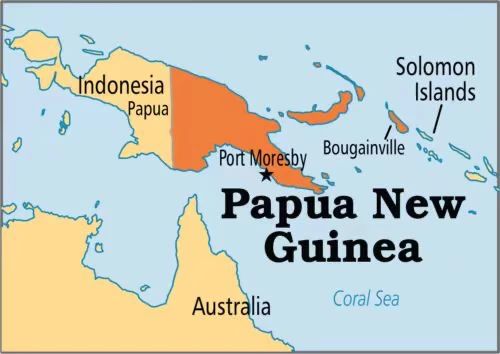
Papua New Guinea consists of the eastern part of New Guinea Island and surrounding islands, located east of Indonesia. The terrain is highly diverse: the south is dominated by plains and lowlands, the southeast comprises coastal areas, the central region features towering mountains, and the north is scattered with isolated mountain ranges. The country has significant elevation differences, with mountainous climates above 1,000 meters featuring cooler temperatures of around 16–22°C, while the remaining lowlands have a tropical rainforest climate with average annual temperatures between 21–32°C. The rainy season runs from November to April, the dry season from May to October, and the annual rainfall averages a high 2,500 mm. The region boasts an 86.4% forest coverage rate, rich in native flora and fauna, including over 6,500 plant species and 380 bird species.
Although Papua New Guinea’s economy is primarily driven by mining—with resources like gold, copper, oil, and natural gas holding significant global market positions—the relatively high returns from mining have somewhat hindered the development of the coffee industry. Compared to Brazil, where coffee is a national economic pillar, Papua New Guinea’s coffee sector does not enjoy the same advantages in resource allocation or policy support, leading to past market skepticism about its quality and yield stability. However, in recent years, the output from the Bird of Paradise Estate has demonstrated consistent performance, with multiple cuppings confirming its market-attractive flavor profile, gradually drawing attention from the specialty coffee market.
As early as 1511, the Portuguese arrived and named the island New Guinea, due to the resemblance of its inhabitants’ skin color to those of Equatorial Guinea in Africa. Genetic research indicates that the indigenous people of New Guinea are of pure Mongoloid descent. In 1884, the island was divided among European powers: the Netherlands occupied the west (later becoming Indonesia’s Papua Province), the southeast was controlled by Britain, and the northeast was governed by Germany. In 1906, the British portion was handed over to Australia, and after World War I, German influence withdrew, with the northeast also coming under Australian administration. The 141st meridian east served as the boundary, with the western half belonging to the Netherlands and the eastern half to Australia.
In 1931, the Typica variety from Jamaica was introduced to Papua New Guinea. Given the close ties between Australia and Britain at the time—and since Blue Mountain coffee is the classic representative of Jamaican Typica—Papua New Guinea was able to cultivate the same variety, laying the foundation for its later reputation as the "Little Blue Mountain." Subsequent introductions included Bourbon in 1950, New World and Caturra in 1962, and large-scale plantings of Typica and Caturra in the 1970s, gradually establishing the country’s specialty coffee foundation. By 1975, Papua New Guinea officially gained independence from Australia, splitting into the eastern Papua New Guinea and the western Papua region governed by Indonesia, creating a "one island, two nations" scenario.
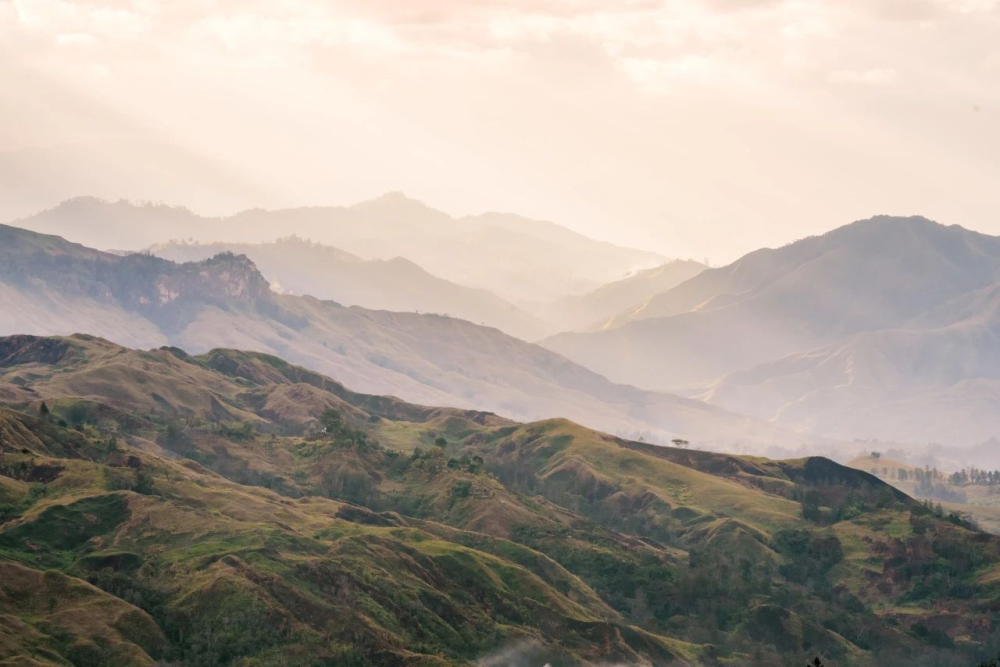
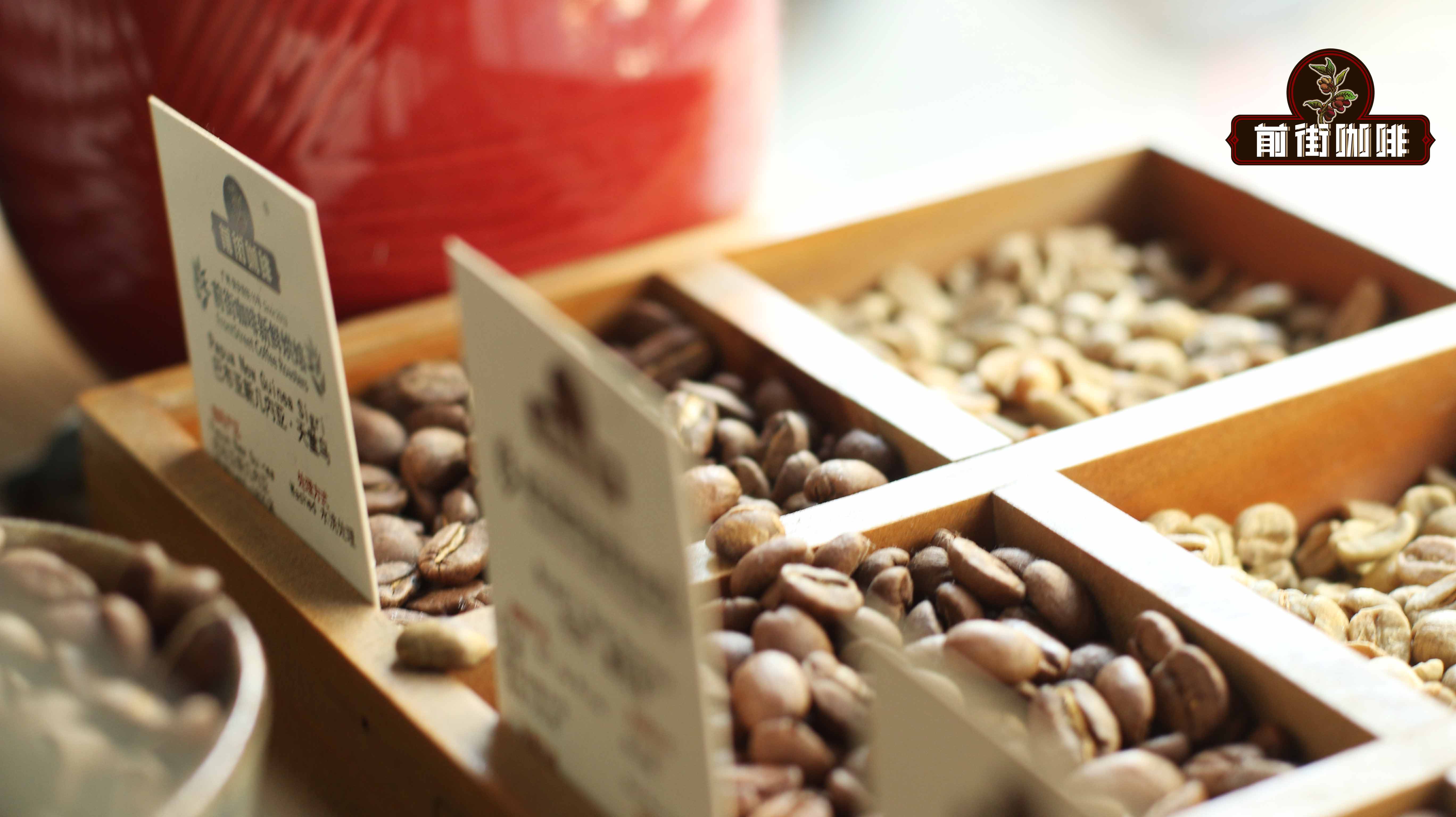
Coffee cultivation in Papua New Guinea is primarily concentrated in high-altitude highland regions, especially in Eastern and Western Provinces. Eastern Province’s Goroka and Kainantu are two major producing areas, with notable estates such as Arona and Purosa. Western Province centers around Mount Hagen, particularly the Wahgi Valley, where fertile volcanic soil, cool climates, and moderate rainfall make it the home of the Bird of Paradise Estate. The region’s coffee is mainly grown by smallholders, with approximately 85% of production coming from small farms that share processing facilities and techniques through cooperatives. Though geographically in Southeast Asia like Indonesia, the difference in varieties and processing methods results in brighter acidity and fruitiness—rather than the deep, heavy profiles common in Indonesian coffees.
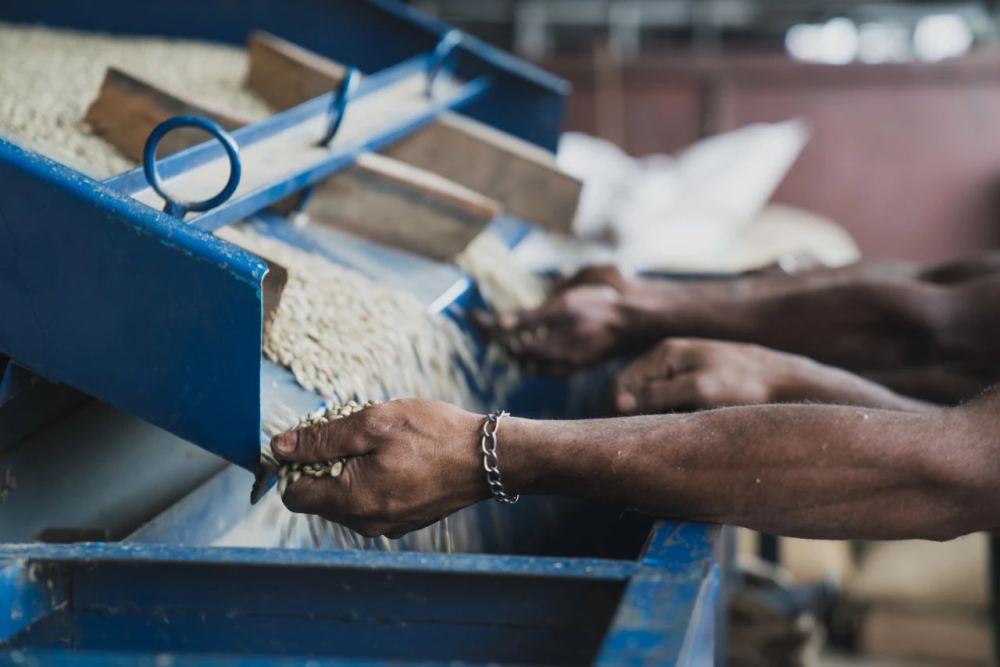
Coffee processing in Papua New Guinea predominantly uses the washed method, though slightly differing from traditional Central and South American techniques. The local practice involves triple-water fermentation of harvested ripe red cherries, each cycle lasting about 24 hours with fresh water changes to avoid off-flavors. After fermentation, the beans are depulped, then graded by size and defect rate, with common grades including AA, AB, and PB (peaberry). This meticulous process yields coffee with bright acidity, delicate sweetness, and a clean aftertaste. The strict grading system also ensures uniform bean size, reducing roasting color variations and enhancing overall extraction consistency and flavor expression.
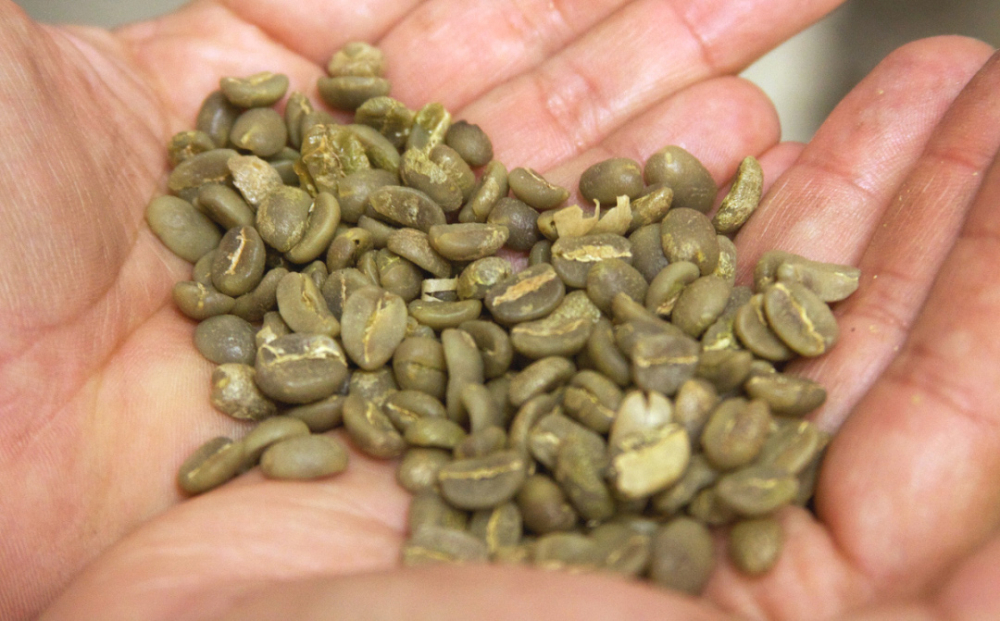
Papua New Guinea’s coffee bean naming conventions typically include the country, cultivation type, and grade. Cultivation types are categorized as Plantation, Large Estates, and Small/Medium Holdings or Blocks. Plantations and large estates account for 25% of national production, while small to medium farms (10–20 hectares) make up about 10%. In terms of quality grades, AA is premium-grade, with beans larger than 18 mesh, elliptical shape, no more than 10 defects per kilogram, a greenish-blue appearance, and a cupping score of "Fine Cup"; A-grade beans are larger than 17 mesh, with a cupping score of "Good to Fine." These grading systems help consumers identify coffee quality and characteristics.
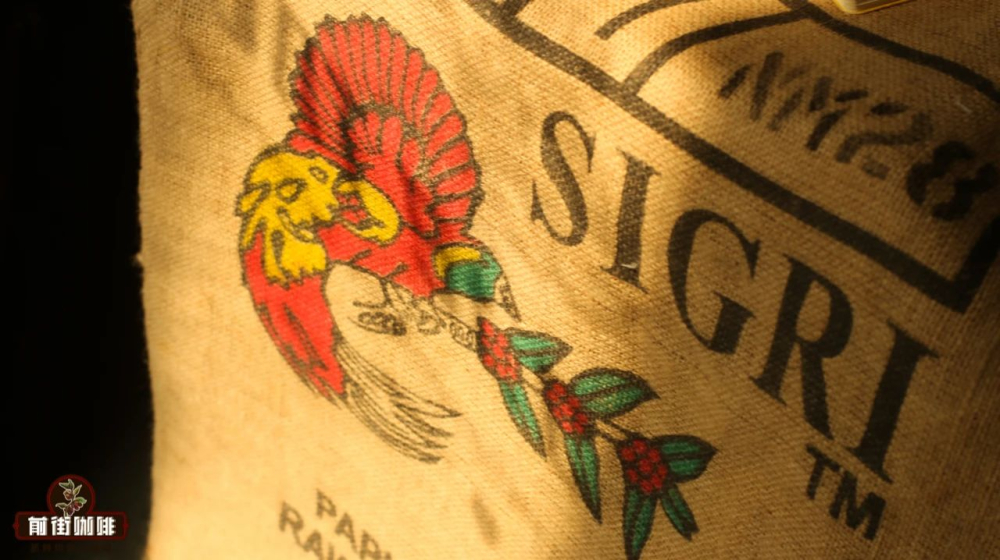
The Bird of Paradise Estate is located in the Waghi Valley of Western Highlands Province, Western Province, at elevations between 1,500–1,800 meters. The area features mineral-rich volcanic soil, a cool climate, abundant rainfall, and year-round cloud cover, creating ideal coffee-growing conditions. Established in 1950, the estate is one of the pioneers of the local coffee industry and is known for its eco-friendly farming practices, strictly avoiding pesticides and insecticides to preserve the surrounding ecosystem and bird habitats. According to records, the Wahgi Valley is home to over 160 bird species, with 90 observed at the Bird of Paradise Estate—including Papua New Guinea’s national bird, the bird of paradise—hence its name. This place is not only a coffee haven but also a paradise for birdwatchers.
The Typica coffee at the Bird of Paradise Estate follows high-standard planting and harvesting processes. During the harvest season from April to September, only fully ripe red cherries are handpicked to ensure balanced acidity and sweetness. Daily cuppings are a key quality control measure, ensuring consistent high quality across batches. The estate’s Typica AA-grade beans, with their unique layered acidity and complex sweet aroma, are a must-try for specialty coffee enthusiasts. The estate’s coffee has undergone multiple cuppings, earning recognition for its stable and distinctive flavor profile, making it a recommended choice.
This Bird of Paradise coffee is recommended for medium-dark roasting to highlight its bright acidity and fruity notes. For pour-over, use a Kono filter—their unique low-rib design allows the paper to adhere tightly, effectively slowing water flow and extending contact time to enhance body and extraction. Suggested water temperature is 88°C, which helps avoid potential off-flavors from darker roasts, especially suited for medium-dark beans. Use 15 grams of coffee at a 1:15 coffee-to-water ratio, with grind size benchmarked at 80% passing through a 20-mesh sieve (Chinese standard), roughly medium-fine.
Specific brewing steps: Start with a 30-second bloom using 30 grams of water to activate the coffee’s aroma. Then pour in a slow circular motion until reaching 125 grams for the first pour. When the water level nearly exposes the coffee bed, continue pouring to 225 grams to complete extraction, keeping total brew time around 2 minutes. This segmented pouring technique ensures even extraction while preserving the coffee’s layered complexity and delicate finish.
In terms of flavor, this Bird of Paradise coffee delivers sweet toast-like aromas, nutty tones, and gentle fruity acidity with distinct layers. The aftertaste carries a unique spicy sweetness, offering a rich yet balanced cup—perfect for coffee lovers who enjoy both fruitiness and sweetness. Whether for everyday drinking or exploring the world of specialty coffee, these Typica AA-grade beans from Papua New Guinea’s Bird of Paradise Estate are a choice worth savoring.
The above content is compiled by CoffeeHunters, a coffee news website.


