







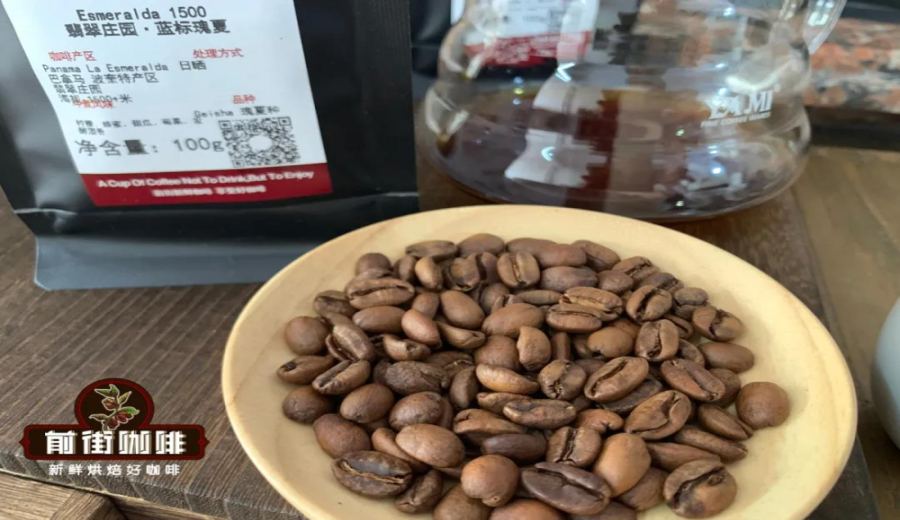
Introduction:The Geisha coffee beans from Panama's Hacienda La Esmeralda are divided into three grades: Red Label, Green Label, and Blue Label, each with its own positioning and flavor characteristics. Among them, the Blue Label has become the top choice for many coffee beginners to try Geisha due to its relatively high cost-performance ratio. In 2021, Hacienda La Esmeralda suddenly discontinued the Blue Label, sparking widespread market discussion. This article delves into the differences between the Red, Green, and Blue Labels, and traces the whereabouts of the 2021 Blue Label, uncovering the background and truth behind its re-emergence under the name Las Rocas.
In the world of specialty coffee, the Geisha coffee from Panama's Hacienda La Esmeralda is undoubtedly an iconic presence. Its delicate floral aroma, bright fruity acidity, and rich layers have earned it numerous accolades in international competitions. To meet the needs of different consumer groups, Hacienda La Esmeralda divides its Geisha into three major grades: Red Label, Green Label, and Blue Label. Among them, the Blue Label, with its relatively affordable price and stable flavor profile, has become the entry-level choice for many coffee enthusiasts wanting to try Geisha.
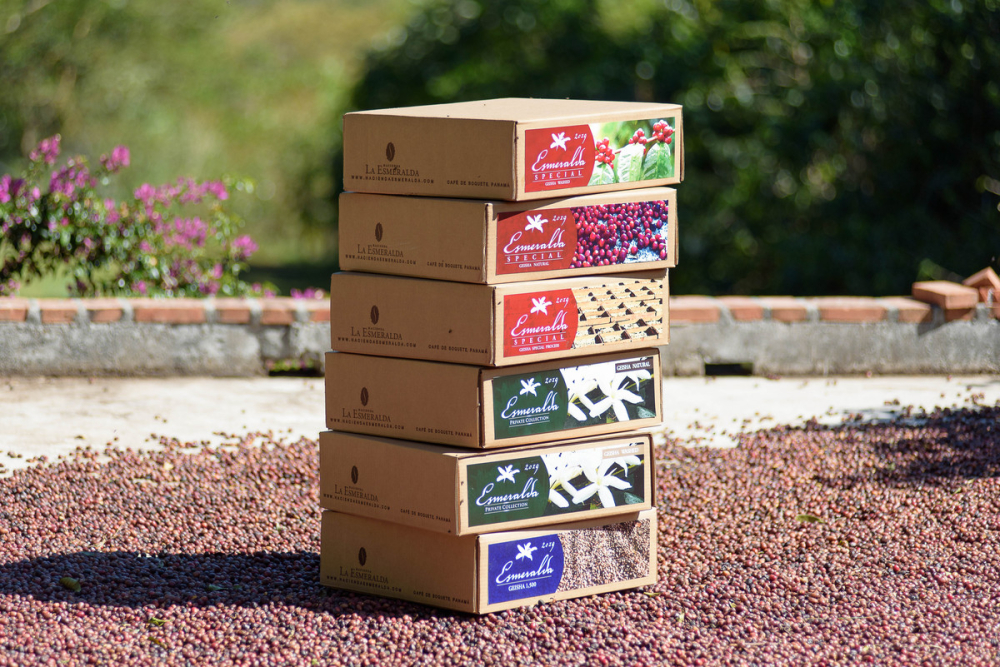
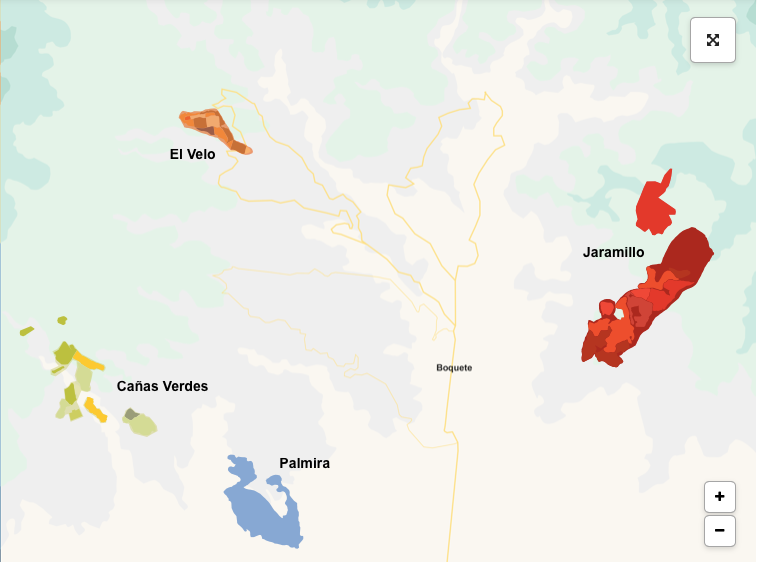
The Red Label Geisha can be considered the flagship representation of Hacienda La Esmeralda. It primarily uses Geisha beans sourced from the Jaramillo and Cañas Verdes regions, grown at altitudes between 1600 and 1800 meters. These beans must undergo strict selection, with cupping scores of 90 or above, to be classified under this grade. The Red Label is divided into auction and non-auction categories. Although auction batches are expensive, the non-auction Red Label also comes from the same premium lots, thus offering similar quality—making it suitable for consumers who want to experience top-tier flavors without paying a premium. Common processing methods include washed and natural, with flavor profiles dominated by fresh floral notes and citrus tones, bright acidity, and a sweet aftertaste.
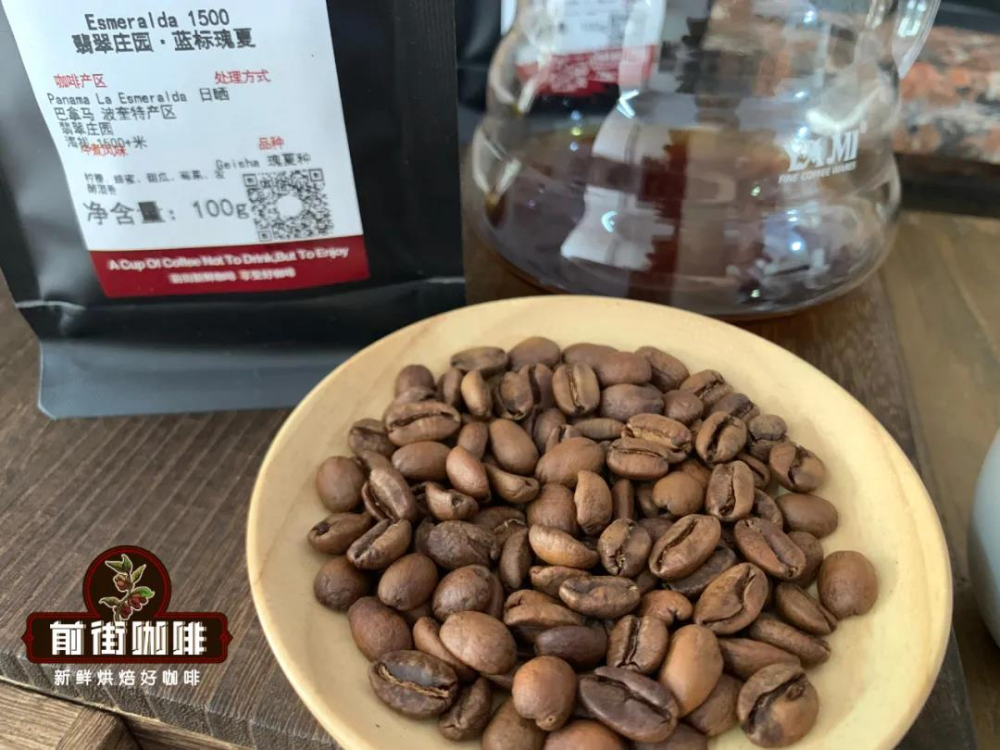
The Green Label Geisha belongs to the secondary premium batch. Though it does not participate in independent auctions, it still maintains a very high quality standard. Its beans also come from regions such as Jaramillo and Cañas Verdes, at altitudes of around 1600 to 1800 meters, but it consists of mixed micro-lots, making it impossible to trace a single origin. For this reason, some vintages of the Green Label may closely resemble the Red Label in flavor, while others may show differences, adding an element of fun to the tasting experience. The Green Label also offers both washed and natural processing methods, with flavor characteristics that include rich floral and fruity notes, as well as gentle acidity. It has a full-bodied mouthfeel and is a popular everyday drinking choice among many Geisha enthusiasts.
As for the Blue Label Geisha, commonly referred to as "Geisha 1500," it is the most affordable among the three grades. This coffee is made from a blend of lots sourced from Jaramillo, Cañas Verdes, and El Velo, grown at altitudes ranging from 1400 to 1500 meters. Although the altitude is lower, it still retains the fundamental flavors of the Geisha variety. The Blue Label offers both washed and natural processing methods, with flavor profiles characterized by soft floral notes, pronounced fruity acidity, and moderate sweetness. The overall mouthfeel is relatively refreshing—not as intense or full-bodied as the Red or Green Labels—but it is a very approachable entry-level option for those trying Geisha for the first time. This grade has long been favored by users seeking good value for money.
However, by 2021, many coffee enthusiasts noticed that Hacienda La Esmeralda had not released the Blue Label Geisha series, leading to much market speculation. In fact, in 2020, Hacienda La Esmeralda had announced plans to release a sun-dried version of the Blue Label, raising hopes among many consumers of experiencing different processing methods of Geisha at a more affordable price. But the following year, the official brand neither mentioned the Blue Label nor provided further clarification, leading many to suspect that the series had been permanently discontinued.
After extensive verification, it was confirmed that Hacienda La Esmeralda indeed did not release the usual Blue Label Geisha in 2021. So where did the Blue Label beans originally intended for that year go? Incorporating them into the Red or Green Labels would not only confuse market positioning but could also affect brand credibility. Moreover, if there had been issues with the Geisha trees that year, the impact should not have been limited to just the Blue Label series.
The answer emerged at the end of September 2021. At that time, a Panamanian Geisha coffee named "Las Rocas" appeared on the market. At first glance, its appearance and information seemed like those of a new brand, but upon closer investigation, it turned out that these coffee beans were actually from the lots originally intended by Hacienda La Esmeralda for the Blue Label. In other words, the Blue Label did not truly disappear—it re-entered the market under the new name Las Rocas.
This batch of Geisha labeled as Las Rocas was also processed using the washed method, handled by the original team at Hacienda La Esmeralda to ensure quality comparable to the previous Blue Label. Although the brand name changed, for consumers familiar with the flavor of the Blue Label, this was undoubtedly welcome news. For coffee enthusiasts who wanted to experience the flavor profile of the Blue Label grade but missed the official 2021 release, Las Rocas is undoubtedly a worthy alternative to try.
In summary, the Red Label, Green Label, and Blue Label not only represent different price points but also embody combinations of varying altitudes, growing regions, and processing methods. The Red Label is presented in both auction and non-auction forms, showcasing the pinnacle performance of top-tier Geisha; the Green Label retains the classic flavors of Geisha through blended micro-lots, offering a diverse tasting experience; and the Blue Label (or Las Rocas) provides a more accessible price point, allowing more people to enjoy the charm of Geisha. Understanding the differences among these three helps consumers make more informed purchasing decisions and appreciate the diverse facets of Panamanian Geisha more deeply.
The above content is compiled by CoffeeHunters, a coffee news website.


