







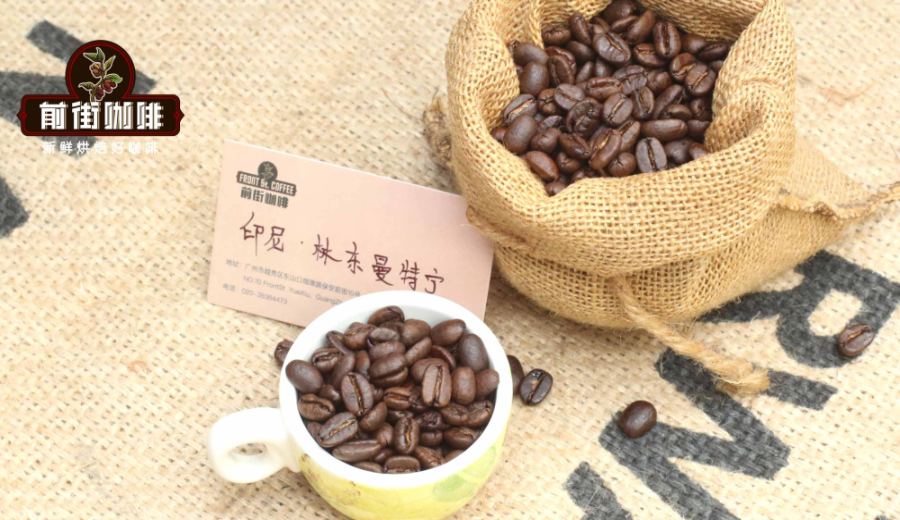
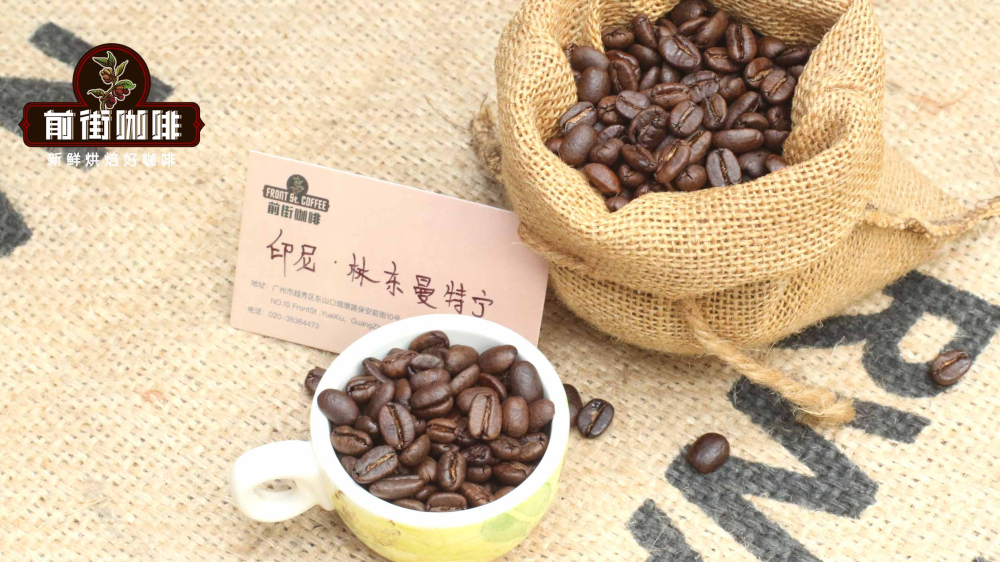
Introduction:The Golden Mandheling G1 washed beans from Sumatra, Indonesia, are renowned for their rich, full-bodied flavor and distinctive spicy notes, making them a popular choice for many coffee enthusiasts just starting out. This article will provide a detailed explanation of the grading and packaging information for PWN Golden Mandheling, along with professional pour over brewing recommendations suitable for medium-dark roasts. These include filter cone selection, grind size, water temperature control, and pulsed pouring techniques to help you brew a clean, bold, and layered cup of coffee at home.
Within Asia’s specialty coffee landscape, Sumatra, Indonesia has always held an important place. The Mandheling coffee produced here is known for its heavy, rich aroma and low acidity with bright highlights. Among these, the Golden Mandheling G1 washed beans selected and produced by PWN are regarded as the pinnacle representation of this region. This coffee not only receives consistent praise in international competitions but is also a classic choice among many pour over enthusiasts. This article will take you deep into understanding this freshly imported Golden Mandheling—from its official Indonesian grading, packaging label details, to brewing parameters and flavor profiles—offering a complete and practical brewing guide.
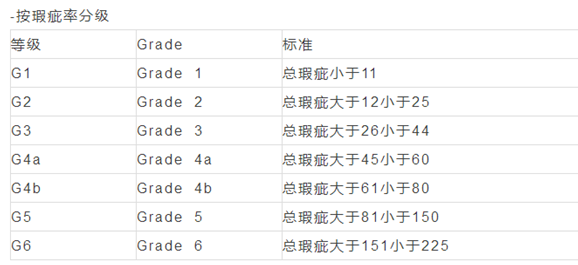
Indonesia’s coffee grading system is known for its rigor, primarily evaluating beans based on the ratio of defective beans, supplemented by bean size as a reference. The country categorizes green beans into six grades from G1 to G6, with G1 being the highest grade, indicating no more than 11 defective beans and serving as the entry threshold for specialty coffee. In addition, some higher-grade Indonesian beans also indicate screen size, such as Golden Mandheling commonly being labeled as 17 or 18 mesh, signifying plump and uniform bean size. Going further, there are advanced batches that have undergone double (Double Picked) or triple (Triple Picked) manual sorting, meaning they have been more strictly selected, with fewer defects and more stable quality.
Taking the PWN Golden Mandheling that arrived in December 2020 as an example, the packaging of this fresh seasonal lot clearly displays multiple key pieces of information. First is the brand logo PWN, representing the historic Pawani Coffee Company of Indonesia; the product name is GOLDEN MANDHELING, widely recognized as Golden Mandheling; the nearby TRIPLE PICKED wording indicates it has undergone three rounds of manual sorting to ensure high-quality standards for each bean. Additionally, the label COFFEE ARABICA clearly states it is of the Arabica variety, while GRADE 1 once again emphasizes its top-tier G1 classification with strict defect control.
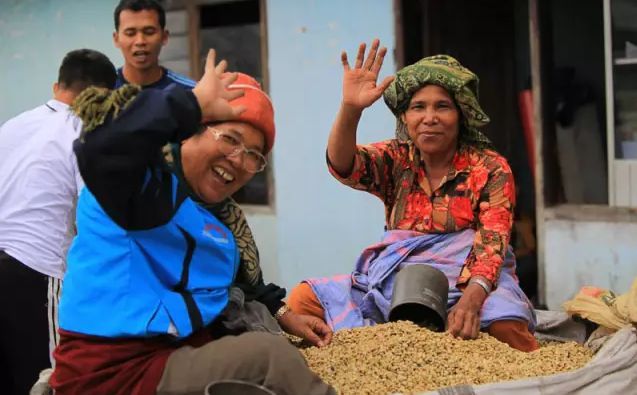
The packaging also notes PROD.OF INDONESIA, indicating production in Indonesia, with a weight of 30 KGS NET, which is approximately 30 kilograms including the jute sack. The EXP: 10.2024 label reminds consumers that the optimal flavor period for this batch is until October 2024, corresponding to the October 2020 harvest season. In the past, PWN mostly used Typica variety beans from the Sidikalang region of Sumatra, but due to recent local genetic modifications aimed at increasing yield leading to flavor decline, production has now shifted to the Gayo Mountains in Aceh Province, where Ateng variety beans are grown to maintain stable flavor and high quality standards.
In terms of roasting and extraction, Golden Mandheling exhibits a rich yet balanced profile. Its dry aroma carries distinct herbal and spicy notes, and when hot brewed, it releases a rich caramel sweetness. The acidity is soft and layered, the sweetness is full without being cloying, and the finish is accompanied by subtle hints of chocolate and spicy flavors. Compared to traditional Sidikalang Mandheling, which requires roasting into the second crack to suppress off-flavors, Golden Mandheling can achieve good cleanliness and sweetness before the start of the second crack, giving roasters more flexibility to bring out its potential.
To fully showcase the characteristics of this medium-dark roasted bean, it is recommended to use a KONO filter cone for pour over. This filter cone was originally designed to mimic the rich mouthfeel of a cloth drip, effectively retaining coffee oils and aromas. The recommended grind size is medium-coarse, approximately 75% through a standard #20 sieve, which equates to a medium-coarse level for pour over. The suggested powder-to-water ratio is 1:15; using 20 grams of coffee as a base, this helps concentrate the overall flavor and make it more robust. The water temperature is advised to be around 87°C, which helps balance acidity and sweetness while ensuring efficient extraction.
For the actual pour over steps, first wet the filter paper and preheat the decanter and filter cone. Then spread the coffee grounds evenly in the filter cone, gently tap to flatten the surface to avoid obstructing the blooming gas release. In the first stage, slowly pour about 40 grams of water in a circular motion centered on the grounds for blooming, for about 30 seconds. During this time, the coffee bed will gradually expand into a fluffy, burger-like shape. In the second stage, pour water in a circular motion from the center outward, totaling about 120 grams, paying attention to pour speed and height to avoid excessive agitation affecting flow rate. In the final stage, pour another 100 grams of water, and once the coffee liquid in the filter cone has completely dripped through, the extraction is complete. The entire process takes about two minutes, yielding a Golden Mandheling with a rich, full-bodied mouthfeel and clear layers.
In terms of flavor, this PWN Golden Mandheling is noticeably cleaner compared to traditional Sidikalang-grown beans, with almost none of the common herbal, earthy, or woody off-notes. Instead, it offers warm caramel sweetness paired with soft yet well-defined fruit acidity, and the finish carries a hint of spice and dark chocolate notes. The overall flavor profile is full-bodied and long-lasting. Whether you’re a coffee beginner or a seasoned pour over enthusiast, you can experience the unique charm and depth of Sumatran coffee through this classic Indonesian bean.
The above content is compiled by CoffeeHunters, a coffee news website.


