







Introduction:This article delves into the three Geisha grades of Panama’s Finca Esmeralda: Red Label, Green Label, and the former Blue Label. It analyzes their regional characteristics, processing differences, and flavor profiles, while providing comprehensive V60 pour over parameters—covering water temperature, grind size, and pouring techniques—for the Blue Label washed beans. These insights help coffee enthusiasts precisely capture Geisha’s bright acidity and complex fruity-floral notes.
Panama’s Finca Esmeralda shot to fame in the 2004 “Best of Panama” (BOP) competition with its Geisha variety. That year, an unheralded Geisha entry stunned the global specialty coffee world by winning with an average cupping score of 94.6. Since then, Geisha has not only become a star in the auction market but also elevated Finca Esmeralda to the ranks of the world’s top coffee estates. This article focuses on the estate’s most iconic Geisha Blue Label washed beans, guiding you through its grade classification, flavor distinctions across series, and practical pour over extraction parameters—so you can brew at home with the same bright fruit acids and delicate floral notes that define Geisha.
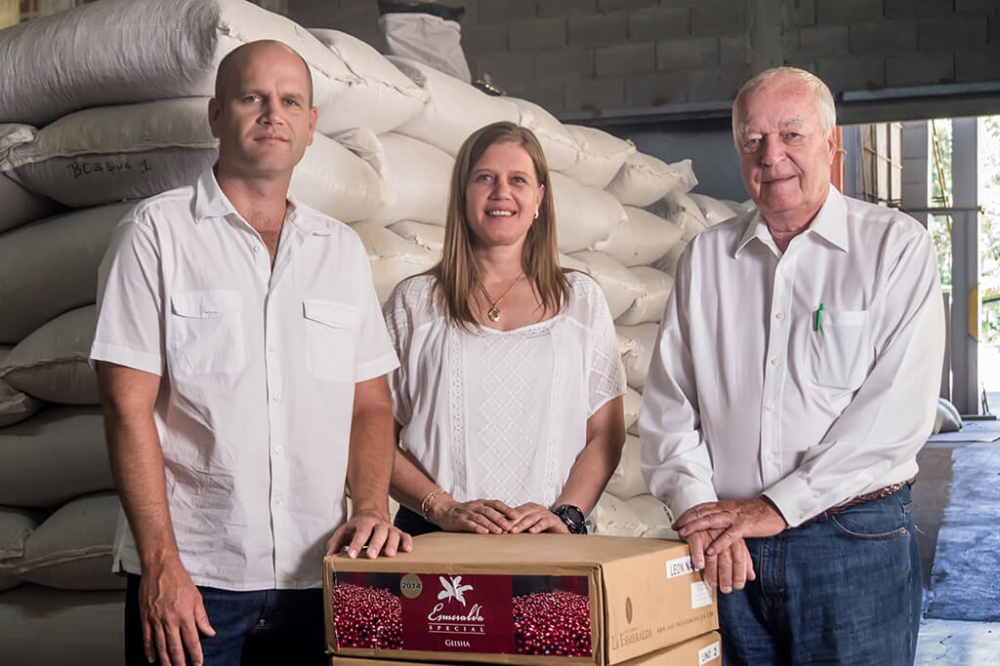
 Finca Esmeralda’s Geisha lineup is primarily divided into three grades: Red Label (Esmeralda Special), Green Label (Private Collection), and Blue Label (Geisha 1500). The Red Label is the highest tier, sourced from specific high-altitude micro-lots, each with an independent batch number and limited to a single plot. It typically features intense floral, black tea, and berry notes, often processed via natural methods, resulting in rich and complex flavors. The Green Label blends Geisha from various micro-lots without a single-plot designation but retains the high-altitude Geisha’s refreshing qualities. It’s commonly washed, offering a cleaner profile highlighted by white floral, citrus acidity, and honey sweetness.The Blue Label was once an entry-level Geisha, known for its clear citrus notes, white floral tones, and honey sweetness. It was previously favored by those new to Geisha’s flavors. However, according to official information,it was discontinued after 2021, and the official website now lists only the Red and Green Labels.
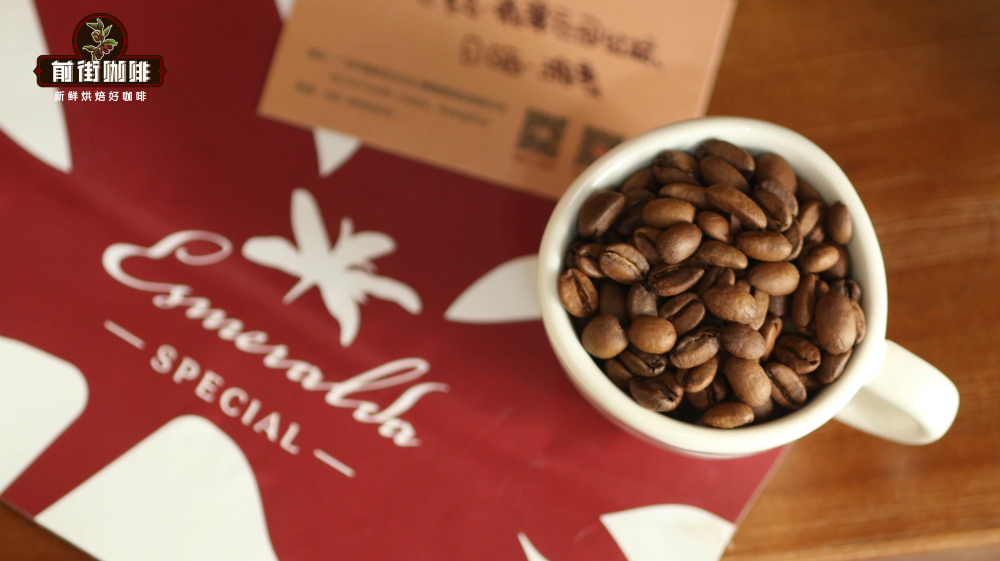
 Red Label Geisha is typically processed naturally, allowing the coffee cherries to slowly dry under the sun for full fermentation, enhancing the coffee’s juicy body and layered richness. Most purchased Red Label batches come from the Mario plot, grown at altitudes of 1,600 to 1,800 meters, with cupping scores exceeding 91. Flavor profiles often include ripe strawberries, rose blossoms, black tea, and pomelo acidity with sweetness, finishing with distinct berry sweetness. It suits drinkers who enjoy intense floral-fruity notes. The Green Label Geisha, though also from high-altitude regions, blends multiple micro-lots and is primarily washed, offering a relatively refreshing profile. It highlights jasmine, ginger lily, and other white floral notes, paired with clean acidity from lemon and sweet orange, along with a Tieguanyin-like tea finish. Overall, it presents a more balanced and understated cup, ideal for daily drinking or newcomers to Geisha.
As for the former Blue Label Geisha, it served as the entry-tier option in Finca Esmeralda’s Geisha series, with a clear flavor focus on citrus fruit acidity, white florals, honey sweetness, and green tea-like aftertaste. It was a gateway choice for many coffee lovers exploring Geisha. Though no longer produced, small inventories can still be found at relatively accessible prices. Previously, freshly roasted Blue Label washed beans cost about 108 yuan per 100 grams, with a café-brewed cup priced around 30 yuan (based on a 15g dose)—an affordable way to experience Geisha’s foundational flavors.
 Beyond the Geisha series, Finca Esmeralda also offers the highly cost-effective “Diamond Mountain” brand, featuring the Catuai variety grown in Panama’s Boquete region at altitudes between 1,400 and 1,700 meters. Commonly processed naturally, it showcases bright fruit acids, tropical fruit tones, and a smooth body—perfect for coffee enthusiasts who love vibrant fruitiness but have budget constraints.
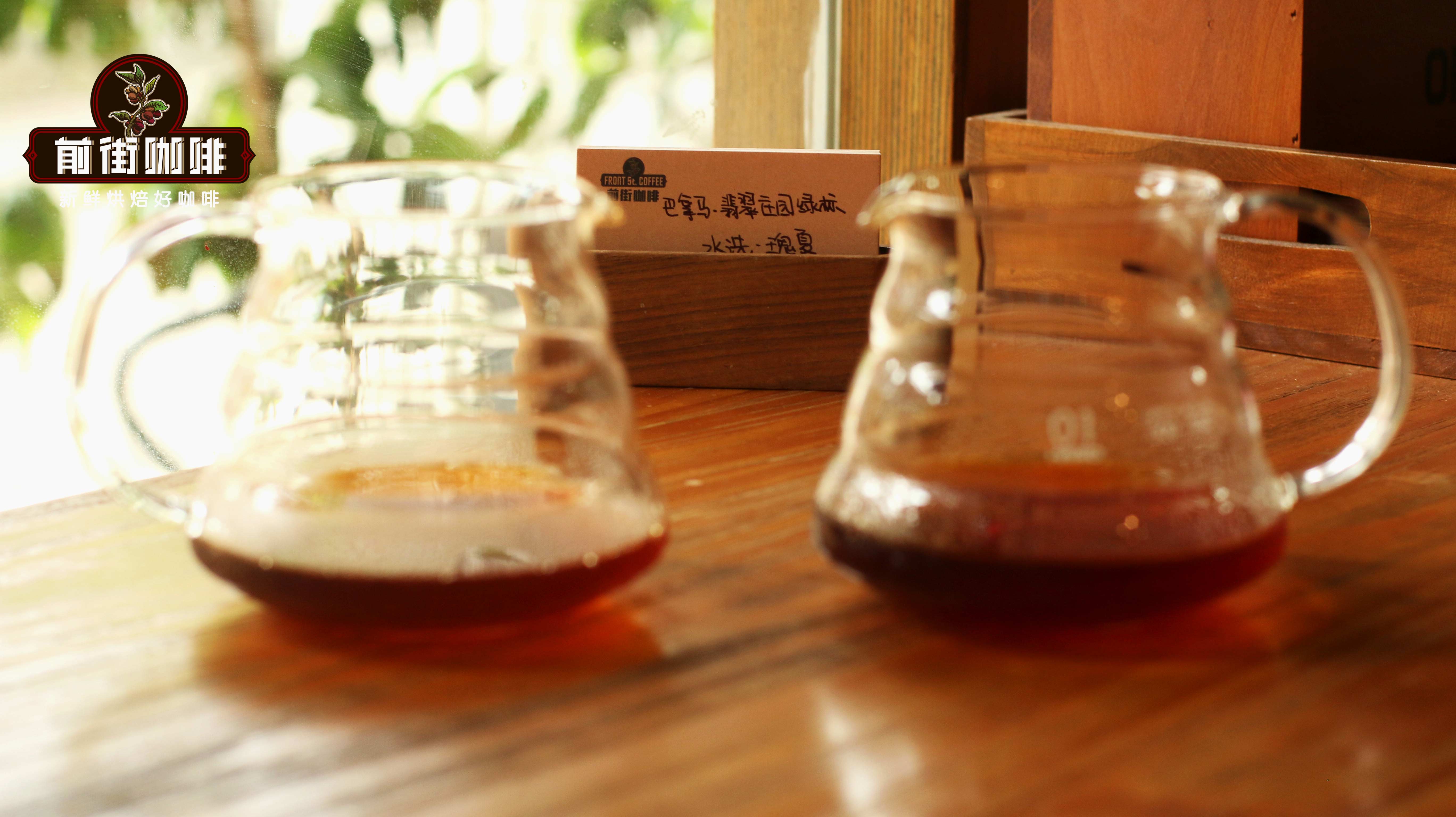
For the Blue Label Geisha washed beans, here are recommended V60 pour over parameters suitable for most enthusiasts aiming to replicate its fresh floral-fruit character. Use a V60 #1 filter, with a dose of 15g and a 1:16 brew ratio, totaling 240g of water. Set the water temperature to 91 to 92°C, and grind size to that of superfine sugar—approximately 80% extraction through a 20-mesh sieve, or medium-fine. This helps highlight acidity and aroma.
The suggested pour over method follows a classic three-stage extraction: First, place 15g of coffee grounds in the filter and pour 30g of hot water for a 30-second bloom. Use a gentle stream, circling from the center outward to ensure even saturation. In the second stage, pour 120g of water using a slightly larger, steady stream, moving vertically and consistently from the center out. Aim to reach the 55-second mark with a cumulative 150g of water. In the third stage, wait for the liquid level to drop slightly, then pour the final 90g with a small stream and tight circles to avoid over-extraction from excessive agitation. Complete the brew in approximately 2 minutes and 10 seconds. Gently swirl the server afterward to balance flavors before serving.
The above content is compiled by CoffeeHunters, a coffee news website.


