







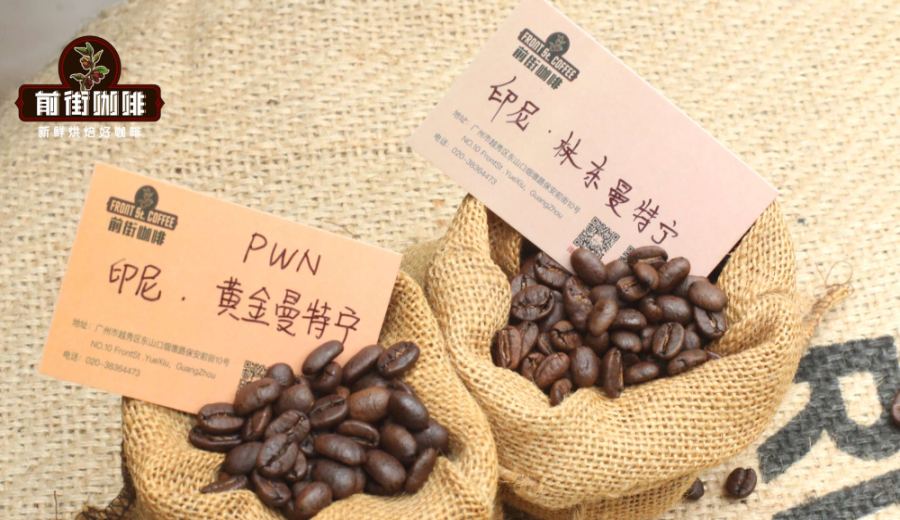
Introduction:An in-depth exploration of the origin characteristics of Indonesia's Sumatra Golden Mandheling G1 washed beans, the rigorous selection process by PWN, and how the wet-hulling method contributes to its unique woody and spicy flavor profile. This article starts with the geographical climate and cultivation background, introduces the flavor expression under medium-dark roasting, and provides practical KONO filter pour over parameters to help you fully experience the charm of this classic bean.
When it comes to coffee from Sumatra, Indonesia, Mandheling is undoubtedly the most representative variety. Among the various Mandhelings, the Golden Mandheling G1 washed beans launched by PWN are regarded as the premium benchmark of the region due to their stable quality and distinctive flavor profile. This article will begin with the geography and climate of Sumatra, explore the growing environment in the high-altitude regions of Aceh and North Sumatra, analyze the roles of the Mandailing, Batak, and Gayo ethnic groups in coffee production, and delve into how PWN, through a strict selection system combined with Indonesia’s unique wet-hulling processing method, shapes this classic bean with prominent woody aromas, accented by spices and herbal notes.
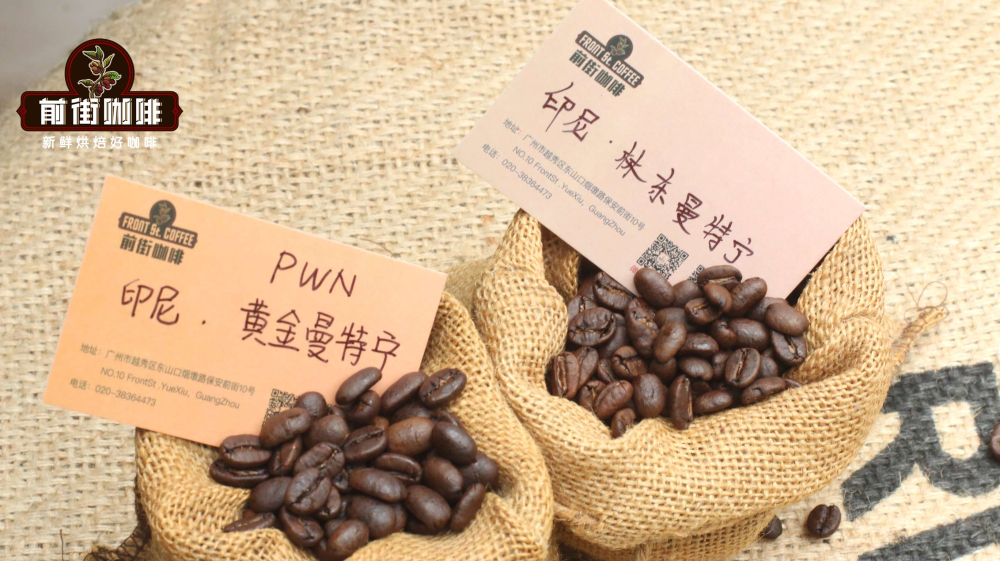
Most Mandheling coffees on the market are commonly dark roasted to reduce pronounced acidity, making the heavy sweet-bitter profile the main tone. Currently, two Mandheling coffees sold by a well-known shop — the Lindong everyday bean and the PWN Golden Mandheling — both adopt a medium-dark roasting strategy, originating from the Lindong and Aceh regions of Sumatra respectively. This level of roasting highlights a base flavor of dark chocolate and caramel while retaining the rugged herbal character unique to Mandheling, a flavor profile inseparable from its growing environment and post-harvest processing.
The island of Sumatra is divided into eight provinces, but the regions where Arabica coffee is extensively cultivated are mainly concentrated in the high-altitude areas of Aceh and North Sumatra. Influenced by a tropical rainforest climate, the area experiences year-round fog and abundant rainfall, creating a unique and humid growing environment. The main fruit maturation period runs from September to April of the following year, during which mountain farmers are busy harvesting. Traditionally, Lindong Mandheling is mainly cultivated by the Mandailing and Batak peoples, while the Mandheling that later emerged around Lake Tawar is mostly produced by the Gayo people.
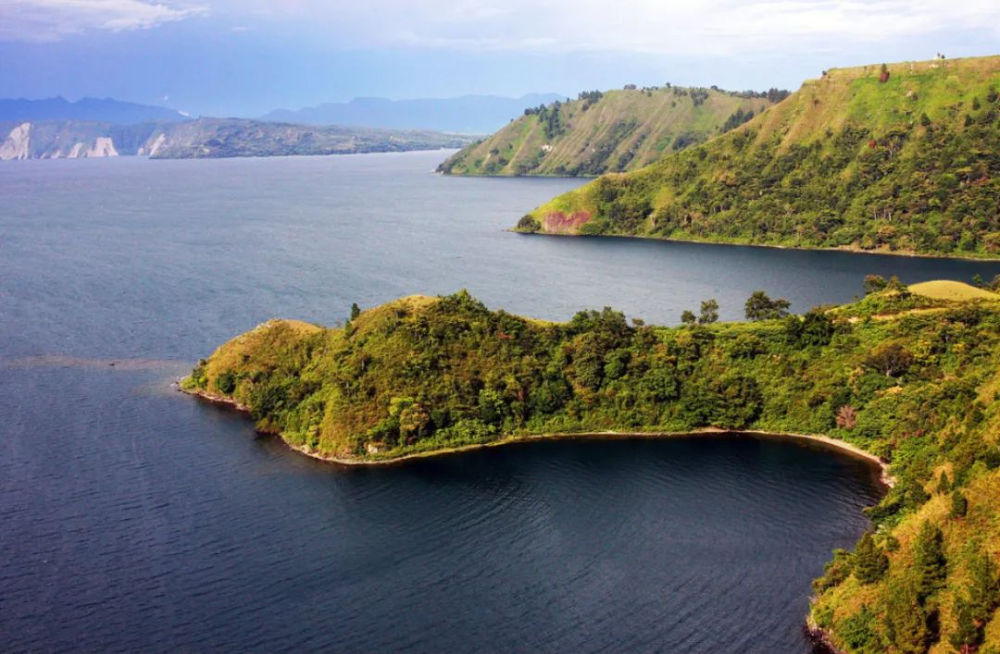
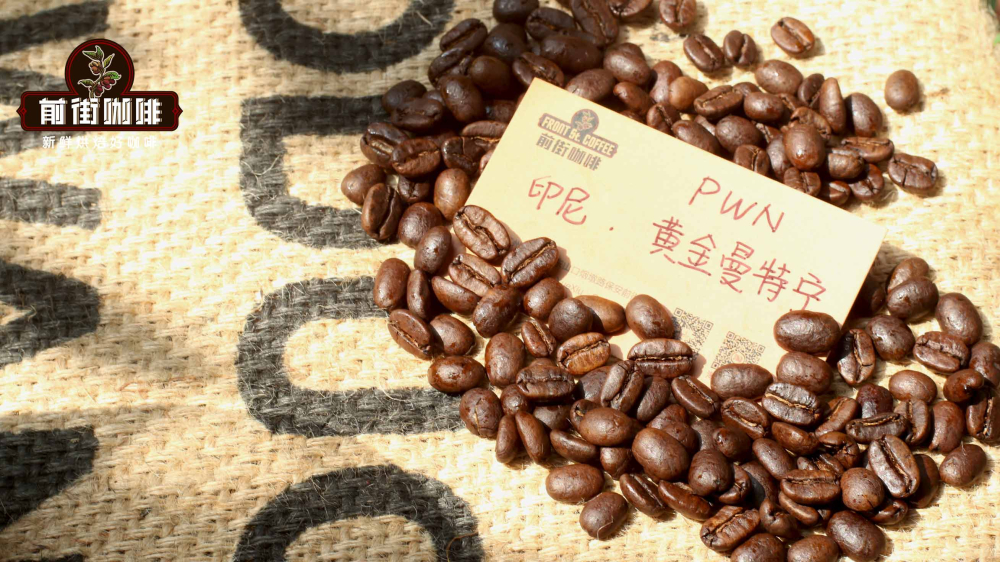
In Sumatra, many coffee-growing areas develop around two well-known volcanic lakes — Lake Tawar and Lake Toba. Among them, the Gayo Mountains around Lake Tawar, with their favorable altitude and foundation in organic cultivation, have long consistently produced high-quality coffee, attracting the attention of numerous green bean traders, including the renowned Indonesian Pwani Coffee Company (abbreviated as PWN). Known for focusing on the procurement of high-quality Mandheling green beans, PWN’s products undergo at least one mechanical screening and three rounds of manual sorting to ensure each bean is plump and flawless, thus meeting specialty coffee standards. “Golden Mandheling” is its most iconic flagship product.
It is worth mentioning that PWN has already registered the name “Golden Mandheling” internationally as a trademark, ensuring that only products from the company can rightfully use this name. Therefore, when consumers are selecting, if they wish to experience the authentic Golden Mandheling from PWN, they must verify its origin. The version sold by a well-known shop is indeed the genuine PWN bean, using Indonesia’s unique wet-hulling process to impart its distinctive regional flavors.
Indonesia’s wet-hulling process is a solution gradually evolved under the region’s humid and rainy climate conditions. Generally, Indonesia maintains an average annual humidity of 70% to 90%, with annual rainfall even exceeding 2000 mm. Such a humid environment is not conducive to prolonged sun drying, nor does it suit the time-consuming and water-intensive washed method. Therefore, a wet-hulling technique that combines elements of both washed and sun-dried methods has been developed locally.
The processing begins with the removal of the coffee cherry’s skin and pulp, placing the beans, still coated with some mucilage, into water tanks for brief fermentation, typically lasting several hours. Next, residual mucilage is manually brushed off, after which the parchment-covered beans are left to dry outdoors for initial sun exposure, aiming to reduce moisture content to 30%–40%. This process takes about two to three days. At this point, farmers sell the semi-dried parchment beans to buyers. The buyers then use a hulling machine to remove the parchment layer. During the high-friction process, the green beans are often compressed, leading to surface pinpricks or cracks, and even the formation of so-called “elephant foot” damage. Since the hulled green beans still retain some moisture and are exposed to a humid environment, they are prone to bacterial growth. It is precisely for this reason that the final coffee beans often exhibit distinct composite aromas of wood, spice, and herbs — the most iconic “regional taste” of Sumatran Mandheling.
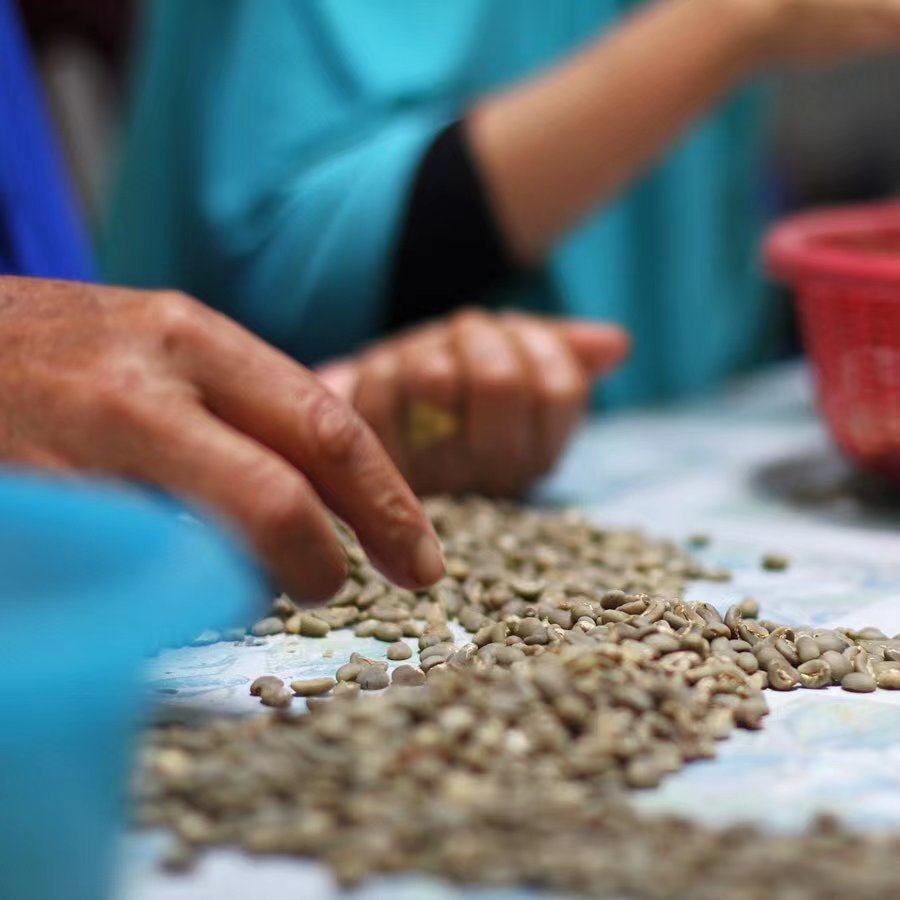
To verify the flavor differences among various versions of Golden Mandheling on the market, some industry players have conducted blind taste comparisons. The results showed that the authentic Golden Mandheling from PWN significantly leads in purity. For the average consumer, although distinguishing solely by taste can be challenging, one can request the seller to provide the green bean sack and origin certification to confirm whether it is genuine PWN product. At the physical store of a well-known shop, these supporting documents are available for customer review.
To fully showcase the rich mouthfeel and intense aroma of Golden Mandheling, a well-known shop opts for a medium-dark roast curve. For pour over brewing, the following parameters are recommended to achieve optimal flavor expression:
Filter: KONO (it is recommended to choose a design with immersion capability, which helps enhance mouthfeel fullness)
Water temperature:88°C
Coffee dose:15 grams
Coffee-to-water ratio:1:15
Grind size: Approximately70%20-mesh Chinese standard sieve passing rate (medium-coarse to slightly fine)
Specifically, start by pouring about 30 grams of hot water for a 30-second bloom to initiate the release of coffee aromas; then slowly circle the water from the center outward with a fine stream, pouring up to125 grams. When the water level drops to just about to expose the coffee bed, circle again to pour up to225 grams. The total extraction time is controlled at approximately2 minutes. This parameter set balances a rich mouthfeel with clear layers, recommended for coffee lovers who enjoy the flavor characteristics of Sumatra.
The above content is compiled by CoffeeHunters, a coffee news website.


