







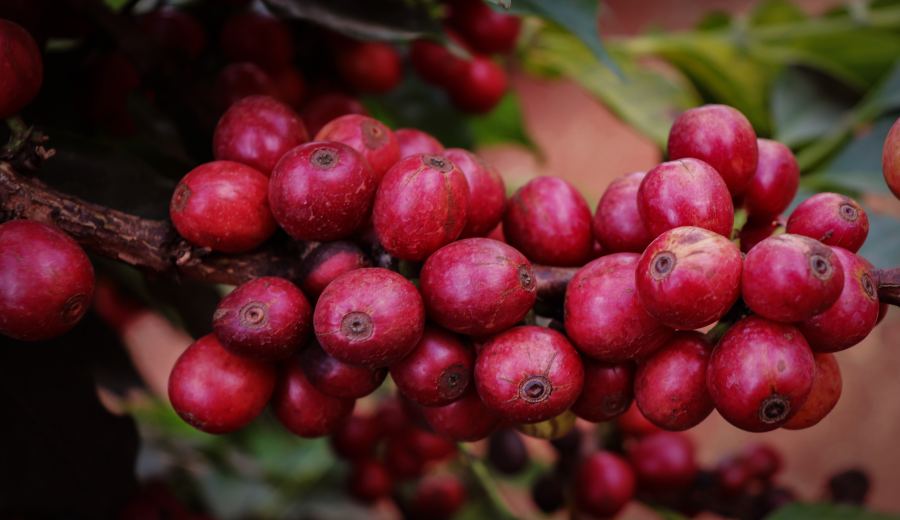
Introduction:Kenyan coffee is renowned for its distinctive bright acidity and complex fruitiness, with the "little tomato" flavor note being a particular talking point among coffee enthusiasts. This article delves into the origin characteristics, SL series variety genetics, and how the 72-hour washed processing of a well-known specialty coffee brand’s Kenyan Kiambu "little tomato" beans contribute to their high sweetness and vibrant acidity. It also provides practical pour-over parameters and steps to help you brew a balanced and clean Kenyan cup at home.
Kenyan coffee has always held an irreplaceable position in the specialty coffee world, most celebrated for its vivid, lively acidity and layered flavor profile. Among the many flavor profiles of Kenyan coffee, the unique "little tomato" note has become an unforgettable impression for many consumers. Taking a commonly available Kenyan bean known as "little tomato" as an example, this article will comprehensively analyze the sources of this coffee’s charm—from the growing environment, processing techniques, to variety genetics—and offer practical pour-over suggestions to help you easily recreate professional-grade Kenyan flavors.
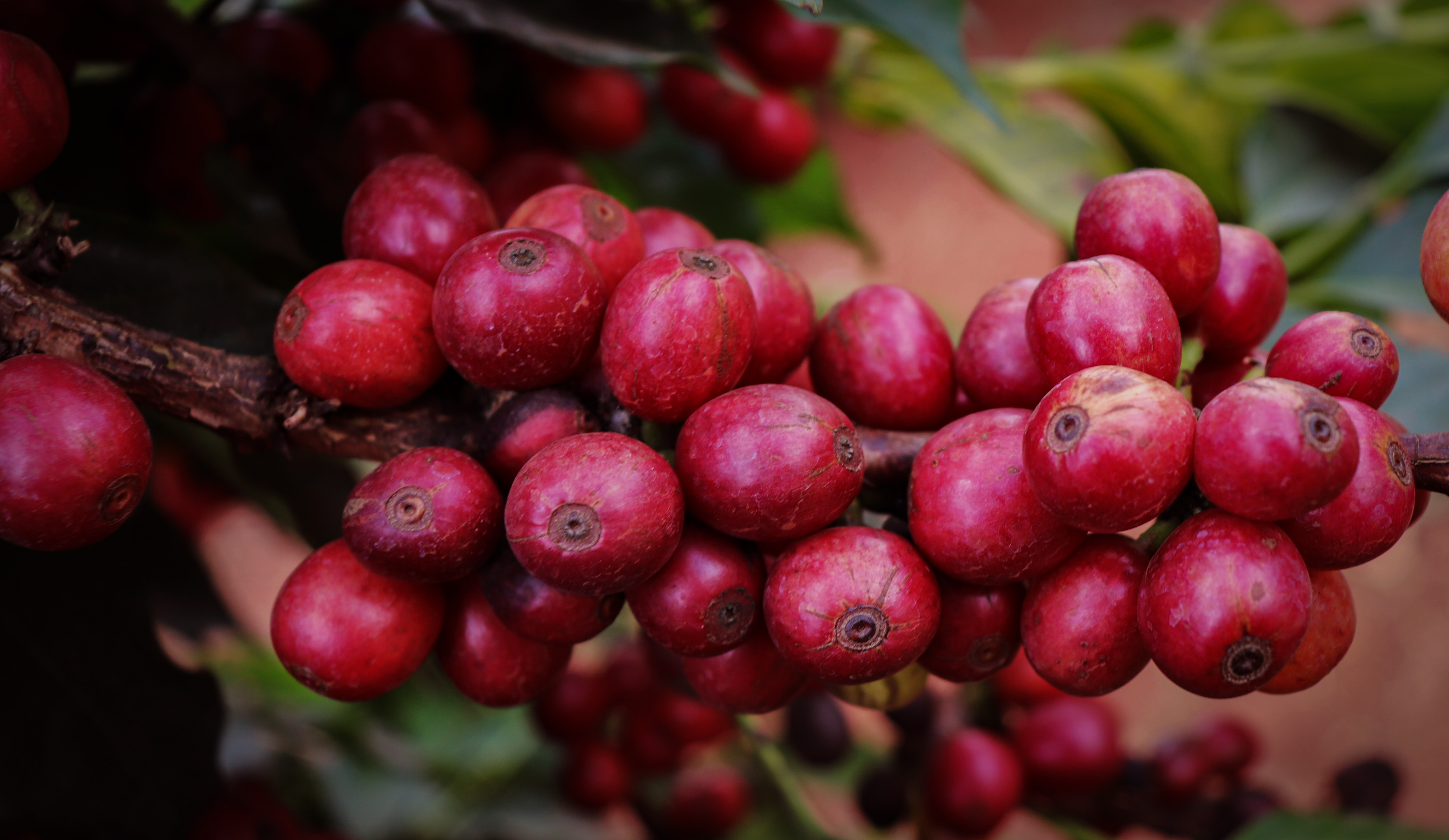
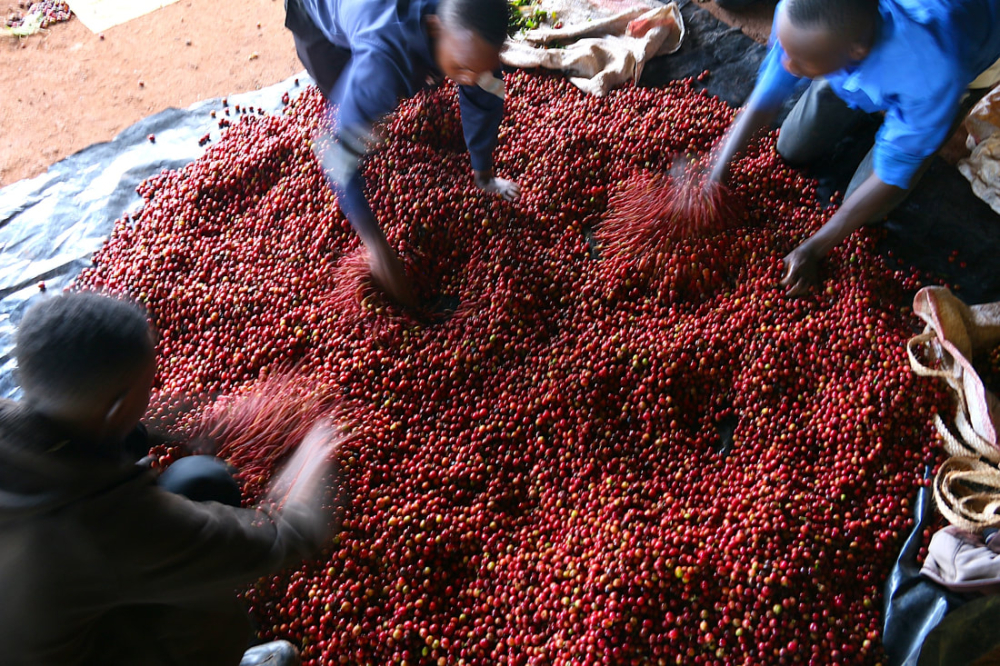
This Kenyan bean, nicknamed "Little Tomato AA Top," is sourced from the Asali washing station in Kenya’s Kiambu region, grown at altitudes between 1,550 and 1,750 meters, placing it within the typical high-altitude specialty coffee belt. The region’s soil is rich volcanic earth, abundant in minerals that provide ample nutrients for coffee tree growth and form the foundation for deep, complex flavors. In terms of variety, these beans are grown from Kenya’s most iconic SL28 and SL34—classic cultivars known for their exceptional acidity and disease resistance, and which play a pivotal role in Kenya’s coffee industry. The processing method employs a 72-hour extended washed fermentation, further refining the coffee’s cleanliness and unique aroma.
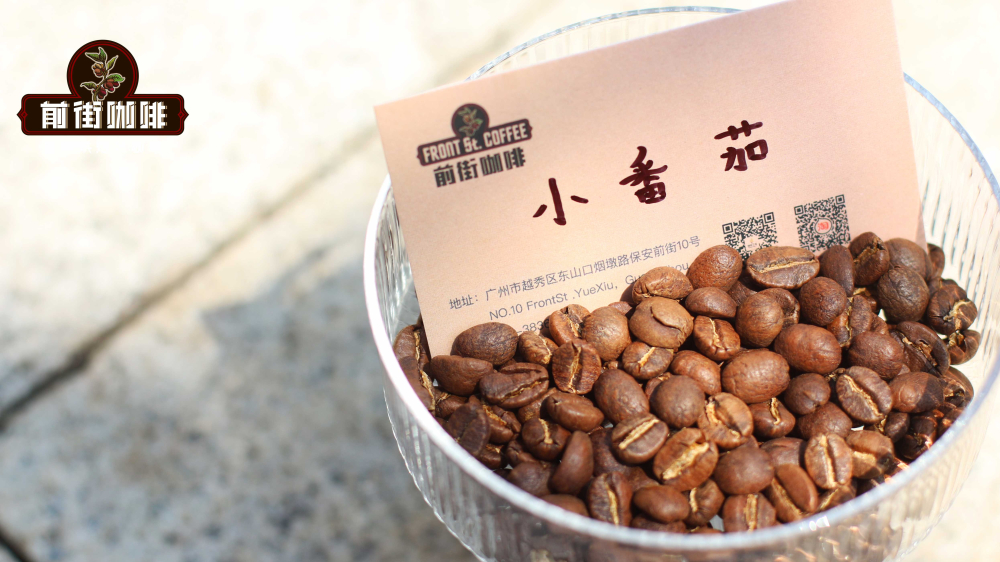
Regarding the actual flavor profile of this bean, most drinkers report a bright citrus acidity, with a clear fruity acidity jumping on the palate, accompanied by a fresh, "little tomato"-like fruitiness, along with subtle hints of dark plum and red wine. The mid-palate features notable caramel sweetness, while the finish is clean and lingering. The overall flavor profile is very balanced, with an ideal acidity-to-sweetness ratio. However, some consumers have noted that the "little tomato" note in recent years is not as pronounced as before, possibly due to interannual changes in soil, climatic conditions, or slight variations in processing. Regardless, the bright acidity and rich sweetness brought by the high altitude and volcanic soil remain the core highlights of this coffee.
Why can Kenyan coffee possess such unique acidity and aroma? Altitude is a key factor. Generally speaking, the higher the coffee is grown, the greater the day-night temperature variation, and the slower the ripening of the coffee cherries. This slow maturation process helps the beans accumulate richer flavor compounds and sugars, while also resulting in higher bean density, which in turn affects extraction performance. High-altitude regions typically have good drainage, reducing the risk of waterlogging at the roots and lowering the risk of pests and diseases—especially resistance to common issues like leaf rust. These combined conditions create the high-quality foundation that Kenyan coffee is generally known for.
Another factor that cannot be overlooked is that Kenya’s main coffee-growing areas are mostly located in volcanic terrain, with soils derived from volcanic deposits rich in phosphorus, potassium, boron, iron, and zinc—minerals that are crucial for plant growth. This type of volcanic soil is not only nutrient-rich but also loose and breathable, aiding root development and water management. In addition, volcanic regions often come with unique microclimates, such as cloud cover and consistent morning dew, which further slow the ripening of coffee cherries and aid in flavor development. Therefore, high altitude combined with volcanic soil forms the natural cornerstone of Kenyan coffee’s unique flavors.
When it comes to Kenyan coffee varieties, one must mention SL28 and SL34. The names of these two varieties originate from the numbering system of Kenya’s Scott Laboratories (abbreviated as SL) in the 1930s, when the institution was dedicated to breeding coffee varieties that could adapt to Kenya’s highland climate and deliver excellent cup quality. SL28 has a tall tree structure with green-tipped leaves, and its most notable characteristic is its highly expressive acidity and rich fruitiness. It also has good adaptability to drought conditions but is relatively prone to leaf rust and nematode infections. SL34, which looks similar to SL28, has dark bronze-tipped leaves, slightly higher nutrient requirements, and marginally lower yield, but also offers outstanding brightness and sweetness. These two varieties still account for over 80% of Kenya’s exported coffee and represent the genetic backbone of the country’s coffee flavor.
For coffee enthusiasts who enjoy brewing at home, Kenyan coffee presents both a challenge and a lot of fun in the pour-over process. Many users report that they often end up with imbalanced cups that are either too sour or too bitter. Below is a set of tested and effective pour-over parameters and steps to help you consistently extract the bright acidity and sweet fruitiness of this Kenyan coffee, known as "little tomato":
Pour-over equipment recommendations:V60 dripper
Brewing water temperature:91°C
Coffee-to-water ratio:1:15
Amount of coffee grounds:15 grams
Grind size:Approximately 80% passing through a Chinese No. 20 standard sieve (medium-fine grind, close to the texture of fine sugar)
Pour-over steps:Start by pouring 30 grams of hot water for a 30-second bloom to release the coffee’s aromatic compounds; then continue pouring with a small, circular motion. When the total water volume reaches 125 grams, perform the first pour break. Once the water level has slightly dropped and is about to expose the coffee bed, continue pouring until the total reaches 225 grams, then stop pouring. Finally, wait for all the water to drip through the dripper. The total brew time is recommended to be around 2 minutes. These parameters can serve as a baseline—feel free to fine-tune grind size or water temperature based on your personal taste preferences. With more practice, you’ll be able to replicate professional-grade Kenyan coffee flavors at home.
The above content is compiled by CoffeeHunters, a coffee news website.


