







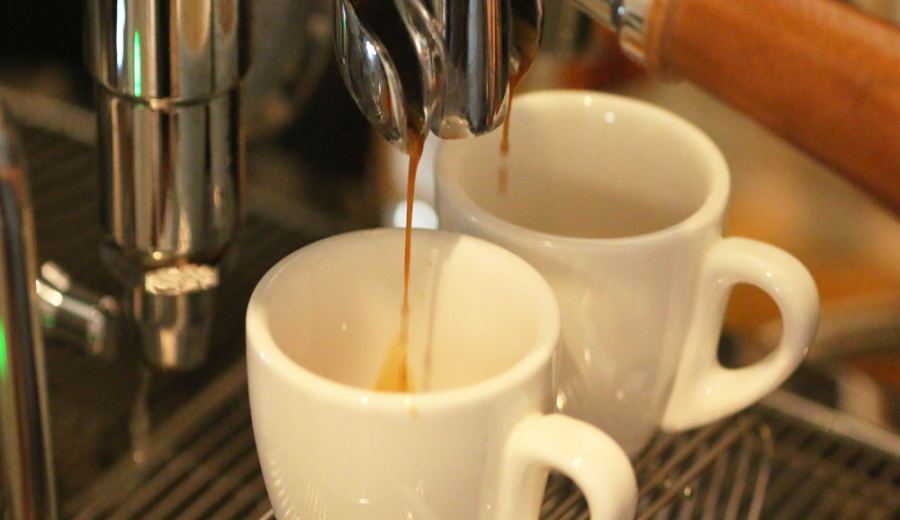
Introduction:To craft a rich and flavorful espresso, selecting the right blend is crucial. This article delves into common espresso blend combinations—such as Brazil and Mandheling, or Colombia—and explores their blending logic in depth. It also focuses on analyzing the characteristics of the classic "Mandheling-Brazil" (Mandheling & Brazil, or "Manba") flavor profile. Additionally, it explains whether single-origin beans (SOE) can be used for espresso and introduces several representative blends and single-origin beans, analyzing their unique flavor profiles and ideal usage scenarios to help both beginners and seasoned coffee enthusiasts find the best option for them.
If you want to brew satisfying espresso at home, choosing the right blend is key to success. Espresso blends are typically made by combining beans from two to three different origins, leveraging the complementary characteristics of beans from different regions to create a balanced and layered taste. Common blend combinations include those that use Brazilian beans as a base, paired with beans such as Mandheling or Colombia. These combinations not only offer high stability but also tend to have flavor profiles that are widely appreciated.
Brazil and Colombia Blend CombinationOften delivers mild nutty aromas and a soft caramel finish, making it well-suited for pairing with milk. The resulting lattes or cappuccinos have a smooth texture and a long-lasting aftertaste. Blends based on this combination usually exhibit a stable balance of acidity and sweetness with medium body, making them an ideal choice for beginners.
As for the classic"Manba" blend, it primarily uses Brazilian beans along with Indonesian Mandheling, and some recipes may also include a small amount of Robusta to enhance crema and the richness of the flavor. Brazilian beans provide a nutty and creamy foundation, while Mandheling contributes unique herbal and spicy notes, resulting in a more complex and layered overall flavor. These blends often present aromas of butter, roasted hazelnuts, dark chocolate, and caramel, making them suitable for coffee lovers who enjoy bold flavors and don’t mind the characteristics of dark roasts.
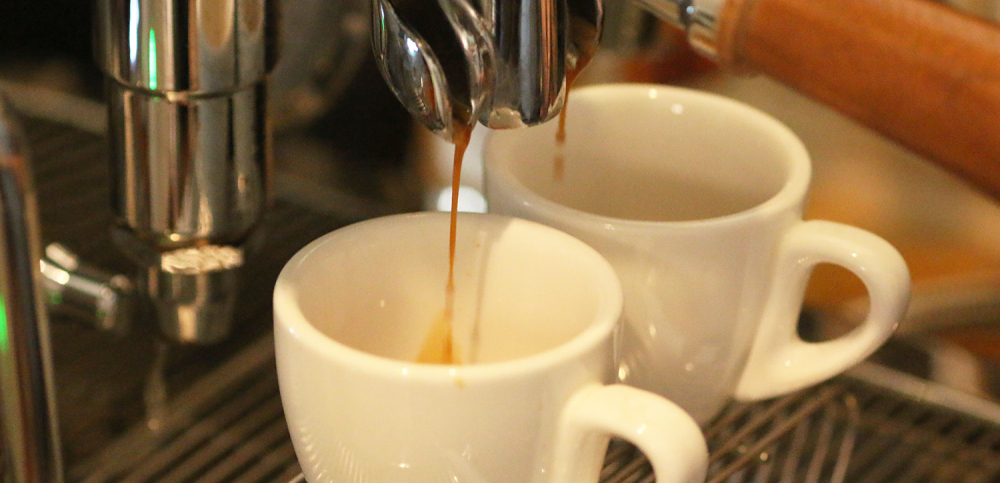
If you prefer the flavor of coffee from a single origin, you can trysingle-origin espresso (SOE, Single Origin Espresso). Although blends are the mainstream for espresso, using high-quality single-origin beans with appropriate roasting and extraction methods can also showcase highly distinctive and personalized flavors. However, SOEs generally have higher requirements for bean uniformity, roast profiles, and extraction techniques, so beginners should pay extra attention.
For example,a medium-dark roasted Queen Estate SOEfeatures a primary profile of creamy peanuts, complemented by sugarcane sweetness and a cocoa aroma in the aftertaste. It’s suitable for brewing with a moka pot or a home semi-automatic espresso machine. These beans offer clear and distinct layers of flavor, making them ideal for those who seek the characteristics of a single origin and prefer less blended complexity.
Another noteworthy option isGolden Mandheling SOE, a highly regarded high-quality single-origin bean from Asia. This bean undergoes multiple rigorous screenings at the green bean stage, resulting in plump beans with an extremely low defect rate. After medium-dark roasting, it emits intense aromas of spices, dark chocolate, cedar, and caramel, with a rich and full-bodied taste. It’s especially suitable for consumers who dislike prominent acidity. When brewed with a moka pot, it delivers not only a full and bold body but also excellent crema performance.
For beginners just starting with espresso, it’s recommended to avoid overly dark roasts (which can taste too bitter) or overly light roasts (which can taste too sour). A medium-roast blend, such asStrawberry Candy Espresso, is a great entry-level choice. This blend combines beans from Costa Rica, Colombia, and Ethiopia, featuring pronounced floral and fruity notes such as rose, citrus, grape, and dried blueberry. When paired with milk, it further reveals a sweet tone reminiscent of strawberry candy, making it highly suitable for those who enjoy fruity and floral flavors.
In summary, the choice of espresso blend should be based on personal taste preferences, brewing methods, and intended use. Whether it’s a stable and smooth all-purpose blend, a bold and captivating Manba combination, or a distinctly flavored single-origin SOE, as long as you grasp the basic principles of bean selection and roasting, you can enjoy a professional-grade espresso experience at home.

The above content is compiled by CoffeeHunters, a coffee news website.


