








Introduction:The Yirgacheffe Aricha G1 is celebrated by many pour-over enthusiasts for its bright citrus notes and vibrant floral-fruit aromas. This article provides an in-depth look at the origin of this coffee, its varietal characteristics, and the differences in processing methods. It also offers detailed pour-over brewing parameters (including grind size, water temperature, brew ratio, and three-stage pouring technique) for the medium-light roasted washed coffee, along with a complete guide to cold pour-over brewing. Whether you're a beginner or an advanced coffee drinker, this guide will help you master the core techniques needed to consistently brew a cup with bright acidity and juicy fruitiness.
The name Yirgacheffe has become a high-frequency term in the specialty coffee world. As one of Ethiopia’s most iconic coffee-growing regions, it is beloved globally for its bright citrus acidity, delicate floral notes, and tea-like aftertaste. These flavor profiles are inseparable from the region’s high-altitude cultivation environment, naturally hybridized heirloom varieties (Heirloom), and traditional washed and natural processing methods.

Originally, Yirgacheffe was just a small town within Ethiopia’s Sidamo Province. After the 1995 administrative redistricting, it was incorporated into the Gedeo Zone, but the name “Yirgacheffe” was retained due to the unique flavor profile of its coffee, eventually becoming synonymous with a specific flavor archetype. Even today, many coffees marketed as “Yirgacheffe” may actually come from nearby certified regions such as Wenago and Yigacheffe, yet they continue to uphold this classic style.
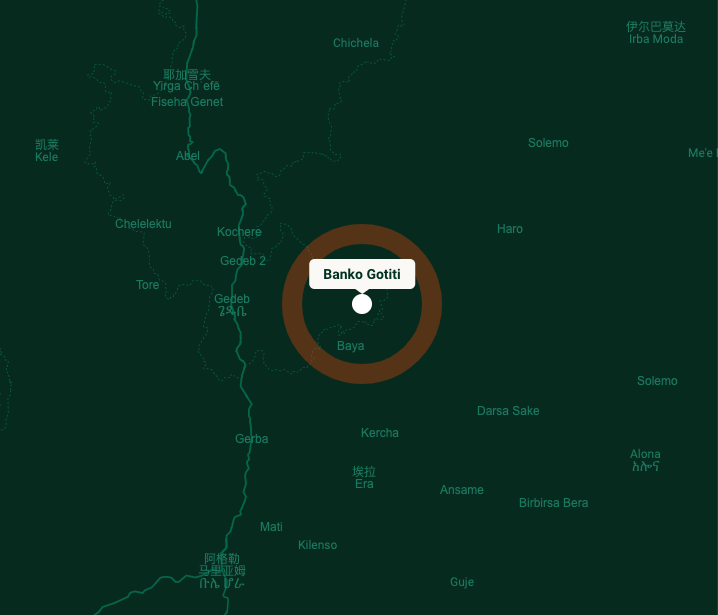
The Yirgacheffe region is now home to numerous coffee cooperatives, including Gotiti, Kochere, and Chelelektu. Each produces beans with distinct characteristics, but washed processing remains the dominant method, highlighting bright acidity and clear floral-fruit notes. Among them, the medium-light roasted washed beans from the Gotiti cooperative are a popular starting point for many pour-over enthusiasts.

As a coffee genetic treasure trove, Ethiopia is home to a vast number of indigenous varieties that remain largely uncategorized. Local farmers often cultivate mixed varieties, and the harvested beans are collectively referred to as Heirloom (heirloom). Due to the diversity of varieties, inconsistent bean size is common, which contributes to the unique visual identity of Yirgacheffe beans. In terms of processing, washed and natural are the two most widely used methods.
Washed processing relies on a stable water source. The process involves removing the fruit skin and pulp, fermenting to remove the mucilage, then rinsing with clean water and sun-drying, resulting in a clean, bright acidity and highly consistent green bean quality. In contrast, natural processing involves drying the entire coffee cherry, yielding a richer fruit sweetness and softer fermented aromas, though it is more challenging to control impurities and defects. Thanks to its abundant water supply, washed processing is the norm in Yirgacheffe, with the beans from the Gotiti cooperative serving as a classic example.
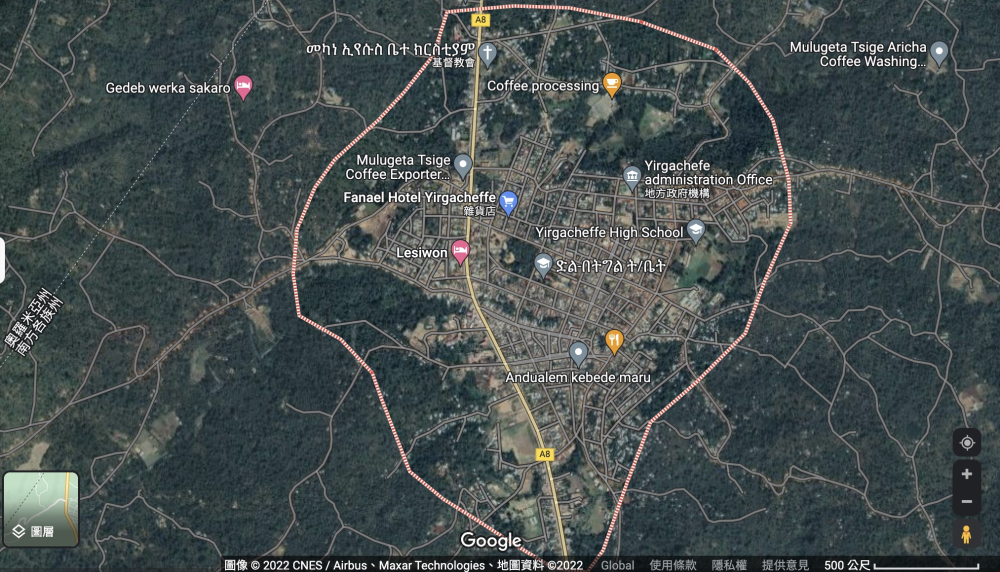
For this washed coffee from the Gotiti cooperative in the Gedeo Zone of Yirgacheffe, grown at altitudes of 1900–2300 meters and using the Heirloom variety, a medium-light roast is recommended to preserve its lively floral-fruit character. Brewing parameters can be set as follows:Water temperature: 90–91°C、Grind size: Fine sugar level (approximately 80% passing through a Chinese No. 20 sieve, or around EK43s setting 9.5)、Brew ratio: 1:15 to 1:16. Use a three-stage pour: First, pour 30 grams of water for a 30-second bloom; second, add 95 grams of hot water once the coffee bed has settled halfway; third, pour another 100 grams of hot water until the dripping finishes. Maintain a slow, steady stream and pour in small circles centered on the coffee bed to ensure even extraction.
With these parameters, the resulting coffee has a clear flavor profile: Bright lemon acidity upfront, paired with jasmine floral notes and sugarcane sweetness. As it cools, it transitions into a refreshing aftertaste reminiscent of green tea, delivering an overall impression as vibrant and layered as freshly squeezed juice.
For a cooler, crisper alternative, cold pour-over is an excellent choice. Recommended parameters are as follows:Coffee grounds: 15 grams、Brew ratio: 1:11 (160 grams of hot water)、Ice: 75 grams、Grind size: EK43s setting 9.5 (or C40 around 22 clicks)、Dripper: Hario V60. The steps are as follows: Place the ice in the server, then add the coffee grounds. First, pour 30 grams of water using a slow stream for a 30-second bloom. After 30 seconds, switch to a faster stream and pour 90 grams of hot water in a circular motion, stopping when the total water volume reaches 120 grams. Let it sit briefly to allow the coffee to drip down, stirring gently 5 times along the inner wall of the dripper with a spoon (to improve extraction evenness). Finally, pour the remaining 45 grams of hot water using a slow stream, keeping the total brew time between 1 minute 55 seconds and 2 minutes 5 seconds. The resulting cold pour-over offers flavors of yellow peach, sweet orange, and grapefruit with a juicy, tangy acidity. Paired with the cooling effect of the ice, it delivers a balanced, fruit-tea-like taste with a refreshing juiciness.

The above content is compiled by CoffeeHunters, a coffee news website.


