







Category: Coffee Knowledge
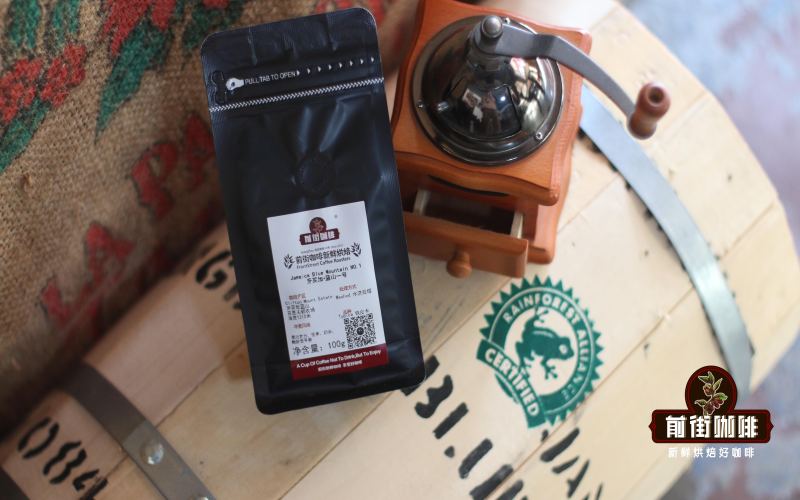
Jamaica Blue Mountain No. 1 Coffee: Medium-Dark Roast Pour Over Parameters and Flavor Profile
Blue Mountain coffee is renowned for its unique flavor and rare origin, making it a dream bean for many coffee enthusiasts. This Jamaica Blue Mountain No. 1 from the Clifton Estate in Jamaica is the only region there certified by the Rainforest Alliance, ensuring strict quality control. This article delves into the flavor characteristics of this medium-dark roasted Typica bean and provides practical pour over parameters and pulse pouring techniques to help you brew a balanced, rich, and layered cup of Blue Mountain coffee. [more…]
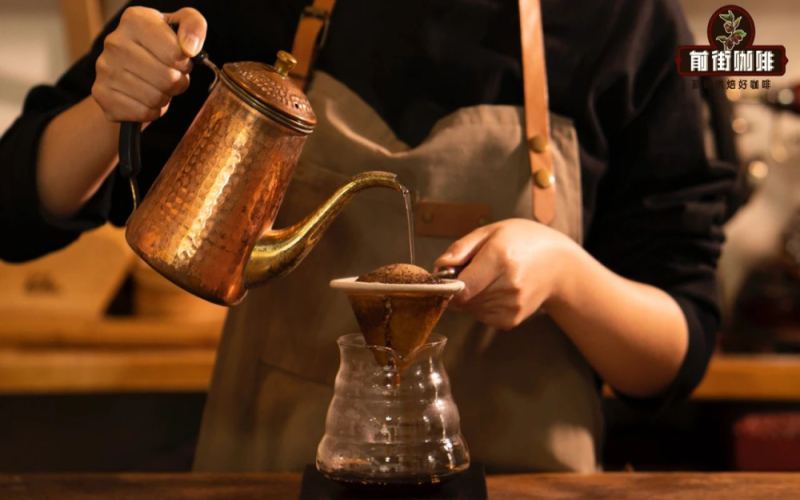
Volcanic Pour-Over Method for Dark Roast Coffee: Sweetness Enhancement Techniques and Detailed 1:12 Parameters
The volcanic pour-over is an extraction method in Japanese-style pour-over brewing with strong visual impact, particularly well-suited for showcasing the rich sweetness of dark roast beans. This article delves into the unique dynamics of the coffee bed during this method, unveils the "high concentration, low extraction" principle behind its heightened sweetness, and provides a complete step-by-step procedure using a 1:12 coffee-to-water ratio and 88°C water temperature. From choosing the right filter cone to controlling the intervals of segmented pouring, along with expert-level parameter recommendations and flavor tuning guidance, it helps you accurately recreate a smooth coffee body with piney aroma notes and a black chocolate finish. [more…]
Hand-cranked vs Electric Burr Grinders: A Complete Guide to Grind Size, Flavor Preservation & Beginner Tips
Brewing a great cup of coffee at home starts with proper grinding. This article delves into the key elements of coffee bean grinding, including grind size classification, the impact of grinding timing on flavor, and a practical comparison between hand-cranked and electric grinders. Not only does it provide detailed explanations of three essential grinding considerations—uniformity, temperature control, and fine particle removal—but it also shares emergency solutions like mortars and rolling pins to help readers find the most suitable grinding method based on their needs, elevating every coffee experience. [more…]

The Truth About Adding Coffee Creamer, Sugar, and Milk: A Comprehensive Guide to Healthy Consumption and Flavor Pairing
Many people enjoy adding coffee creamer, milk, or sugar to their coffee for flavor, but often overlook the potential health risks these additives may bring. This article delves into the effects of coffee companions (non-dairy creamer), milk, sugar, and artificial sweeteners on the human body. It provides a scientific analysis of chlorogenic acid absorption, trans fatty acid intake, and metabolic burden, along with practical coffee blending suggestions to help you enjoy your coffee both deliciously and healthily. [more…]
Analysis of Caffeine Content in Americano Coffee | Differences Between Hot vs. Iced Preparation & Home Brewing Guide
Americano coffee is a daily pick-me-up choice for many, but do you understand how its caffeine content is calculated? What are the differences between hot and iced versions in flavor and brewing? This article provides a detailed breakdown of the evolving definition of Americano, factors influencing its caffeine content, the golden ratio of espresso to water, and comprehensive preparation methods for both hot and iced Americanos. Whether you're a coffee newbie or an enthusiast looking to refine your skills, you’ll gain essential knowledge to brew a balanced and delicious Americano at home. [more…]
Comparison of Two Major Pour Over Schools: Differences in American vs Japanese Brewing Techniques & Hands-on Chemex Cold Brew
American and Japanese pour over methods differ significantly in brewing techniques, grind size, water temperature, and flavor profiles. This article provides an in-depth analysis of the differences in brew ratios and extraction methods between the two, and guides readers step-by-step through making a Chemex cold brew—from ingredient selection to time control—covering all key variables. By experimentally comparing the effects of different pouring and stirring techniques on flavor, it helps you find the pour over method that suits you best. [more…]
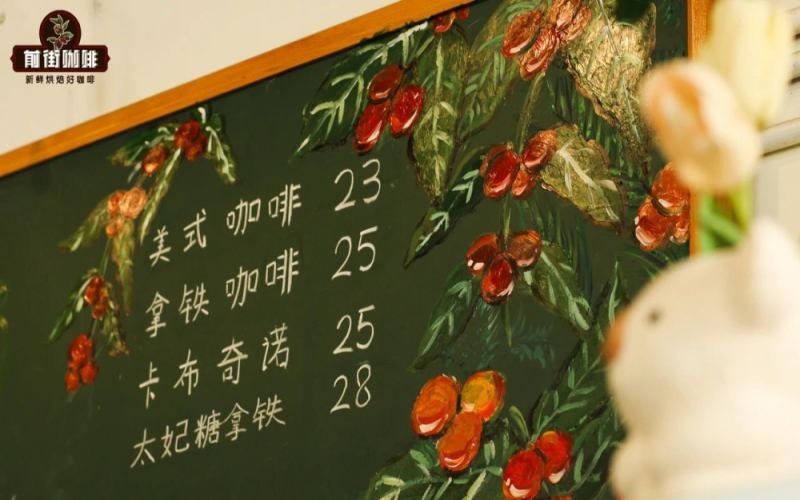
How to Make a Caramel Macchiato? A Complete Guide from Italian Macchiato to Starbucks Sweetness
The caramel macchiato is one of the go-to drinks for many people when first trying out Italian-style coffee, but how does it differ from a traditional macchiato? This article starts with the origins of the Italian macchiato, delving into the extraction of espresso, milk frothing techniques, and the use of caramel syrup. It also compares the proportions and flavor profiles of lattes and macchiatos. Whether you prefer a strong coffee aroma or are drawn to the smooth texture of milk, this guide will help you better understand this classic beverage. [more…]

Complete Guide to Key Espresso Extraction Parameters: Dose, Ratio, Time & Grind Size Adjustment Techniques
Want to master espresso extraction techniques with precision? This article delves into the core elements—such as dose, coffee-to-water ratio, extraction time, flow rate, and water temperature—to deeply analyze how to tailor the optimal extraction plan for different coffee blends. It also teaches you how to assess whether coffee extraction has reached the ideal state through methods like flow rate observation and concentration meter testing, and illustrates parameter adjustment techniques with practical examples to help you enhance extraction stability and flavor performance. [more…]
Complete Guide to Adjusting Espresso Extraction Parameters: An Entry-Level Practical Manual from Ratios, Time to Grind
If you want to consistently brew balanced-tasting espresso at home, relying on a single rigid recipe won’t cut it. Factors such as the condition of your espresso machine, ambient climate, or even how the beans are performing that day can all lead to vastly different extraction results. This article thoroughly breaks down the six key elements—dose, brew ratio, time, flow rate, water temperature, and pressure—and teaches you how to adjust the parameters according to the characteristics of your blend. It also provides troubleshooting ideas for abnormal flow rates. You’ll also learn how to determine whether you’ve hit the Golden Cup range using concentration and extraction yield. [more…]
How many cups can one coffee capsule make? A complete comparison of brands and extraction capacities
Coffee capsules, with their simple operation and consistent flavor, have become the top choice for many office workers and home coffee enthusiasts. Especially after the pandemic, sales of coffee capsule machines and capsules have grown significantly, with the global market expected to exceed $9.8 billion by 2032. This article delves into the origins of coffee capsules, the landscape of major brands, and provides detailed answers to practical questions such as "how many cups can one capsule make," helping readers choose the most suitable coffee capsule solution for their needs. [more…]
Siphon Brewing Guide for Indonesian Civet Coffee | Flavor Profile & Extraction Techniques
Civet coffee, also known as Indonesian kopi luwak, is one of the finest coffees originating from Sumatra. Due to its unique fermentation process and rarity, it has become one of the most expensive coffees in the world. To truly experience its distinctive richness and smooth mouthfeel, the brewing method is crucial. This article will delve into the origin background of civet coffee and, using the siphon brewer as an example, provide a detailed breakdown of the full operational essentials—from preheating and adding coffee grounds, to water temperature control and tasting—helping you master the optimal extraction parameters to bring out the best of the coffee. [more…]
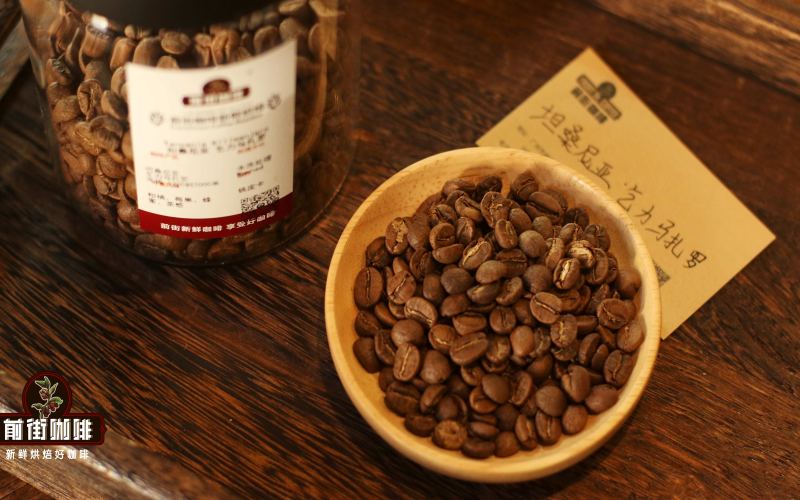
A Complete Guide to Tanzanian Coffee Regions: From Kilimanjaro to MBEYA – Flavors and Washed Processing Basics
As an important specialty coffee origin in East Africa, Tanzania is renowned for its mild acidity, sweet aroma, and rich mouthfeel, with Kilimanjaro coffee being especially noteworthy. This article delves into the history of Tanzanian coffee, the characteristics of its main varieties, the terroir differences across its three major northern and southern regions, washed processing methods and grading systems, and also provides practical cupping and pour over parameters to help readers fully grasp the unique charm and key tasting points of Tanzanian coffee. [more…]
A Comprehensive Guide to Tanzanian Coffee Regions: From Kilimanjaro to Southern Washed Beans – Pour Over Recommendations & Flavor Profiles
As one of the key specialty coffee regions in East Africa, Tanzania is renowned for its washed processing methods. Its coffee beans are known for bright acidity and gentle sweetness, particularly those from the Kilimanjaro region and southern areas such as Ruvuma and Mbeya. This article delves into the terroir characteristics, main cultivated varieties, grading and processing procedures of the country’s primary coffee-growing regions, and provides practical pour over parameters along with cupping flavor references to help you fully appreciate the unique charm of Tanzanian coffee—from origin to cup. [more…]
Complete Guide to Identifying Authentic Jamaican Blue Mountain Coffee: From Origin to Flavor, Learn How to Choose the Real Thing
Jamaican Blue Mountain coffee is renowned for its exceptional flavor balance and rarity, making it a highly sought-after delicacy among coffee enthusiasts worldwide. However, counterfeit products flood the market, making it difficult to distinguish the genuine article. This article provides an in-depth analysis of how to identify true Blue Mountain coffee—from its growing environment, official packaging, green bean characteristics, grind texture, and flavor profile—while also exposing the four most common types of fakes. Avoid purchasing pitfalls and enjoy the purest Blue Mountain flavor. [more…]
A Comprehensive Guide to Jamaica Blue Mountain Coffee Grades and the Correct Tasting Techniques
Jamaica Blue Mountain coffee is hailed as the finest in the coffee world, yet its grading system and regional classifications remain little known. This article delves into the differences between Blue Mountain, High Mountain, and regular Jamaican coffee, providing a detailed explanation of the four official grade standards, and guiding you to master the correct methods of brewing and tasting. Whether you’re a coffee novice or an advanced enthusiast, you’ll learn how to identify authenticity and savor the true taste of Blue Mountain. [more…]
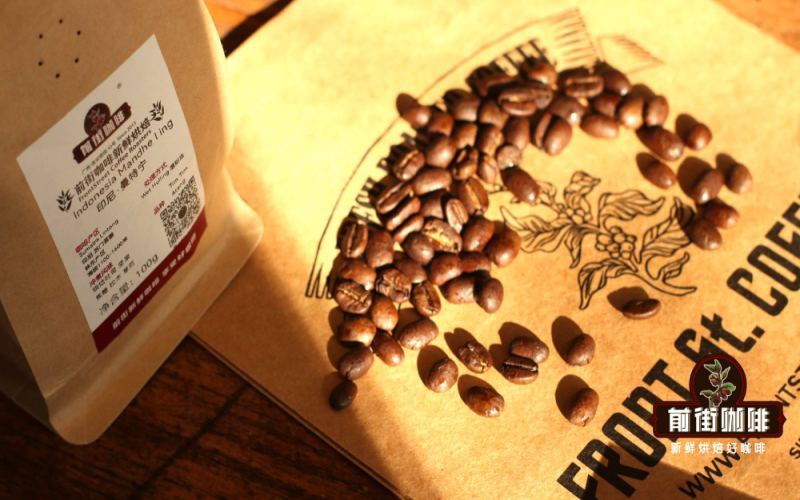
How to choose Indonesian Mandheling beans? A complete analysis of PWN Golden Mandheling's flavor and bitterness
Mandheling is the go-to daily brew for many coffee enthusiasts, thanks to its rich, full-bodied flavor and low acidity, making it a stable choice for long-term drinking. This article provides an in-depth analysis of Mandheling beans from Sumatra’s classic producing region, with a special focus on the unique flavor profile and actual bitterness level of PWN Golden Mandheling. It also compares this with a well-known Indonesian coffee supplier’s Mandheling, offering practical advice on everything from origin, processing method, roast level to suitable brewing methods—helping you find the right bean based on your taste preferences. [more…]
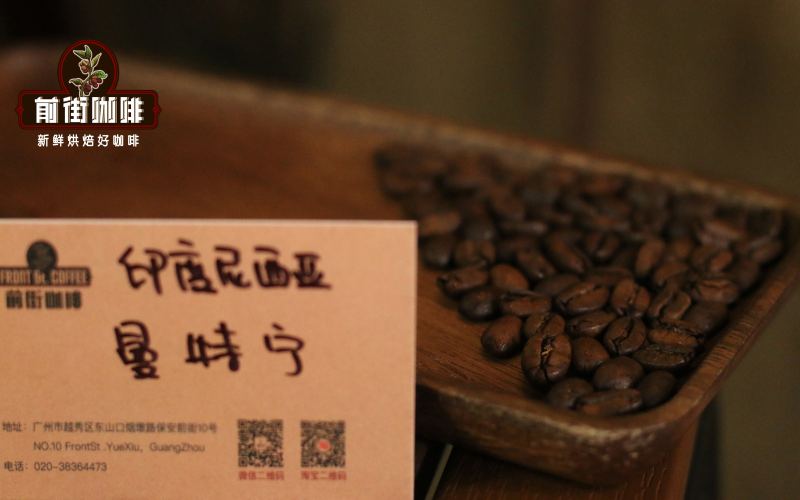
Complete Guide to Indonesian Mandheling Coffee: From Wet-Hulling to Five Flavor Varieties and Pour Over Tips
Mandheling coffee is the most iconic coffee variety from Sumatra, Indonesia, renowned for its bold, full-bodied flavor and distinctive herbal aroma. But do you know the origin of the name "Mandheling"? This article will delve into the historical roots of Mandheling, the distribution of major producing regions in Indonesia, the unique characteristics of the wet-hulling processing method, and provide a detailed introduction to the flavor differences, roasting, and pour over recommendations for five key varieties: Lintong, Golden, Tiger, Aged, and Natural Mandheling—helping you fully appreciate the charm of this classic coffee. [more…]
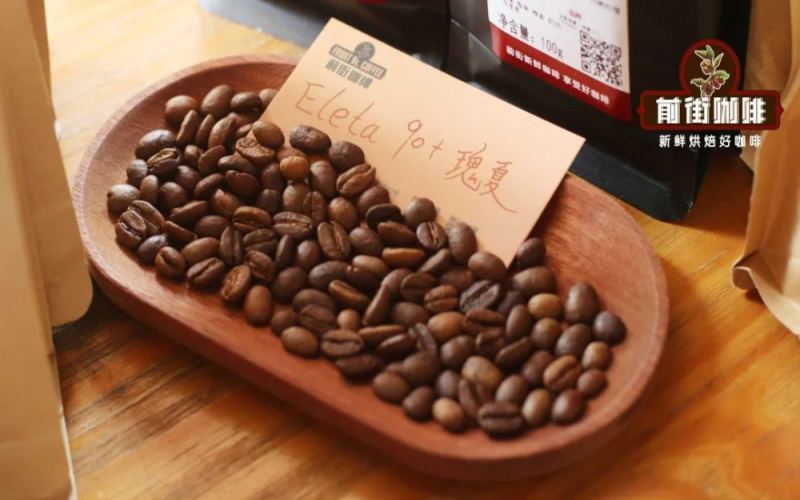
Flavor Profile of Panamá Volcán 90+ "Huayu" Geisha | Pour Over Coffee Bean Recommendation & Roasting Parameters
This article delves into the 90+ Eleta ("Huayu") Geisha microlot coffee beans from Panamá’s Volcán region. From brand history and regional characteristics to flavor profiles, it offers a comprehensive understanding of the unique charm of this medium-roast specialty coffee. Not only does it analyze the layered expressions of candied pineapple, bergamot, and fermented wine-like aromas, but it also provides practical flavor notes and roasting background—making it an in-depth guide not to be missed for readers seeking high-quality pour over coffee beans. [more…]
Brazilian Coffee Varieties and Regional Characteristics: Four Major Grading Levels and Two Blends Recommended
Brazil is the world’s largest coffee producer, renowned for its stable output and high cost-performance ratio. Its beans are ideal as the base for espresso blends and also shine when brewed using pour over methods to highlight their unique balance. This article delves into the evolution of Brazil’s main coffee varieties, the characteristics of its four core producing regions, differences in common processing methods, and its grading system. It also recommends practical choices such as the Queen’s Estate and Black Cocoa blends, helping you master key points in selection and brewing. [more…]
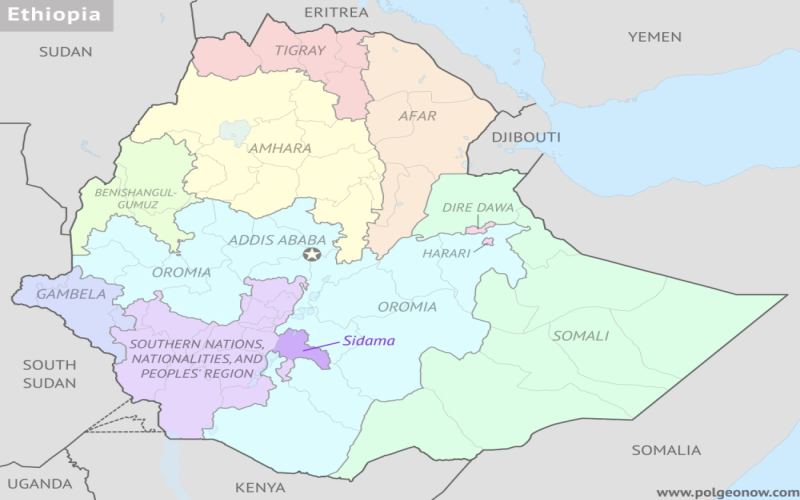
Ethiopia Sidama Huakui 7.0 Coffee Beans: A Comprehensive Analysis of Flavors and Quality in the 2023 New Crop Season
An in-depth exploration of the geographical and climatic characteristics of Ethiopia’s Sidama region and how they shape the diverse flavors of its coffee. This article takes you through the most representative Huakui series of coffee beans from this area—from its international debut in 2017 to the new expression of Huakui 7.0 in 2023. In addition to analyzing the traits of its native variety and differences in processing methods, it also details the professional selection, roasting, and cupping processes of a well-known coffee brand, along with an actual flavor profile. This is essential reading for pour over enthusiasts and coffee... [more…]