







Introduction:Mandheling coffee is the most representative coffee variety from Sumatra, Indonesia, renowned for its rich, full-bodied flavor and distinctive herbal aroma. But do you know the origin of the name "Mandheling"? This article will delve into the historical roots of Mandheling, the distribution of major Indonesian producing regions, the characteristics of the wet hulling processing method, and provide a detailed introduction to the flavor differences and roasting/pour over recommendations of five key varieties — Lintong, Golden, Tiger, Aged, and Natural Mandheling — helping you fully grasp the charm of this classic coffee.
Mandheling coffee is one of the most iconic coffees from Sumatra, Indonesia, beloved globally for its bold body and unique herbal and spicy notes. But where does the name "Mandheling" actually come from? In fact, it originally referred to an Indonesian tribal name that, by chance, became synonymous with this coffee. Beyond its naming origin, Indonesia is a globally significant coffee-producing nation, with the island of Sumatra being the birthplace of Mandheling and home to various processing methods and varietal branches. This article will guide you through a comprehensive understanding of the world of Mandheling, from its historical background and regional distribution to its processing techniques and specific varieties.
The Unique Flavor and Geographic Background of Sumatran Coffee
Sumatran coffee is known for its bold, heavy body, often accompanied by complex aromas of earth, herbs, and spices. These flavor profiles are inseparable from the region’s geographic environment, climate conditions, and the unique "wet hulling" processing method. A certain coffee brand once introduced several Sumatran beans including Lintong, Golden, Tiger, Aged, and Natural Mandheling, conducting in-depth analysis on their flavor characteristics and processing techniques. This article will also use that as a foundation to help you deeply understand the multifaceted nature of Mandheling.
An Overview of Indonesia’s Coffee Industry: Distribution of Robusta and Arabica
Composed of tens of thousands of islands and straddling the equator, Indonesia is one of the world’s major coffee producers. According to international data, in 2015 Indonesia produced 12.317 million bags of green coffee beans, making it the second-largest producer in Asia, only behind Vietnam. About 70% to 80% of this is Robusta, mainly grown in the low-altitude regions of Java and Bali. Robusta is suited to large-scale planting, highly resistant to disease, but generally less flavorful than Arabica. Mandheling, on the other hand, is an Arabica variety, primarily grown in the high-altitude areas of Sumatra by thousands of smallholder farming families, and is a vital part of the local economy.
The Origin of the Name "Mandheling": A Classic Born from a Misunderstanding
The name "Mandheling" actually stems from a misunderstanding. After World War II, Japanese soldiers returned home with a deep longing for a uniquely flavored coffee they had encountered in Indonesia. They obtained the beans again through local traders, but since the source was not publicly available, locals casually referred to it as "Mandheling." Unknowingly, this tribal name became synonymous with the coffee variety and gained widespread popularity. Later, PWN, the company responsible for exporting this coffee, helped elevate it further, turning "Golden Mandheling" into a star product in the premium market.
The "Two Lakes and Two Mandhelings" Classification of Sumatran Mandheling
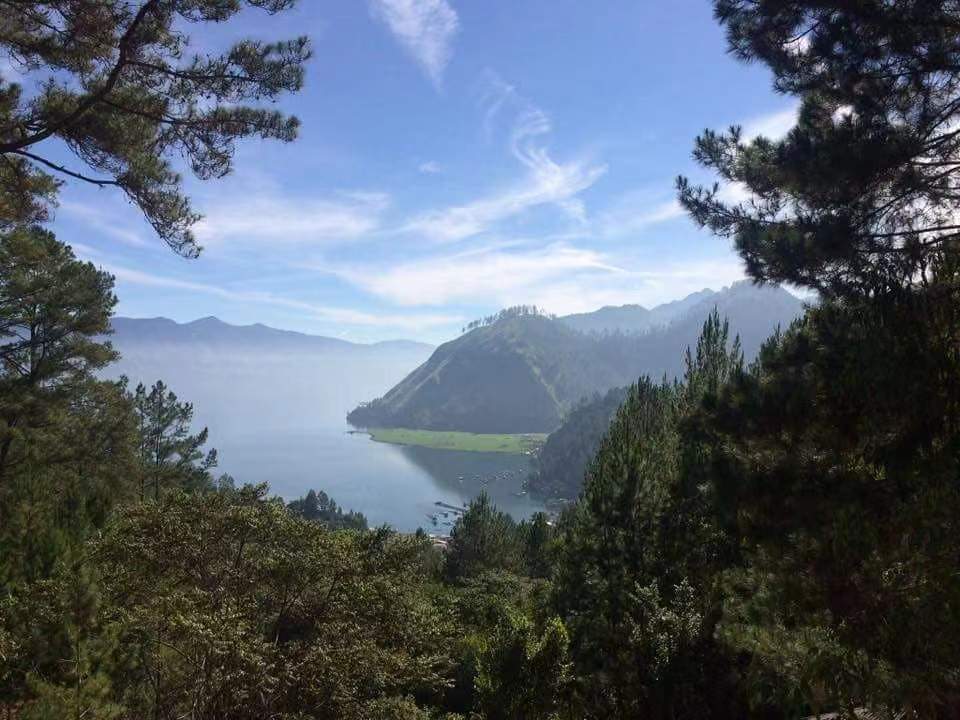
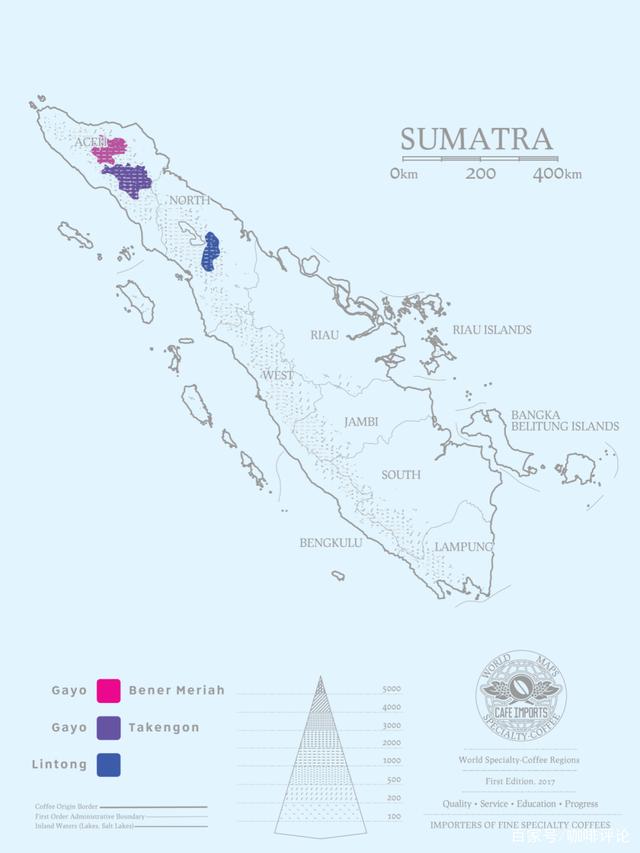
In Sumatra, Mandheling is commonly divided into the "Two Lakes and Two Mandhelings": the Lake Toba region in the north (including Lintong), which developed earlier, is called the "Old Mandheling"; while the Lake Tawar region in Aceh (such as Gayo Mountains) that developed later is referred to as the "Young Mandheling." This classification not only reflects regional differences but is also closely tied to the flavor characteristics of the coffee.
Wet Hulling: The Key Process Shaping Mandheling’s Flavor
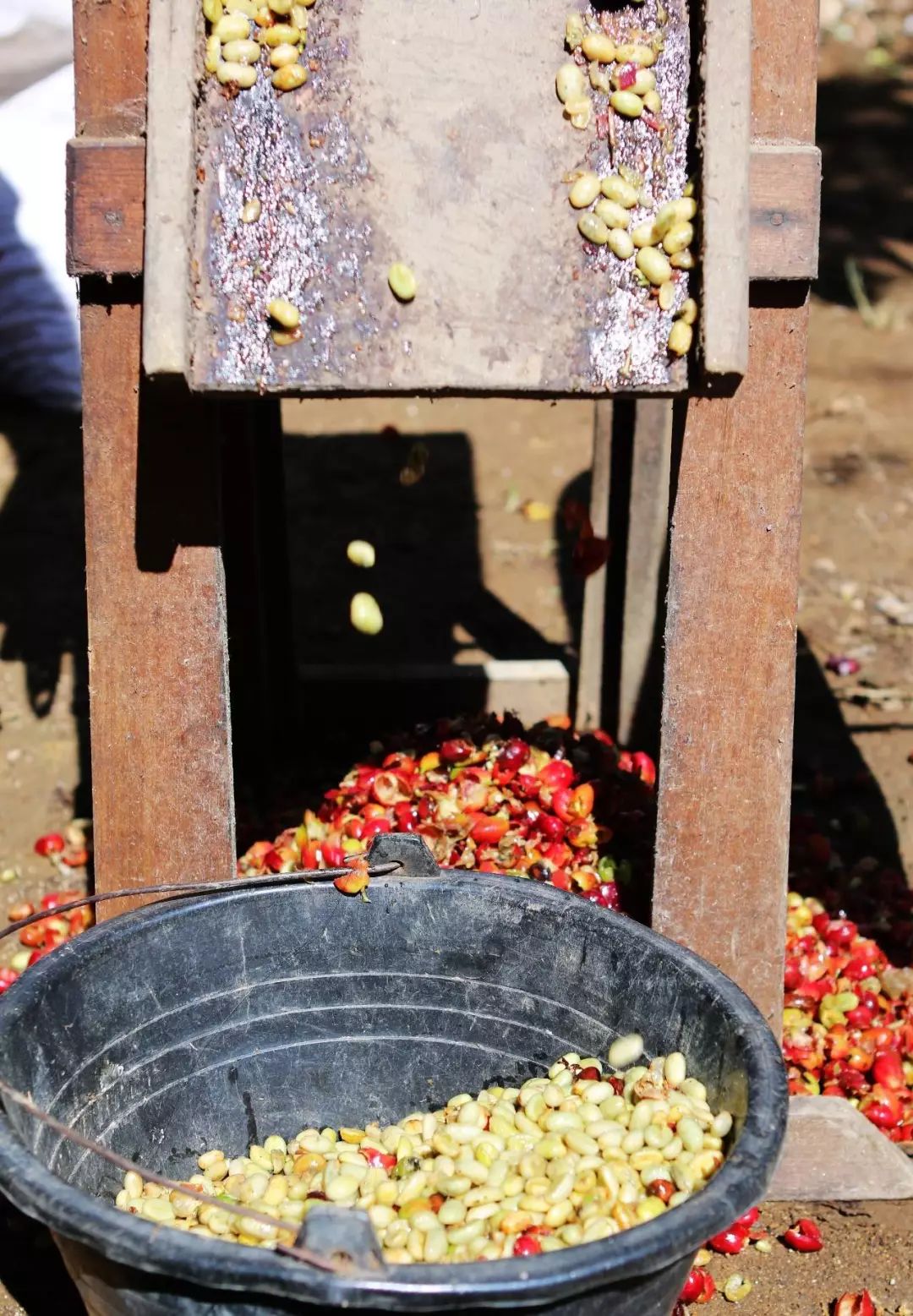
The most commonly used processing method for Mandheling is the unique "wet hulling" technique (also known as Giling Basah). Due to the region’s rainy climate, limited sunlight, and the economic constraints of smallholder farmers, more time-consuming and expensive methods like washed or fully natural processing are difficult to adopt. As a result, this locally adapted process was developed. Wet hulling involves two stages: first, removing the skin and pulp and fermenting briefly until the moisture content drops to 30%–50%, then removing part of the outer layer before continuing to dry down to 12%–13%. This method preserves rich aromatic compounds and gives Mandheling its signature bold, low-acidity profile.
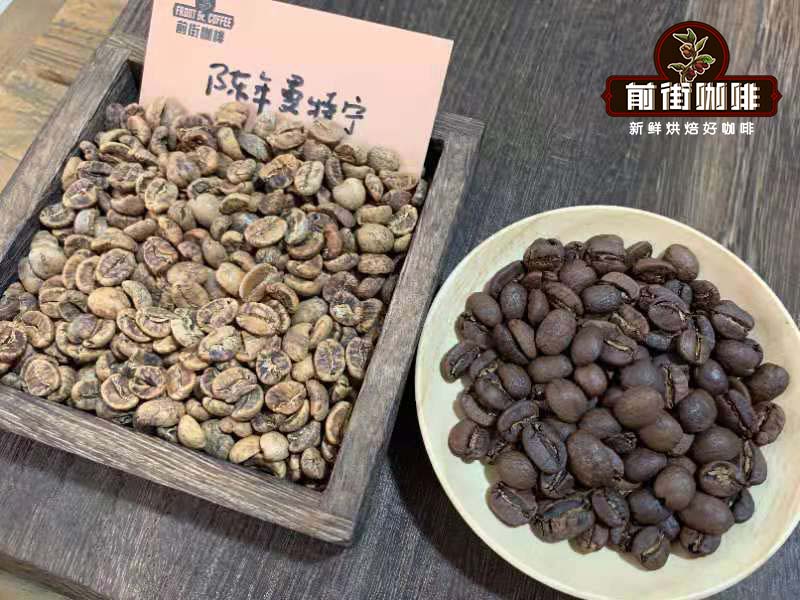
There is also "aged wet hulling," where processed green beans are stored for 2–3 years under controlled conditions, allowing the acidity to transform into sweetness and the flavors to become richer and deeper. Commercially available Aged Mandheling is a prime example of this style.
The Five Major Varieties of Mandheling and Their Flavor Characteristics
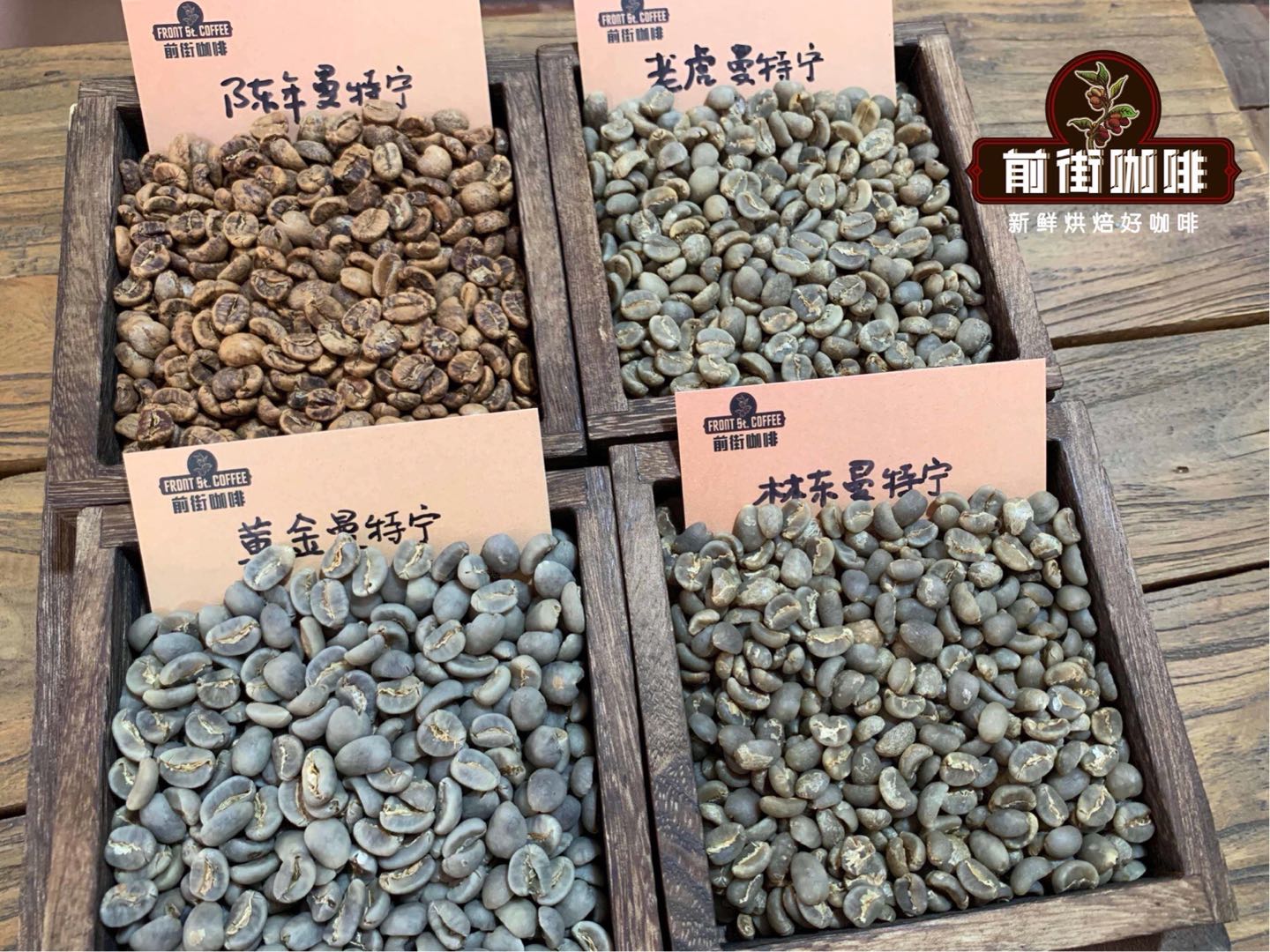
Currently, the more well-known and widely accepted Mandheling varieties in the market include Lintong Mandheling, Golden Mandheling, Tiger Mandheling, Aged Mandheling, and Natural Mandheling, each with its unique regional background and processing traits.
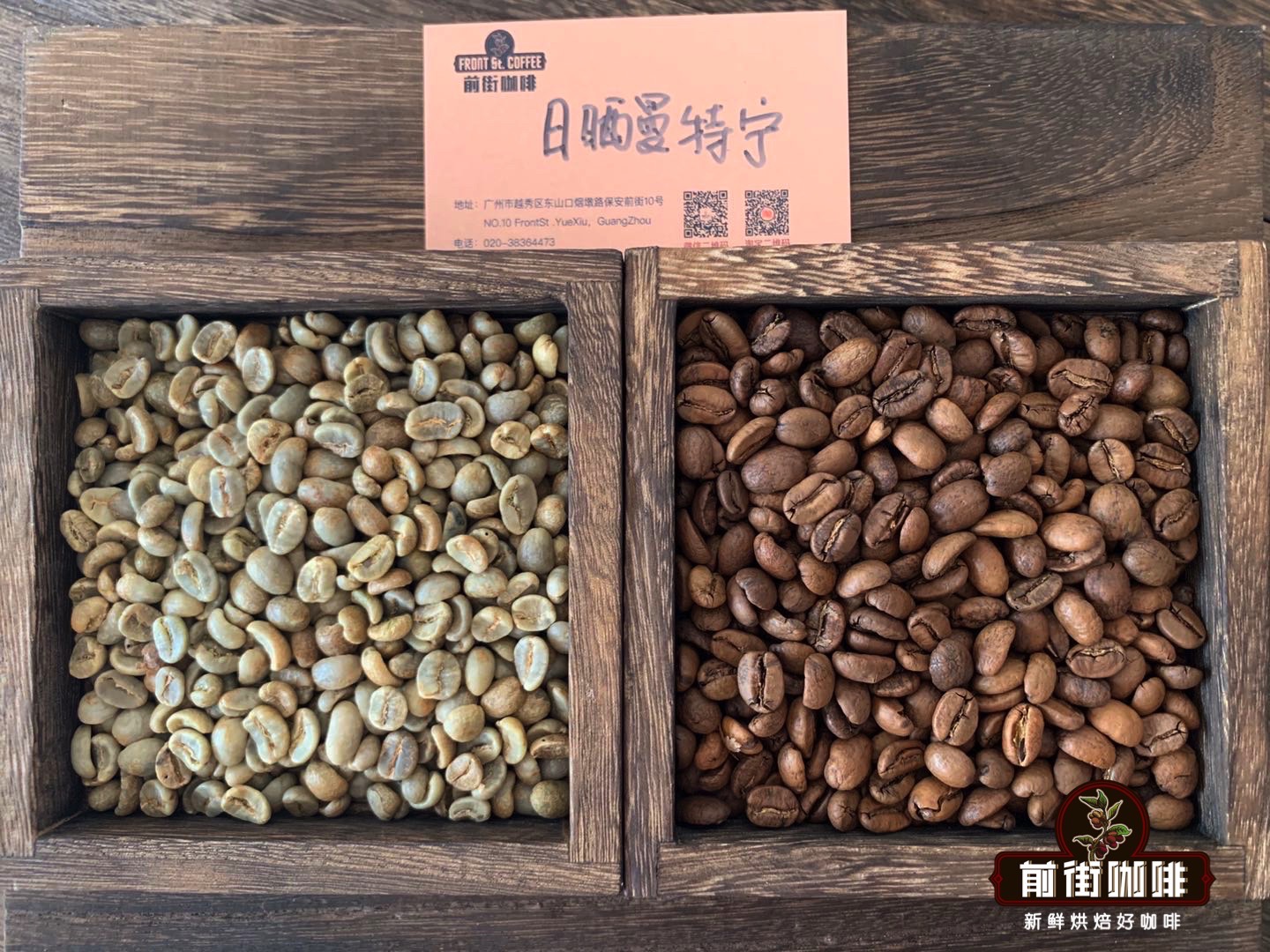
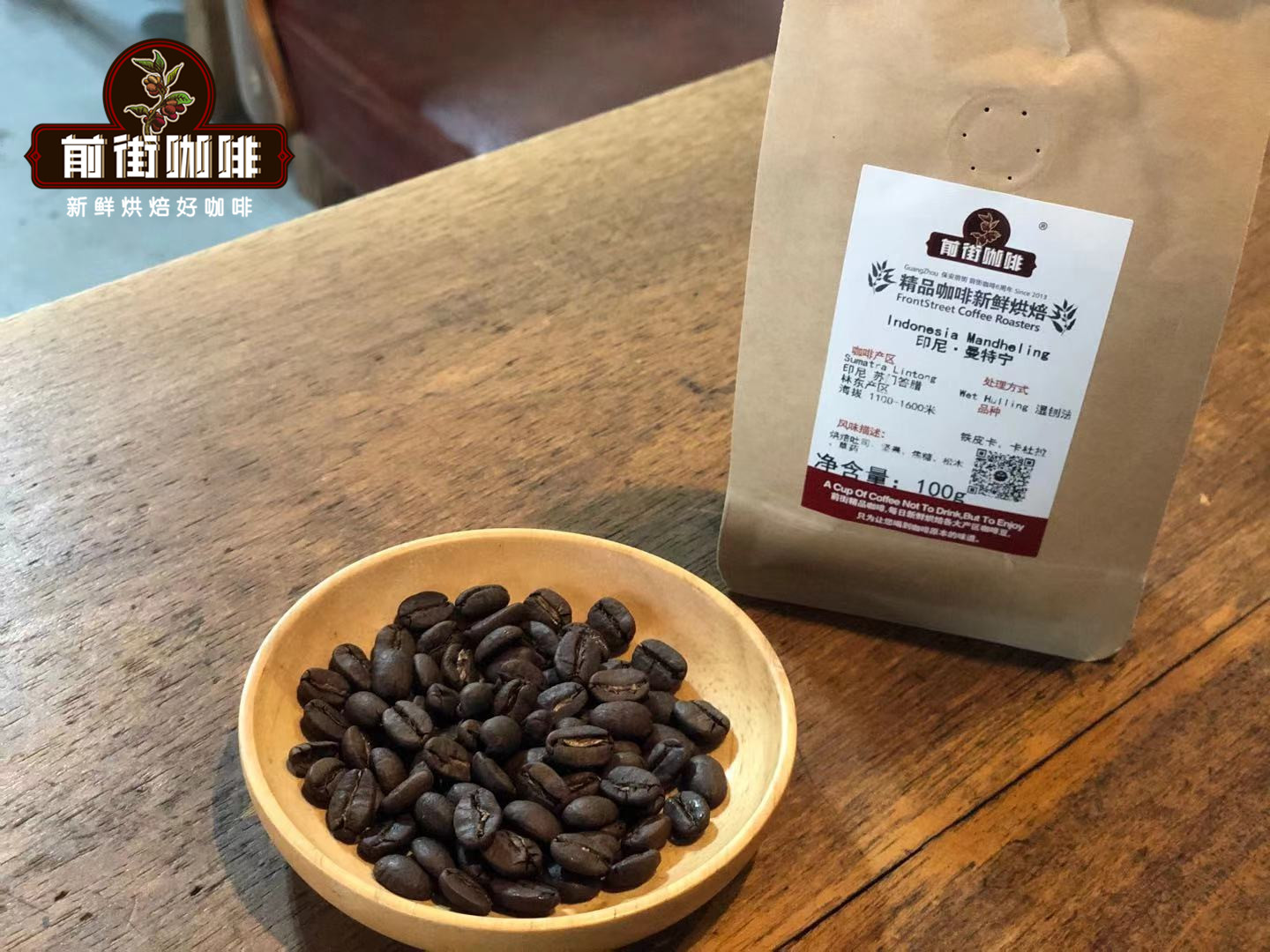
Lintong MandhelingGrown in the Lintong mountainous area in central-northern Sumatra, it is the most traditional version of Mandheling. It uses standard wet hulling, and is noted for its low acidity and high body, often featuring herbal, chocolate, and caramel notes. During the processing of the green beans, "goat hoof beans" (beans with pressure marks or splits) can occur, but these are not defects — rather, they are common features of this variety.
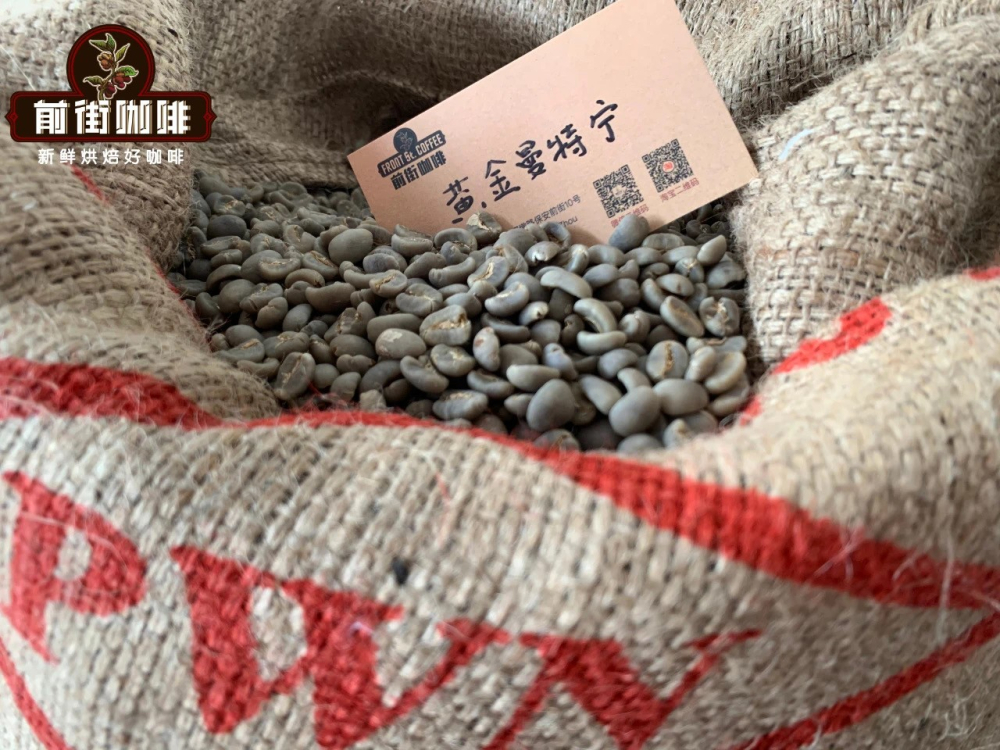
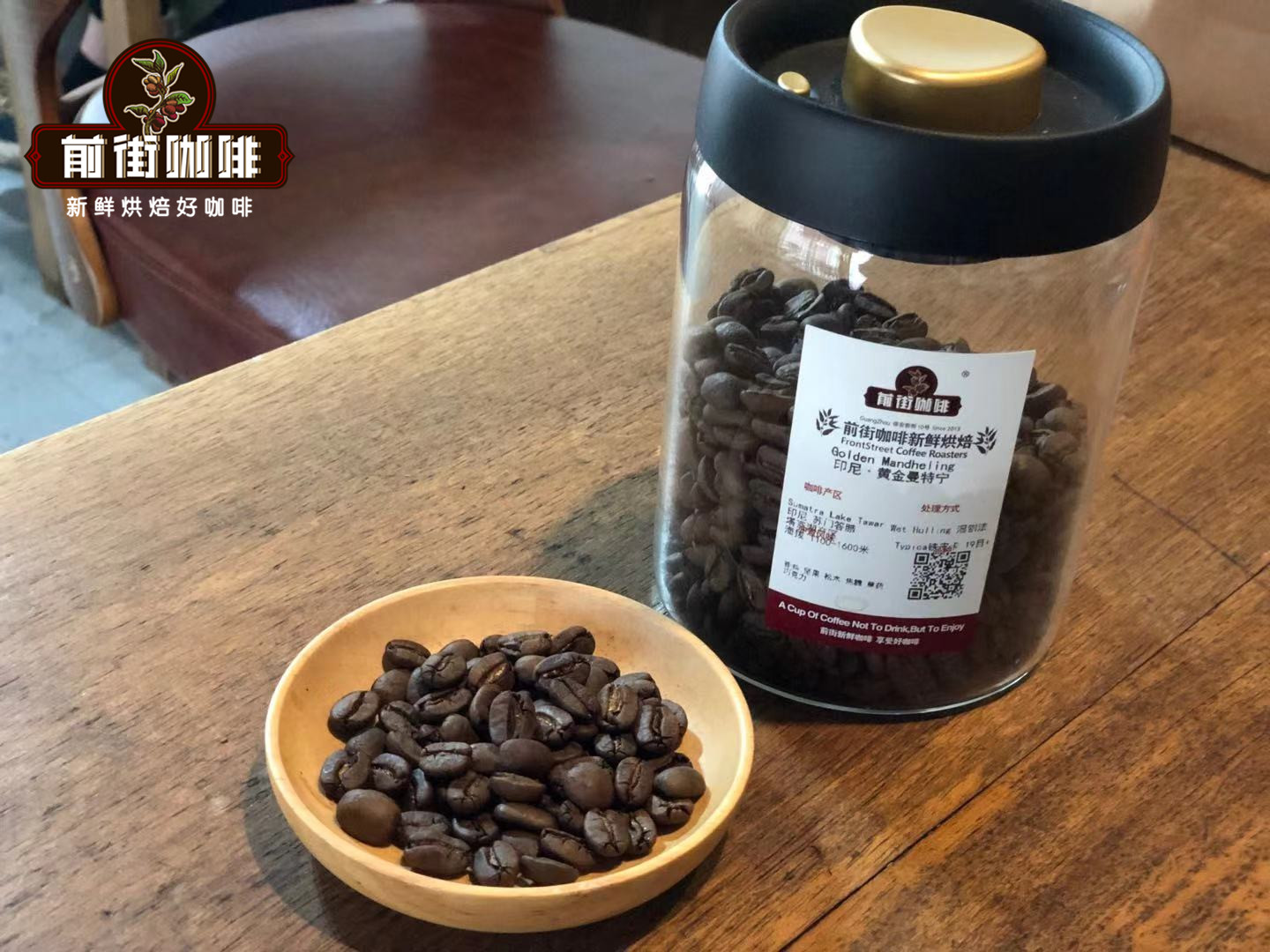
Golden MandhelingComes from the Gayo Mountains around Lake Tawar in northwestern Sumatra. Its green beans often exhibit a unique bluish-green color, and it belongs to the high-grade G1 classification, with strict screening to ensure fewer than 3 defects per 300 grams. Its flavor is clean and bright, with notes of nuts, spices, and caramel, a prominent sweetness, and is generally fresher compared to typical Mandheling.
Tiger MandhelingProduced at the Tiger Estate in Sumatra’s high-altitude regions, it emphasizes herbal and traditional Chinese medicine-like aromas. It requires beans of size 17 or above with a defect rate below 4%. The cup is bold and layered, often considered a premium example of Mandheling.
Aged MandhelingIs not simply aged over a long period, but is stored under controlled conditions to allow acidity to transform into sweetness, resulting in darker colors and rounder, more mellow flavors. It often carries complex layers such as aged pu’er, chocolate, and herbal notes.
Natural MandhelingBreaks with tradition by using the more challenging natural (dry) processing method, which is particularly rare in Sumatra’s rainy environment. This type of Mandheling often exhibits distinct tropical fruit aromas and fermentation notes, with a balanced sweet and sour profile and a smooth mouthfeel.
Roasting and Pour Over Recommendations: How to Extract the Best Flavors from Mandheling
Due to its bold flavors and common herbal and earthy notes, Mandheling is generally recommended to be roasted tomedium-dark levels, which helps reduce excessive acidity and enhances the expression of body and sweetness. For roasting equipment, professional roasters like the Yangjia 800N can be referenced, using about 550 grams of green beans, with adjustments to heat and time based on bean characteristics.
For pour over brewing, it is recommended to use a Kono filter, with water temperature controlled at86°C, a brew ratio of1:15, and grind size approximately 70–75% through a Chinese Standard No. 20 sieve (BG#6K). Use a staged extraction method: begin with a 30g bloom for 30 seconds, then pour in a small circular motion up to 125g for the first pour, wait for the water level to drop and continue pouring to 225g. Total brew time is about2 minutes 10 seconds, which effectively highlights Mandheling’s layers and rich aroma.
Flavor Summary
Different Mandheling varieties each have their own strengths: Lintong Mandheling is balanced and full-bodied, with herbal and chocolate notes; Golden Mandheling is clean and bright, with standout spice and nut aromas; Tiger Mandheling has a pronounced herbal character and pleasant sweetness; Aged Mandheling offers low acidity, charming sweetness, and woody notes; Natural Mandheling excels in fruity and fermented characteristics, appealing to those who enjoy refreshing and tangy sweetness. Regardless of the variety, mastering the right roasting and brewing methods will bring out the unique charm of Mandheling.
The above content is compiled by CoffeeHunters, a coffee news website.


