







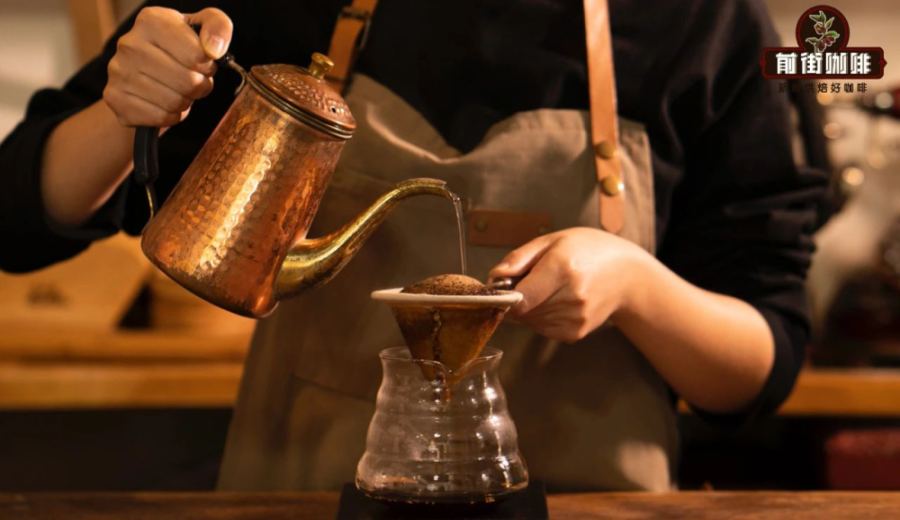
Introduction:The "Volcano Pour" is a visually striking pour-over technique in Japanese-style brewing, particularly well-suited for highlighting the rich sweetness of dark roasted beans. This article delves into the unique dynamics of coffee bed movement during this method, unveils the “high concentration, low extraction” principle behind its intense sweetness, and provides a complete step-by-step guide using a 1:12 coffee-to-water ratio and 88°C water temperature. From filter cone selection to segmented pouring intervals, along with professional-level parameter recommendations and flavor tuning advice, it helps you accurately recreate a smooth coffee experience with piney aroma and dark chocolate finish.
As a classic technique in Japanese pour-over brewing, the Volcano Pour gets its name from the volcanic eruption-like dynamic movement of the coffee bed during pouring. This method is especially effective at drawing out the deep, rounded sweetness of dark roasted beans. Its core lies in using small amounts of water with precision throughout the brew, controlling water flow intensity and pouring rhythm to create an extraction process that is both visually captivating and flavorful.
[Analysis of the Visual Effects in the Volcano Pour]
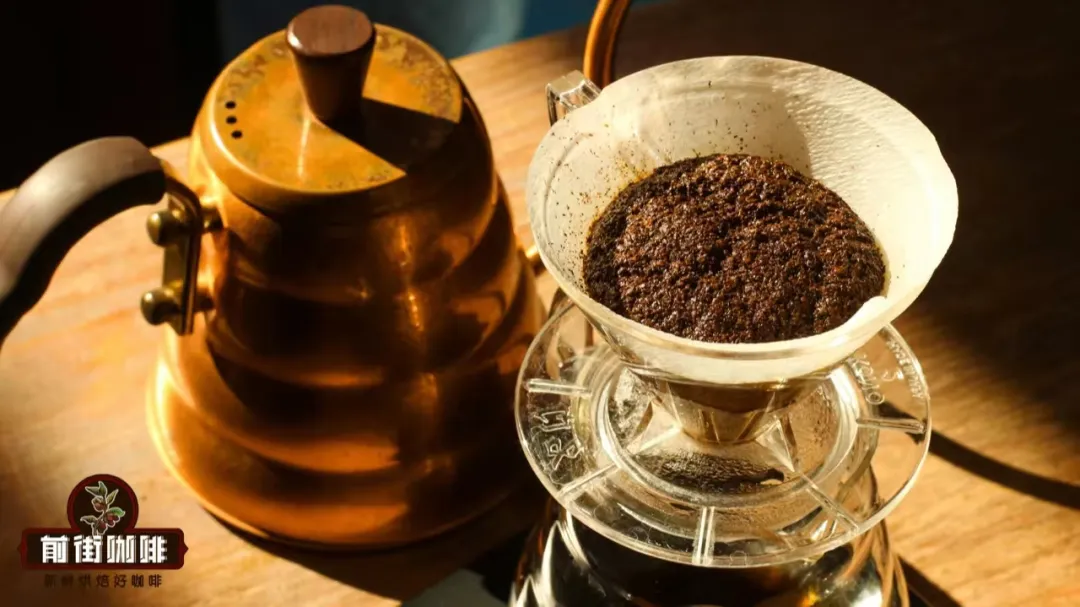
The most distinctive feature of this technique is the continuous undulation of the coffee bed during extraction, resembling flowing lava. This phenomenon stems from a special pouring strategy.During the official extraction phase, small amounts of water are poured intermittently using a fine stream throughout.Unlike conventional brewing with a strong flow, this approach allows carbon dioxide released from the coffee grounds to gradually accumulate and then burst intermittently. When hot water contacts the tightly bound coffee bed after the bloom, the built-up gases seek escape routes through limited drainage paths, creating a continuously surging foam spectacle.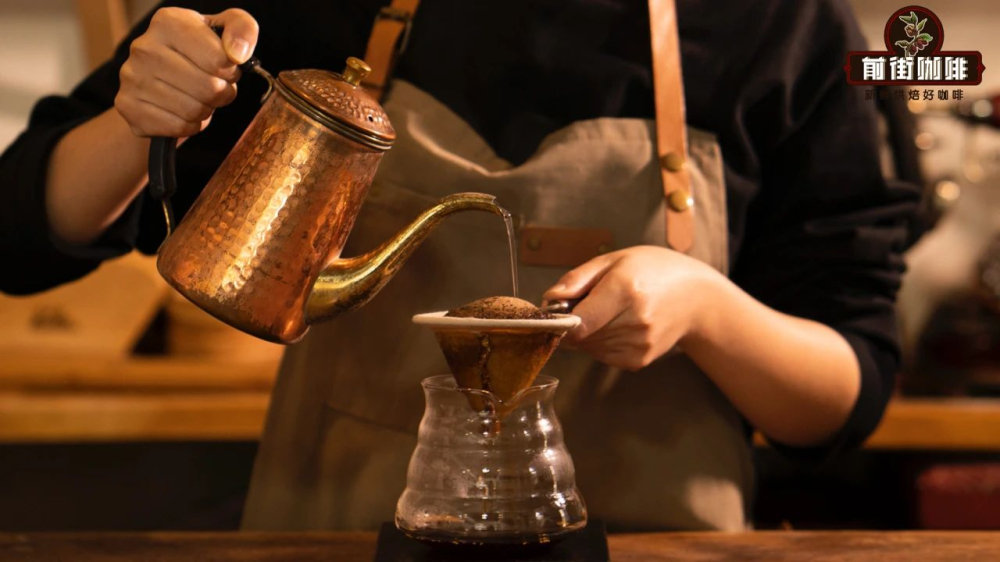
To achieve the ideal volcanic eruption effect, two key conditions must be met:The coffee beans must have a high expansion rate and sufficient retained carbon dioxide.This explains why the method is particularly well-suited for dark roasts, such as fully roasted Sumatran Golden Mandheling, whose density structure and fermentation characteristics are more conducive to producing spectacular bed movement.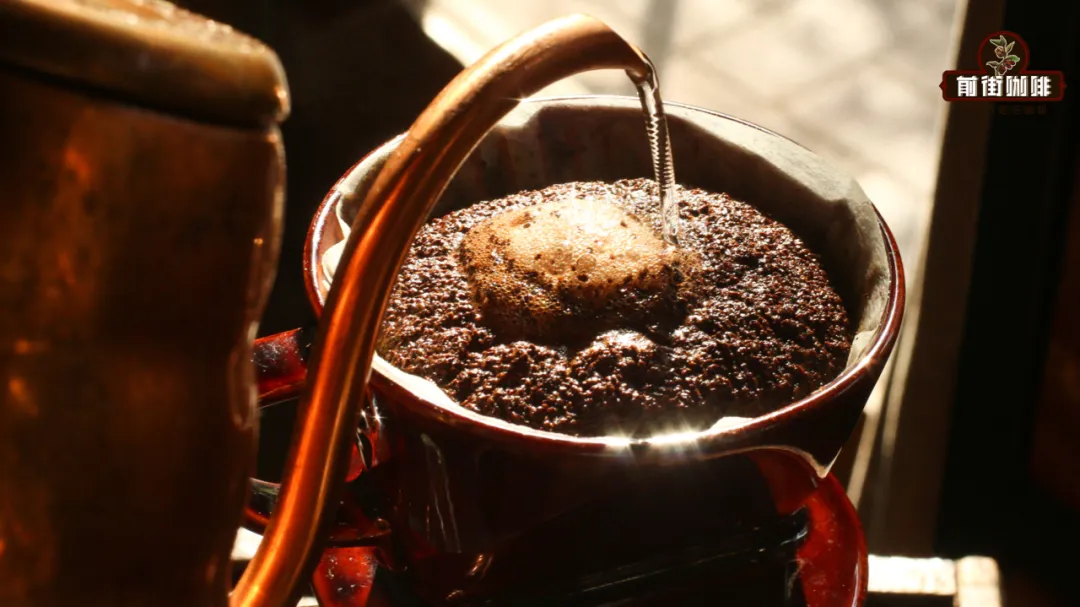
[The Science Behind the Exceptional Sweetness]
The secret to the Volcano Pour’s outstanding sweetness lies in its unique “high concentration, low extraction” brewing philosophy. Traditional Japanese pour-over methods often use a larger coffee dose with relatively less brewed liquid. This design originated in times when measurement tools were not widely available, aiming to effectively control the extraction of bitter substances. By reducing the total water volume, the method limits the overall amount of soluble compounds extracted, thereby avoiding the risks of over-extraction.
To achieve efficient transfer of flavor compounds, this technique employssegmented micro-pouring (20ml per pour) and precise interval control (about 5 seconds per pour)to establish a dual-enhancement mechanism: on one hand, ensuring each pour contacts a lower-concentration water body, which enhances the solvent's efficiency in extracting coffee components; on the other hand, extending the total brew time (which can exceed 3 minutes) to promote full dissolution of flavor substances. It’s important to note that the grind size should be adjusted toa coarse sugar-like consistency (approximately 70% extraction rate, similar to Ek43 grinder setting 11)to prevent the release of astringent or off-flavor compounds during prolonged extraction.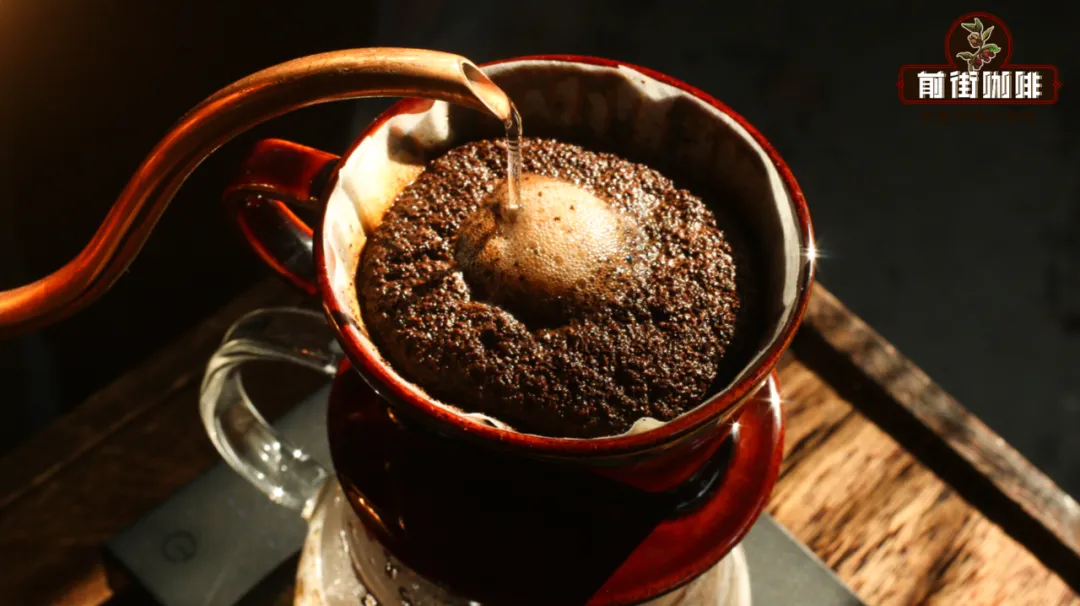
[Professional-Grade Parameter Guide]
It is recommended to use a Kalita trapezoid filter cone with the following standardized parameters:
• Coffee beans: Dark roasted Golden Mandheling from Sumatra
• Coffee dose: 20 grams (measured precisely)
• Coffee-to-water ratio: 1:12 (final brew liquid volume 240ml)
• Water temperature: 88°C (precise control within ±1°C)
• Filter cone: Kalita trapezoid three-hole filter (ensures even drainage)
The actual brewing process is divided into two core stages:
1. Bloom stage: Pour 40ml of hot water to cover the entire coffee bed and let it sit for 30 seconds. This step activates the coffee grounds and releases initial carbon dioxide. Be careful not to disrupt the coffee bed structure while pouring.
2. Segmented extraction: Perform 20ml center-circle pours at 5-second intervals. Start the next pour when the coffee bed surface has sunk by about 1 centimeter. Continue this process until the total target water volume is reached (it is recommended to dilute after pouring 190–200ml in total).
[Flavor Optimization and Serving Suggestions]
Due to the low final brew volume, add 50–60ml of hot water after brewing to adjust the concentration. The diluted final cup should present:
• Dry aroma: Prominent piney spice notes with roasted nutty tones
• Mouthfeel: Silky, full body accompanied by a clear dark chocolate aftertaste
• Flavor profile: Balanced layers with prominent caramel sweetness in the mid-palate and a warm woody finish
Serving in a preheated ceramic cup is recommended. The optimal drinking temperature range is 65–75°C, and pairing with lightly roasted sea salt biscuits can enhance the overall flavor experience.
The above content is compiled by CoffeeHunters, a coffee news website.


