








Introduction:Want to master espresso extraction techniques with precision? This article delves into the core elements—dose, coffee-to-water ratio, extraction time, flow rate, and water temperature—to tailor the optimal extraction plan for different blends of coffee beans. It also teaches you how to assess whether the coffee extraction has reached an ideal state through methods such as observing flow rate and using a refractometer, while providing real-life case studies to illustrate parameter adjustment techniques. This will help improve your extraction stability and flavor performance.
Brewing a well-balanced and layered espresso is never about applying a single formula. Every factor—from the roast level and freshness of the coffee beans, to the grind size of the grinder, the extraction pressure of the machine, and the control of water temperature—affects the final taste. This article will take you through key aspects such as dose, coffee-to-water ratio, extraction time, flow rate, pressure, and water temperature, to help you deeply understand how to adjust the most suitable espresso extraction plan for the blend you’re using. It also explains the adjustment process when flow rate is abnormal, and how to use a concentration tester to evaluate extraction results. This will guide you step-by-step in refining your espresso-making skills.
First, the choice of dose is extremely critical as it directly impacts the structure of the coffee puck and the speed at which water flows through. Generally, the dose should be adjusted based on the capacity of the portafilter basket. Too little leads to a loose puck and fast water flow, causing under-extraction; too much makes the puck too compact, not only slowing down the flow but possibly preventing proper extraction of coffee liquid. Based on practical experience, a single shot of espresso is recommended to use 7 to 9 grams of coffee grounds, and a double shot around 18 to 20 grams, though minor adjustments should be made according to the daily condition of the beans.

Next, let’s talk about the coffee-to-water ratio, which refers to the proportion between the weight of coffee grounds and the final weight of extracted coffee liquid. The common range is from 1:1.5 to 1:2.5, with 1:2 being the most standard—for example, using 17 grams of coffee grounds to extract 34 grams of coffee liquid. This ratio significantly affects the intensity and flavor profile of the coffee: if the ratio is too low, the coffee may taste overly strong or even bitter due to over-extraction; conversely, a higher ratio leads to a weak flavor, often accompanied by sourness and under-extraction. For example, for a blend combining sun-dried Yirgacheffe and Honduran sherry cask flavors, to highlight its unique whiskey aroma, the coffee-to-water ratio is usually adjusted between 1:1.9 and 1:2, making the flavors more concentrated and layered.
Extraction time is also a crucial factor influencing flavor. It refers to the entire duration from the start to the end of extraction. This duration is mainly affected by grind size and coffee-to-water ratio: the higher the ratio, the more water is needed, naturally extending the time; the finer the grind, the more compact the puck, increasing water resistance and thus prolonging extraction time, though it can also lead to over-extraction. Additionally, the freshness of the coffee beans also affects extraction performance. Fresh beans contain a lot of carbon dioxide, which tends to create emulsification reactions under high pressure—not only extending extraction time but also producing rich crema and yellow foam. In contrast, stale beans have reduced water absorption, accelerating flow and shortening extraction time, resulting in thinner crema.
Flow rate—the speed at which coffee liquid flows out—is the ultimate manifestation of the overall extraction parameter tuning. An ideal espresso typically starts dripping its first drop of liquid around the 5-second mark after extraction begins, followed by a steady and continuous flow. As a practical example, using 18 to 20 grams of coffee to extract 35 to 40 milliliters of coffee liquid, with an overall extraction time of about 27 to 30 seconds, this kind of flow rate effectively reflects whether the grind size and ratio are properly set.
As for pressure, the standard extraction pressure for most professional espresso machines is 9 bar, a key parameter determined by machine performance. Too low a pressure leads to poor extraction efficiency, failing to fully bring out coffee flavors; too high a pressure can easily cause over-extraction, affecting taste balance. Therefore, when choosing an espresso machine, it is recommended to carefully compare its performance parameters, rather than relying solely on price as the basis for selection.
Water temperature also plays a pivotal role. When abnormal flow rate is observed, it is recommended to troubleshoot and adjust from multiple angles. Flow rate that is too fast or too slow may stem from grind size, tamping pressure, as well as the current state of the coffee beans (including roast level and freshness). The coarser the grind, the faster the flow rate; the finer, the slower. Additionally, insufficient tamping may also result in fast flow, while the bean's degassing condition and roast freshness also affect the speed of water flow.
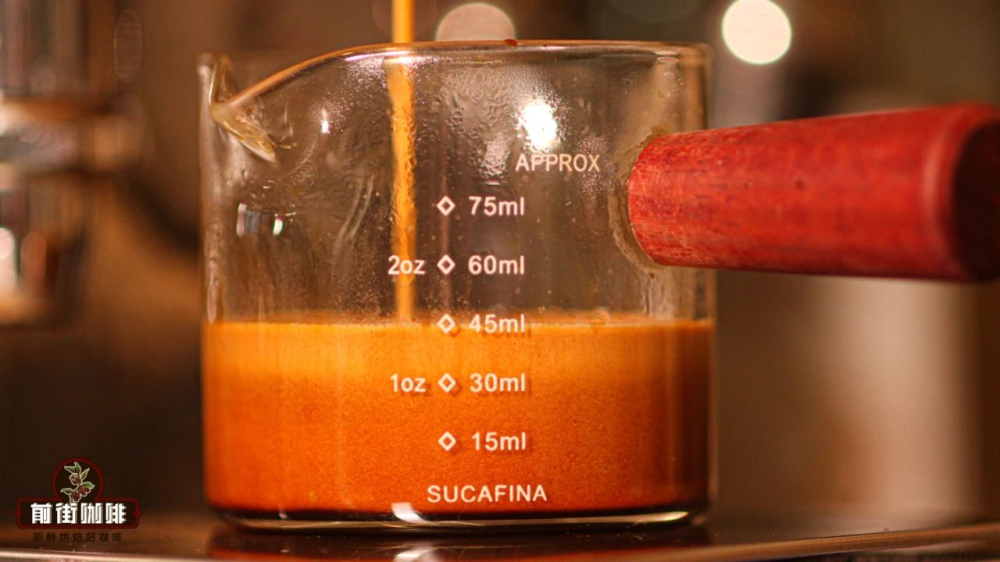
Therefore, when you find the flow rate of your espresso is abnormal, you might consider adjusting using the following steps: first, check the condition of the coffee beans, as this is the most intuitive and easy-to-judge factor; then confirm the extraction parameters, including dose, coffee liquid volume, and tamping pressure. It is recommended to first adjust the coffee-to-water ratio, and modify the dose to alter flow rate, which usually yields quick results; if the above adjustments still don’t help, then consider further adjusting the grind size.
Finally, how do you determine if the concentration of your espresso falls within the ideal extraction yield range? Concentration refers to the proportion of "extracted coffee substances" in the total weight of the liquid, generally between 8% and 12%; extraction yield is the proportion of "extracted coffee substances" relative to the original weight of the coffee beans, with an ideal range of 18% to 22%. To measure accurately, first calibrate the refractometer with pure water, then stir the freshly extracted espresso, use a pipette to take coffee liquid from the center, and place it in the instrument for measurement. It is advised to take multiple measurements to ensure numerical stability. As for extraction yield, it can be calculated using the formula "extraction yield = concentration × coffee liquid weight ÷ coffee bean weight".
Taking a real-life case as an example: if using 19 grams of coffee grounds to extract 40 milliliters of coffee liquid in 28 seconds, and measuring a concentration of 8.97%, then the extraction yield is (8.97 × 37) ÷ 19 ≈ 18.44%. This indicates that the concentration and extraction yield of this espresso fall within the golden cup range. However, it’s worth noting that even if the values are within the golden cup range, it doesn’t necessarily mean the coffee suits everyone’s taste. After all, coffee flavor is highly subjective. Continuous experimentation and adjustment to find your favorite flavor is the true essence of enjoying and making coffee.
The above content is compiled by CoffeeHunters, a coffee news website.


