







Introduction:Capsule coffee, with its simple operation and consistent flavor, has become the preferred choice for many office workers and home coffee enthusiasts. Especially after the pandemic, the sales of capsule coffee machines and capsules have surged significantly, with the global market expected to exceed $9.8 billion by 2032. This article delves into the origins of capsule coffee, the strategies of major brands, and thoroughly answers practical questions such as "how many cups can one capsule make," helping readers choose the most suitable capsule coffee solution for their needs.
In today’s fast-paced life, coffee has become an indispensable daily pick-me-up for many. Whether in the office or at the library, when you want to quickly enjoy a rich cup of coffee, aside from traditional pour over or drip bags, capsule coffee has gradually carved out a place for itself thanks to its convenience and consistent flavor.
Especially during the pandemic, as physical coffee shops faced operational restrictions, more consumers turned to brewing at home, leading to strong sales performance for capsule coffee machines and related capsule products. According to market research firm Future Market Insights (FMI), the global capsule coffee market is expected to surpass $9.8 billion by the end of 2032—equivalent to over NT$300 billion—demonstrating the strong growth potential of this niche market.
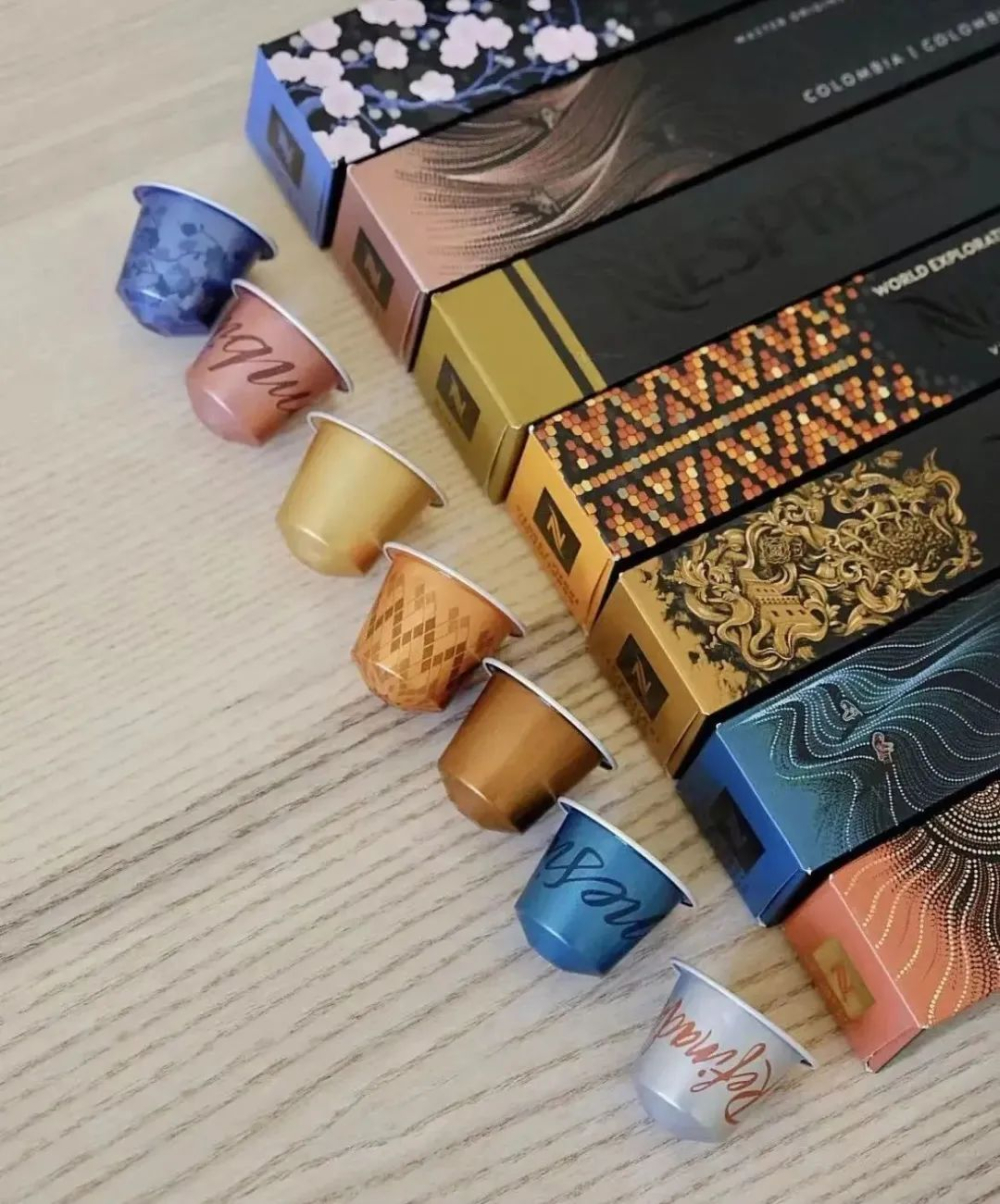
Capsule coffee refers to carefully selected and roasted coffee beans that are ground into uniform, fine coffee powder and then sealed in specialized capsules made of aluminum foil or food-grade plastic. This design effectively preserves the original aroma and freshness of the coffee. To use, simply insert the capsule into a dedicated machine for a short extraction to enjoy a rich espresso.
The concept of capsule coffee originated as early as 1976, proposed by Mr. Eric Favre, a researcher at Nestlé’s Swiss headquarters, and successfully commercialized, laying the foundation for the modern capsule coffee system. Its design not only improved brewing efficiency but also significantly lowered the barrier for making professional-level coffee at home or in the office.
When it comes to capsule coffee brands, most consumers first think of Nespresso under Nestlé. This brand has long dominated the market, not only offering a wide range of machine models but also a rich variety of capsule flavors. However, as market demand has expanded, other well-known brands—including Starbucks, illy, JDE Peet’s, and Sumida River—have also entered this field, launching their own exclusive capsule products, providing consumers with more choices.
Starbucks formed a global coffee alliance with Nestlé many years ago and has actively expanded into key markets such as China, launching the “Starbucks at Home” series, which includes a significant proportion of capsule coffee options. According to official data, among the first 21 products launched through the partnership, 15 were capsule coffees, highlighting the emphasis placed on this category.
JDE Peet’s began cultivating the capsule coffee market as early as 2016 and announced in 2020 an investment of approximately €110 million (about NT$3.5 billion) to expand its global capsule production lines, demonstrating confidence in future market growth, particularly in the consumption potential of the Asian region.
With technological advancements, today’s capsule coffee not only emphasizes convenience but also focuses on flavor restoration and layered expression. Many brands achieve this through unique roasting profiles and grind size designs, allowing each capsule to deliver a flavor profile close to that of a professionally brewed pour over by a barista. Coupled with the pressure and water temperature control of dedicated machines, this ensures stable and consistently high-quality extraction.
So, how many cups can one capsule coffee make? This actually depends on the capsule specification and personal drinking preferences. Taking the market-leading Nespresso series as an example, a standard capsule can extract approximately 25 ml (extra strong), 40 ml (medium strong), or 110 ml (large cup) of espresso, depending on the settings. Generally speaking, if using the standard espresso measurement of 25–40 ml, one capsule is typically recommended for just one cup.
As for whether the same capsule can be used for multiple brews? The answer is not recommended. Although it may seem that there is unused coffee powder left in the capsule, because coffee powder itself is not water-soluble, what remains after extraction is coffee grounds. Re-brewing will only extract minimal residual flavor, resulting in a significantly weaker taste—almost like plain water—much like trying to re-brew used tea leaves for a strong cup.
In summary, capsule coffee, with its convenience, speed, and consistency, has become part of modern life. From brand selection to how to use a single capsule, as long as you understand the key parameters and proper usage, you can easily enjoy café-quality coffee at home. Whether you’re a beginner or a coffee enthusiast seeking a more efficient solution, understanding these details can take your capsule coffee experience to the next level.
The above content is compiled by CoffeeHunters, a coffee news website.


