








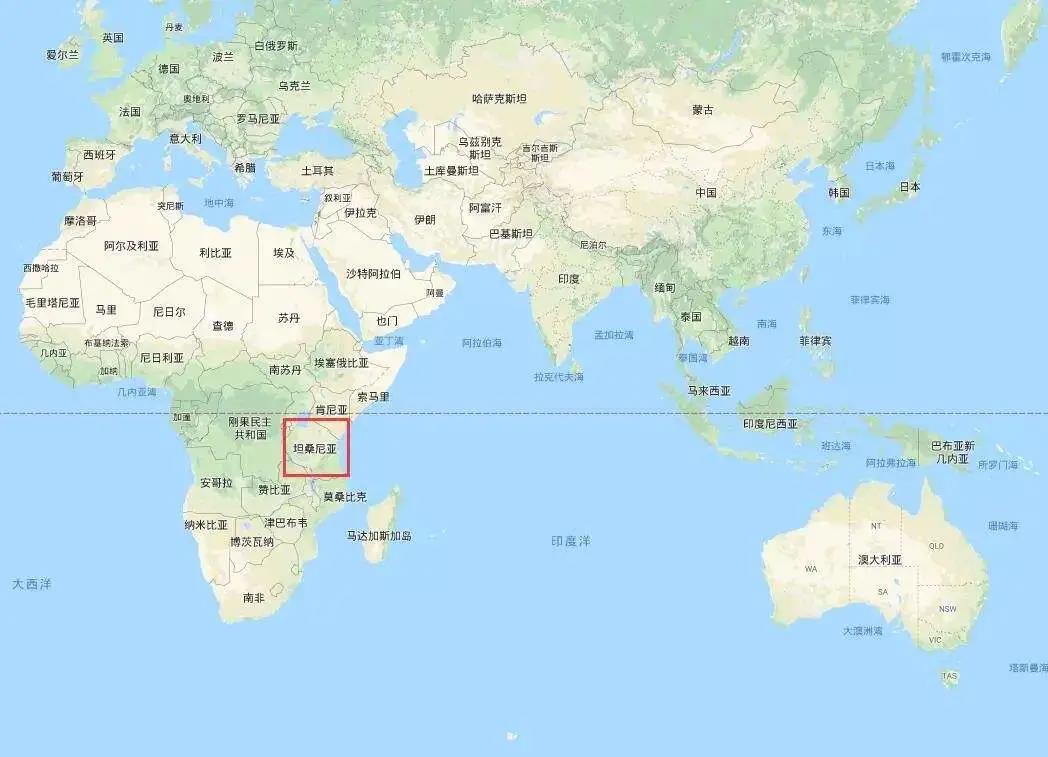
Introduction:As one of the key regions for specialty coffee in East Africa, Tanzania is renowned for its washed processing method. Its coffee beans are known for bright acidity and gentle sweetness, especially those from the Kilimanjaro region and the southern areas of Ruvuma and Mbeya. This article delves into the terroir characteristics, main cultivated varieties, grading and processing methods of the country’s major coffee-growing areas, and offers practical pour over parameters along with cupping flavor references to help you fully appreciate the unique charm of Tanzanian coffee — from origin to cup.
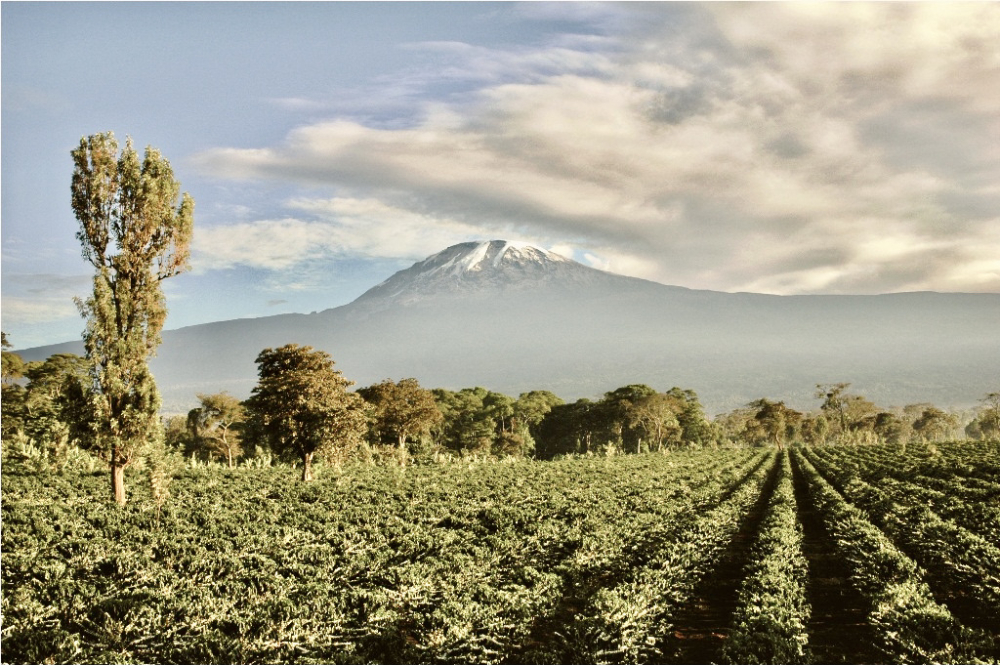
Tanzania is an important producer of specialty coffee in East Africa. Its washed coffee beans are loved by many coffee enthusiasts for their bright acidity and gentle sweetness. From the volcanic slopes of Mount Kilimanjaro in the north to the Ruvuma and Mbeya plateaus in the south, Tanzania’s geography and climate provide ideal growing conditions for coffee. This article will provide a detailed analysis of the characteristics of the country’s main producing regions, the background of coffee varieties, grading and processing techniques, as well as practical pour over recommendations to help you gain a deeper understanding of the flavor logic behind Tanzanian coffee.
The History and Varietal Heritage of Tanzanian Coffee
The history of coffee cultivation in Tanzania dates back to 1898, when the Bourbon variety was introduced to the Kilimanjaro region by Catholic missionaries, laying the foundation for the country’s coffee industry. By 1920, the Kent variety, originating from India and a hybrid descendant of Typica, was introduced. It boasts strong disease resistance and high yield potential. To this day, Bourbon and Kent remain the main varieties grown in Tanzania. Among them, Bourbon coffee features compact fruit, high sweetness, and bright acidity, but it has relatively low yield and is susceptible to leaf rust. Kent is valued for its stable yields and disease resistance, often used in both commercial and some specialty-grade production.

Major Producing Regions and Terroir Differences
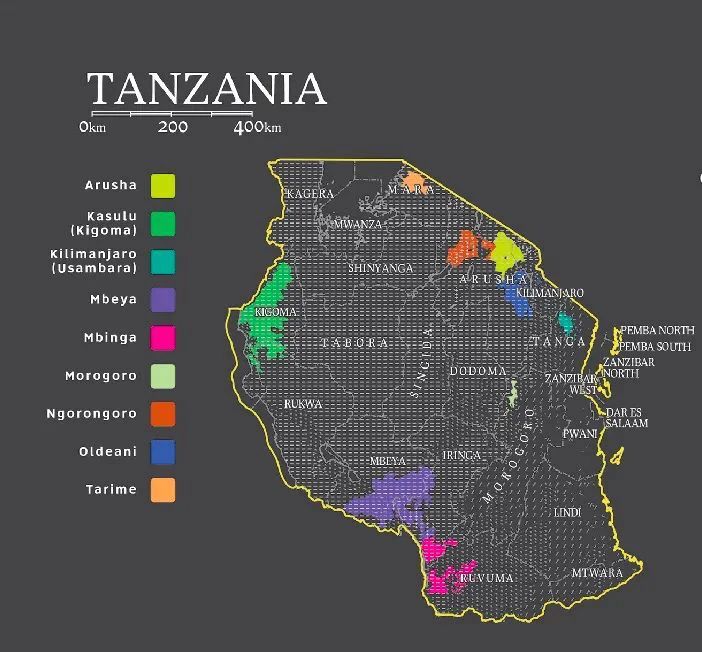
Coffee cultivation in Tanzania is primarily concentrated in the highland areas of the north and south, including well-known regions such as Kilimanjaro, Ruvuma, and Mbeya. Kilimanjaro is the oldest Arabica coffee-producing region in Tanzania, with a planting history of over a century. The region’s elevation ranges from 1,050 to 2,500 meters, with the main harvesting season from July to December. Despite having well-established infrastructure due to its long coffee-growing history, some coffee trees in the area have aged, and in recent years the region has faced competition from other crops.
The Ruvuma region is located in the southernmost part of Tanzania, near the Ruvuma River basin, with the main planting areas concentrated in Mbingo. Elevations here range from 1,200 to 1,800 meters, and the harvesting period is from June to October. This area is considered an emerging region with high-quality potential, and its future development is worth watching.MbeyaThe Mbeya region, located around southern Tanzanian cities, is also a significant area for the production of coffee, tea, cocoa, and spices. The elevation ranges between 1,200 and 2,000 meters, and harvesting takes place from June to October as well. The region has gradually improved coffee quality and international reputation thanks to the involvement of multiple certification bodies and non-governmental organizations.
Grading System and Washed Processing Method
Like its neighbor Kenya, Tanzania uses a grading system based on coffee bean size. Green beans are screened through sieves with fixed apertures; the larger the sieve number, the bigger the bean size.AA Gradeis the highest grade, with bean sizes of 17–18 mesh (approximately 7.20 mm sieve);AB Gradeis slightly smaller, with sizes of 15–16 mesh (6.8 mm to 6.2 mm);PB Graderefers to peaberry beans, which make up about 10% of the total;C Gradeconsists of even smaller beans, screened through 12–14 mesh (4.8 mm to 5.6 mm). This grading method helps provide an initial assessment of the coffee’s potential quality and flavor concentration.
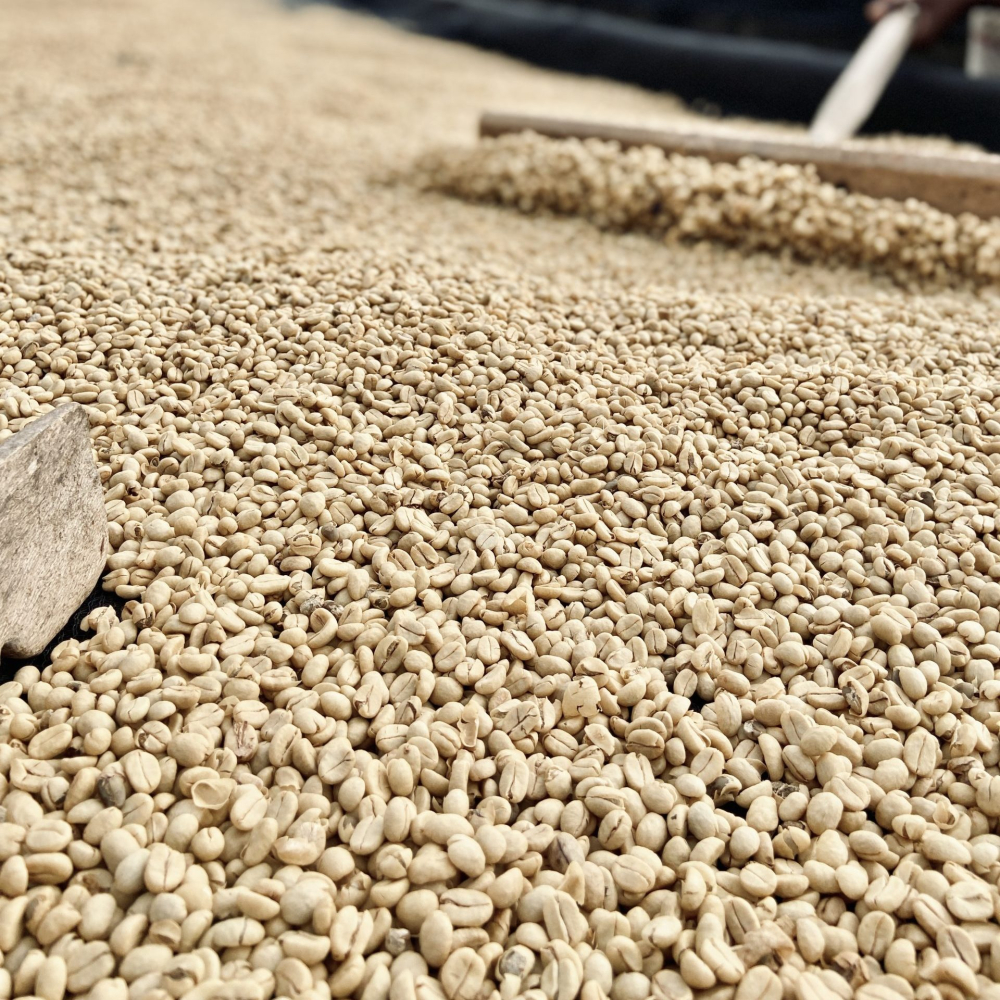
In terms of processing, Tanzanian coffee is mostly washed. The steps include: first removing impurities, then stripping the coffee pulp and outer skin, followed by fermenting the mucilage-covered beans in tanks to remove the mucilage, and finally washing and drying the beans. This method effectively highlights the coffee’s cleanliness and acidity while preserving its sweet characteristics.
Kilimanjaro AA: Citrus and Berry Notes Under Medium-Light Roast
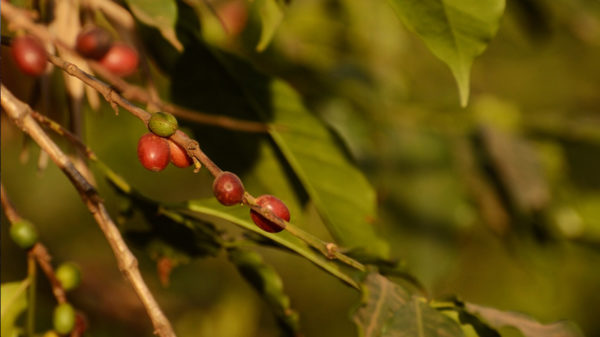
Tanzanian AA-grade coffee produced in the Kilimanjaro region is predominantly of the Bourbon variety, grown at elevations between 1,300 and 2,000 meters. This bean type is known for its pronounced acidity and sweetness, often described as having the demeanor of a “coffee gentleman.” After medium-light roasting, the acidity becomes even crisper, paired with cupping flavors of citrus, berries, and a tea-like profile — making it highly suitable for drinkers who prefer balanced taste profiles.
For pour over, we recommend using a V60 dripper, with about 15 grams of coffee, a 1:15 coffee-to-water ratio, and water temperature controlled at around 91°C. The grind size is suggested to be 80% passing through a 20-mesh sieve. The pouring technique can be divided into three stages: the first stage involves blooming 30 grams of water for 30 seconds, then pouring 125 grams of water in a circular motion. When the water level drops halfway, add another 225 grams of water. The total extraction time is about 2 minutes. These parameters help to fully showcase its layers of berry, citrus, and gentle caramel notes.
Berry and Floral Potential in Southern Regions
Beyond the northern Kilimanjaro region, the Ruvuma and Mbeya regions in southern Tanzania are also gaining attention. The coffee from these areas is also primarily washed processed, and under appropriately medium-light roasting, they often exhibit notable floral, berry, and nutty notes. Some batches even feature hints of slight fermentation aroma. For pour over, it is recommended to maintain similar extraction parameters, adjusting grind size and water temperature slightly according to actual flavor profiles to fully express their regional character.
In summary, Tanzanian coffee, with its diverse regional terroirs, clear washed processing style, and well-balanced acidity and sweetness, serves as an excellent starting point for exploring specialty coffee from East Africa. Whether you’re a beginner or an advanced pour over enthusiast, you’re sure to find flavor profiles that suit your personal preferences.

The above content is compiled by CoffeeHunters, a coffee news website.


