







Introduction:Americano is a daily pick-me-up for many people, but do you know how its caffeine content is calculated? What are the differences in flavor and brewing methods between hot and iced versions? This article explains in detail the evolution of the definition of Americano, the factors affecting its caffeine content, the golden ratio of espresso to water, and provides detailed brewing processes for both hot and iced Americanos. Whether you're a coffee beginner or an enthusiast looking to refine your skills, you can grasp key knowledge here and brew a balanced, delicious Americano at home.
Americano is a daily beverage for many coffee lovers, but there are still many questions about its caffeine content, the differences between hot and iced versions, and how to make a drink with stable flavor at home. This article will delve into the origins of Americano, the key factors that influence caffeine levels, the choice of espresso-to-water ratios, and provide a detailed introduction to the actual brewing steps for both hot and iced Americanos. Additionally, it will share how to adjust extraction methods based on the characteristics of different coffee beans, and offer a reference for recommended daily intake, helping you better understand this classic black coffee.
The English name for Americano is derived from the Italian term Caffè Americano. Traditionally, it refers to black coffee brewed by drip filtration, which usually takes about four to five minutes, resulting in relatively high caffeine release. However, the Americano commonly found in modern coffee shops is typically made by diluting espresso with a large amount of hot water, a method that has become the standard offering in coffeehouses worldwide.
< >
The creation of Americano was mainly to cater to the American market's preference for a milder-tasting coffee. Early Italian immigrants to the United States found that local consumers were not accustomed to the strong taste of traditional Italian espresso, so they mixed espresso with hot water to create a beverage that falls between espresso and drip coffee. This practice gradually evolved into the well-known Americano we see today and has become popular all over the world.
When it comes to the caffeine content of Americano, you can't judge by the name of the drink alone. The key lies in the type of coffee beans used and the brewing method. For example, Arabica beans contain about 0.9% to 1.4% caffeine, while Robusta beans can be as high as 3.2% to 4%. Therefore, Americanos made with different types of beans can have significantly different caffeine concentrations.
In addition, the brewing time also affects the amount of caffeine released. For instance, espresso is typically brewed in just about 30 seconds, resulting in generally lower caffeine content compared to other brewing methods. On the other hand, cold drip coffee, which can take several hours to brew, tends to have a relatively higher caffeine content. It's worth noting that when assessing the caffeine level of an Americano, the focus should be on the amount of espresso used, not the total volume of the drink. For example, a 300 ml Americano made with 60 ml of espresso and 240 ml of water may have a higher caffeine content than a 500 ml version containing only 30 ml of espresso.
< >
Generally speaking, a single shot of espresso (about 30 ml) contains approximately 130 mg of caffeine. Based on the recommended daily upper limit of 400 mg, you can consume up to about three standard cups of Americano per day. However, the actual intake still depends on individual constitution and the type of coffee beans used.
Making Americano is actually quite simple, requiring only espresso and water. For iced Americano, ice cubes are added as well. But even with such a basic drink, it highly tests the barista’s mastery of espresso extraction, which directly reflects the overall quality of the coffee.
When choosing coffee beans, it is recommended to use blends designed specifically for espresso machines. If you prefer a rich crema and bold flavor, you can opt for classic blends. If you don’t like too much bitterness, blends with floral and fruity notes are also a good choice. If you want to experience specific regional flavors, single-origin espresso (SOE) beans—such as those processed with sun-drying—can showcase more delicate layers of aroma.
Taking common blends as an example, baristas often fine-tune extraction parameters based on the current state of the beans. For instance, to highlight sherry barrel flavors, one might use 20 grams of coffee beans, extracting 40 grams of coffee liquid within a time frame of 27 to 28 seconds. Such parameter settings can fully bring out the bean’s characteristics while maintaining overall balance.
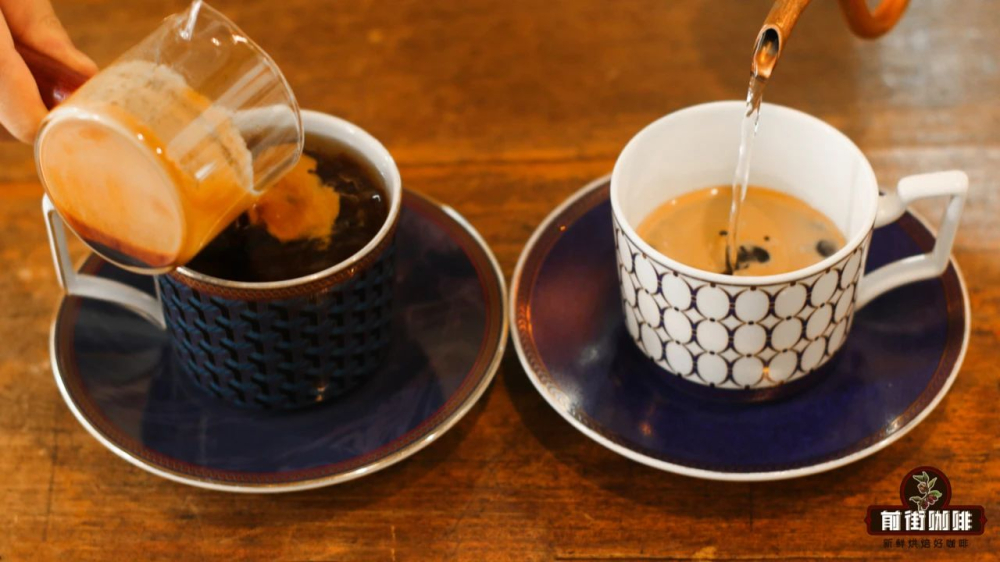
When making hot Americano, it is recommended to first preheat the cup with hot water, then pour in hot water according to the ratio, and finally add the extracted espresso. A commonly used espresso-to-water ratio is 1:6 to 1:8. Practical testing shows that a 1:6 ratio (i.e., 40 grams of coffee liquid with 240 grams of hot water) delivers a more ideal flavor profile.
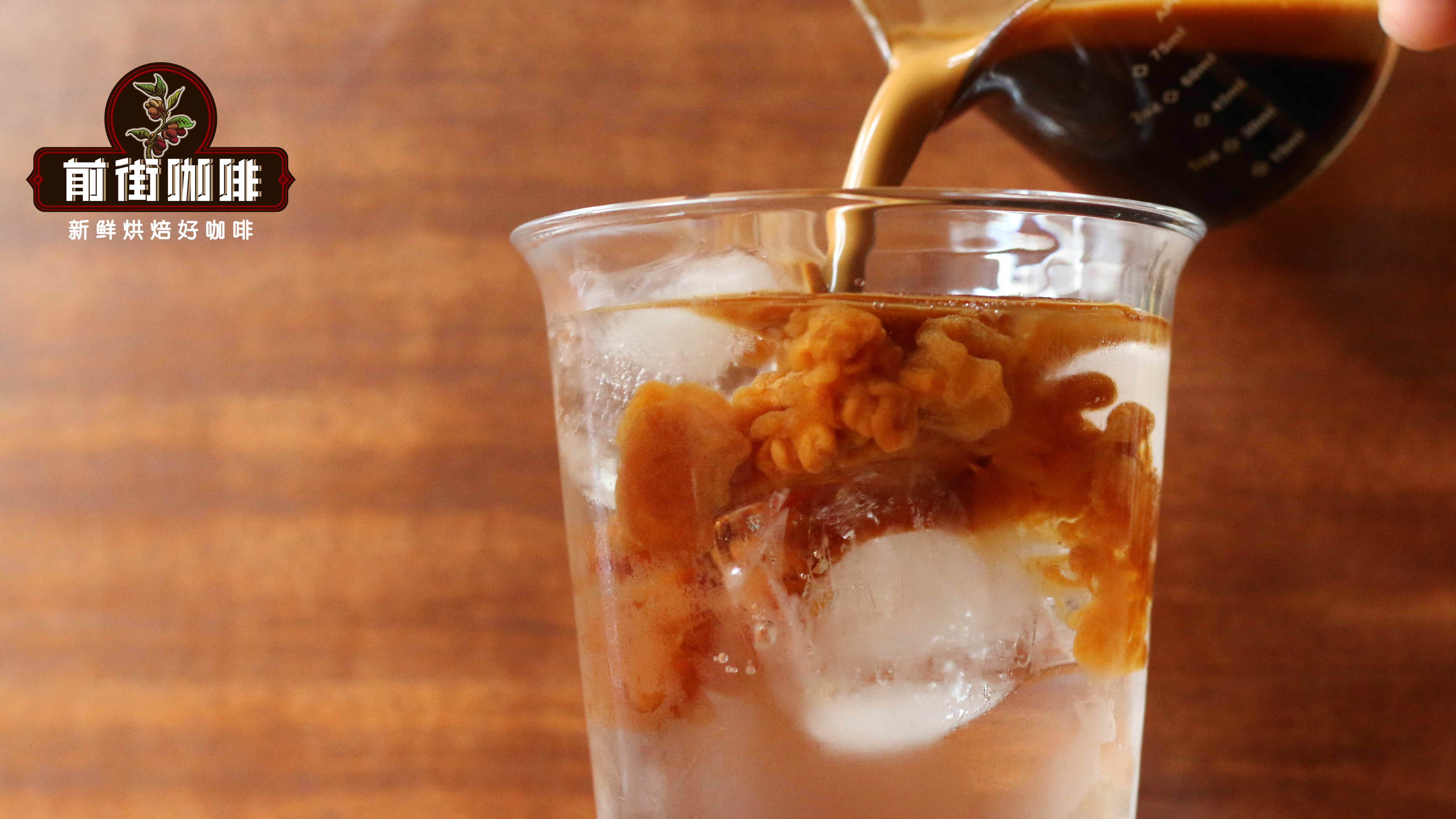
As for iced Americano, you should first pre-chill the cup with ice cubes, then pour in some water, and finally add the espresso. Considering the melting effect of ice, a 1:7 ratio is recommended—for example, 40 grams of coffee liquid with 280 grams of ice water mixture (including about 180 grams of ice and about 100 grams of water). This ratio ensures the drink maintains appropriate concentration and flavor after cooling.
< >
Whether you choose a hot or iced drink, as long as the amount of espresso used is the same, the caffeine content won’t vary significantly. Therefore, whether it’s hot or iced Americano, it is still recommended to limit daily intake to three cups to maintain a healthy caffeine consumption level. Mastering these basic principles and techniques, you can also easily brew a cup of Americano tailored to your personal taste at home.
The above content is compiled by CoffeeHunters, a coffee news website.


