








Introduction:As an important specialty coffee origin in East Africa, Tanzania is renowned for its soft acidity, sweet aroma, and rich body, with Kilimanjaro coffee being especially notable. This article delves into the historical background of Tanzanian coffee, the characteristics of its major varieties, the terroir differences across its three major northern and southern producing regions, the washed processing methods and grading system, and also provides practical cupping and pour-over parameters to help readers fully grasp the unique charm and tasting essentials of Tanzanian coffee.
Tanzania is one of the most representative specialty coffee-producing countries in East Africa. Its coffee generally features a soft and mellow acidity, captivating sweetness, and a full body, with coffee from Kilimanjaro in the northeast being the most widely known. The country’s coffee-growing areas are primarily concentrated in the north and south, relying on high altitudes and favorable climatic conditions to nurture highly potential coffee flavors. Compared to neighboring Kenyan beans, Tanzanian coffee often has slightly less bright fruity acidity but more softness and sweetness, with a wine-like aroma being one of its standout characteristics.
The history of coffee cultivation in Tanzania dates back to 1898, when Catholic missionaries first introduced the Bourbon variety to the Kilimanjaro region. Subsequently, in 1920, the Kent variety was also introduced from India and became an important cultivated variety locally. To this day, Bourbon and Kent remain the main types of coffee in Tanzania. Bourbon coffee cherries are relatively small and round, with dense flesh and seeds, typically exhibiting high sweetness and bright acidity. Although their yield is about 20–30% higher than that of Typica, it is still generally low, and they are susceptible to leaf rust disease. The Kent variety is a hybrid of Typica discovered in India, known for its high yield and strong disease resistance.
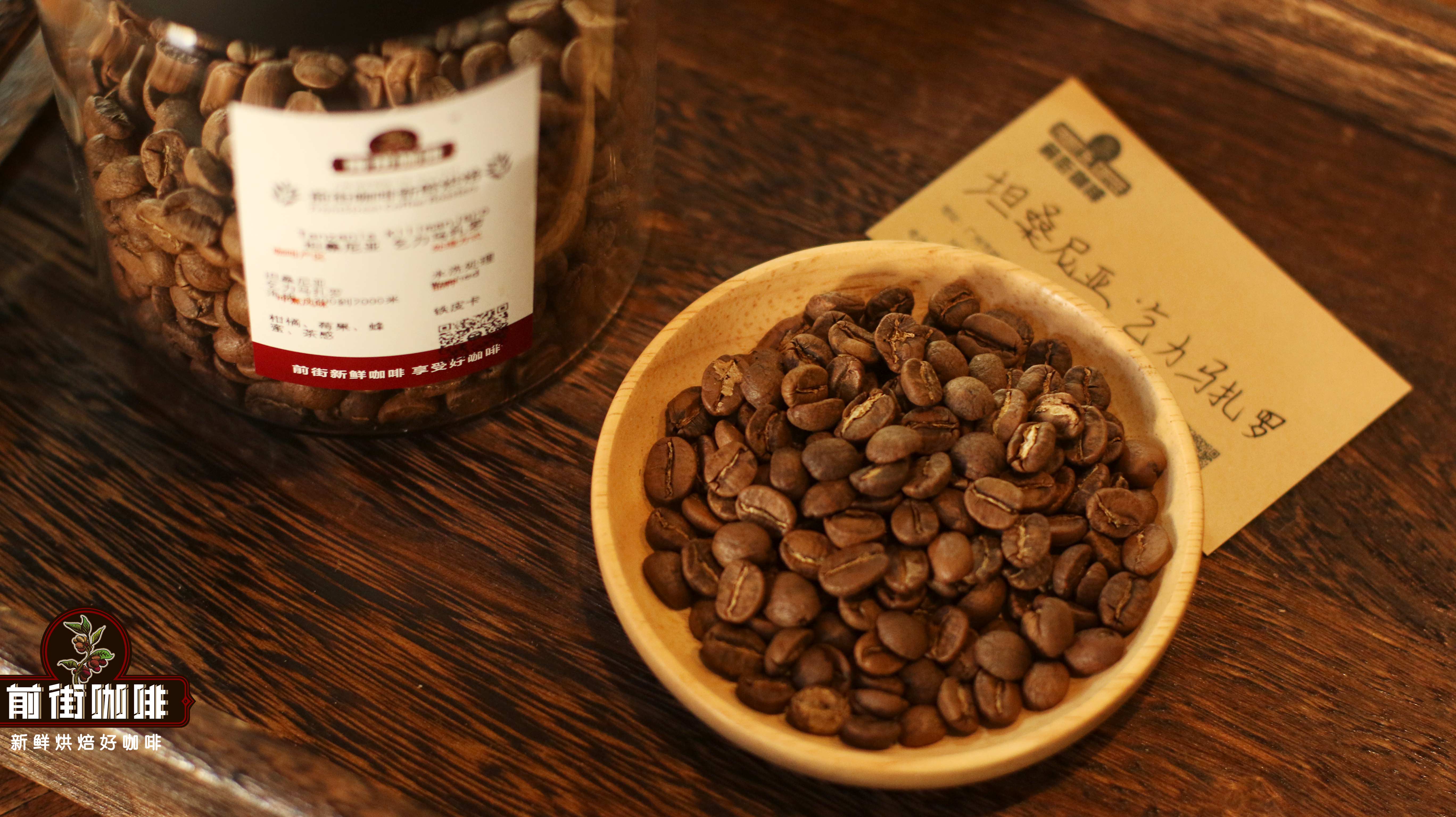
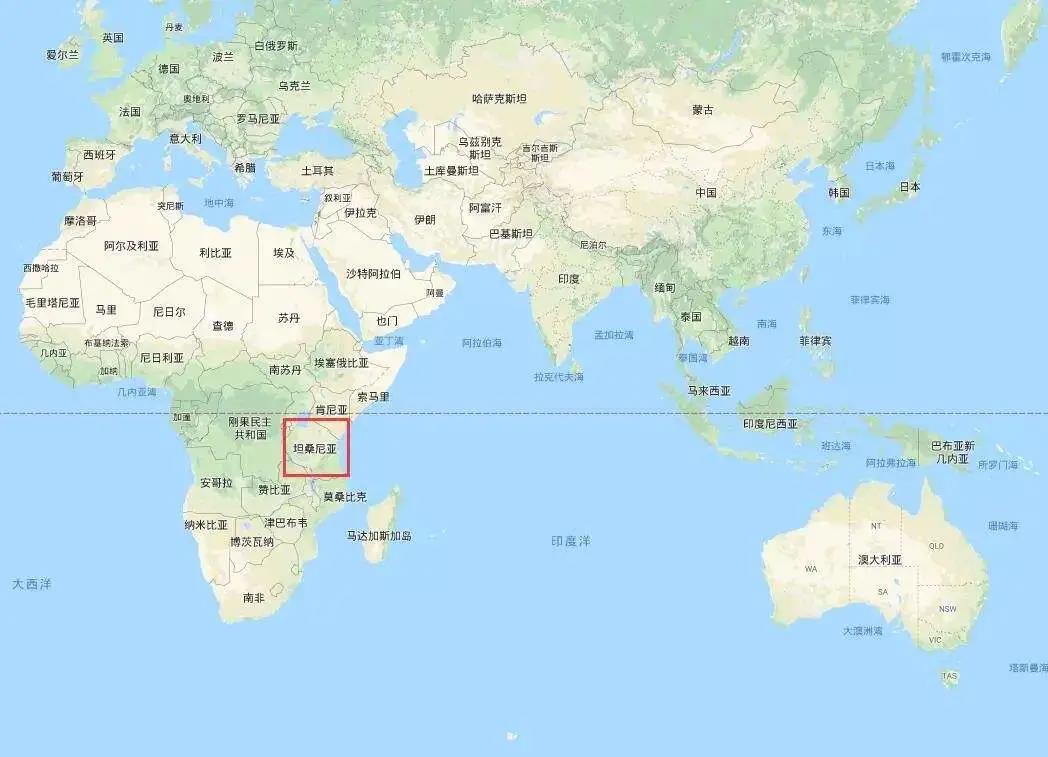
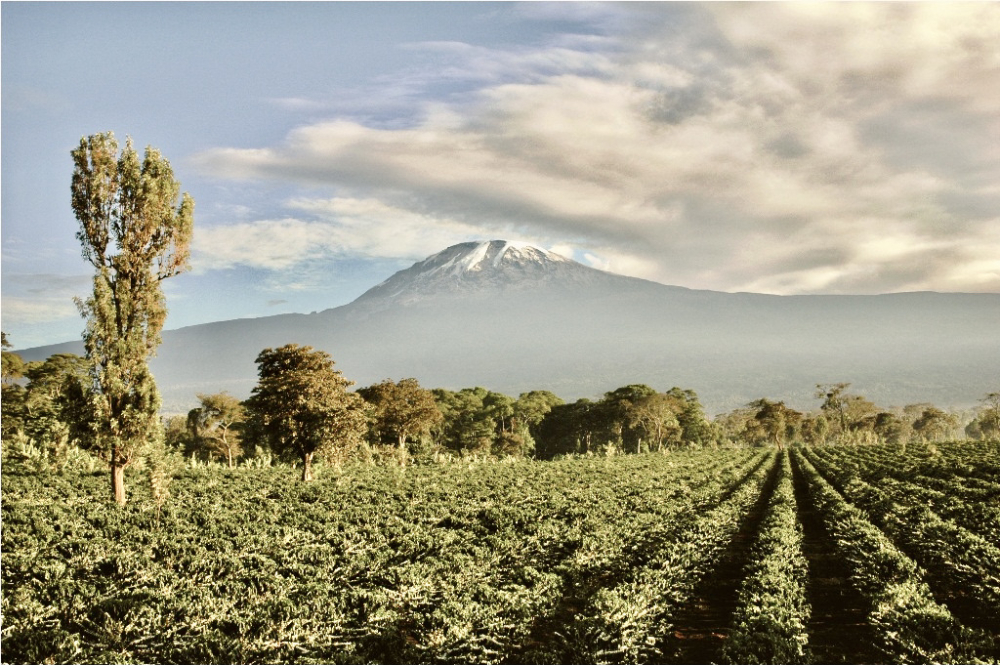
The main coffee-producing regions of Tanzania includeKilimanjaro (Kilimanjaro),RuvumaandMbeya. Among them, Kilimanjaro is the oldest and most internationally renowned Arabica coffee-producing region in Tanzania, boasting a long history of coffee cultivation and relatively well-developed infrastructure. However, some coffee trees have aged over time, leading to reduced yields, and in recent years, the region has also faced competition from other crops. The altitude in this region ranges from 1,050 to 2,500 meters, with the main harvest season being from July to December each year.
The Ruvuma region is located in the southernmost part of Tanzania and is named after the Ruvuma River. The main planting areas are concentrated in the Mbingo region. Although not as well-known as Kilimanjaro, this area is considered an emerging region with high-quality potential. The altitude here is approximately 1,200 to 1,800 meters, and the harvest season is from June to October.
Mbeya is an important agricultural area in southern Tanzania, centered around the city of Mbeya. This region not only produces coffee but is also a hub for high-value export crops such as tea, cocoa, and spices. In recent years, an increasing number of certification bodies and non-governmental organizations have invested resources to improve the overall quality and international reputation of coffee in the area. Mbeya’s altitude ranges from 1,200 to 2,000 meters, and its harvest season also falls between June and October.
Regarding the coffee grading system, Tanzania is similar to its neighbor Kenya, both using bean size as the primary grading criterion. Screening is done using fixed-aperture sieves, where higher numbers indicate larger beans. Among them,Grade AAis the highest grade, with bean sizes between 17 and 18 mesh (approximately 7.20 mm);Grade ABis the next level, with sizes ranging from 15 to 16 mesh (approximately 6.8 mm to 6.2 mm);Grade PBrefers to peaberry beans, accounting for about 10% of total production;Grade Chas smaller beans, with sieve sizes of 12 to 14 mesh (approximately 4.8 mm to 5.6 mm).
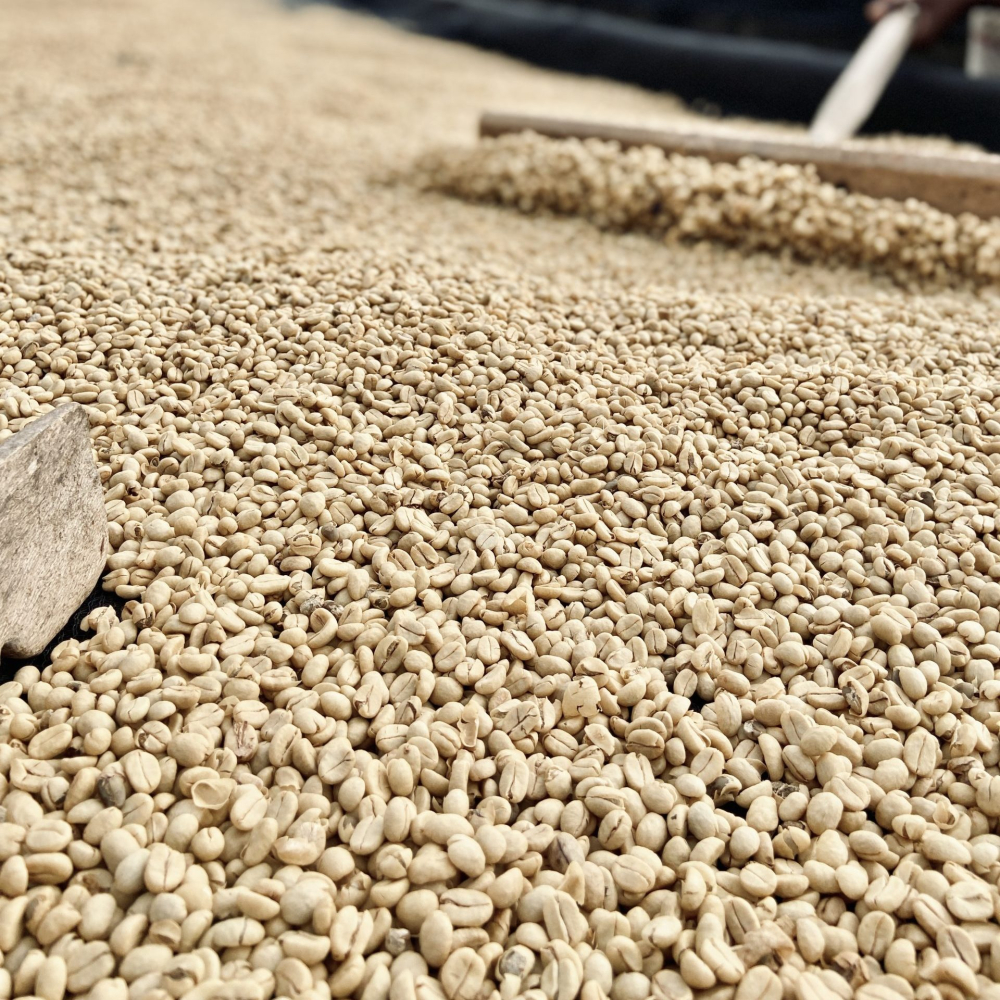
Most of Tanzania’s coffee is processed using the washed method. After harvesting, farmers send the coffee cherries to nearby processing facilities. The washed processing steps include: first removing impurities, then stripping the pulp and outer skin, followed by placing the mucilage-covered beans into fermentation tanks to remove the sticky layer on the inner parchment through fermentation. Finally, the beans are washed and dried to ensure the moisture content meets export standards.
Taking the famous Kilimanjaro region as an example, the coffee beans produced there are mostly washed, predominantly of the Bourbon variety, and grown at altitudes between 1,300 and 2,000 meters, representing a typical high-altitude volcanic soil cultivation environment. Kilimanjaro coffee is known for its rich body, moderate acidity, and intense aroma, earning it the reputation of the "coffee gentleman." Compared to Kenyan coffee, Tanzanian Kilimanjaro beans have softer acidity, more pronounced sweetness, and often carry a unique wine-like aroma.
A certain coffee brand designed a medium-light roast profile for its Kilimanjaro AA washed beans, aiming to highlight their bright acidity and substantial body. During cupping, its dry aroma exhibits caramel notes, while the wet aroma shows distinct berry tones. Upon tasting, one can perceive a layered interplay of citrus, berries, and tea-like qualities, with an overall balanced and nuanced profile.
For brewing recommendations, a V60 filter is suggested, with a dose of 15 grams, a brew ratio of 1:15, water temperature controlled at 91°C, and a grind size recommended to achieve an 80% extraction through a #20 sieve. The brewing process can be divided into three pours: the first pour of 30 grams of water for a 30-second bloom, followed by a circular pour of 125 grams of water, and once the water level drops halfway, an additional 225 grams of water is poured. The total extraction time is approximately 2 minutes. These parameters help fully showcase the floral, berry, and citrus notes of Kilimanjaro coffee, while also bringing out its light tea-like quality and sweetness.
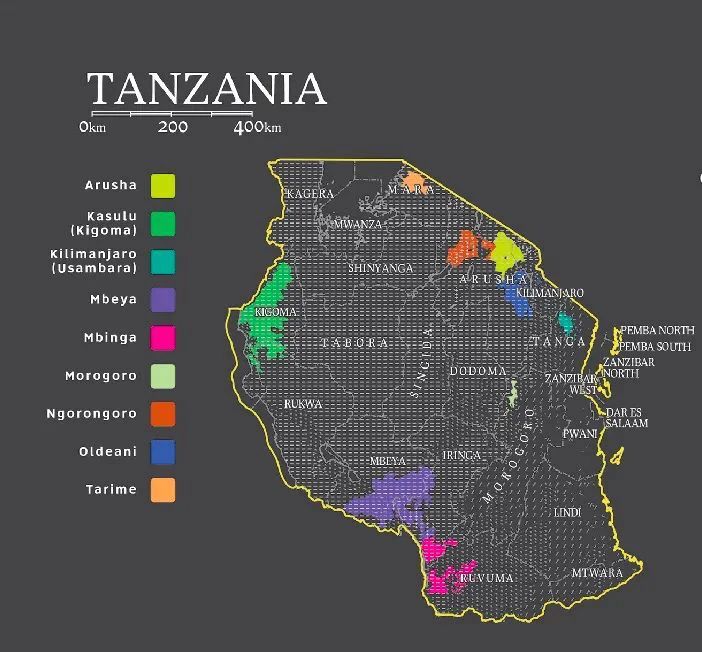
Apart from Kilimanjaro, other Tanzanian regions such as Ruvuma and Mbeya are gradually gaining market attention. These areas, due to differences in altitude and microclimate, each exhibit unique flavor potentials. For instance, coffee from the Ruvuma region may present a fresher fruity acidity and herbal character, while Mbeya, with ongoing efforts to improve quality, is expected to become an emerging source of high-quality specialty coffee in the future.
In summary, Tanzanian coffee, with its diverse regional terroirs, classic washed processing techniques, and consistent quality, holds a solid position in the global specialty coffee market. Whether for drinkers who enjoy soft acidity and sweetness or enthusiasts interested in in-depth exploration of coffee origins and processing methods, Tanzanian coffee offers unique sensory experiences.

The above content is compiled by CoffeeHunters, a coffee news website.


