








Introduction:Caramel Macchiato is one of the gateway drinks for many people entering the world of espresso-based beverages, but how does it differ from a traditional macchiato? This article starts with the origins of the Italian macchiato, delving into the techniques of espresso extraction, milk frothing, and the use of caramel sauce, while also comparing the proportions and flavor profiles between a latte and a macchiato. Whether you prefer a bold coffee aroma or a creamy milk texture, this guide will help you better understand this classic drink.
Have you ever wondered why a Caramel Macchiato tastes so sweet yet still carries a strong coffee flavor? This classic coffee, popularized by international coffee chains in the 1990s, actually draws inspiration from the traditional Italian macchiato. This article will take you from the origins of the Italian macchiato, exploring the key parameters of espresso extraction, milk frothing techniques, and how to use caramel sauce to create an enchanting Caramel Macchiato. We’ll also compare its taste and ratio differences with a latte to help you find your preferred version.
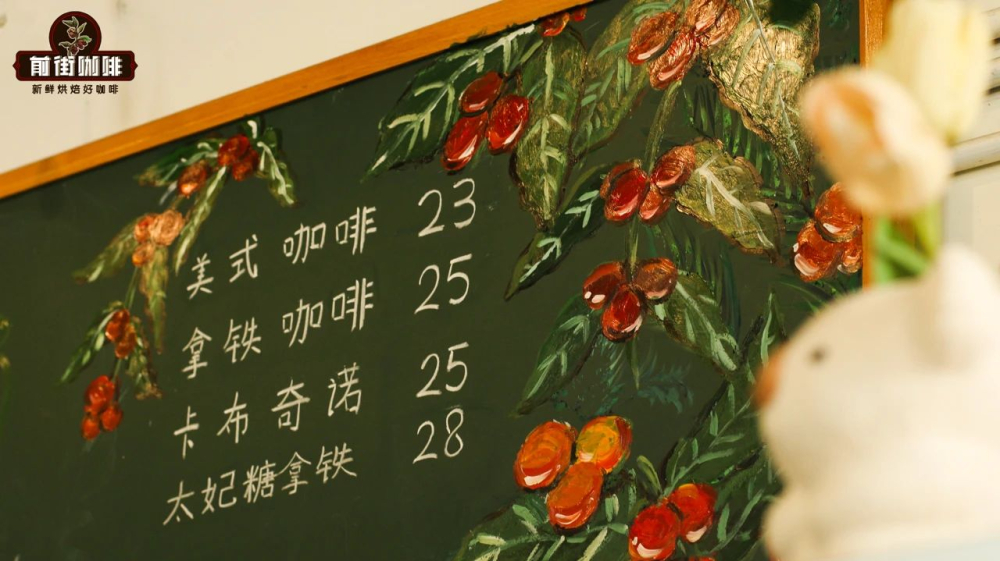
The classic way to make a Caramel Macchiato is to first mix vanilla syrup with espresso, then pour in steamed, velvety milk, and finally draw intricate patterns on the white foam with caramel sauce. This beverage was introduced to the market by a globally renowned coffee chain in the 1990s and quickly became a favorite among many consumers. In fact, it’s also the starting point for many people’s first taste of authentic Italian coffee.
Speaking of the origin of the macchiato, we must mention the Italian word “Macchiato,” which means “marked.” In 1980s Italy, many customers used to add a bit of milk to their espresso, but the milk was often quickly obscured by the rich crema, making it hard to distinguish. To differentiate between a pure espresso and one with a small amount of milk added, baristas would mark the surface of the coffee with a small dot of milk foam, symbolizing “espresso marked with milk” — and that’s how the macchiato was born.
Over time, people discovered that when milk foam and espresso gradually blended, not only was the deep flavor of the espresso preserved, but the soft sweetness of the milk was also added. The two interwove in the mouth to create a rich layering, forming what we now recognize as the traditional macchiato.
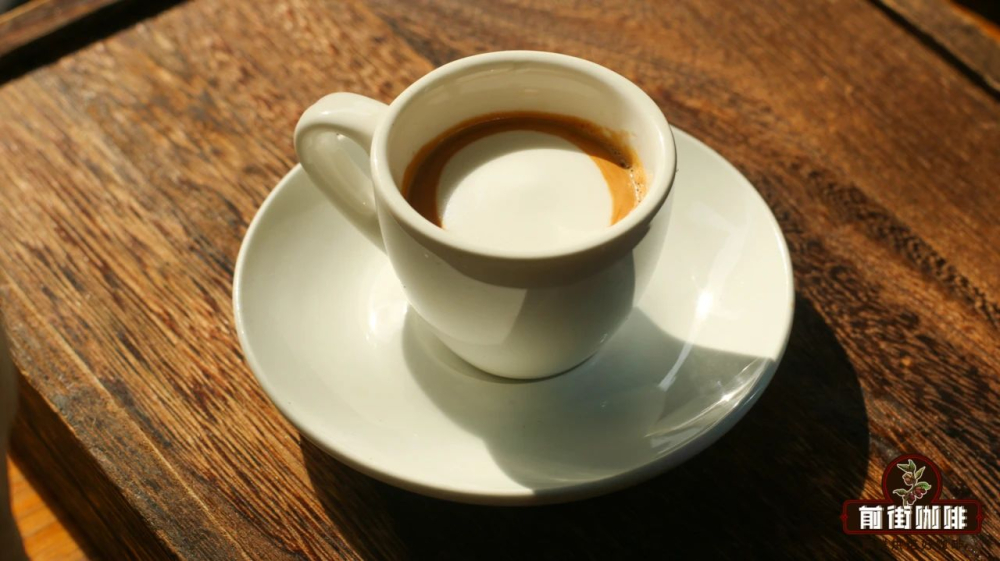
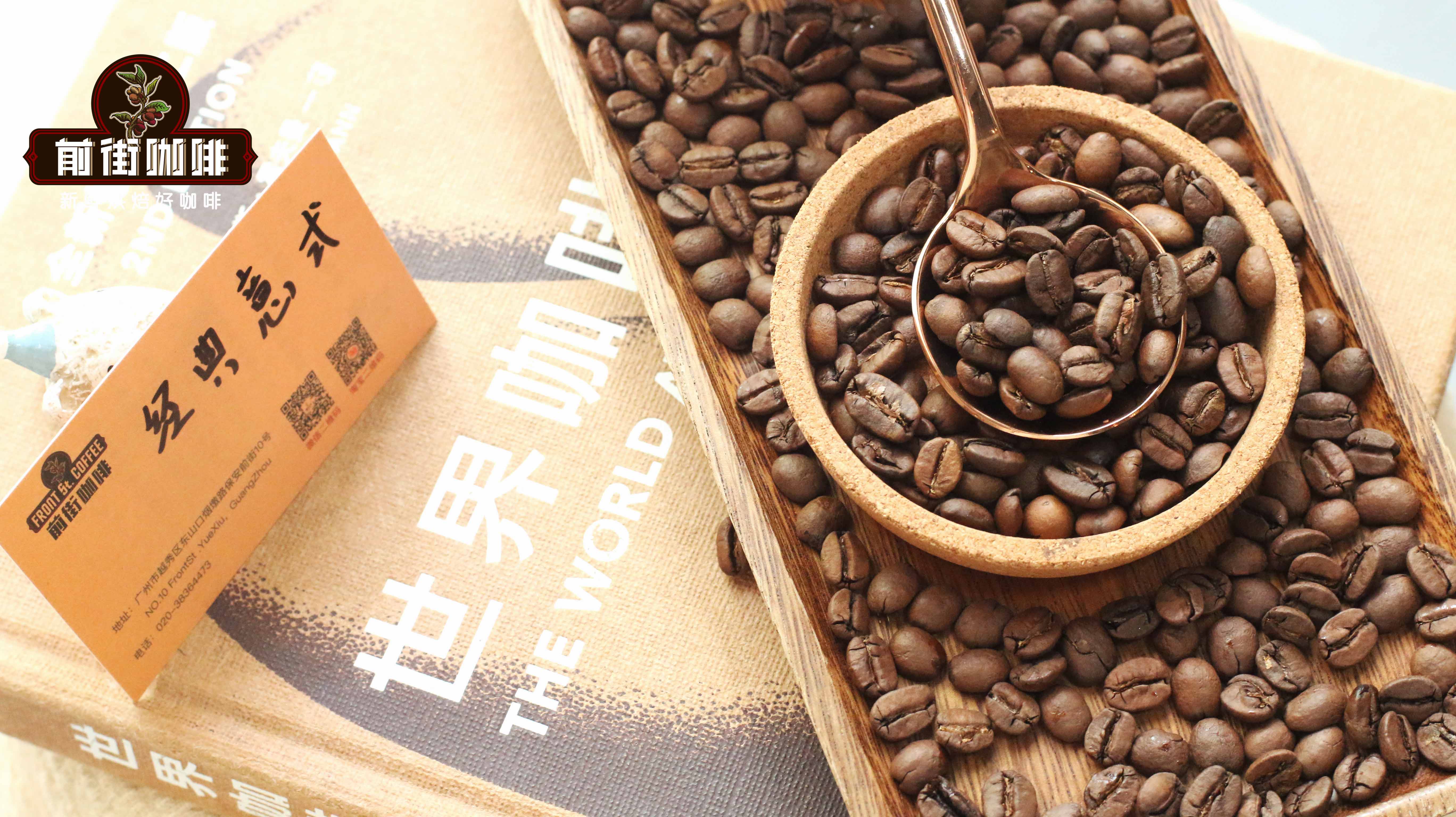
Making a basic macchiato is actually very simple — just one shot of espresso and a spoonful of fine milk foam. It’s recommended to use a medium-to-dark roasted blend, such as one made from Mandheling, Vietnamese, and Brazilian beans. These beans typically feature flavors of dark chocolate, cream, cocoa, and roasted nuts, which pair excellently with milk foam. Specific extraction parameters can be set as follows: 20 grams of coffee grounds, yielding 40 grams of coffee liquid, extracted in about 28 seconds.
After extraction, the next step is to handle the milk foam. Froth the milk to a consistency close to that of a cappuccino — fine and velvety. Such foam is not only easy to scoop but also blends perfectly with the espresso. It’s recommended to use low-temperature whole fresh milk, which not only offers a rounder flavor but also produces more stable foam. Finally, gently scoop the microfoam from the top using a spoon and place it on the surface of the espresso. Your macchiato is complete.
The highlight of this coffee lies in its intense yet layered profile. The winey chocolate notes of the coffee itself are vivid, while the milk foam complements it with softness and smoothness, creating a balanced and deep overall experience. For those who enjoy espresso but want a touch of milk flavor to soften the taste, the macchiato is an excellent and highly recommended choice.
So, how did the Caramel Macchiato evolve? Essentially, it’s built upon the traditional macchiato with the addition of caramel-flavored syrup — the most well-known version being the one promoted by a certain international brand. Its preparation involves pouring one shot of espresso into a cup of about 350 milliliters, filling the remaining space with milk and foam mixed with vanilla syrup, and finally topping the foam with caramel sauce, which is then swirled into beautiful patterns using a latte art tool.
The sweetness of the Caramel Macchiato mainly comes from the added vanilla syrup and caramel sauce. The sweetness-to-milk ratio in the Starbucks version has even made it a symbol of “sweet coffee” in the hearts of many. In contrast, the traditional macchiato places more emphasis on the authentic fusion of coffee and milk foam, making it ideal for those who want to savor the true essence of espresso without it being too light.
Compared to a latte, the two also show significant differences in ratio and taste. The word “latte” in Italian means “milk,” and its basic composition is simply espresso plus a large amount of milk, usually in a ratio ranging from 1:2 to 1:5. The coffee flavor is milder, with the sweetness and silkiness of the milk taking center stage. A common latte ratio is 1:6.5 — that is, 40 grams of espresso paired with 260 grams of steamed milk. The espresso part uses 20 grams of coffee grounds to yield 40 grams of liquid, extracted in approximately 27 seconds.
When making a latte, the milk foam doesn’t need to be too thick; it mainly blends with the milk in a microfoam state to create a smooth mouthfeel. The blending step is especially important, as it affects the final smoothness and overall flavor balance. Additionally, it’s recommended to use low-temperature whole fresh milk, which not only helps produce finer and more stable foam but also enhances the overall aroma and sweetness of the drink.
In summary, the latte’s taste is dominated by milk — smooth on the palate, with long-lasting chocolate and cocoa notes and noticeable sweetness. The macchiato retains more of the original coffee flavors, with milk foam providing a soft layering, making it suitable for those who prefer a stronger coffee presence. The Caramel Macchiato adds sweet elements on this foundation, making it perfect for consumers who enjoy the combination of sweetness and coffee. No matter which you prefer, understanding their differences and preparation essentials can help you choose or craft your ideal coffee more precisely.

The above content is compiled by CoffeeHunters, a coffee news website.


