







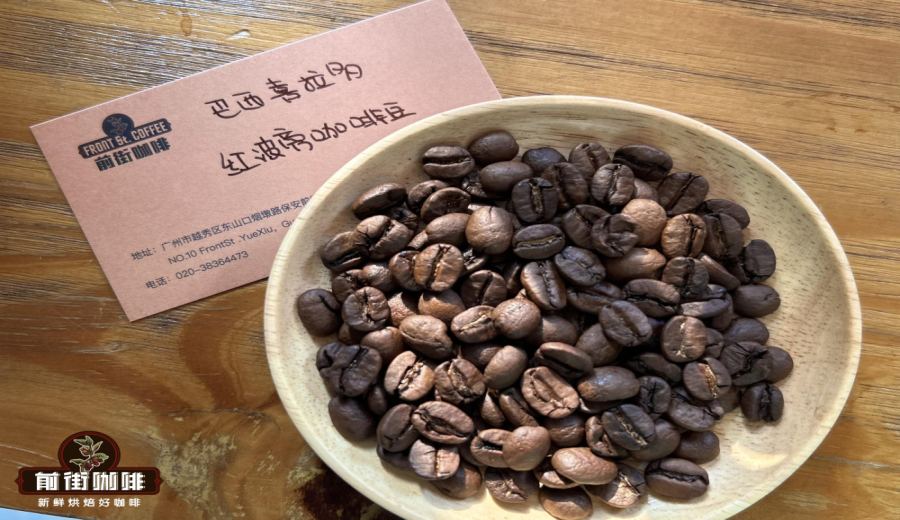
Introduction:Brazil is the world’s largest coffee producer, renowned for its stable output and high cost-performance ratio. Its beans are well-suited as the base for espresso blends and also shine when brewed using pour over methods, offering a uniquely balanced flavor. This article provides an in-depth analysis of the evolution of Brazil’s major coffee varieties, the characteristics of its four core producing regions, differences in common processing methods, its grading system, and recommends practical choices such as Queen’s Estate and Dark Cocoa Blend, helping you master the key points of selection and brewing.
When it comes to Brazilian coffee, many people’s first impression is “stable, affordable, and ideal for blending.” However, the potential of this South American coffee kingdom goes far beyond that. As the country that has consistently ranked first in global coffee production for years, Brazil not only supplies a large volume of commercial beans but also offers specialty-grade single-origin coffees that showcase delicate flavors. Whether you’re a beginner in pour over brewing or an espresso enthusiast seeking balanced taste profiles, it’s worth taking the time to explore further.
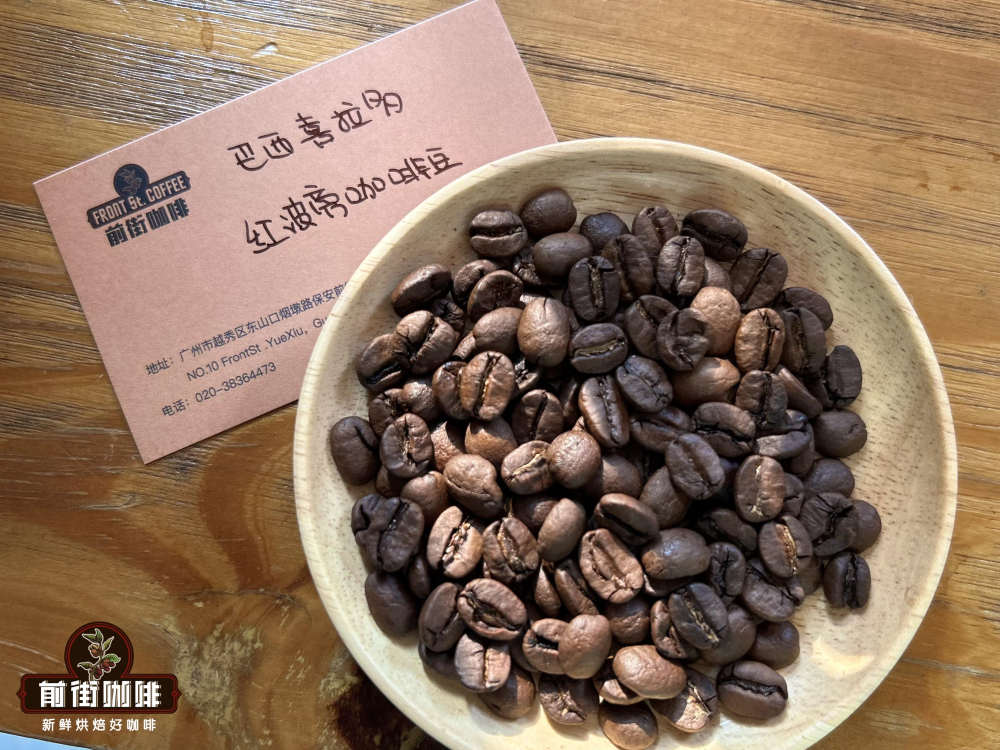
The most outstanding advantage of Brazilian coffee lies in its cost-performance ratio. It can serve as the foundation of espresso, delivering rich crema, while also showcasing a low-acidity, full-bodied flavor with nutty and chocolatey notes when brewed using pour over methods. If you want to experience the characteristics of a single origin, the Queen’s Estate and Dark Cocoa Blend offered by the tea beverage brand are two highly representative options.
Queen’s Estate is located in Brazil’s high-altitude Mogiana region and grows the relatively rare Yellow Bourbon variety. After medium-to-dark roasting, these beans emit intense aromas of cream, roasted peanuts, toasted bread, and nuts. With extremely low acidity and a clean taste, it leaves a long-lasting aftertaste. Whether brewed using pour over, French press, siphon, moka pot, drip coffee maker, or even a home semi-automatic espresso machine, it delivers consistent performance—truly an “all-rounder” single-origin bean.
If you prefer a bold and rich espresso, the Dark Cocoa Base Blend is a must-try option. This blend has a high proportion of Brazilian beans, providing a comfortable balance of sweetness and bitterness, with a smooth mouthfeel that’s not overly sharp. It also incorporates the ripe plum acidity of Yunnan small-bean coffee, releasing a distinct aroma of creamy chocolate upon grinding. It’s suitable for making various espresso-based drinks such as lattes and offers excellent compatibility.
Brazil has had a profound impact on the global improvement of coffee varieties. As early as the 1930s, local agricultural institutions invested significant resources in research aimed at disease resistance and quality enhancement, successfully cultivating several varieties that continue to influence the industry today. Examples include the naturally mutated Yellow Bourbon (selected under extremely low probability), followed by derivatives such as Caturra, Mundo Novo, Catuai, and the 1990s Icatu, which has Robusta lineage. These varieties were later widely introduced to Central America, becoming foundational genetic material for many producing regions. The establishment of the Consórcio Pesquisa Café in 1997 and Genoma Café in 2002 further advanced professional development in cultivation techniques, disease resistance research, and genome mapping.
Brazil’s coffee-producing regions are mainly concentrated in the southeast, including Minas Gerais (accounting for about half of the national output), São Paulo, Paraná, and Espírito Santo. These areas feature stable climates and moderate altitudes, providing ideal growing conditions for coffee trees. Among them, the Cerrado region in Minas Gerais processes coffee beans using the traditional Pulped Natural (fruit pulp natural drying) method, which retains more organic matter and minerals, resulting in a unique flavor profile that is slightly sweet with chocolate notes, a hint of lemon acidity, and a long-lasting aftertaste.
The predominant processing method for Brazilian coffee is the Natural (dry) method, accounting for about 80% of production. This traditional technique involves drying the coffee cherries directly and then removing the husk. While it preserves the full fruity flavor, it requires strict control over the uniformity of drying. In recent years, the rising Semi-Natural (Pulped Natural) method, which removes the outer fruit skin before drying, has improved flavor consistency and reduced defect rates. Different processing methods significantly influence the final flavor profile, allowing consumers to choose based on their preferences.
In terms of quality grading, Brazil sets standards based on the ratio of defective beans, bean size, and flavor performance. The grading ranges from NO.2 to NO.8 (based on impurity levels), NO.13 to NO.19 (based on bean size), and includes six flavor grades, offering a wide variety of choices. Premium beans are typically labeled as Santos NO.2 and Size NO.18. It is recommended to extract them using medium roasting to fully showcase their mild balance of acidity and bitterness along with their soft aromatic characteristics.
For coffee enthusiasts, understanding Brazilian coffee not only broadens flavor perspectives but also aids in making more informed decisions when selecting blends or single origins. Whether you’re looking for reliable everyday beans or exploring the microclimate characteristics of different producing regions, Brazil offers a wealth of high-cost-performance options.
The above content is compiled by CoffeeHunters, a coffee news website.


