







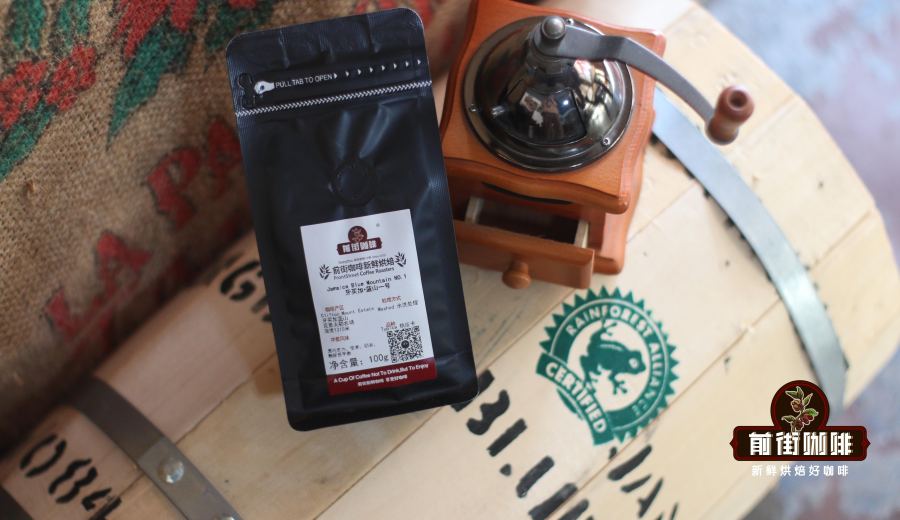
Introduction:Blue Mountain coffee is renowned for its distinctive flavor and rare origin, making it the dream bean for many coffee enthusiasts. This Blue Mountain No. 1 from the Clifton Estate in Jamaica’s Blue Mountains is the only plantation in the region certified by the Rainforest Alliance, ensuring rigorous quality standards. This article delves into the flavor profile of this medium-dark roasted Typica bean and provides practical pour over parameters and pulse pouring techniques to help you brew a well-balanced, rich, and layered cup of Blue Mountain coffee.
When it comes to Blue Mountain coffee, even those who rarely drink coffee have likely heard of it. It is not only a national treasure of Jamaica but also globally acclaimed for its rarity and high quality. Among them, the Blue Mountain No. 1 beans grown at the historic Clifton Estate in the Blue Mountains are produced at the oldest estate in the region and are also the only coffee plantation in the area certified by the Rainforest Alliance (RA).
To be certified as a "Rainforest Alliance coffee," the plantation must pass strict audits in various areas such as ecological conservation, pesticide management, and waste disposal. Once certified, it can display the green frog certification mark on its packaging. In addition, according to Jamaican government regulations, all Blue Mountain coffee beans must be exported in wooden barrels, with each batch accompanied by three official certificates: a quality certificate, an authorized sales certificate, and a certificate of origin, ensuring that every package consumers purchase is genuine Blue Mountain coffee. In relevant physical stores, you can also see the official wooden barrels and related certification documents on display.
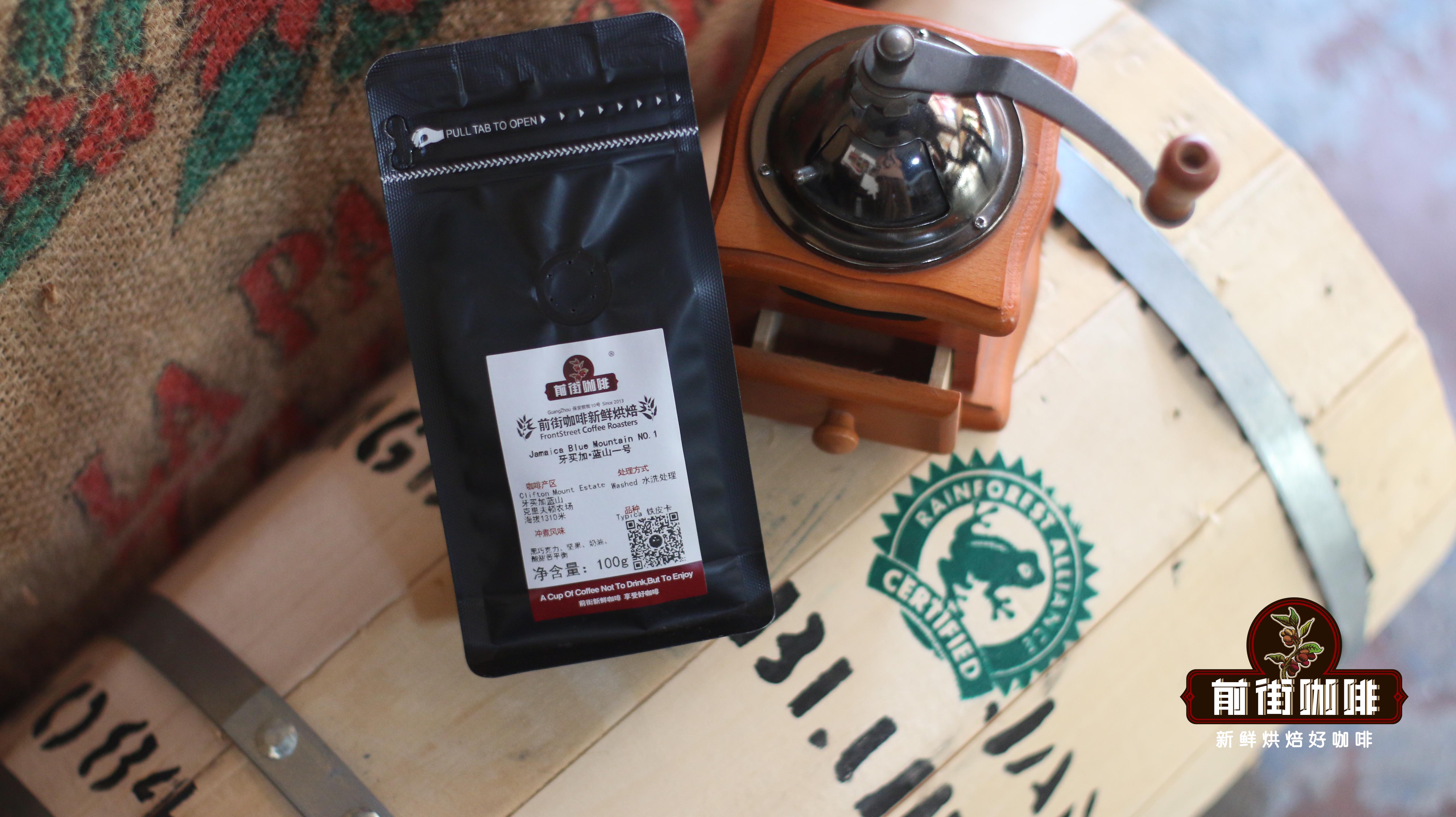
Blue Mountain No. 1 is made from the classic Typica variety, one of the oldest and purest-flavored types within the Arabica family, naturally offering a clean taste and soft, balanced characteristics. This coffee bean is roasted to a medium-dark level, stopping just before the second crack, preserving some acidity to create a flavor profile that is both deep and layered.
Cupping results show that Blue Mountain No. 1 achieves an excellent balance of acidity, sweetness, and bitterness. Upon tasting, you can perceive a mild fruity acidity, a rich dark chocolate tone, and distinct caramel sweetness. The overall performance is very stable and impressive. To maintain optimal flavor, all coffee beans are shipped within five days of roasting to ensure customers receive a freshly roasted, high-quality product.
For this medium-dark roasted Blue Mountain coffee bean, it is recommended to use a KONO filter cone for pour over, with the water temperature controlled at 88°C, a medium-coarse grind size, recommended to be around 70%based on the 20-mesh standard sieve screening rate in China, the coffee dosage is set to15 grams 1:15, with a brew ratio of 225 grams.
The specific pour over steps are as follows: First, perform the bloom by pouring approximately 30 grams(about twice the weight of the coffee grounds) of water to allow the coffee grounds to fully absorb moisture and release aroma. The recommended bloom time is 30 seconds. Next, switch to a slow, circular pouring motion with a thin stream of water from the center outward. When the accumulated water volume reaches 125 grams , pause to let the coffee bed drain and settle slightly. Wait until the coffee layer has settled to about half the height of the filter cone, then continue pouring in the same manner until the total water volume reaches 225 grams, with the entire process taking about 2 minutes. Finally, remove the filter cone and gently swirl the brewed coffee before enjoying.
During the bloom stage, you’ll notice pronounced caramel and nutty aromas, while the cup reveals a rich profile dominated by nuts and dark chocolate, complemented by caramel sweetness. The overall mouthfeel is full and robust, with a sweet and clear aftertaste and well-defined layers—perfect for coffee lovers who enjoy balanced flavors. By mastering these pour over techniques and parameters, you too can brew a cup of Blue Mountain coffee at home that approaches professional-level quality.
The above content is compiled by CoffeeHunters, a coffee news website.


