







Introduction:Want to explore the flavor possibilities of Yirgacheffe beyond washed processing? This article takes you to the Konga Cooperative in Ethiopia, introducing its unique growing environment, red soil characteristics, and native variety traits, while analyzing how its rigorous sun-drying process influences the coffee’s flavor profile. It also provides practical pour over parameters, including V60 settings, water temperature, brew ratio, and brewing techniques, to help you fully master the brewing essentials and flavor profile of this sun-dried Yirgacheffe.
Yirgacheffe has long been considered a holy grail for washed coffees among specialty coffee enthusiasts, but this high-altitude region also produces many outstanding sun-dried coffees. This article focuses on the sun-dried coffee produced by the Konga Cooperative in the Yirgacheffe region, breaking down the story behind this coffee—from regional background, geographical conditions, varietal characteristics, to sun-drying processing methods—step by step, and provides practical pour over parameters to help you understand its charm comprehensively from origin to cup.
Yirgacheffe is located in the Gedeo Zone of southern Ethiopia, a town with an altitude ranging from 1,700 to 2,100 meters, and is one of the highest coffee-growing regions in the world. The name originally means “leaving the water and settling on higher ground,” reflecting the historical background of local residents gradually migrating to the highlands in search of suitable land for farming and living. Although Yirgacheffe was originally part of the Sidamo region, it was later designated as a distinct region due to its clear and distinctive flavor profile. Nearby micro-regions include Wenago, Kochere, and Gelena Abaya, with Kochere often grouped under the Yirgacheffe classification due to similar flavor profiles.
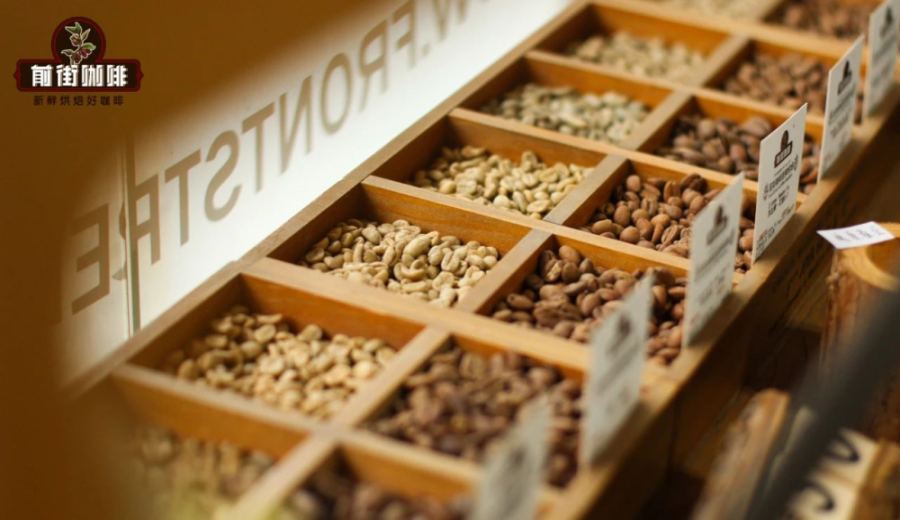
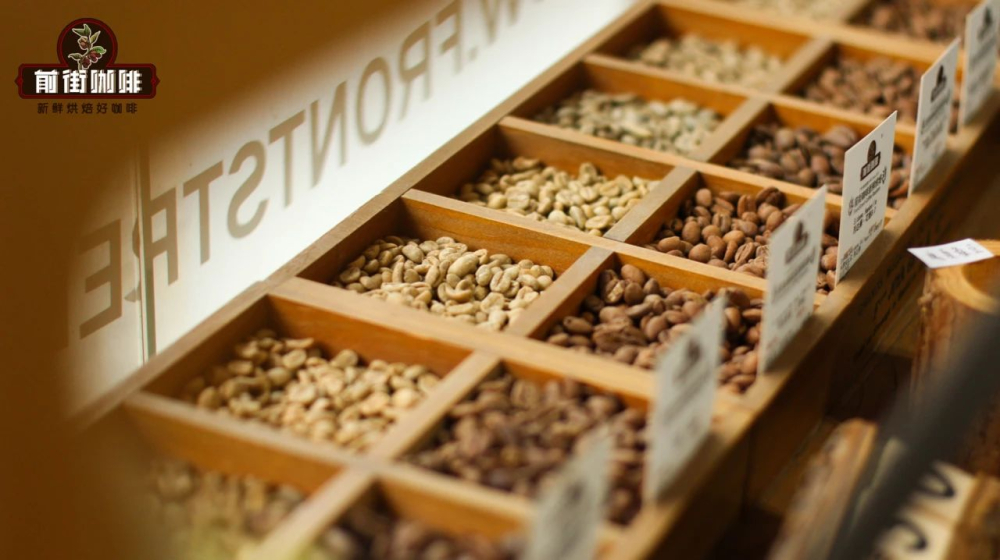
The Yirgacheffe region currently consists of 28 small and medium-sized coffee farmer cooperatives, each relatively small in scale, mostly run by family farms cultivating coffee in their backyards or intercropped with other crops. This small-scale, refined cultivation model is also a key reason why the region can preserve such diverse micro-flavors. One brand, when promoting Ethiopian coffee, specially prepared more than ten single-origin beans from different regions, five of which were from Yirgacheffe alone, allowing consumers to experience the subtle differences in microclimates and processing methods within the same region.
The Konga Cooperative is part of the Yirgacheffe Coffee Farmers Cooperative Union (YCFCU) and is one of the union’s 26 member cooperatives. It is located about 5 kilometers south of the town of Yirgacheffe. Established in 1994, it officially joined the YCFCU in 2002. Its name originates from the nearby Konga River basin and Konga village, reflecting its distinct geographical identity.
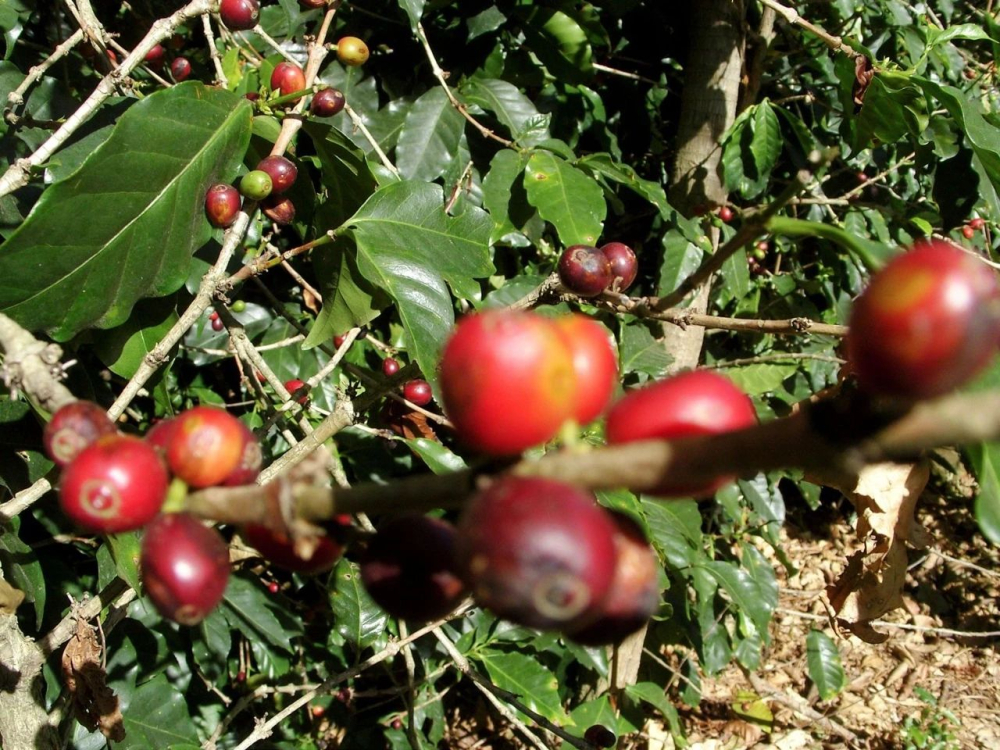
The Konga Cooperative is made up of over 1,500 smallholder farming families, with an average cultivation area of less than 1.25 hectares per household, and planting altitudes ranging between 1,800 and 2,250 meters. The main variety planted is Ethiopia’s unique native Heirloom. The term “Heirloom” refers to varieties that have evolved naturally over time within Ethiopia’s coffee genetic pool without being selectively bred for commercial purposes. Due to the large number and difficulty in identification, the local government has not disclosed specific variety information in order to protect genetic diversity, classifying them all under the general term Heirloom.
Additionally, Ethiopia does not use bean size as a standard for coffee export grading; instead, it evaluates grade based on the number of defective beans per 300 grams of green coffee and cupping performance. If there are fewer than 3 defects, the beans are classified as the highest grade, G1, which is why Ethiopian beans often vary noticeably in size.
Another standout feature of the Konga Cooperative is its red soil growing environment. The soil here has deep layers, with red earth reaching a thickness of up to 1.5 meters, and is rich in iron. Iron is an important trace element for photosynthesis, helping to promote chlorophyll production and thereby enhancing plant health and fruit quality. This nutrient- and mineral-rich soil forms the unique flavor foundation of Konga coffee and is one of the keys to its ability to deliver intense fruity aromas and rich sweetness.
In terms of processing, Konga coffee uses the sun-drying method rather than the more well-known washed process of Yirgacheffe. Although Yirgacheffe is globally renowned for its washed coffee, the sun-drying technique is actually the region’s original processing method. In 1972, after Ethiopia introduced washed processing technology from Central and South America, the clarity and aromatic expression of the coffee were greatly enhanced, making washed Yirgacheffe a star in the specialty market. However, sun-drying still retains its unique charm, especially in showcasing intense fruitiness and full-bodied mouthfeel.
The sun-drying process at the Konga Cooperative is quite rigorous. They use specialized raised beds to dry the coffee cherries, and during the sorting phase, unripe, damaged, and overripe cherries are removed, leaving only perfectly ripe red cherries. The parchment-covered beans are then placed on shaded, elevated drying racks, where they slowly dry in the sun for about two weeks until the moisture content drops to 12%. This processing method preserves more pulp sugars and fermentation aromas, resulting in a coffee with intense tropical fruit notes and a pronounced juicy mouthfeel.
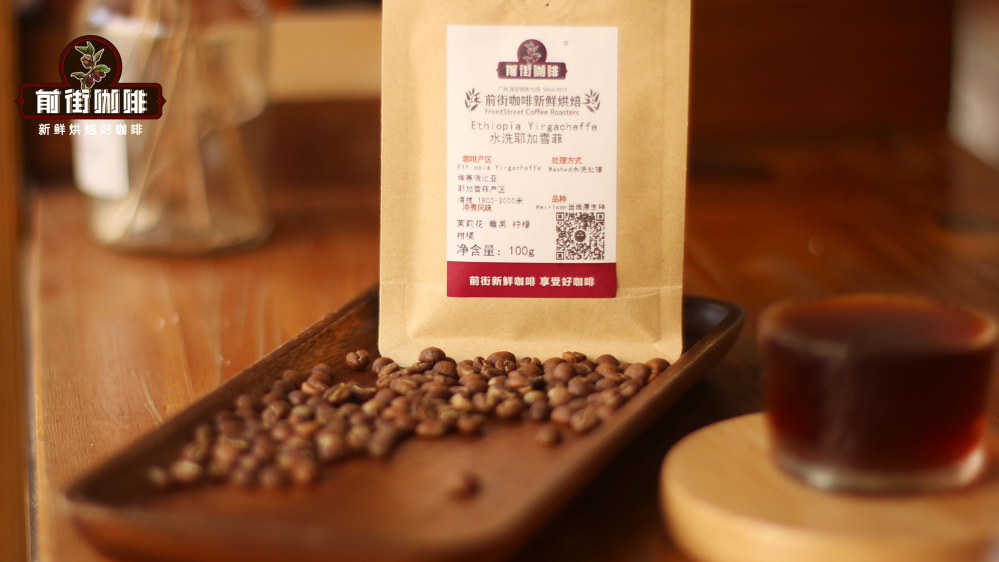
Regarding brewing recommendations, freshness is a key factor influencing flavor. Generally, coffee beans from a certain brand are shipped within five days of roasting to ensure consumers can enjoy the best flavor. The coffee beans have a resting period of about 4 to 7 days, and it is recommended to start brewing within this period to fully showcase their aroma and complexity.
If you choose to buy coffee powder, although you can skip the resting process, because powdered coffee has a larger surface area exposed to air, oxidation occurs faster, so it is advised to use it as soon as possible after receiving it. Therefore, if you want to fully experience the nuanced flavors of Konga sun-dried coffee, it is recommended to purchase whole beans and use a fresh grind and brew approach.
For Konga sun-dried coffee, it is recommended to use a V60 filter for pour over brewing, as it effectively highlights its bright acidity and rich aromatic layers. The suggested parameters are as follows: use medium-light roasted beans, with water temperature set to 90°C, a brew ratio of 1:15(for example, 15 grams of coffee grounds to 225 grams of water), and a grind size passing through a Chinese No. 20 standard sieve at approximately 80%, close to a medium-fine grind.
Specific brewing steps are suggested as follows: begin with a bloom, pouring twice the amount of coffee’s weight in water (about 30 grams), and let it bloom for 30 seconds. This step releases carbon dioxide from the coffee grounds, helping to stabilize subsequent extraction. Then, pour water in small circles using a gentle stream. When the total water volume reaches 125 grams , perform the first pour (first break). Continue pouring until the total volume reaches 225 grams , then stop. Wait until all the water has dripped through the filter before removing it, keeping the total brew time around 2 minutes. Finally, it is recommended to gently swirl the brewed coffee before pouring it into the cup to achieve a more balanced flavor.
This Konga sun-dried coffee showcases bright berry and citrus acidity, paired with soft cream and honey sweetness, along with delicate jasmine floral notes. The overall mouthfeel is like a rich mixed fruit juice, with distinct layers and a delightful profile—perfect for those who enjoy fruity-profiled coffees.
The diversity of Ethiopian coffee is fascinating. Beyond Yirgacheffe, the country has many other regions and processing methods worth exploring. Whether you are just starting out or already an experienced coffee enthusiast, delving into the origin background and processing details of each coffee bean can bring you richer layers and enjoyment with every sip.
The above content is compiled by CoffeeHunters, a coffee news website.


