








Introduction:Explore the unique flavor characteristics of the world’s major coffee-growing regions—from the floral and fruity notes of Africa to the chocolatey tones of the Americas—and gain an in-depth understanding of how washed and natural processing methods shape the personality of coffee. This article systematically analyzes the classic flavor profiles of eight major producing regions including Ethiopia, Brazil, and Indonesia, and provides practical parameters for pour over brewing and bean variety selection tips to help coffee enthusiasts find their own preferred flavor profiles.
In the world of coffee, there has never been a one-size-fits-all “best flavor ranking.” Everyone’s sensitivity to acidity, sweetness, and body varies, and the bean variety that truly suits you is the best choice. This article will take you from the origins of specialty coffee, systematically outlining the typical flavor profiles of the three major coffee-producing regions—Africa, Asia, and the Americas—and delving into the unique characteristics of representative origins such as Ethiopia, Brazil, and Indonesia.
With the rise of the third wave of coffee, more and more drinkers are beginning to distinguish between the concepts of Americano and single-origin coffee. Many start with espresso and gradually discover that pour over brewing can more fully present the inherent flavor characteristics of coffee beans.It is particularly important to note that there is no absolute standard for what constitutes the “best-tasting coffee.”Even though Blue Mountain or Geisha beans may command high prices, personal taste preference is the key factor in making a choice.
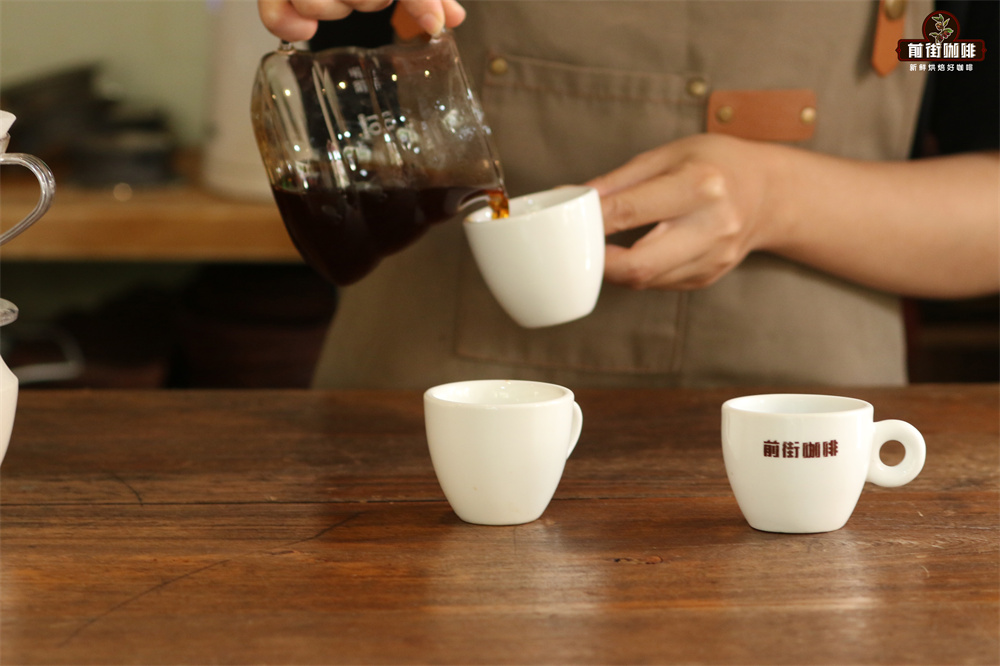
The concept of specialty coffee was first proposed by Ms. Erna Knutsen in 1974. She emphasized that different regions, due to differences in geology, altitude, and processing techniques, would nurture unique terroir flavors. This philosophy gained widespread recognition after the establishment of the Specialty Coffee Association of America in 1982, which also clearly established a cupping score evaluation standard of 80 points or above. Understanding this background helps us view the characteristic performances of bean varieties from each region more objectively.
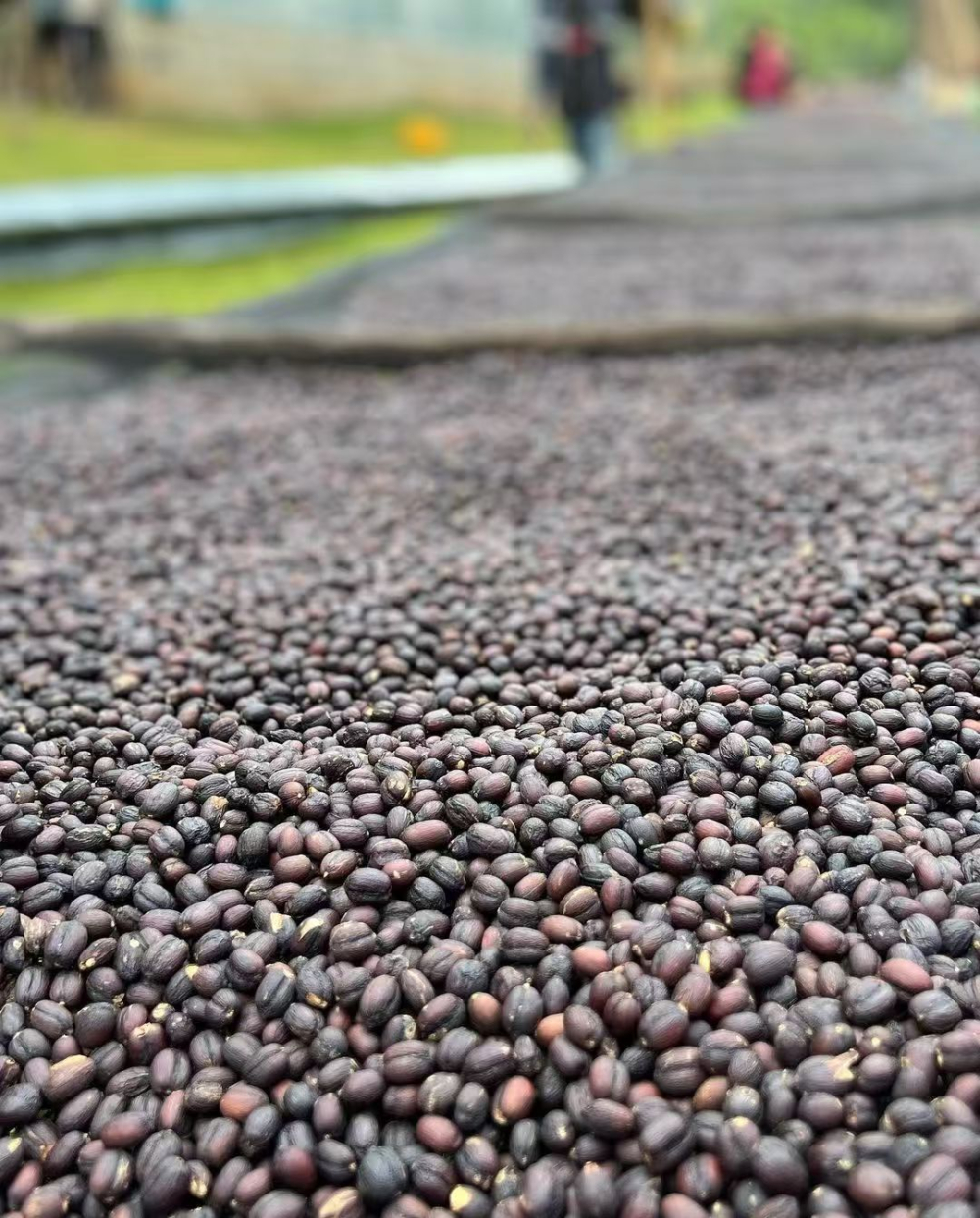
When selecting beans for pour over brewing, freshness and processing method are two core elements. Washed processing can clearly highlight the unique regional flavors, while natural processing often brings a richer fruity aroma. Most of today’s special processing methods have evolved from these two foundational techniques.

African RegionsKnown for their bright acidity and floral and fruity aromas, among which Ethiopia, as the coffee gene bank, showcases a variety of flavor expressions even within just the Yirgacheffe region. Washed beans from this area often feature jasmine floral notes and lemony acidity, while natural-processed beans from Sidamo may exhibit complex aromas of berries and honey.It is recommended that beginners start exploring these two regionsto experience the actual impact of processing methods on flavor.
Moving toSouth America, Brazil, as the world’s largest coffee producer, is known for its semi-washed beans that feature low acidity and a rich body. Coffee from the Huila region, grown at altitudes exceeding 1500 meters, often displays gentle fruit acidity and a long-lasting aftertaste. Colombia’s honey-processed beans, thanks to the nutrient-rich volcanic soil, often carry sweet aromas of caramel and nuts.
Asian RegionsIndonesian coffee is renowned for its unique wet-hulled processing method, which contributes to the pronounced nutty characteristics of the Mandheling series. Coffee from Java Island often carries herbal and spicy notes, while Sumatra Mandheling is noted for its full body and low acidity.Note that the wet-hulling process accelerates fermentation, which is a key factor in forming its distinctive flavor.

In terms of processing methods, washed processing preserves clearer regional characteristics, making it suitable for drinkers who prefer bright acidity; natural processing enhances fruity and sweet notes, meeting the needs of consumers who favor intense flavors. Some selection strategies show that washed-processed beans usually have a more distinct regional identity.
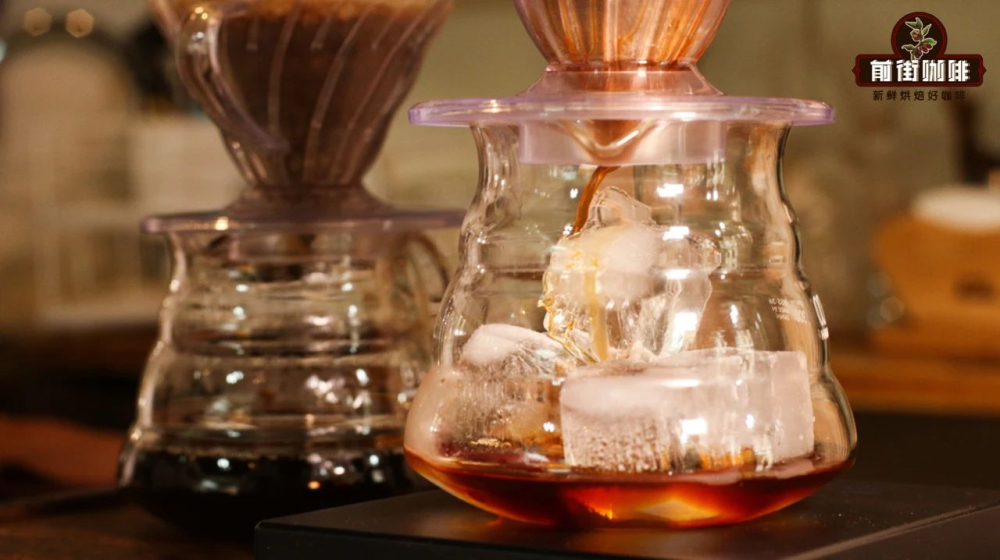
During pour over brewing,it is recommended to use the three-pour method: the initial stage involves using a fine stream to wet the coffee grounds, the middle stage increases the flow rate to bring out mid-palate flavors, and the final stage slows down to extract the aftertaste components. The swirling speed and water stream height directly affect extraction evenness, and these parameters need to be adjusted according to the characteristics of the bean variety.
Regarding freshness management, the 5–7 day period after roasting is the golden window for flavor development. Although some shops offer pre-ground coffee powder, freshly ground beans retain more volatile aromatic compounds.Coffee powder exposed to air will accelerate oxidation, so it is recommended to brew immediately after grinding to achieve the best flavor expression.
Flavor profiles of representative bean varieties from each region:
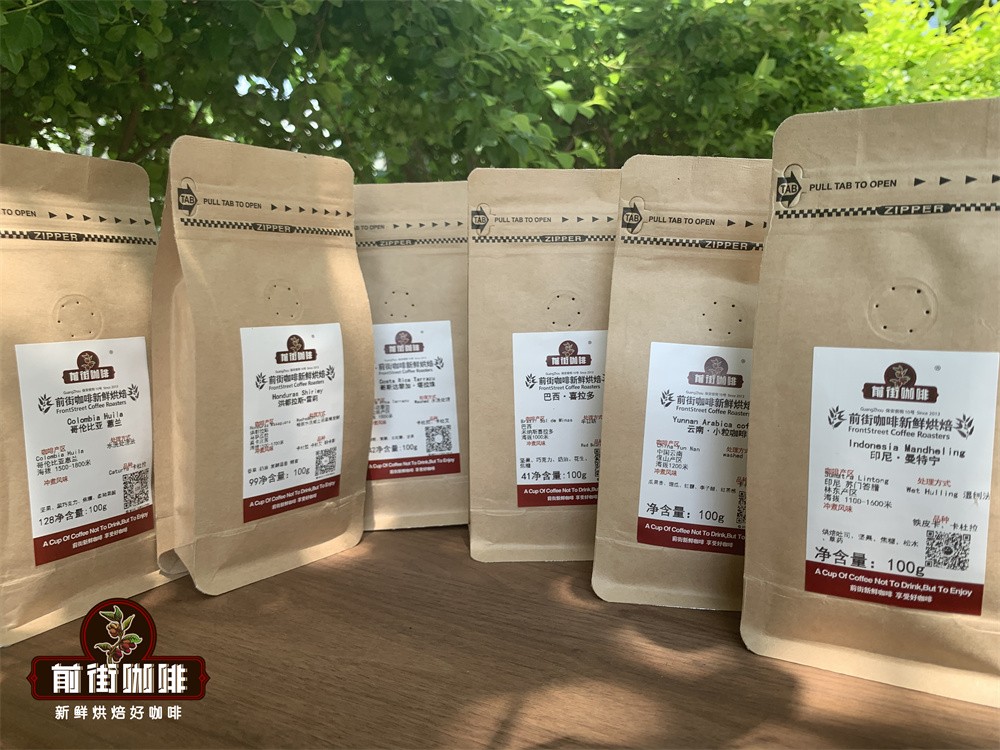
• Ethiopia: Washed Yirgacheffe features jasmine floral notes and lemony tones, while natural Sidamo presents berry and honey aromas.
• Brazil: Semi-washed Red Bourbon is known for its low acidity and creamy texture.
• Indonesia: The Mandheling series features a pronounced nutty character and notable body.
• Colombia: Beans from the Huila region display a balance of floral notes and fruit acidity.
• Guatemala: Coffee from the Huehuetenango volcanic region carries a smoky finish.
• Costa Rica: Honey-processed beans often exhibit honey and tropical fruit aromas.
• Yunnan: Small-bean coffee has brown sugar and tea-like qualities.
• Panama: Geisha beans from the Boquete region showcase citrus and berry tones.
For actual tasting, it is recommended to use V60 or Kalita Wave drippers, paired with medium-fine grind size (approximately 70% passing through a #20 sieve). Water temperature should be controlled within the range of 90–93°C.After the first pour, wait 30–45 seconds for the bloom, a step that is crucial for flavor release.
In summary, understanding the terroir characteristics of each region and the principles behind various processing methods can help drinkers establish a systematic framework for evaluation. Regardless of budget,freshly roasted and properly stored single-origin beanscan all showcase unique charm. Remember, coffee exploration is truly a personal journey of taste—keep trying different combinations of regions and processing methods, and you will eventually find the cup of coffee that best suits your flavor preferences.
The above content is compiled by CoffeeHunters, a coffee news website.


