







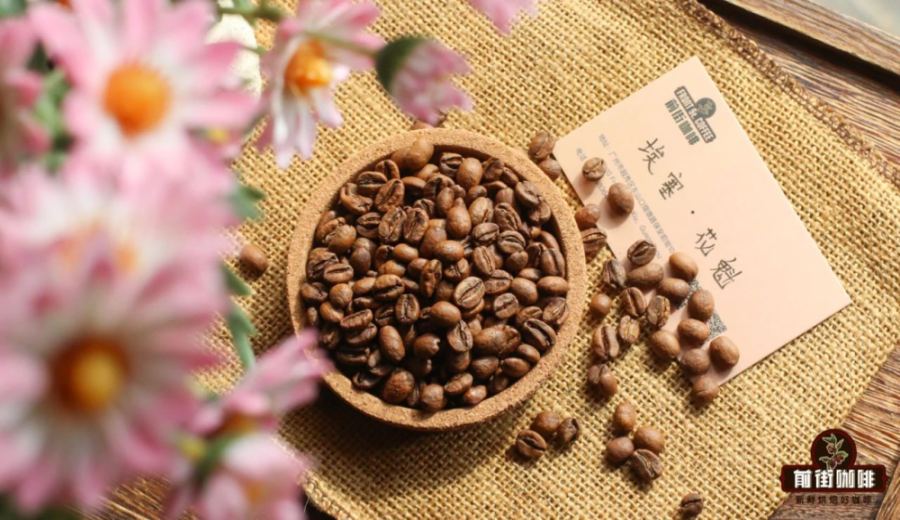
Introduction:This article provides an in-depth analysis of the renowned Ethiopian natural-process coffee "Hua Kui" from the Guji-Hambela region. It covers its victory at the TOH (Taste of Harvest) cupping competition, the unique floral and fruity aromas nurtured by its high-altitude microclimate, and the sweet, rich flavors brought out by the natural processing method. We also explain two roast profiles—light to medium roast suitable for pour over and cold brew, and medium roast ideal for espresso and moka pot—and offer practical buying and brewing tips to help you find your perfect flavor match.
Among many specialty coffees, there is one named "the foremost among a hundred flowers" that has won the hearts of many coffee lovers with its elegant floral and fruity notes and sweet, delicate flavors. This is the Hua Kui coffee from Ethiopia’s Guji-Hambela region. Initially, this bean stood out as the champion of the natural category in the 2017 TOH (The Taste Of Harvest) harvest cupping competition, quickly gaining international fame. Its charm lies not only in its exceptional growing environment but also in its refined processing techniques and versatile roast options.
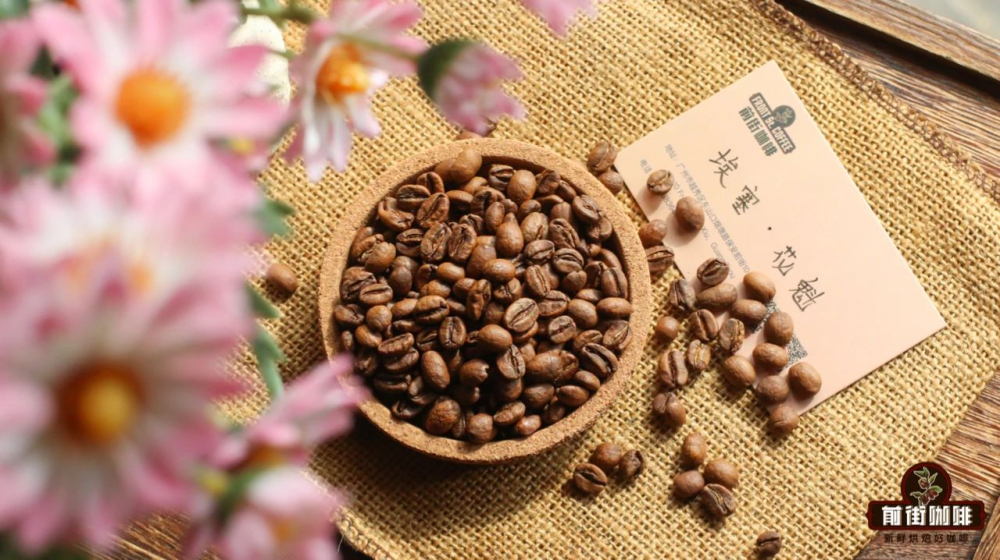
Many who first encounter Hua Kui coffee are drawn to its poetic name. However, the name "Hua Kui" actually has an interesting backstory. It originated from the TOH competition hosted by the African Fine Coffees Association in 2017, where a natural-process coffee bean from the Hambela farm in Ethiopia's Guji region won first place among many competitors. After being introduced to the Chinese market, its flavor profile was compared to the “king of flowers,” earning it the elegant name "Hua Kui," symbolizing outstanding beauty like the queen of blossoms. The industry has since continued using this evocative, oriental-inspired name.
Hua Kui coffee hails from Hambela, part of Ethiopia’s southern Guji region, which is globally recognized as one of the premier specialty coffee-growing areas. Most coffee in this area is grown at altitudes above 2,000 meters on hillsides. The high elevation slows down the ripening process of coffee cherries, aiding in the accumulation of flavor compounds. Coupled with the region’s unique microclimate and the natural shading provided by surrounding sugarcane and banana trees, which regulate sunlight intensity and create favorable growth conditions, all of these factors contribute to the distinctive floral and fruity notes of Hua Kui coffee.
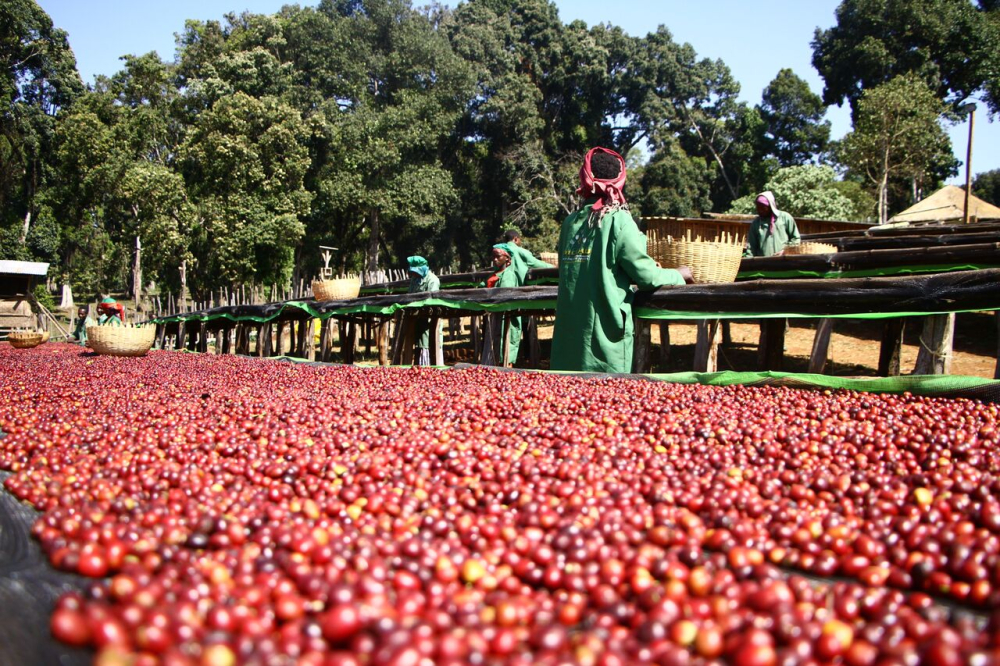
Beyond the innate advantages of its geography and cultivation environment, the natural processing method used for Hua Kui coffee is key to shaping its flavor profile. Natural processing involves drying harvested ripe coffee cherries with their pulp and mucilage intact under the sun until all moisture has evaporated. During this process, sugars and flavor compounds from the pulp gradually seep into the seeds (i.e., the future green coffee beans), resulting in a final roasted coffee with richer sweetness and a fuller body. This is why Hua Kui coffee is often described as having sweet, creamy berry-like notes and a smooth mouthfeel.
It’s worth noting that a coffee’s final performance depends not only on high-quality green beans but also greatly on the roasting method and degree. Compared to beans from Asia and the Americas, African coffee varieties typically have more pronounced floral and fruity acidity characteristics. Therefore, they are best presented through light to medium or medium roasting to achieve optimal flavor balance. Over-roasting can easily mask their delicate aromatic layers, stripping the coffee of its soul.
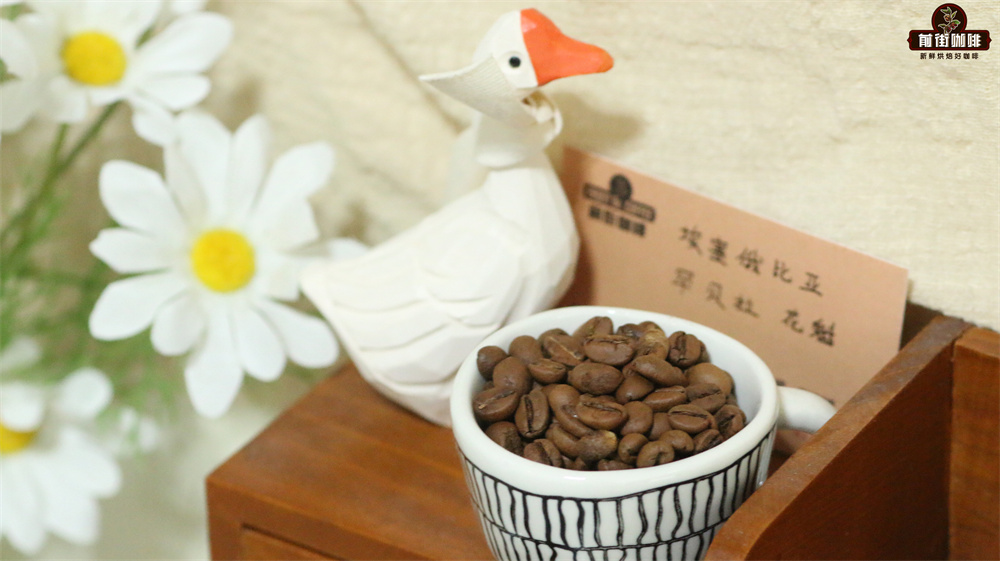
To cater to different brewing preferences, many professional roasters have designed multiple roast profiles for Hua Kui coffee. A common approach is to offer a light to medium roast curve, ideal for low-temperature, long-extraction methods like pour over or cold brew, highlighting its bright floral, citrus, berry, and black tea nuances. There is also a medium roast curve tailored for those who enjoy bold flavors and rich crema, producing sweet notes of creamed strawberry, dried mango, orange, and caramel when brewed with espresso machines or moka pots.
If you usually prefer pour over or cold brew and enjoy the process of slowly extracting the nuances of coffee, then the light to medium roasted Hua Kui will be a great choice, offering vibrant floral and fruity aromas with a refreshing balance of acidity and sweetness. On the other hand, if you love bold milk-based coffees or want to create beautiful latte art at home, the medium roasted version is perfect for espresso machines or moka pots when making lattes or cappuccinos, showcasing its full-bodied richness alongside sweet flavors.
When selecting Hua Kui coffee beans, it’s advisable to choose brands known for consistent roasting quality and good market reputation. Generally, freshly roasted beans preserve the maximum aroma and flavor activity, so it’s recommended to buy products roasted within five days and ensure timely delivery. Additionally, the pairing of different roast levels and brewing methods significantly affects the final coffee experience. It’s best to choose the roast curve that suits your usual equipment and taste preferences to fully appreciate the diverse charm of this championship coffee.
The above content is compiled by CoffeeHunters, a coffee news website.


