







Introduction:Ethiopia’s Yirgacheffe is a holy grail for specialty coffee enthusiasts worldwide, with its washed and natural processing methods creating distinctly different flavor profiles. This article delves into the processing techniques, grading standards, taste characteristics of both, and offers practical pour over recommendations to help you find the Yirgacheffe coffee beans that best suit your flavor preferences.
Yirgacheffe, located on the Ethiopian plateau at an altitude of 1,700 to 2,100 meters, is one of the highest-altitude coffee-growing regions in the world, renowned for its unique floral and fruity aromas and layered complexity. The region enjoys a mild and humid climate, shrouded in fog year-round, providing an ideal growing environment for coffee trees and yielding beans with vivid flavors.
Yirgacheffe coffee beans are mainly processed by either washed or natural methods, which differ significantly in technique, flavor, and mouthfeel. Washed processing removes the pulp through soaking and fermentation, preserving the beans’ clean acidity and bright citrus notes; natural processing allows the coffee cherries to dry naturally in the sun, developing intense fruitiness and rich sweetness.
The washed Yirgacheffe process begins with the removal of the skin and pulp, followed by fermentation to eliminate the mucilage, and finally drying the beans inside the parchment to a moisture content of about 12%. This process usually takes 1 to 3 weeks, with sun drying being the most common method, imparting the beans with fresh floral notes and a black tea-like finish. Washed beans are graded as Gr-1 and Gr-2, with a lower number indicating higher quality. The Gr-1 Yirgacheffe from this origin is celebrated for its vibrant citrus tones and jasmine floral aromas.
Natural Yirgacheffe employs the traditional sun-drying method, where harvested coffee cherries are directly exposed to the sun for about 4 weeks, requiring close monitoring to prevent mold. This method fully retains the sugars and flavors from the fruit pulp, giving the beans a rich honey-like sweetness, winey notes, and a full body. Natural beans are graded as Gr-1, Gr-3, Gr-4, and Gr-5. The Gr-1 natural Yirgacheffe from this origin, with its abundant fruit and spice aromas, challenges many people’s traditional notions of coffee.
In terms of taste profile, washed Yirgacheffe is characterized by a bright lemony acidity, paired with fresh citrus aromas and a black-tea-like mouthfeel, resulting in an overall refreshing cup; natural Yirgacheffe presents fermented winey notes and honey sweetness, accompanied by cocoa undertones and spice hints, with a fuller body and longer aftertaste. Both exhibit fruity acidity, but the washed version has a livelier acidity, while the natural leans more toward richness.
For brewing methods, pour over and siphon are the best choices to highlight Yirgacheffe’s flavors. Using a V60 filter, for example, it is recommended to use 15 grams of coffee grounds, a water temperature of about 92°C, a grind size close to that of fine sugar, and a water-to-coffee ratio of 1:15. Start with a 30-second bloom using 30 grams of water, then pour in stages up to 125 milliliters before pausing, followed by a slow pour to 240 milliliters. These parameters can bring out the citrus and jasmine floral notes of washed beans, or the intense fruitiness and sweetness of natural beans.
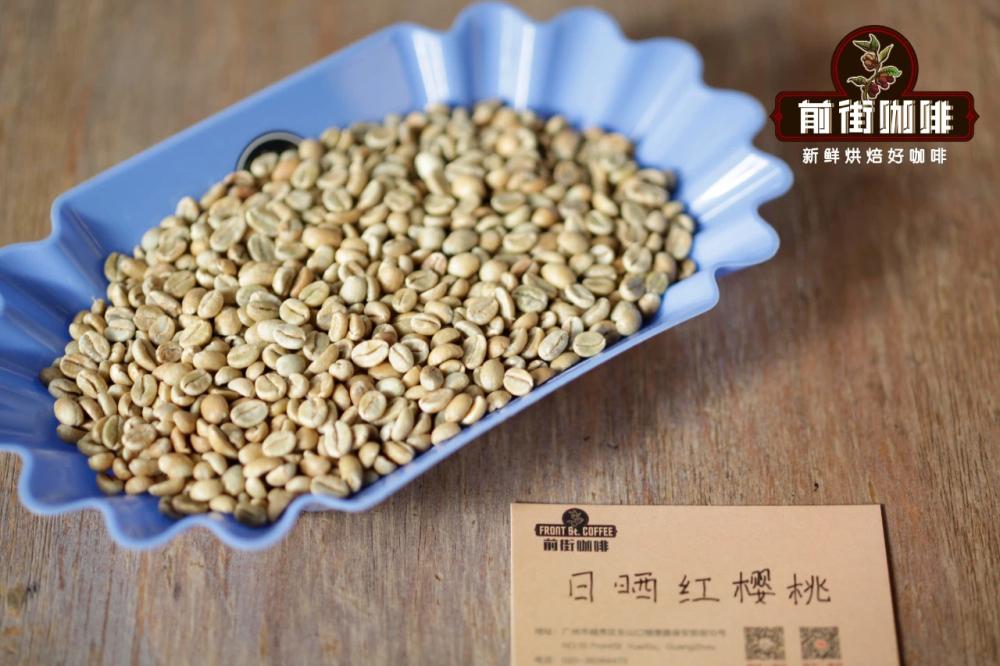
It’s worth noting that natural beans present relatively greater challenges in roasting and brewing techniques, but their unique, intense fruit fermentation flavors can offer coffee lovers a rich taste experience. From hot to cold drinks, Yirgacheffe’s flavor layers reveal different facets as the temperature changes, and even the empty cup may retain wine-like fruity aroma notes.
The above content is compiled by CoffeeHunters, a coffee news website.


