








Introduction:Want to explore the unique performance of Brazilian coffee under cold pour over? This article takes the Natural Fazenda Rainha as an example, delving into the characteristics of its growing region, processing method, and roasting profile, while also detailing the recommended grind size, water temperature, filter choice, and brew ratio. From practical steps to flavor profiles, it guides you step-by-step in brewing a clean and refreshing iced Brazilian coffee at home.
Brazilian coffee has long been known for its rich and slightly bitter flavor, forming a sharp contrast with the bright fruity and floral acidity of African beans. What kind of taste experience does Brazilian coffee bring when used for iced pour over? Taking the Natural Fazenda Rainha as an example, this article systematically introduces the grind size, water temperature, filter type, and brew ratio for iced pour over, covering everything from the growing environment and processing methods to the roasting style, along with a complete brewing process to help you easily master the iced brewing technique for this classic bean.
 It is generally believed that African coffee excels with vibrant fruity and floral acidity, while Brazilian coffee showcases another classic style—a solid, rich bitterness. Under hot pour over, Brazilian beans can exhibit rich layers of flavor; so what different sensory experiences does iced pour over extraction offer?
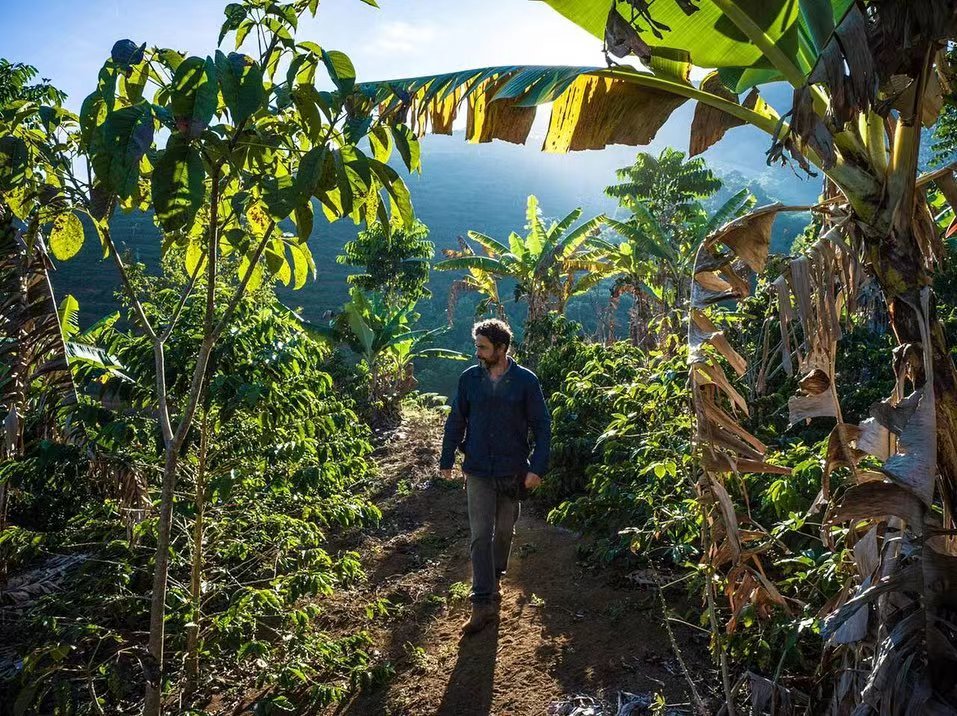
Fazenda Rainha is located in the Mogiana region of Brazil, close to Sul de Minas, where the terrain is mostly a mix of shrubs, grasslands, and natural vegetation, combined with nutrient-rich red volcanic soil, providing ideal growing conditions for coffee cherries and helping accumulate full-bodied aromatic compounds. The farm combines traditional farming practices with modern management techniques, significantly improving the overall quality of the coffee. The industry has found a rare sugarcane-like sweetness in this Natural Fazenda Rainha, accompanied by soft fruitiness and chocolate notes.
Since 1999, Fazenda Rainha has won multiple awards in the Brazilian COE competition, making it a highly reputable coffee producer in the region. This Natural coffee retains the pulp during processing, allowing it to absorb more natural sweetness during the drying stage, thereby enhancing the fruitiness and cleanliness of the coffee.
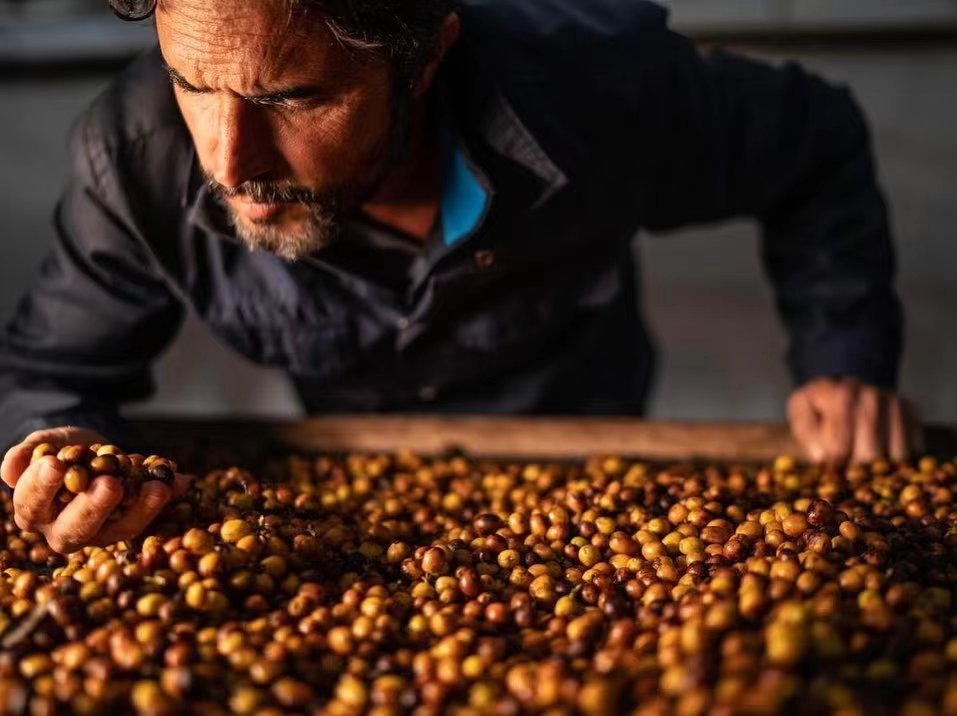
Traditional natural processing often involves directly sun-drying coffee cherries on the ground, which can easily introduce off-flavors and may lead to over-fermentation. Fazenda Rainha adopts a more rigorous process: first, the cherries are floated in water tanks to remove unripe ones, then placed on African raised beds to dry slowly, with regular turning to ensure even heat distribution, reduce unwanted flavors, and maintain the purity of the coffee’s flavor.
 In the roasting phase, a medium-dark roast is selected to highlight the coffee’s rich characteristics while preserving its natural sugarcane-like sweetness. For specialty coffee, freshness is a key factor affecting flavor. It is generally recommended to enjoy the coffee within 4 to 7 days after roasting, when the coffee is at its peak flavor; after about a month and a half, the aroma may gradually fade, or even develop woody notes. All coffee shipped is ensured to be within five days post-roast, allowing consumers to taste the freshest and most vibrant flavors.
The biggest difference between iced pour over and hot pour over is that the extraction is first completed with hot water, then rapidly cooled with ice, resulting in a refreshing taste. Since the total brew water volume for iced pour over is smaller, directly applying the parameters of hot pour over can easily lead to thin flavors and insufficient aroma. Therefore, adjusting the grind size to improve extraction efficiency is key.
Regarding grind size: medium-dark roasted coffee beans have a relatively loose texture, and grinding too finely can lead to over-extraction, releasing excessive woody and bitter flavors. Brewers use a medium grind (with about 75% passing through a Chinese standard No. 20 sieve) for hot pour over, but adjust to a medium-fine grind (about 80% passing rate) for iced pour over to balance extraction efficiency and flavor clarity.
Water temperature: medium-light roasted beans suit higher water temperatures to extract aromatic compounds, but medium-dark roasted Brazilian beans, having already undergone a longer caramelization process, can produce intense bitter notes if the water is too hot. It is recommended to control the water temperature at87~88°Cto reduce bitterness and enhance a rounded mouthfeel.
Filter choice: for the rich characteristics of medium-dark roasted coffee, a slower-flowing KONO filter is preferred. Its upper part features a smooth curved surface, while the lower part has drainage ribs covering about one-third of the length, ensuring the filter paper fits tightly against the filter, restricting airflow, guiding the hot water downward for extraction, similar to a siphon effect, which helps fully release aromatic compounds from the coffee grounds.
Brew ratio is also an important parameter affecting flavor. Hot pour over typically uses a 1:15 ratio, suitable for 1–2 servings; but for iced pour over, since a large amount of ice is added afterward, maintaining the same ratio can dilute the coffee’s flavor. Therefore, the ratio is adjusted to1:10, while using about100 grams of high-hardness large ice cubesto maintain the iced effect and stabilize concentration.
Recommended parameters are as follows: filter—KONO, water temperature88°C, coffee dose15 grams, brew ratio1:10, water volume150 milliliters, with100 grams of ice cubes, grind size medium-fine (about 80% passing through a No. 20 sieve).
Specific operation steps: First, wet the filter paper and discard the dripping water in the lower vessel, then add the ice cubes. Place the coffee grounds into the filter, then pour in double the coffee dose (about 30 grams) of water for the bloom. Once the coffee bed expands and forms a dome, let it bloom for about30 seconds. Then pour water in small streams in a circular motion from the inside out. When the total water volume reaches95 grams, perform the first pour break. Once the coffee bed descends to the middle of the filter, continue pouring with the same fine stream until reaching150 grams, until all the coffee liquid has dripped through, with the whole process taking about1 minute and 40 seconds.
The above content is compiled by CoffeeHunters, a coffee news website.


