








Introduction:This article provides an in-depth analysis of the rum barrel-fermented coffee beans launched by Colombia’s San José Estate. From regional background, processing methods to variety characteristics, it offers a comprehensive introduction to this specialty coffee boasting flavors of liquor, nuts, and tropical fruits. It also includes practical pour over and cold pour over parameters and segmented extraction tips to help you easily brew a coffee with rich layers and vivid flavor profiles.
The rum barrel fermentation method did not originate in Honduras but from a sudden flash of inspiration by the mistress of Colombia’s San José Estate. One day while accompanying her husband during rum production, she had a brainstorm: what if green coffee beans were placed in rum oak barrels for low-temperature fermentation—would that yield entirely different flavors? This led to a series of experiments that eventually resulted in the successful creation of uniquely flavored rum barrel-fermented coffee beans.
These coffee beans come from Colombia’s Caldas region, which was designated a UNESCO World Heritage Site in 2011. It is not only one of the important birthplaces of coffee agriculture but is also known for its stable climate and fertile soil. The San José Estate is located here, covering a plantation area of 222 hectares at elevations between 1,350 and 1,470 meters. With year-round temperatures ranging from 21 to 25°C, abundant sunshine, and fertile volcanic soil brought by the Nevado del Ruiz volcano, the region offers excellent potential for the development of outstanding coffee fruit flavors.

Established by a family in 1963, the San José Estate has now been passed down to the third generation. It has always adhered to the philosophy of coexisting with nature, dedicated to protecting biodiversity, water systems, and the local ecosystem, while integrating modern technology with traditional wisdom to pursue the ultimate in coffee quality. Against the backdrop of the rise of the specialty coffee trend, the estate’s mistress sought differentiation and began experimenting with fermenting coffee beans in rum oak barrels from their own distillery starting in 2013. This ultimately led to the development of these fermented beans with rich rum aromas and complex layers.
The so-called rum barrel fermentation process involves first removing the coffee cherry's skin and pulp, then conducting around 20 hours of controlled temperature fermentation, followed by natural drying under a protective shed until the ideal moisture content is reached. Next, carefully selected 17/18 mesh-sized coffee beans are placed into Colombian rum oak barrels aged for at least eight years and rich in “Tafia” flavor, where they undergo static fermentation for up to three months. Samples are analyzed every 30 days during this period to ensure the beans fully absorb the barrel's aromatic qualities, resulting in a final product infused with captivating rum notes.
This coffee uses the Castillo variety, the result of five generations of crossbreeding between Timor and Caturra. Timor has a natural hybrid background of Arabica and Robusta, with tall plants and resistance to leaf rust; Caturra is a natural mutation of Bourbon, with shorter plants but high yield per unit area, elegant flavor, and although susceptible to diseases, it is a preferred choice for many specialty coffee farmers.
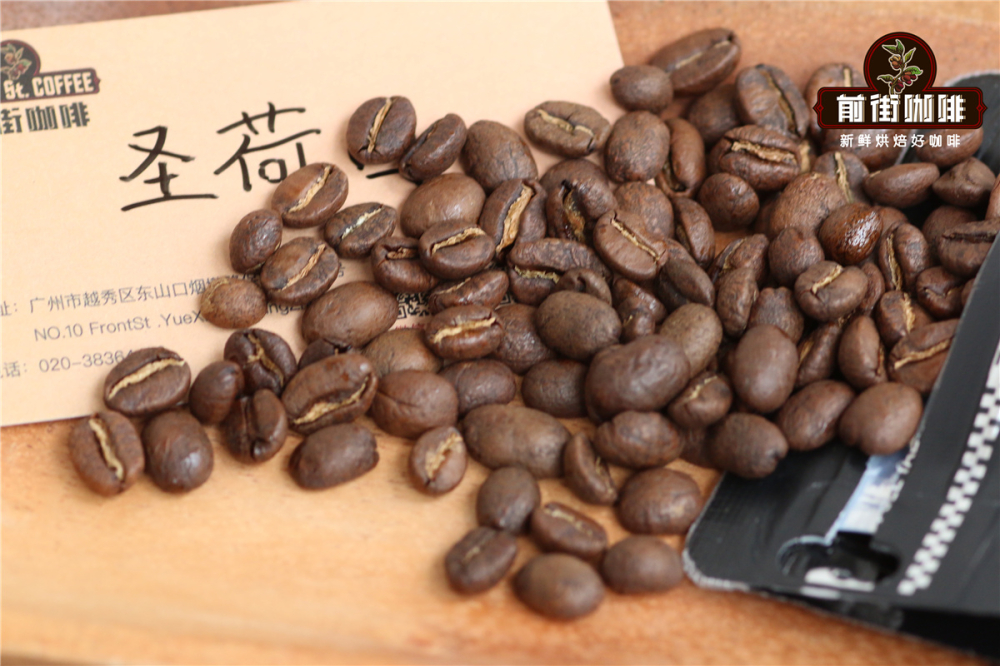
In terms of roasting, this San José coffee bean features a refined washed process paired with rum barrel fermentation. The brand adopts a medium-light to medium roast range to preserve clear layers of fruity and boozy notes. The recommended roasting profile is as follows: charge temperature 190°C, power 140, air damper 3; turnaround at about 1 minute 42 seconds, when the drum temperature drops to 140°C adjust the air damper to 4, maintain power; at 151.8°C, when the bean surface turns yellow and grassy notes fade, it enters the main drying phase, at which point the power can be reduced to 120; at about 8 minutes 38 seconds, when the bean surface shows wrinkles and dark spots and the toastiness transitions to coffee aroma, it is just before first crack; at 9 minutes 07 seconds first crack begins, adjust air damper to 4, continue development for 2 minutes 10 seconds after first crack, and finally drop the beans at 195°C to achieve optimal flavor balance.
For pour over, whether hot or cold, the V60 dripper is the top choice, with its spiral ribs helping to enhance flow rate and layering. For hot pour over, it is recommended to use 15 grams of coffee, with a 1:15 brew ratio and water temperature at 91°C, using a grind size similar to superfine sugar (80% passing through a #20 sieve). The segmented extraction steps are as follows: begin with 30 grams of water for a 30-second bloom to form a “hamburger-shaped” coffee bed; first pour to 125 grams at the 1-minute mark, then continue pouring once the water level drops to two-thirds of the coffee bed; second pour at 1 minute 40 seconds to 225 grams, with total brew time around 1 minute 59 seconds. In terms of flavor, hot pour over highlights intense rum aromas, accompanied by notes of nuts, tropical fruits, cream, and an oolong tea-like finish, with pronounced sweetness and a multi-dimensional profile.
For cold pour over, it is recommended to adjust the brew ratio to 1:10, still using 15 grams of coffee, maintaining the 91°C water temperature, but with a finer grind (82% passing through a #20 sieve), and adding 100 grams of ice. The segmented steps are: 30 grams of water for a 30-second bloom, then small circular pours to reach 90 grams for the first segment, continuing the pour once the water level nears exposing the coffee bed until reaching 150 grams, with total brew time around 1 minute 25 seconds. Then remove the dripper, add ice, gently stir, and enjoy. The cold brew flavor is more refreshing, with relatively restrained rum notes, but the tropical fruit acidity is soft, paired with nuttiness and high sweetness, offering a smooth mouthfeel and long-lasting aftertaste.
In summary, the rum barrel-fermented coffee beans from Colombia’s San José Estate, with their unique fermentation technique and refined post-processing, showcase multiple layers of rum, nuts, fruit, and tea notes. Whether brewed hot or cold, they deliver captivating flavors. With the detailed parameters and practical techniques provided in this article, even coffee beginners can easily get started and experience the charm of this specialty coffee from the Caldas region.
The above content is compiled by CoffeeHunters, a coffee news website.


