








Introduction:Kenyan coffee is renowned for its high acidity and bright, complex fruit flavors, and is particularly famous for its washed processing method and unique smallholder cooperative model. This article delves into Kenya’s coffee grading system, highlights the characteristics of its processing methods, and focuses on the "Little Tomato" lot from the Asali factory in the Kiambu region. It explores the variety's traits and captivating flavors. We also provide pour over brewing tips for lightly roasted Kenyan beans—including filter choice, water temperature suggestions, grind size guidance, and a three-stage pouring process—to help you easily extract a clean, bright, and well-balanced cup with harmonious acidity and sweetness.
Kenyan coffee holds a prominent place in the global specialty coffee market thanks to its vibrant fruity acidity and full body. Common flavor notes include blackberry, grapefruit, and even a distinctive dark plum character—qualities that make it a highly rated choice among many coffee enthusiasts. Especially in summer, brewing Kenyan beans as iced coffee accentuates their refreshing and crisp appeal. Pairing them with citrus fruits or cocoa products can further enhance layered flavor complexity.

Kenya’s coffee industry is largely supported by numerous smallholders. Though individual small-scale producers have limited output, their collective contribution far outweighs that of large estates, with an approximate ratio of 6:4—a rarity among international coffee-growing regions. Kenyan coffee beans are graded into seven categories based on size, shape, and hardness: AA, AA+, AB, PB, C, E, TT, and T, with AA and AA+ being the highest grades. However, a higher appearance grade does not necessarily equate to better flavor, an important consideration when selecting beans.
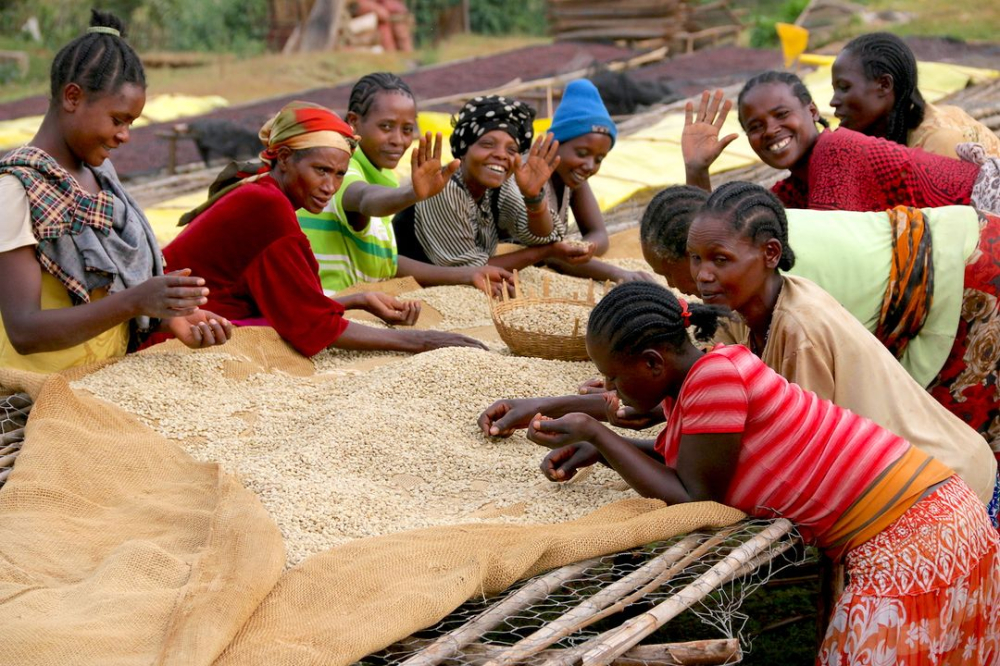
Kenyan coffee farms mainly fall into two types: one consists of larger plantations at lower altitudes, typically around five acres in size, whose beans are generally of medium quality; the other type comprises small farms located on volcanic slopes at elevations above 5,000 to 6,000 feet, where the high-altitude environment often yields beans with greater potential. Yet, smallholder farmers typically produce only about 20 to 70 bags per season, making it difficult to independently establish washed processing facilities. As a result, they collaborate collectively, forming cooperatives involving hundreds or even thousands of members, with government support to build washing stations. After harvest, the coffee cherries are processed centrally through meticulous steps such as sorting, pulping, fermentation, mucilage removal, drying, and polishing to ensure consistent quality.
One key factor behind the distinctive acidity and fruity notes of Kenyan coffee is the widely used K72-hour washed processing method. Compared to conventional washed processing, which typically ferments for only 24 to 48 hours, the Kenyan method extends fermentation to 72 hours, utilizing three cycles of 24-hour fermentation and washing to gradually enhance flavor purity and complexity. This method is usually carried out in a low-temperature environment, helping the beans exhibit a brighter, cleaner, and more robust flavor profile—reasons why it is highly regarded by many roasters and baristas.
Kenyan "Little Tomato" Coffee Beans: A Refined Representative from the Kiambu Region
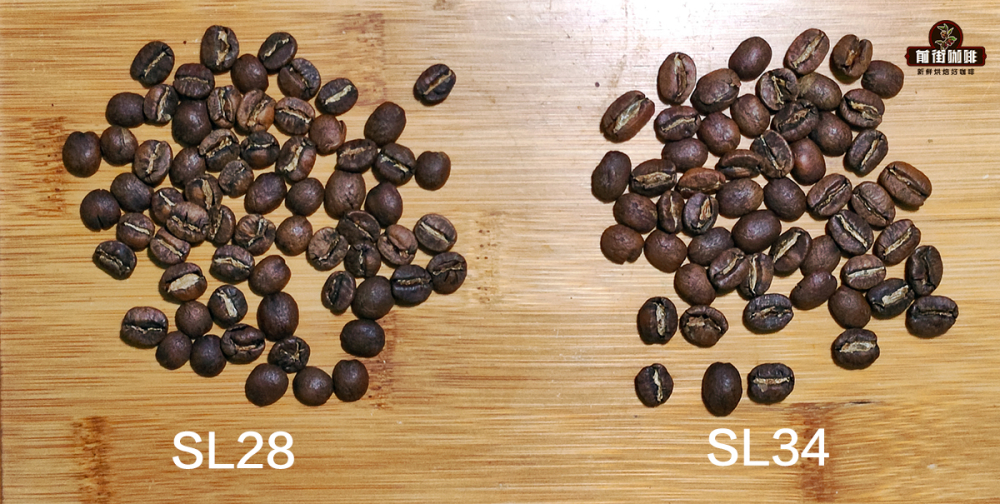
The "Little Tomato" coffee beans from the Asali factory in Kenya’s Kiambu region are a classic example of lightly roasted Kenyan beans. This lot uses the SL28 and SL34 varieties, processed via the K72 method, showcasing a highly recognizable dark plum acidity along with a refreshing, tart acidity and solid body reminiscent of cherry tomatoes. Its flavor profile also includes notes of pears, brown sugar, and plums, delivering an overall balanced and layered cup.
These beans are grown at altitudes ranging from 1,550 to 1,750 meters. The high elevation allows the coffee cherries to ripen slowly, accumulating richer flavor compounds and acidity. For those who enjoy exploring challenging yet distinct coffees, "Little Tomato" is a must-try.
Light Roast Kenyan Coffee: Pour Over Parameters and Techniques
When brewing a light roast like the Kenyan "Little Tomato," pay attention to the following key details to fully highlight its balanced acidity and sweetness, as well as its clean and bright character:
1. Choose a fast-flowing filter cone
Because light roast beans have less expansion and a harder texture, grinding them can release a significant amount of very fine particles. If the filter cone has insufficient flow rate, it may cause clogging in the later stages, affecting the clarity and aroma of the extraction. It’s recommended to use a filter cone like the V60, which features a spiral groove design. Its large bottom hole and excellent airflow help accelerate water flow while promoting more efficient release of acidic aromatic compounds.
2. Control water temperature between 90°C–93°C
Water temperature is a crucial factor influencing acidity and body. To emphasize bright acidity and a tea-like aftertaste, opt for 90°C to 91°C; if you prefer a fuller, more robust fruit acidity and mouthfeel, go for 92°C to 93°C. Avoid overly high or low temperatures to prevent flavor imbalance.
3. Fine-tune grind size and brew time
Grind size directly affects total brew time and flavor expression. Generally, when using 15 grams of coffee grounds for a three-stage pour, a total brew time under 1 minute and 40 seconds usually indicates the grind is too coarse, leading to under-extraction and sour, sharp flavors; if it exceeds 2 minutes and 20 seconds, over-extraction may occur, resulting in bitterness and heaviness. Adjust the grind size appropriately based on actual brew time and taste feedback.
In terms of coffee-to-water ratio,1:15 to 1:16are both acceptable ranges. If you prefer intense berry flavors with an oolong-tea-like profile, choose 1:15; if you want clearer flavors with more prominent citrus and white floral notes, opt for 1:16 to allow the flavor layers to unfold more gracefully.
Recommended Three-Stage Pouring Process
First, pour 30 grams of water and let it bloom for 30 seconds. Use a small stream, moving in circles from the center outward, to ensure even saturation of the coffee bed. Second, use a slightly larger stream to pour 95 grams of water, reaching a total of 125 grams by around 55 seconds. This helps expand the coffee bed and enhance flavor release. Third, when the liquid level drops to about halfway, switch to a small stream and pour in a small circle to add 100 grams of water, bringing the total to 225 grams. Aim for a final brew time of around 2 minutes to ensure balanced flavors and a clean finish.
Mastering these key points will allow you to easily brew a cup of Kenyan coffee with distinct acidity and layered complexity at home—experience the unique charm of the Kiambu region.
The above content is compiled by CoffeeHunters, a coffee news website.


