







Category: Coffee Knowledge

Analysis of Espresso Crema | A Complete Guide to the Formation Principles and Flavor Relationships of Coffee Crema
Understanding the golden to dark brown crema on top of an espresso shot is not just a symbol of aesthetics, but also a key indicator of extraction quality. This article delves into the formation principles of crema, its structural composition, the meaning behind color variations, and how to assess the quality of an espresso extraction based on the crema—helping coffee enthusiasts and professionals master more precise coffee quality control techniques. [more…]

The Truth About Espresso Crema | Can Crema Determine Coffee Quality? A Breakdown of Key Extraction Parameters
Have you heard the claim that “the richer and more golden the crema (coffee foam), the better the espresso tastes”? In reality, this layer of foam on the surface of an espresso doesn’t simply indicate flavor quality. This article will delve into the science behind crema formation, exploring how its condition relates to coffee bean freshness, roast level, grind size, and extraction pressure. Through practical examples, we’ll explain why you can’t judge a coffee’s quality solely by its crema appearance—helping you understand espresso more scientifically. [more…]
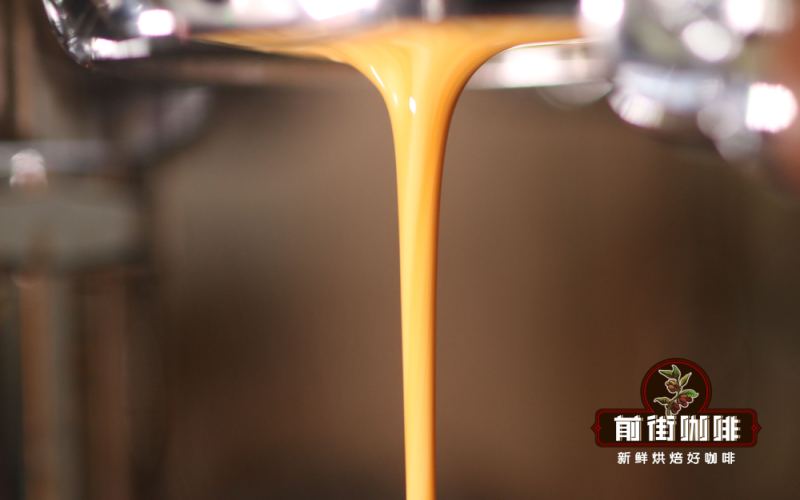
Complete Guide to Espresso: Understanding Crema Formation & Ideal Bean Varieties | Extraction Parameters & Beginner Tips
Espresso is the base for many coffee beverages, but its intense flavor and the distinctive crema on top often spark curiosity. What exactly is this golden layer of oil? How can you pull a shot of espresso with balanced flavors? This article delves into the science behind espresso brewing, the formation of crema, recommends suitable types of coffee beans, and provides practical extraction parameters and tips to help you master this iconic Italian-style coffee. [more…]
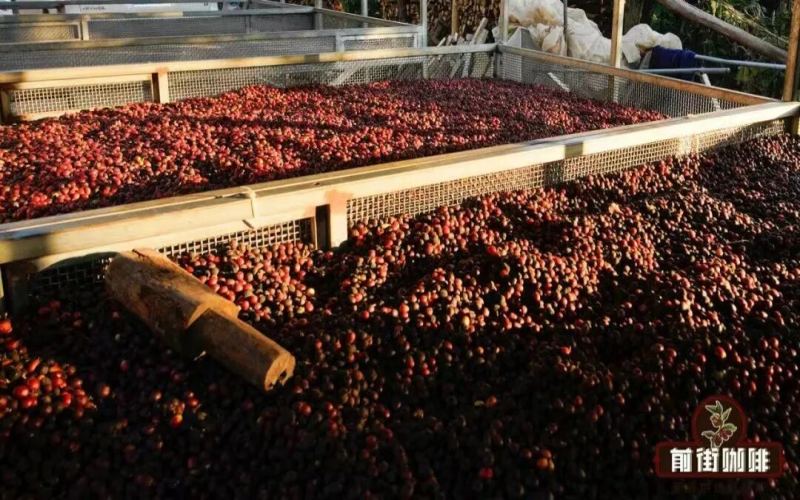
A Complete Guide to Coffee Processing Methods | Flavor Differences Between Natural and Washed Processes & Brewing Recommendations
Understanding the two common coffee processing methods—natural and washed—not only helps you choose beans that suit your taste preferences but also allows you to better appreciate the layers and characteristics of coffee. This article will provide a detailed analysis of the differences in their processing procedures, compare flavor profiles through practical examples, and offer professional brewing parameters to help you become more proficient from bean selection to brewing. [more…]
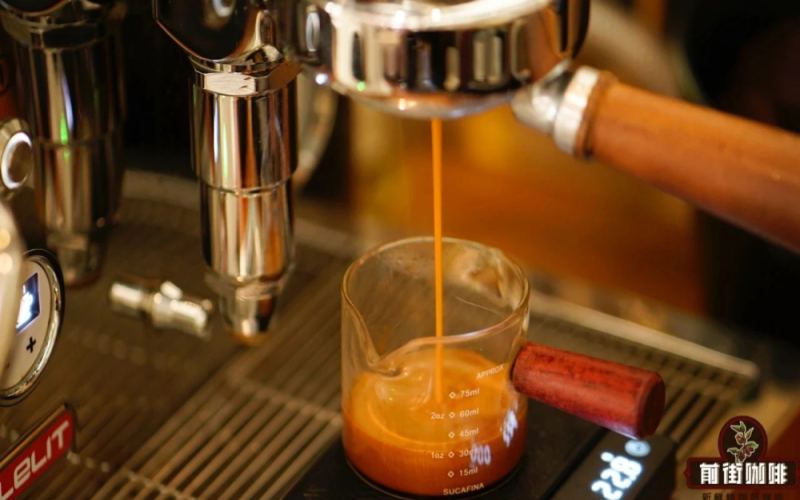
A Complete Guide to Espresso Crema: Composition, Causes, and Solutions for Extraction Issues
The golden crema on top of an espresso is not just a visual delight—it also significantly impacts the flavor and mouthfeel of the entire cup. But what exactly is crema made of? Why is it rich and creamy in some espressos, yet thin, patchy, or even clumpy in others? This article delves into the science behind crema, helping you understand the key factors behind extracting the ideal layer, and offers concrete solutions to common issues such as no crema, pale crema, rough and bubbly texture, or clumping. [more…]

Analysis of the Principles Behind Espresso Crema Formation and Key Factors Influencing Its Richness
The fascinating golden layer of crema on top of an espresso shot is not just a visual delight—it’s also closely related to extraction quality. What exactly is crema? What components is it made of? And what practical factors—both in technique and ingredients—affect its formation and richness? This article will delve into the scientific principles behind espresso crema generation and offer practical advice on coffee bean selection and brewing parameters to help you improve the quality of every shot of espresso you pull. [more…]
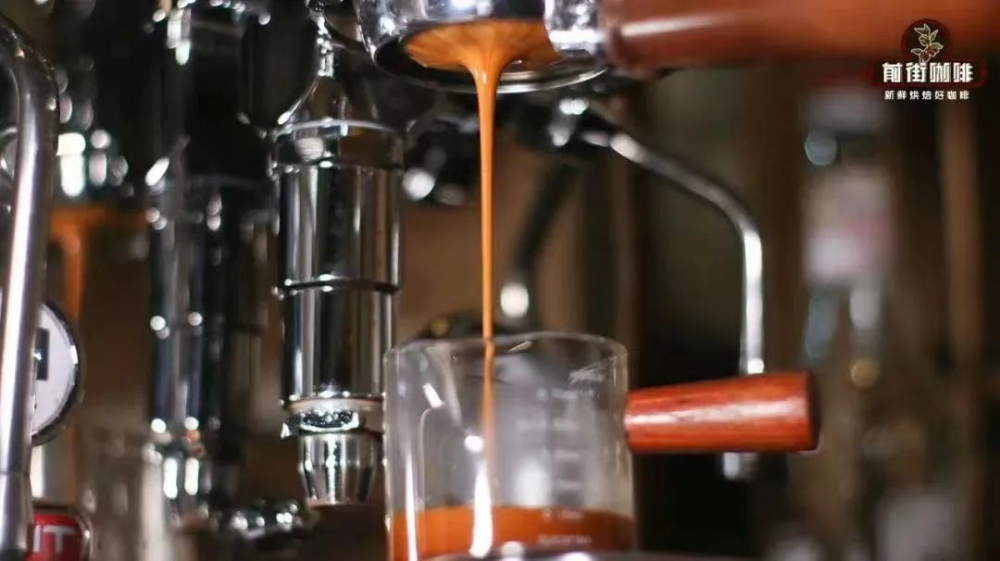
What to do if your espresso crema is too thin? Analysis of 5 key factors and improvement tips
The crema on top of an espresso not only affects its appearance but also serves as an important indicator of extraction quality. If you notice that the crema is thin or even absent, it may be related to several factors such as coffee bean freshness, machine settings, grind size, and more. This article delves into the common causes of insufficient crema and provides practical adjustment suggestions and parameter references to help you improve the crema performance and flavor of each extraction. [more…]
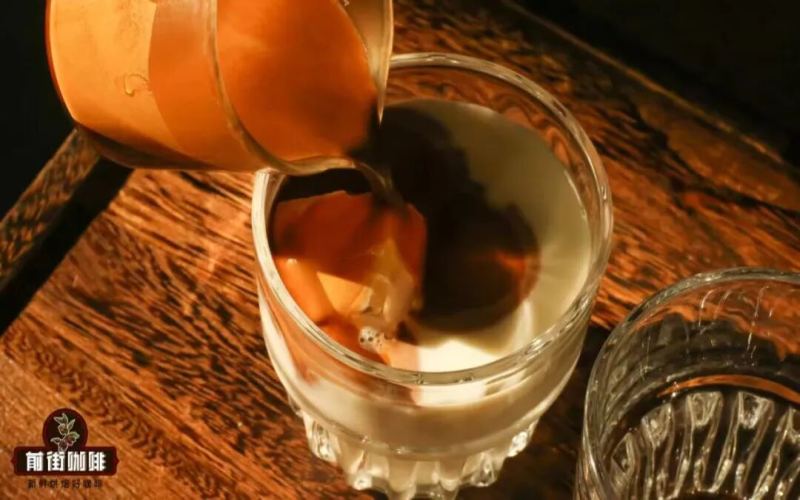
What’s the difference between a Dirty coffee and an iced latte? Analysis of 5 key distinctions and the correct way to enjoy them
Although both Dirty coffee and iced latte use cold milk and espresso, there are significant differences in their preparation techniques, taste experience, and drinking methods. This article provides an in-depth analysis of the 5 core distinctions between Dirty and iced latte, including cup size, whether ice is added, cup temperature control, layering technique, and the best way to enjoy them. This will help you choose the coffee that suits your personal preference and master the correct tasting method to enhance your coffee experience. [more…]

Controversy in Hefei: Starbucks removes umbrellas and chairs on rainy days — how to balance safety and customer experience in outdoor seating management?
A Starbucks outlet in Hefei, Anhui, drew customer complaints of being “kicked out” after removing outdoor umbrellas and chairs during rainy weather. What are the potential risks of leaving umbrellas exposed to rain? Was it reasonable for the store to remove the seating? This article delves into the incident, explores how to strike a balance in managing café outdoor spaces, and offers practical advice to help both customers and shops handle such situations more thoughtfully. [more…]

Luckin’s Big Winter Pear Americano is back—but why are fans disappointed with this limited winter edition?
Last year’s runaway hit from Luckin, the “Big Frozen Pear Americano,” won the hearts of many coffee lovers. This year’s launch of the “Big Winter Pear Americano,” however, has been met with criticism from fans who say it’s lost its original flavor. What key recipe changes were made in this new version that replaces concentrated fruit syrup with fresh pear juice? What reviews have coffee aficionados and newcomers given respectively? This article takes you deep into the truth and controversies behind this seasonal specialty drink. [more…]
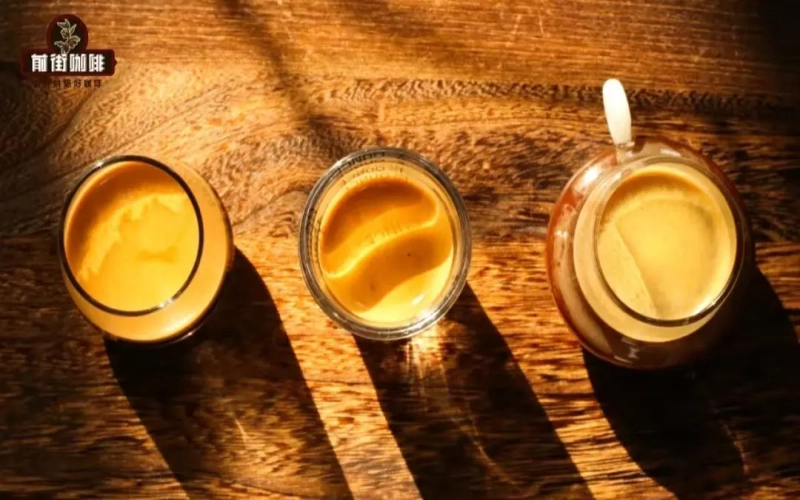
Comparison of Three Espresso Extraction Methods: What’s the Difference Between Normale, Ristretto, and Lungo?
Have you heard of terms like "original extraction," "refined extraction," or "full extraction," but don’t know they correspond to Normale (regular), Ristretto (short shot), and Lungo (long shot) in espresso? Although these three types of espresso are all based on the same coffee grounds, their concentrations, extraction yields, and flavor profiles vary greatly due to different coffee-to-water ratios. This article delves into the key parameters of these three extraction methods, explores the actual differences in flavor, and explains why... [more…]
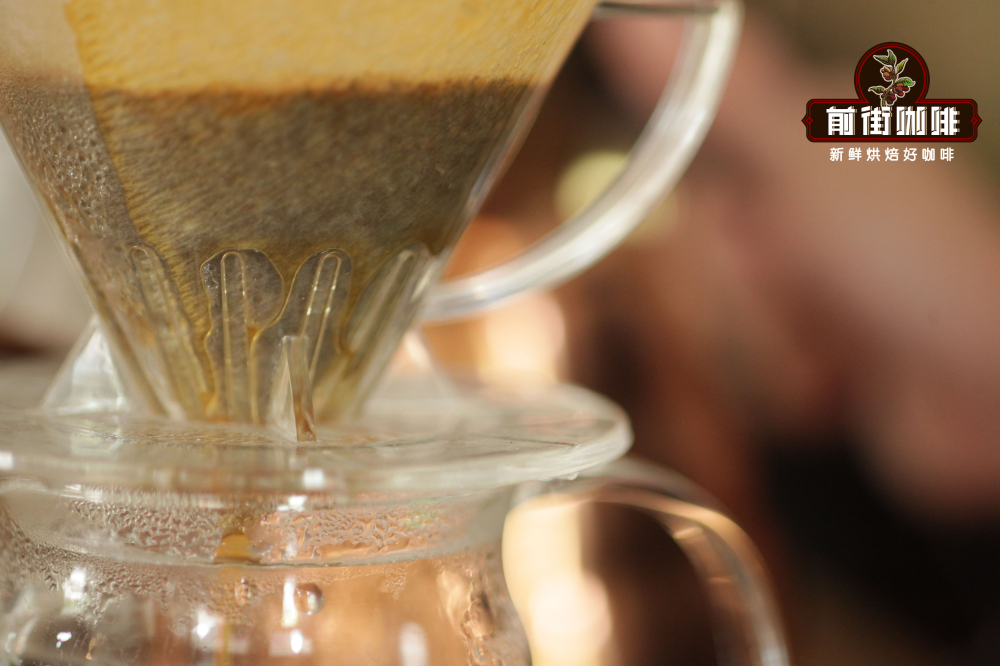
Pour Over Coffee Beginner’s Guide: A Complete Breakdown of the Golden Coffee-to-Water Ratio and Brewing Parameters
Want to brew a cup of pour over coffee with distinct layers and balanced flavors? This guide delves into the core parameters of pour over brewing—including coffee-to-water ratio, water temperature, extraction time, and pulse pouring techniques. With practical data and step-by-step details, you’ll master the golden ratio and create your own perfect extraction method. [more…]
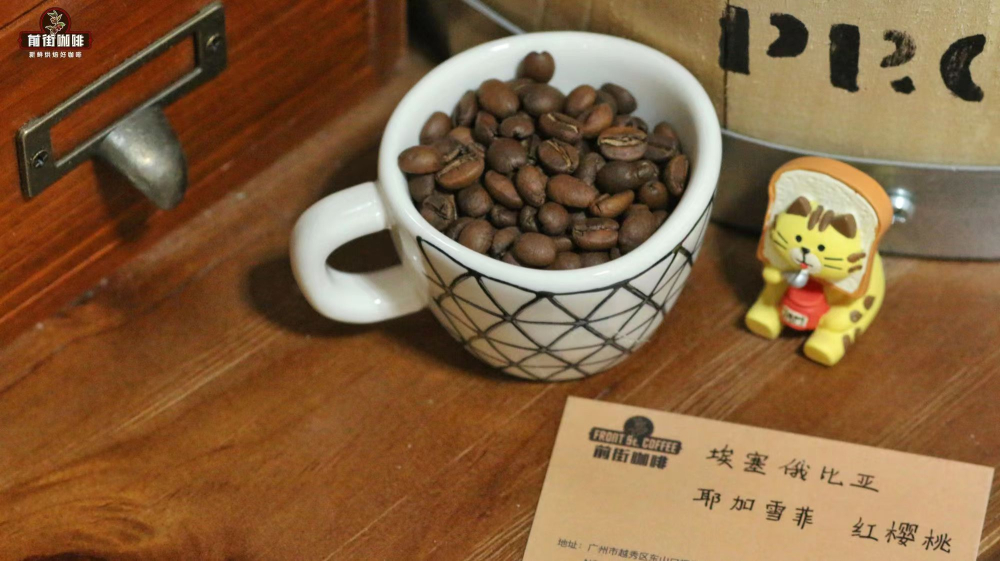
Complete Beginner's Guide to Cold Brew Coffee | Grind Size, Ratio, Time Explained + Recommended Beans
Want to easily make smooth-tasting, flavorful cold brew coffee at home? This guide breaks down the fundamentals of cold brew, the golden extraction ratio, and ideal grind size, helping you master the key parameters for 12 to 24 hours of steeping extraction. We also recommend several coffee beans that are well-suited for low-temperature brewing. Whether you're a beginner or aiming to elevate flavor complexity, you'll get the hang of the nuances of cold brew all in one go. [more…]
How to Adjust the Grind Size for Pour Over Coffee? A Practical Guide to Grinder Settings and Sieve Tests
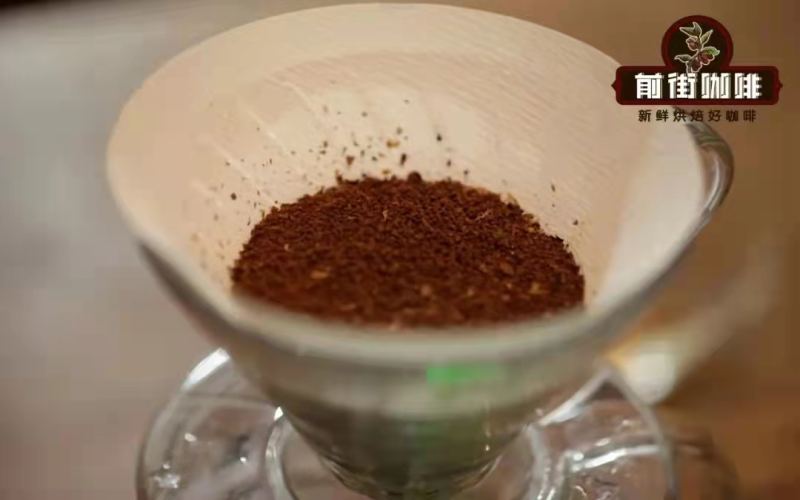
Mastering the key to pour over coffee starts with precisely adjusting the grind size! Many beginners struggle with grind coarseness because, unlike water temperature or brew ratio, it lacks clear numerical guidelines. This article will take you in-depth into the ideal grind range, teach you how to find the most suitable grind setting through practical sieve testing, and share practical tips for judging grind size based on extraction time and coffee bed settling speed—helping you easily dial in the best flavor. [more…]

The Golden Ratio and Tasting Techniques for Espresso Extraction | Why Drink Ice Water First? Key Factors Explained
Espresso is renowned for its rich and bold flavor, but many people are puzzled by the accompanying glass of ice water when they first try it. This article delves into the correct way to enjoy espresso, the golden parameters for extraction, and the multiple factors that influence its flavor. From grind size, water temperature, pressure, to coffee-to-water ratio, we’ll guide you through the secrets of crafting a professional-grade shot of espresso, and explain why baristas always have a glass of ice water on hand. [more…]

Complete Guide to Making Espresso | Differences Between Single & Double Shots & Golden Ratio for Hot Latte
Want to know how many milliliters a standard shot of espresso should be? What are the key differences between single and double shots? How do you balance coffee and milk in a hot latte? This article takes an in-depth look at the principles behind espresso making, core parameters, and the golden ratios of classic espresso-based drinks. It’ll help you master professional knowledge from coffee-to-water ratio to extraction time, improving your coffee’s flavor profile. [more…]

Complete Guide to Making Espresso | Flavor Analysis & Correct Tasting Method (with Extraction Parameters)
Espresso is the base for many coffee beverages—rich, aromatic, and layered with complexity. This article delves into the principles of espresso extraction, key brewing parameters, classic flavor characteristics, and analyzes the three-layer structure of crema, body, and heart. It also provides the correct way to taste espresso along with practical advice, helping both beginners and enthusiasts gain a deeper understanding of the essence of this coffee art. [more…]

Pour Over Coffee for Beginners: How Much Water for 15g of Coffee Grounds? A Guide to Three-Stage Pouring Techniques and the Golden Cup Ratio
To brew a well-balanced and delicious pour over coffee, the coffee-to-water ratio is key. This article takes an in-depth look at why a 1:15 coffee-to-water ratio suits most coffee beans, explains the difference between total water volume and actual brewed coffee yield, and breaks down the steps of a three-stage pouring technique in detail. Whether you're a beginner or an advanced enthusiast aiming for layered flavors, you'll learn how extraction parameters affect flavor expression, helping you brew a single serving with clear layers and smooth taste. [more…]

Complete Guide to Pour Over Coffee: From Water Temperature to Pouring Techniques, Learn to Brew Your Ideal Flavor
Pour over coffee is often the first choice for many coffee enthusiasts, not only because it’s easy to operate but also because it highlights the unique flavors of coffee beans. This article will provide a detailed introduction to the basic tools for pour over brewing, tips for adjusting water temperature and coffee-to-water ratio, and an in-depth breakdown of the key points of the three-pour technique. It will help you easily master the essentials of brewing, offering practical advice for both beginners and advanced brewers. [more…]
Complete Guide to Coffee Bean Naming Conventions: From Origin to Variety, Accurately Identify Specialty Coffee Beans
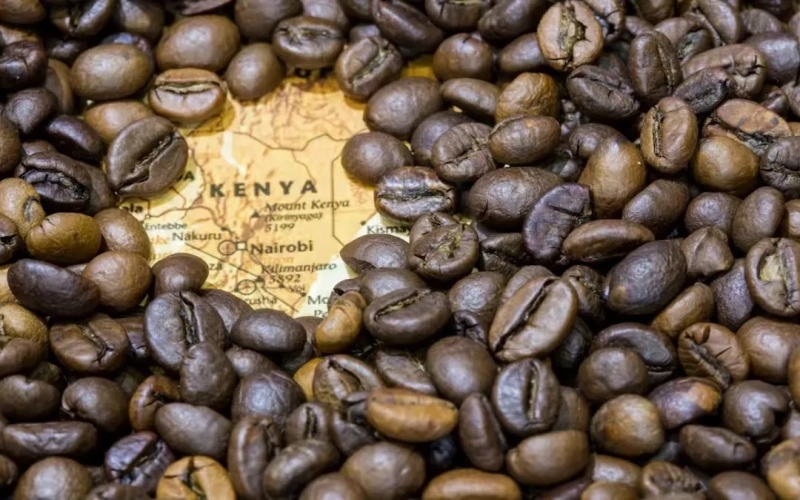
Have you ever been baffled by seemingly random coffee bean names like Geisha, Mandheling, or Huakui? Each coffee bean’s name actually holds hidden clues — it might refer to its origin, variety, flavor profile, or even an honorary mark. This article delves into the logic and evolution of coffee bean naming conventions, from early naming based solely on origin to today’s approach that combines micro-region, cooperative, variety, and special meanings. Help yourself decode the messages behind the names and accurately choose the beans that suit you. [more…]