







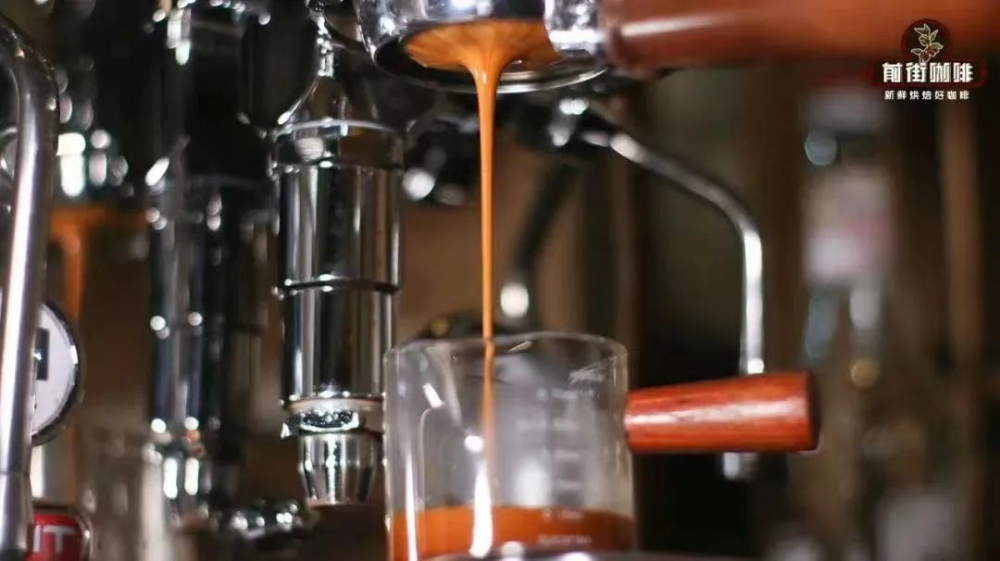
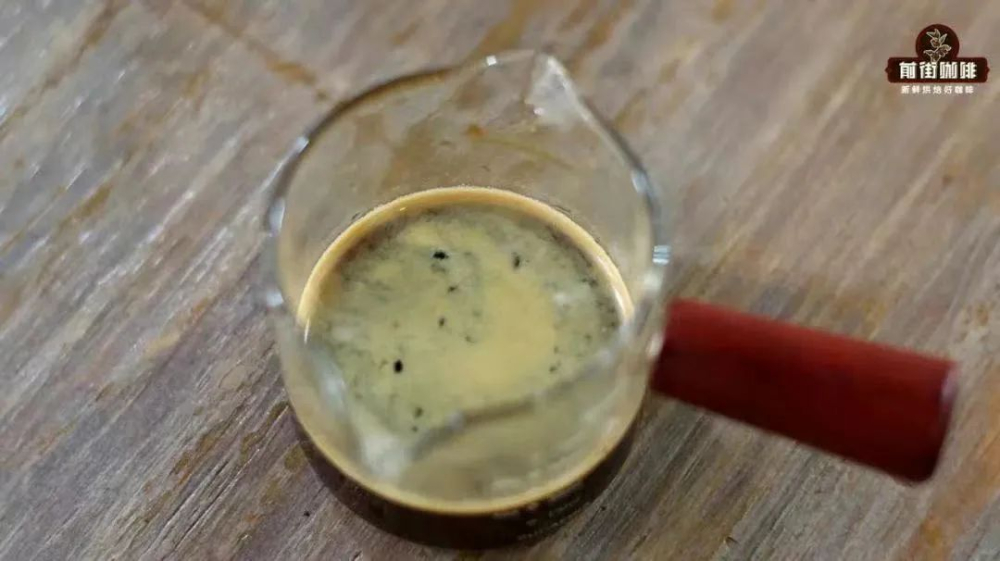
Introduction:The crema on top of an espresso shot not only affects its appearance but also serves as a key indicator of extraction quality. If you find the crema thin or even absent, it may be related to several factors such as the freshness of the coffee beans, machine settings, and grind size. This article delves into the common causes of insufficient crema, offering practical adjustment tips and parameter references to help you improve the crema performance and flavor of every shot you pull.
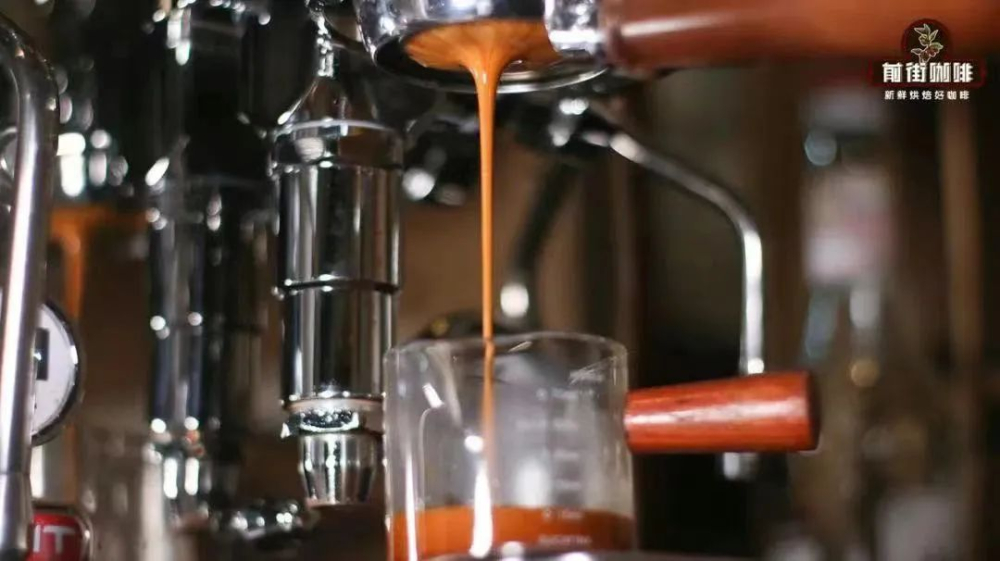
When you operate your espresso machine and watch that golden layer of crema slowly rise to the surface, it’s always an exciting moment. This crema is not just a visual delight—it’s also a vital sign of a successful extraction. However, if one day you notice that the crema is unusually thin or nearly invisible, it might be time to check the following key factors.
1. The Freshness of Coffee Beans Is Crucial
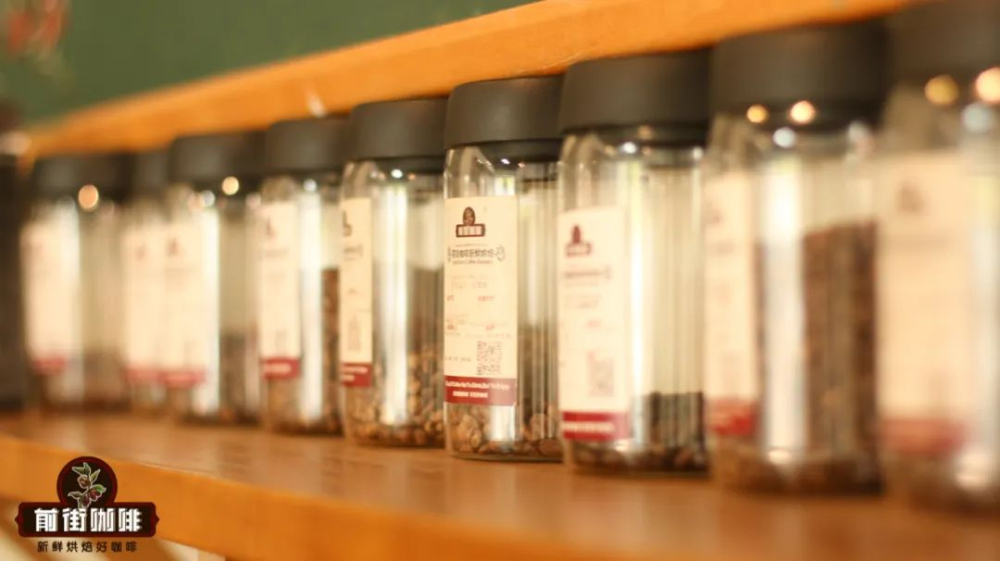
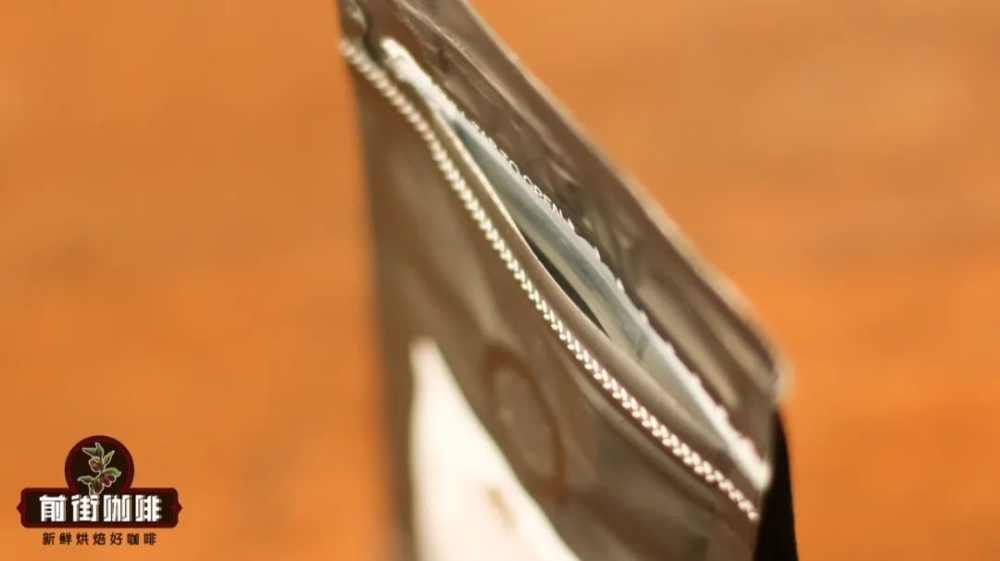
Freshly roasted coffee beans are rich in carbon dioxide, which is a vital component in forming thick crema. Once the beans exceed their optimal freshness window (typically within about 60 days after roasting), much of the CO₂ dissipates, resulting in poor crema performance. Additionally, even if the beans are still within the freshness period, improper storage—such as not sealing them tightly or exposing them to too much air—can lead to premature degassing, negatively affecting the extraction.
It is recommended to pay attention to the roast date when purchasing beans and store them in an airtight, light-proof, and dry environment to maintain optimal flavor and crema quality.
2. The Espresso Machine Pressure Setting Must Be Accurate
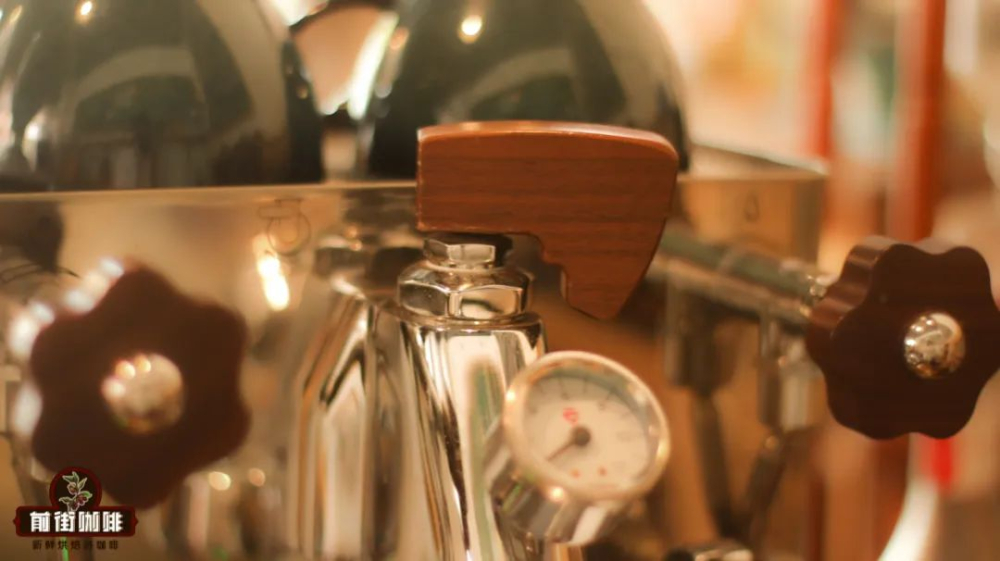
Many home espresso machines have conveniently located pressure valves, but these are also prone to accidental adjustments that can cause the pressure to deviate from the standard range. The ideal extraction pressure is generally9 to 10 bar. If the pressure is too low, it will directly affect crema formation and the richness of the espresso. Regularly checking the pressure settings and ensuring they are within the correct range can help stabilize the quality of your shots.
3. Grind Size and Dose Must Be Precisely Adjusted
If you notice that water flows through the coffee too quickly during extraction, with a light color and thin crema, it’s likely due to the grind being too coarse or the dose being insufficient. Both scenarios can lead to channeling, where water rushes through the coffee puck too fast, failing to fully extract flavors and crema.
It is recommended to use the reference gram weight indicated on your portafilter basket as a baseline, and adjust the grind size so that the extraction time falls around20 seconds(based on a coffee-to-water ratio of approximately 1:2). If the extraction time is too short, it means the water is flowing too fast, and you should adjust the grind to be finer to increase resistance.


4. Water Temperature Affects Extraction Efficiency and Crema Performance
Water that is too cold (below90°C[temperature not specified]20 minutesafter turning on the machine before starting extraction, ensuring the water temperature reaches the optimal range for richer crema and more vibrant flavors.

5. The Challenge of Light Roast Beans
Light roast coffee beans, due to their harder texture and lower inherent carbon dioxide content, are generally more difficult to extract rich crema from compared to dark roasts. Applying dark roast extraction parameters directly may not only lead to uneven extraction but also cause “splattering.” It is recommended to adjust the grind and pressure parameters specifically for light roast beans and to expect that their crema may not be as intense as that from darker roasts.

Recommended Coffee Bean Types for Home Espresso Machines
Considering the stability and capacity limitations of home machines, it is advisable to choose professionally blended espresso beans. These blends typically combine flavors from different origins and are roasted to a medium-dark or darker level, not only offering greater stability but also improving extraction forgiveness, helping you consistently produce rich crema and good mouthfeel.

Here are several blend recommendations suitable for home machines:
Balanced & Rich Type — Premium Blended Coffee Beans
Blend: Colombian washed coffee beans (30%) + Brazilian semi-washed coffee beans (70%)
This blend combines the classic Brazilian nutty profile with Colombian coffee, producing a dark chocolate and caramel flavor in the espresso. It pairs well with hot milk, delivering a rich and smooth taste reminiscent of a sugar-free Ovaltine hot drink.

Classic & Bold Type — Commercial Blended Coffee Beans
Blend: Robusta washed coffee beans (10%) + Colombian washed coffee beans (30%) + Brazilian semi-washed coffee (60%)
This blend produces a thick, golden crema and, when paired with milk, offers a toasted and creamy mouthfeel. The bitterness quickly transforms into a lasting aftertaste, making it suitable for milk-based coffees like flat whites.
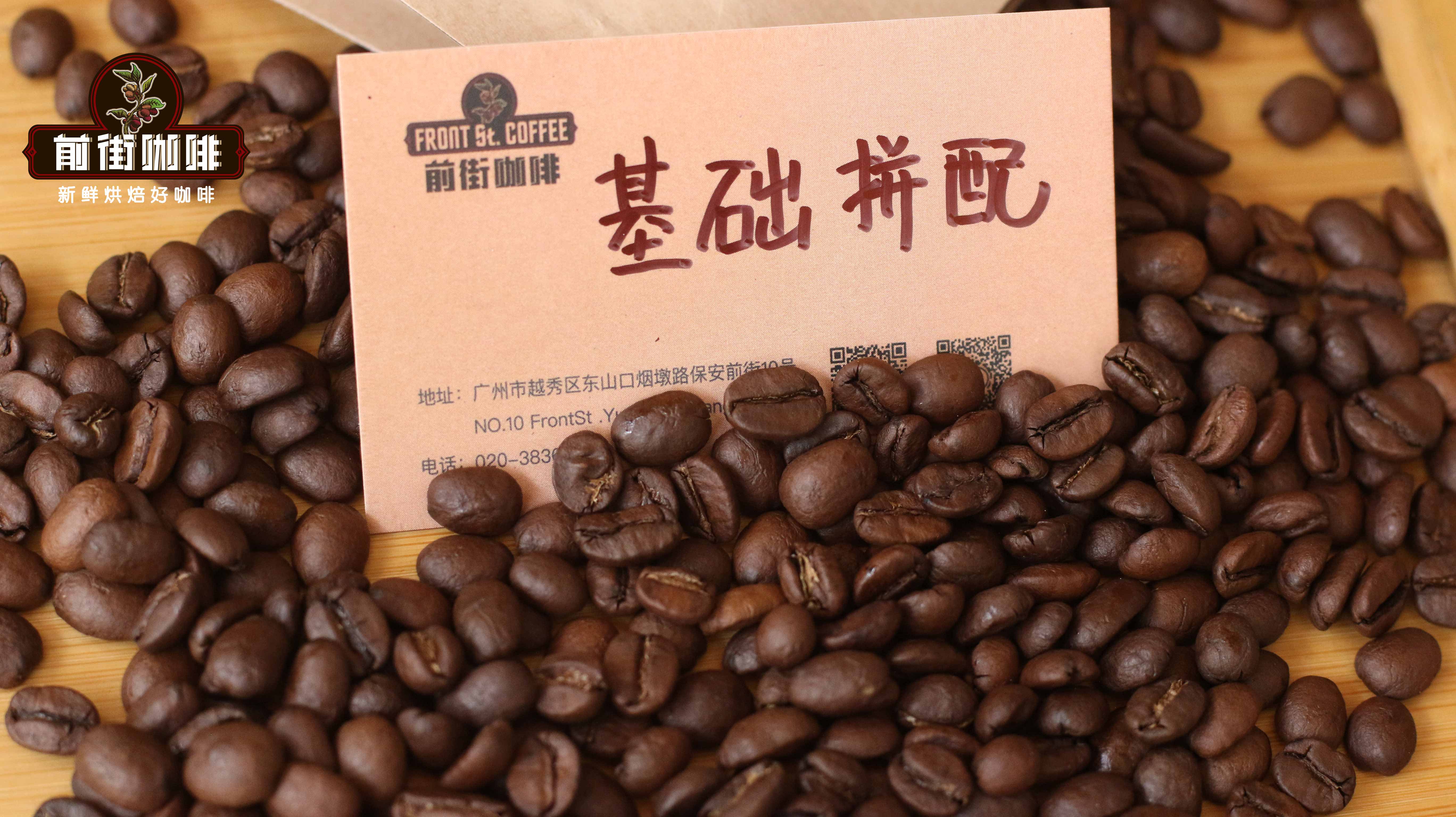
Mildly Acidic & Rich Type — Black Cocoa Blended Coffee Beans
Blend: Yunnan washed small-bean coffee beans (30%) + Brazilian semi-washed coffee beans (70%)
Combining the gentle acidity of Yunnan coffee with the richness of Brazilian beans, this blend delivers caramel, nutty, and mildly acidic plum notes in the espresso. When paired with milk, it results in a balanced and smooth taste.

The above content is compiled by CoffeeHunters, a coffee news website.


