








Introduction:Espresso is renowned for its intense richness and bold flavor, yet many people are puzzled by the accompanying glass of ice water when they first try it. This article delves into the correct way to enjoy a shot of espresso, the golden extraction parameters, and the multiple factors that influence its flavor. From grind size, water temperature, pressure, to coffee-to-water ratio, we’ll guide you through the secrets of crafting a professional-grade espresso and explain why baristas always have a glass of ice water on hand.
On cold days, many people walking into a café often go straight for a steaming cup of latte. However, there are also plenty of coffee enthusiasts who specifically crave that pure, intense shot of espresso. When you order an espresso and find that the barista serves it alongside a glass of ice water, have you ever wondered: Why drink water with your espresso? It’s not just a habit—it’s a key step that helps you fully appreciate the flavors of espresso.
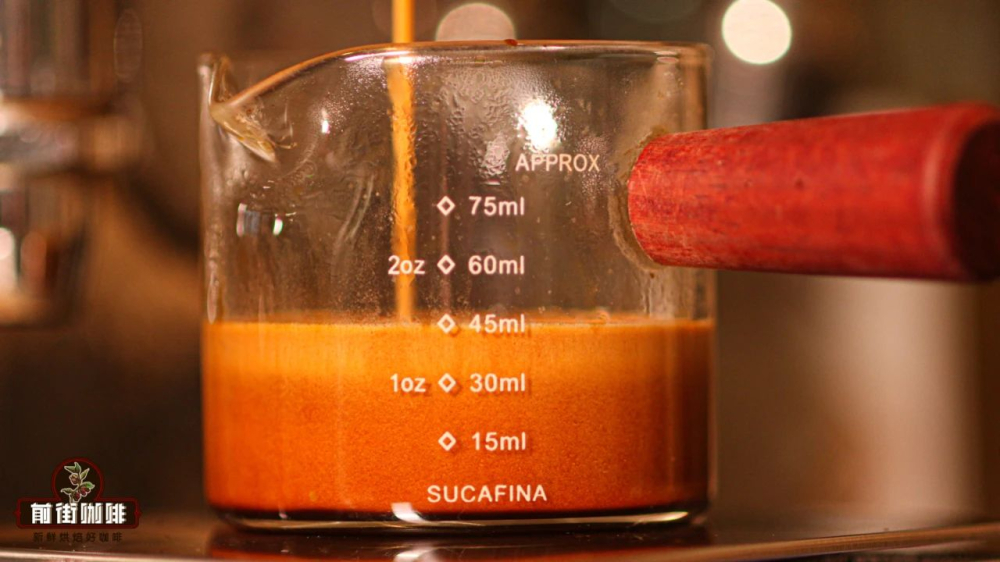
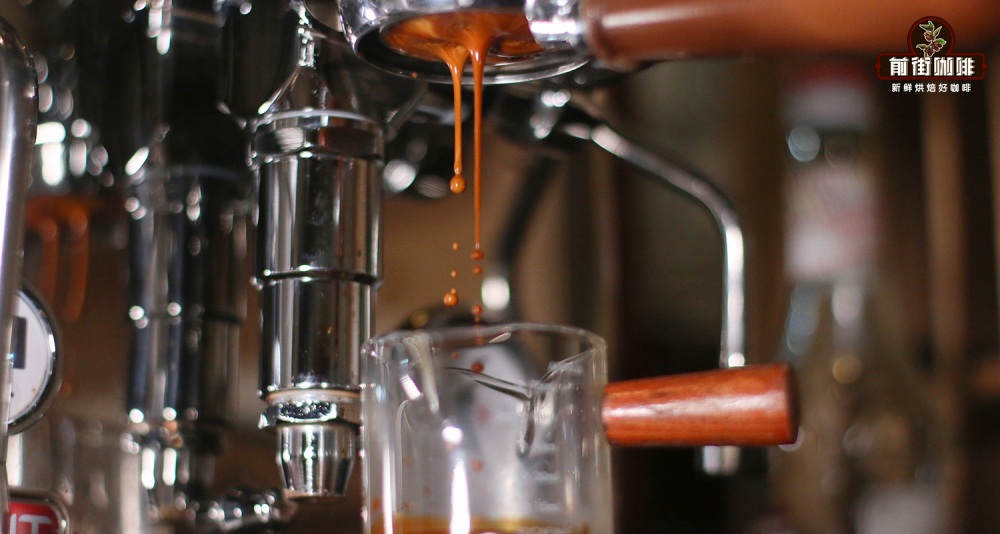
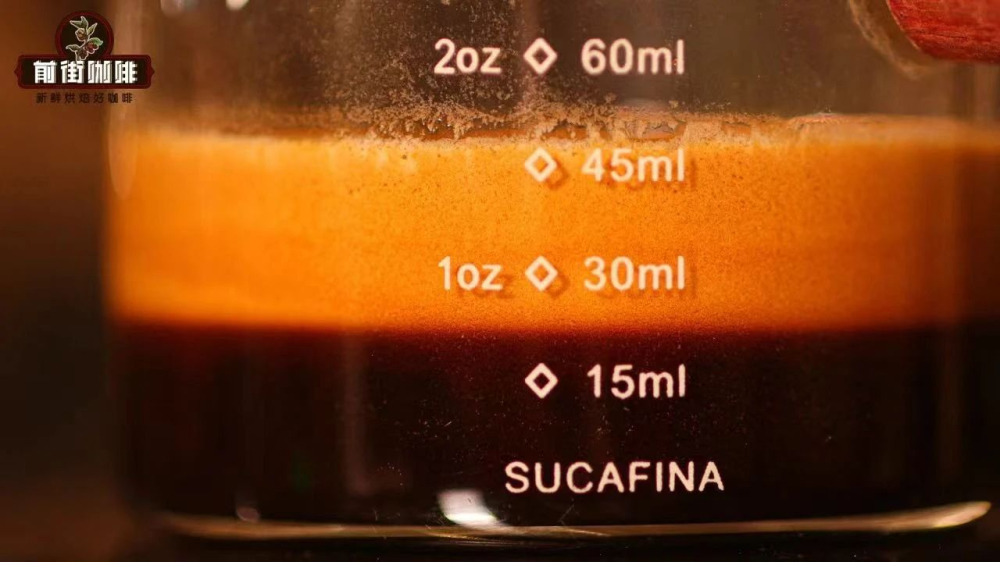
Standard Extraction Parameters for EspressoThere is a widely accepted baseline: using around 7 to 9 grams of coffee grounds, extracting under approximately 9–10 bars of pressure, with water temperature controlled at 88–92°C, for about 22–28 seconds, resulting in roughly 45 milliliters of golden espresso. However, with the rise of the third wave of specialty coffee and the growing popularity of lighter roasts, coupled with advancements in espresso machine technology, modern espresso extraction parameters have been adjusted. Common settings now include 18 grams of coffee, 92–94°C, 25–27 seconds, yielding around 30 grams of espresso—measured by weight for greater precision.
When extracting espresso, multiple variables must be considered, including ambient temperature and humidity, the roast level and freshness of the coffee beans, grind size, extraction pressure, and time.These factors interact directly to shape the final flavor profile.Therefore, even professional shops fine-tune parameters daily based on actual conditions to ensure consistent quality in every cup.
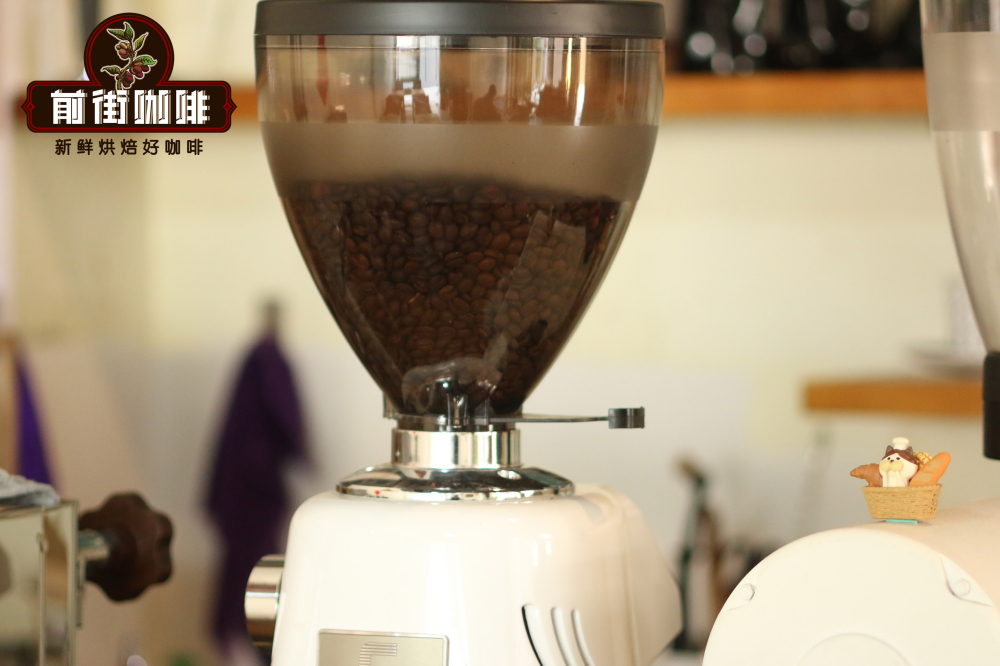
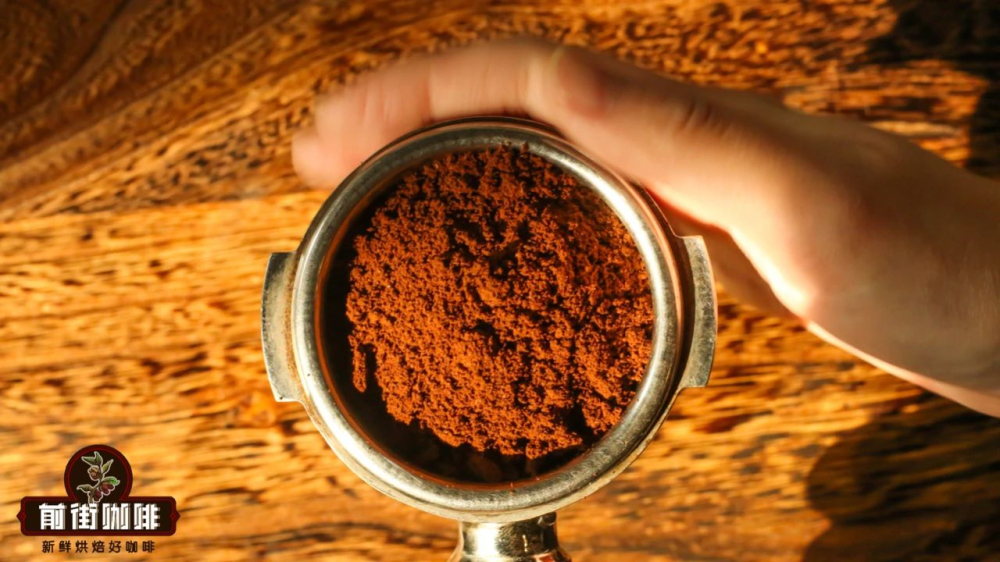
Here are severalkey parameters that influence extraction results.First is grind size: the finer the grind, the greater the surface area of coffee in contact with water, releasing more flavor compounds—but if too fine, it can lead to over-extraction and bitterness. Conversely, if too coarse, under-extraction may occur, resulting in weak flavor. Next is extraction pressure: early espresso machines operated near atmospheric pressure, and too low pressure leads to sparse crema (coffee foam) and a lack of flavor layers, while too high pressure can extract excessive impurities, causing a rough texture and bitterness.
The choice of coffee dose is usually limited by the capacity of the portafilter basket. Too little results in incomplete extraction, while too much may prevent the portafilter from seating properly. As for yield, a common target is close to a 1:2 coffee-to-water ratio—that is, 1 gram of coffee yields about 2 grams of espresso. Additionally,espresso flavors tend to be more intense in the early phase of extraction and become brighter and cleaner in the later phase. Understanding this helps assess whether the extraction is balanced.
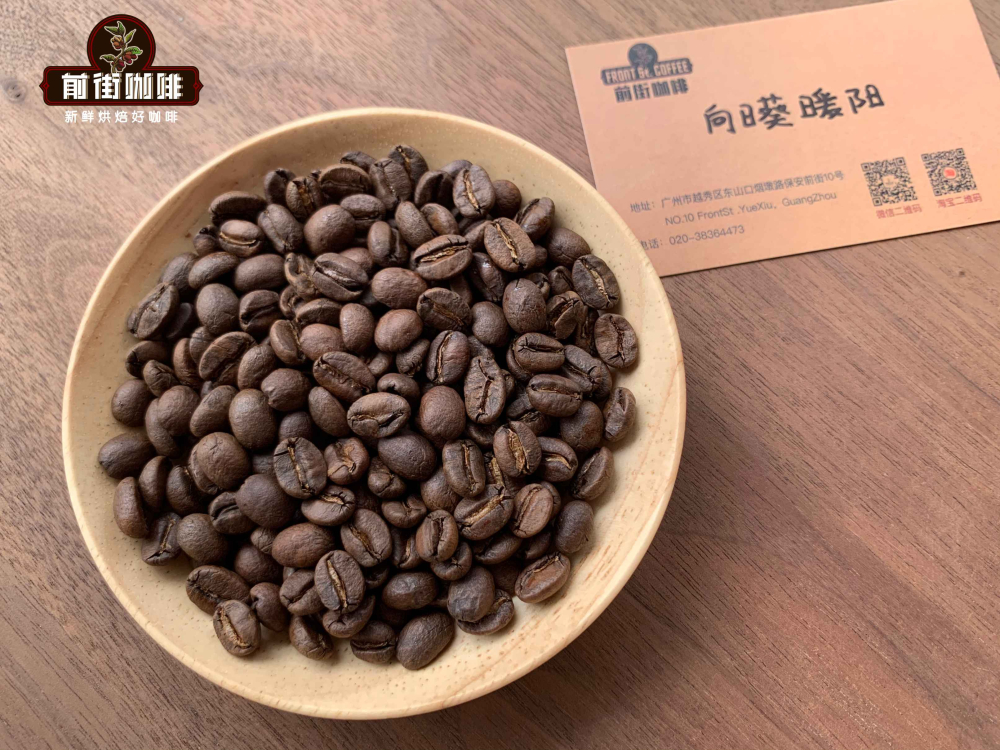
 " alt="Espresso illustration">In practice, many baristas further adjust parameters based on their specific equipment and coffee bean characteristics. For example, when using a Galileo Q18 grinder set to 2.1 grind setting, paired with a Faema E98 machine maintaining 9±2 bar pressure, water temperature at 90–96°C, using 19.5 grams of coffee, aiming for a 35-gram yield. Under these parameters, the espresso often showcases flavors of whiskey, vanilla, and cream, with bright berry acidity and a lingering dark chocolate finish—rich, thick, and smooth in body.
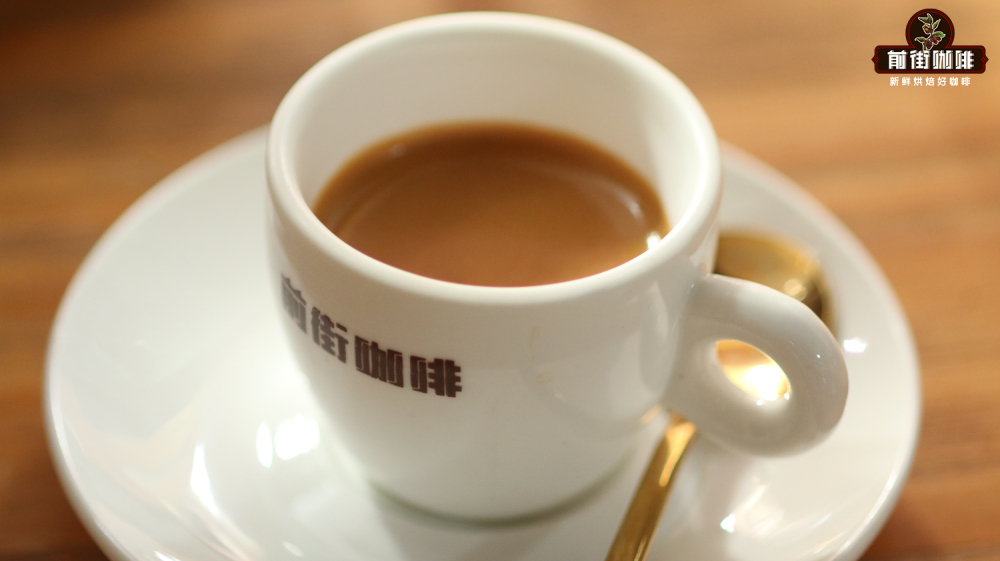
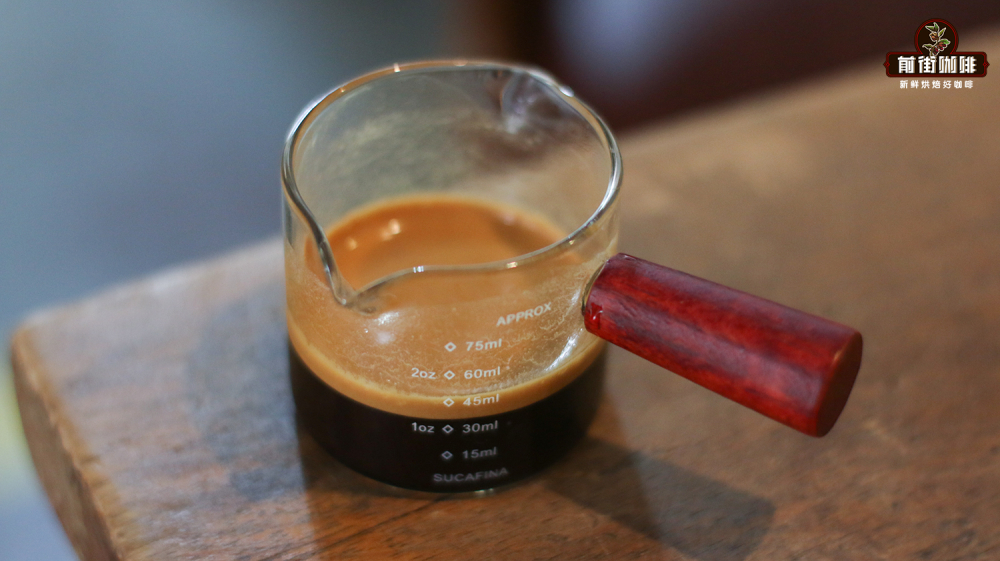
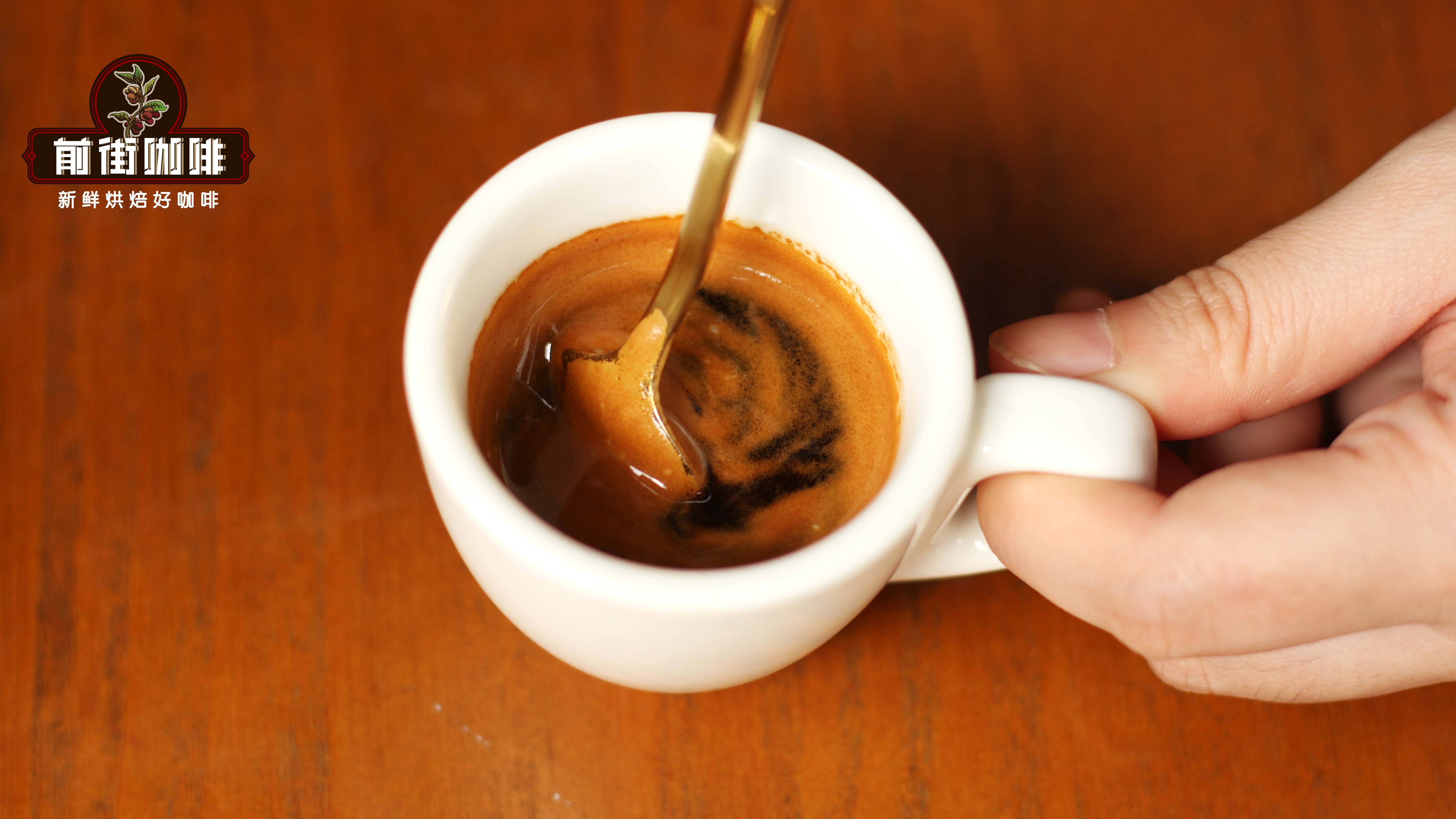
It’s worth mentioning,that when tasting espresso, taking a sip of ice water beforehand is a professional and practical approach.This helps cleanse the palate and reset the taste buds, allowing you to perceive the delicate nuances of the espresso more acutely. Then, you can use the provided small spoon to gently lift the crema on top to observe its color and texture, followed by a small sip, letting the coffee linger in your mouth to experience its complex layers. Moreover, rinsing your mouth with ice water before each tasting can also help you more clearly discern flavor differences across varying temperatures or batches. If desired, you can also gently stir the espresso to blend the layers uniformly before drinking.
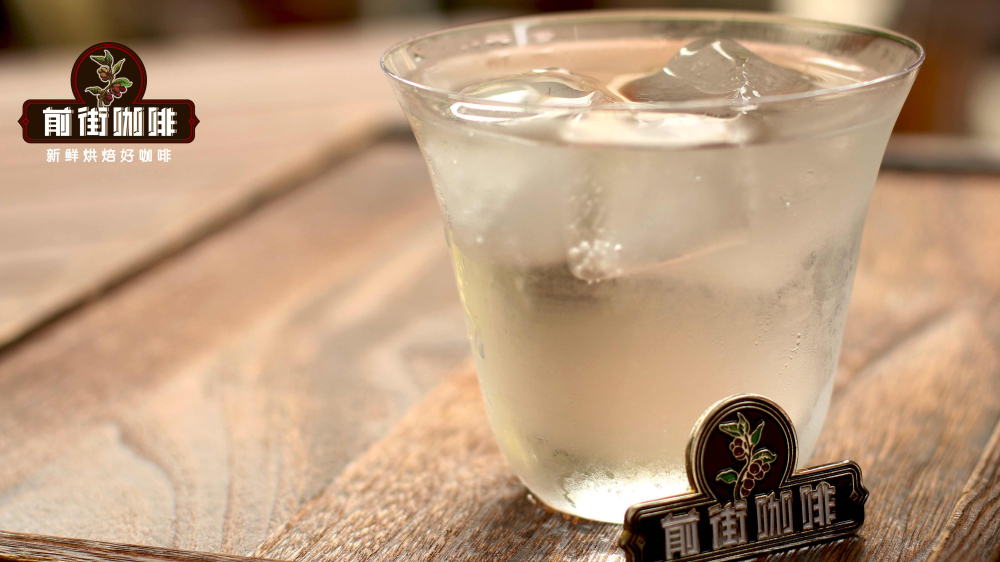 " alt="Espresso tasting illustration">Some beginners might pour ice water directly into their espresso, mistakenly thinking it's a way to dilute it. However, espresso is already intense and concentrated—adding a large amount of ice water directly can disrupt its inherent flavor structure. The correct method is to taste the water first, then the coffee, allowing your senses to gradually adapt and deeply engage with each layer of flavor.
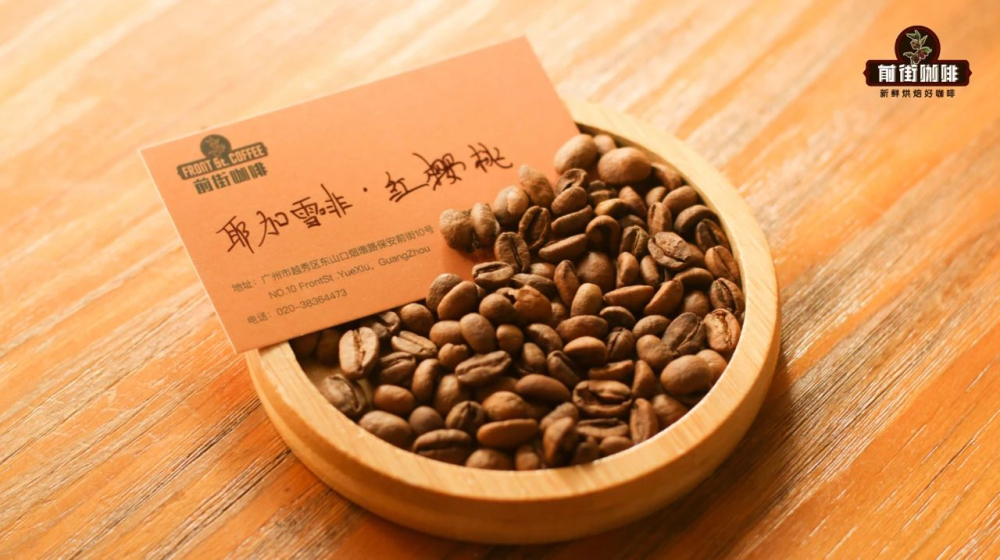
Additionally, the flavor of espresso is also influenced by the coffee bean’s processing method and origin characteristics. For instance, beans processed via sherry cask fermentation can impart unique wine-like aromas and sweetness, while naturally sun-dried beans often exhibit more pronounced fruit acidity and a fuller body. These distinctions are further amplified in espresso, making the choice of beans a crucial factor.
 " alt="Espresso bean processing illustration">Overall, espresso extraction is both a science and an art that demands precision and experience. Mastering core elements such as pressure, water temperature, grind size, and time—and understanding how they influence the final flavor—is essential for producing balanced, layered espresso. Whether you’re new to coffee or a seasoned enthusiast, knowing these golden rules will deepen your appreciation for this classic beverage.
The above content is compiled by CoffeeHunters, a coffee news website.


