








Introduction:Want to know how many milliliters a standard shot of espresso should be? What are the key differences between a single and double shot? How do you achieve the perfect balance of coffee and milk in a hot latte? This article delves into the brewing principles, core parameters of espresso, and the golden ratios of classic espresso-based drinks. It will guide you through expert knowledge from brew ratio to extraction time, helping you enhance the flavor profile of your coffee.
Espresso is the soul base of many espresso-based drinks. Whether it's a latte, cappuccino, or mocha, the flavor variations often stem from the ratio of espresso to milk. This highly concentrated beverage, extracted rapidly under high-pressure hot water, is not only rich and bold but also boasts a unique texture due to its crema, making it a classic favorite among coffee enthusiasts.
What is Espresso? It is made by forcing nearly boiling water under high pressure through finely-ground coffee. This method results in a higher concentration of suspended solids and dissolved solids in the coffee, with a layer of crema on top that adds a velvety mouthfeel. Compared to other brewing methods, espresso has a more intense flavor, with a compact balance of acidity, sweetness, and bitterness, and is often used as the foundation for other coffee drinks.
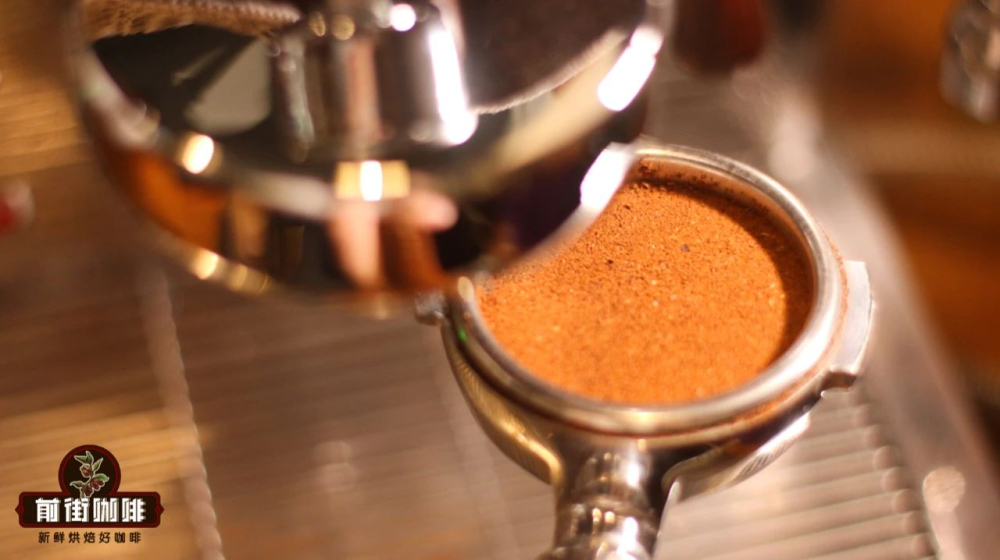
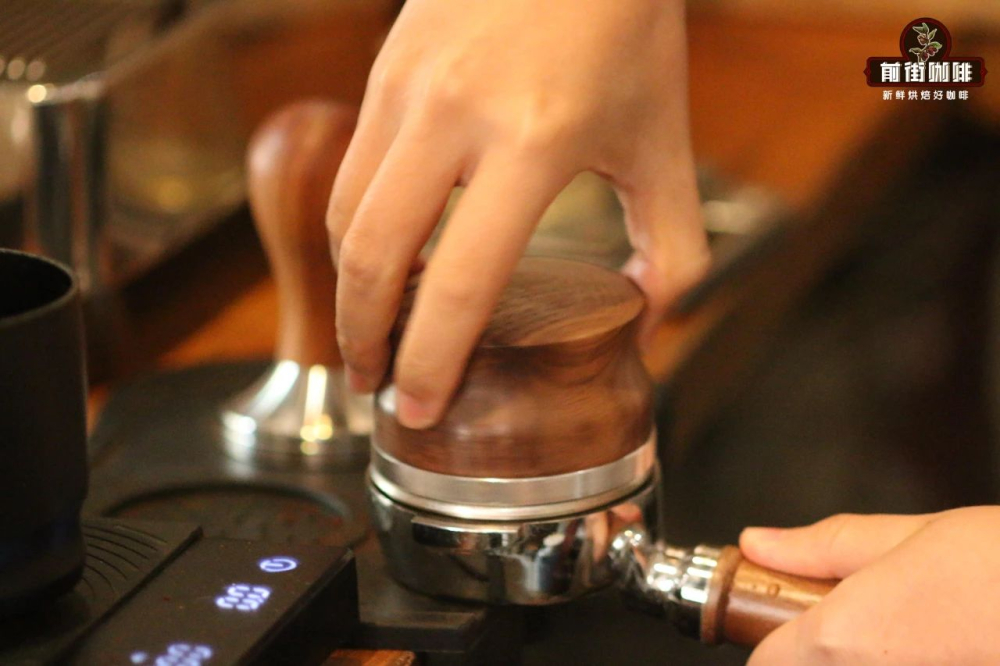
Regarding the difference between single and double shots, the key lies in the amount of coffee grounds used and the volume extracted. Generally, a single shot uses about 10 grams of coffee, while a double uses around 20 grams, but the final liquid volume for both is around 30 milliliters. A single shot is made using a single basket and handle, while a double requires a bottomless basket and a specialized handle to complete a double extraction in one go. It’s worth noting that coffee grind fineness and particle size need to be fine-tuned daily based on humidity and bean condition to ensure stable extraction flavor.
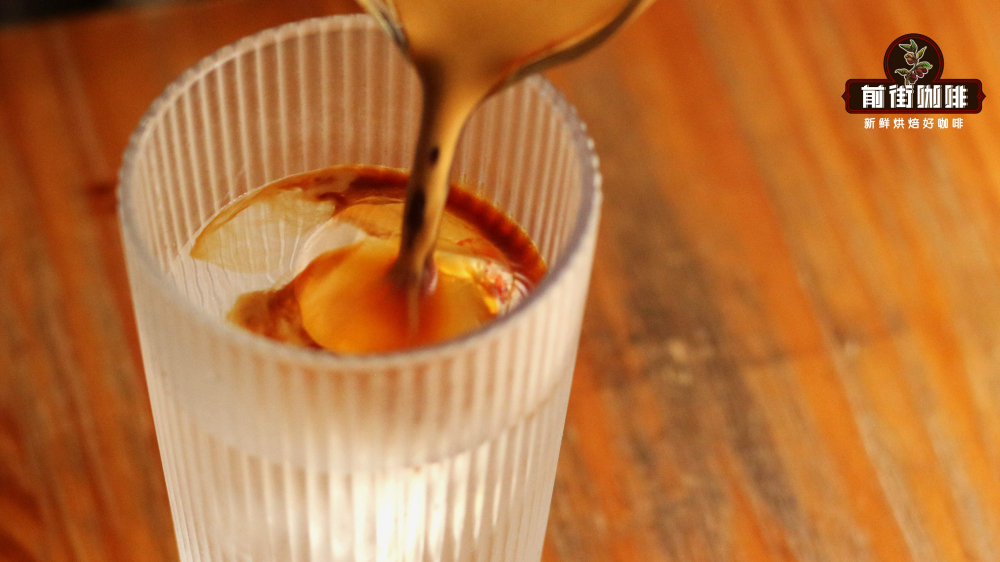
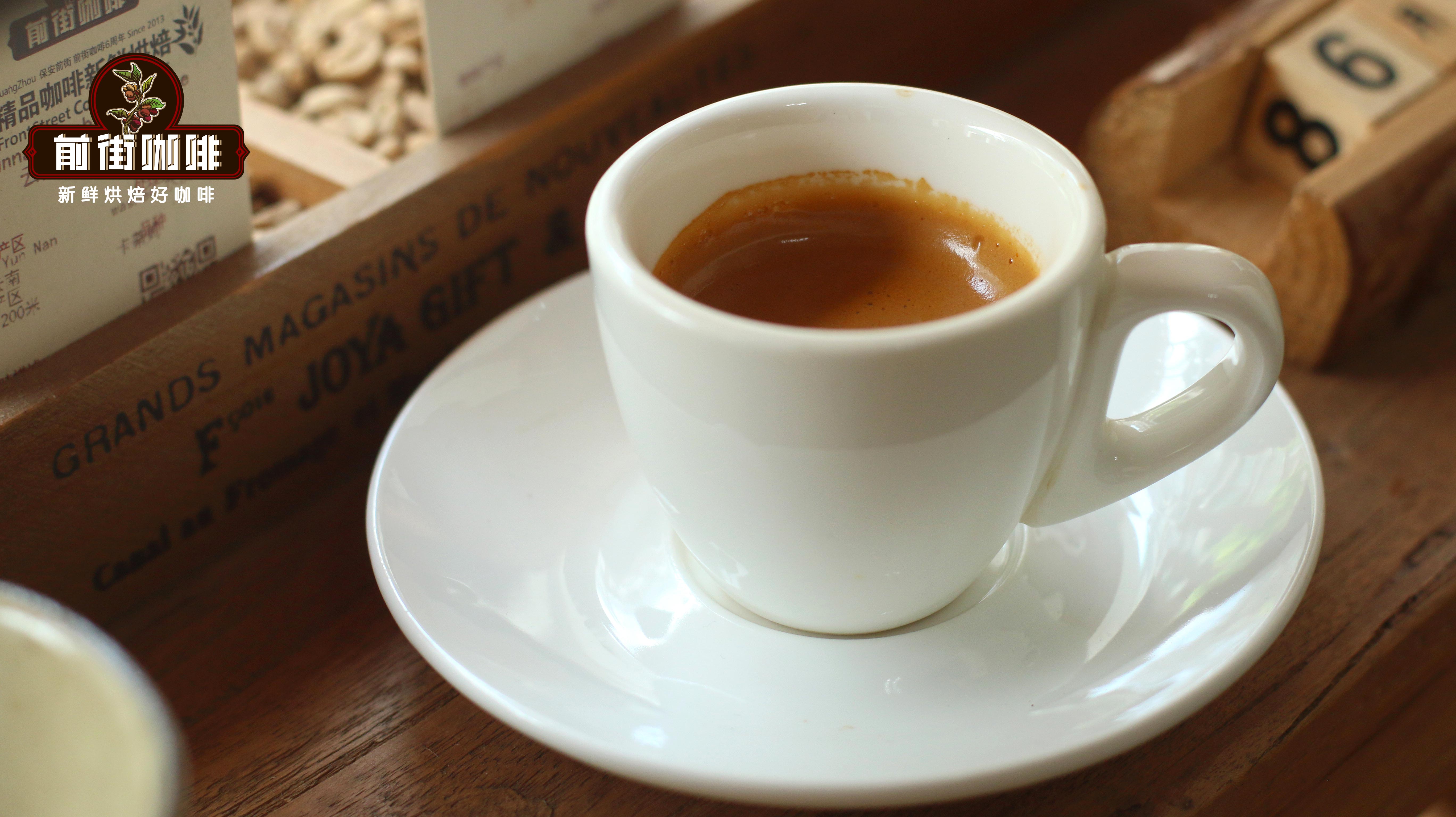 " alt="" />
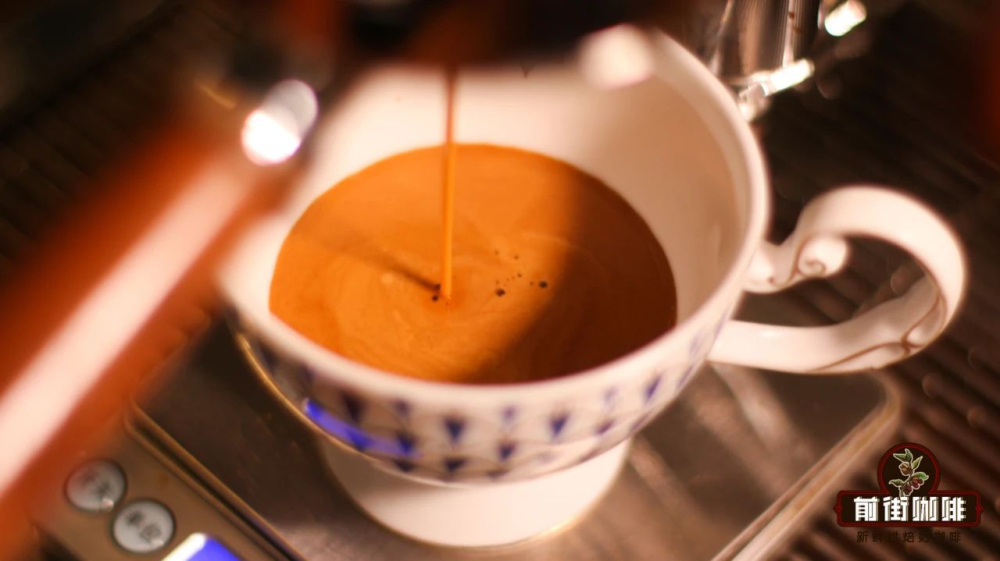
Making espresso requires high temperature (around 92°C), high pressure (about 9Bar), and very finely ground coffee. The high-pressure water flows quickly through the coffee bed, efficiently extracting soluble substances and oils to form a thick, syrup-like coffee liquid. Crema is the result of emulsified oils, something rarely seen in other brewing methods, and is an important indicator of successful extraction.
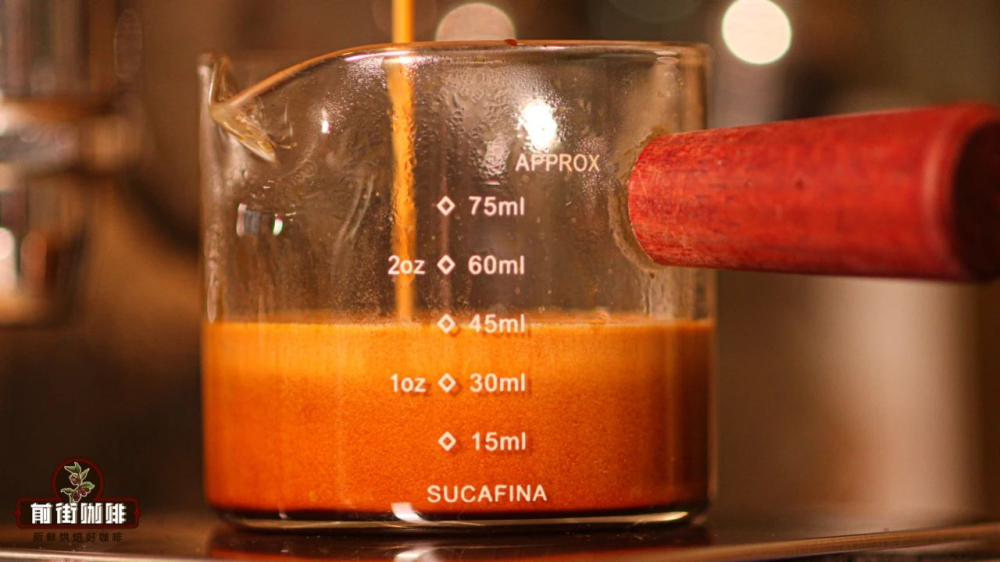
As for extraction standards, the internationally recognized reference values are: using 7 grams of freshly ground coffee, with water at 92°C and 9Bar pressure, extracting 20–30 milliliters of coffee in 20–30 seconds, with a full layer of crema covering the surface. With the rise of specialty coffee, many shops now use brew ratio and weight as standards, such as using 19 grams of coffee and extracting 38 grams of coffee at a 1:2 ratio within about 28 seconds, aiming for a more precise flavor expression.
 " alt="" />
Why are more and more coffee shops now using grams instead of milliliters as a reference for extraction? It's because the density and volume of crema vary greatly, and the thickness of the crema layer in each cup is hard to control. Switching to weight measurement reflects the actual extraction amount more accurately. For example, a standard double shot may have a liquid volume of about 30 milliliters, but using 20 grams of coffee, the final extracted coffee weighs 40 grams, showing a more scientific quality control method.
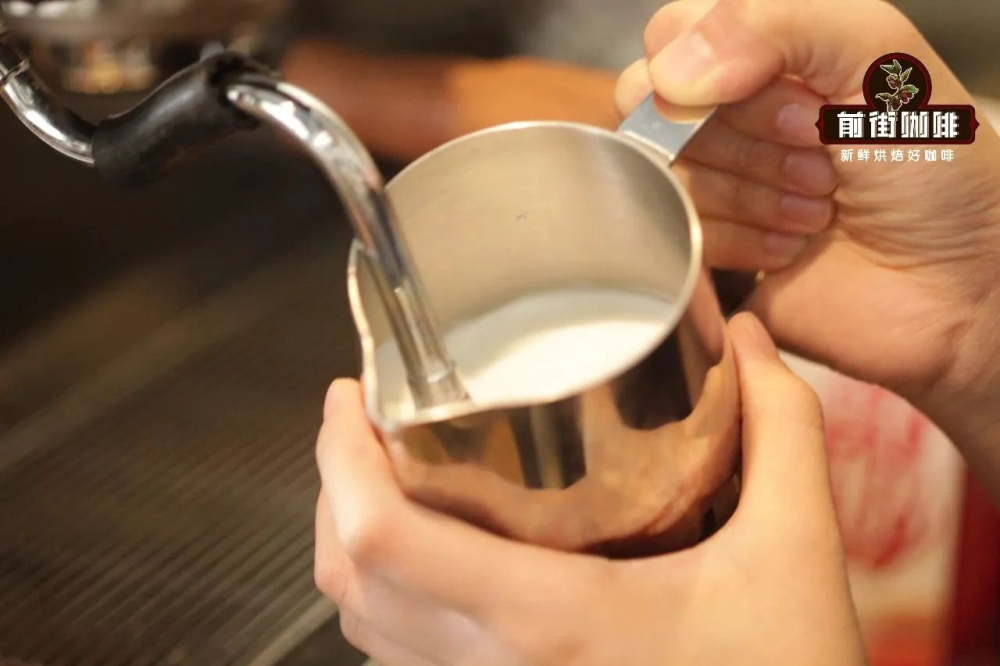
When it comes to classic espresso-based drinks, the coffee-to-milk ratio in a hot latte is crucial. It’s generally recommended to follow the golden ratio of 1:6.5 — for example, 40 milliliters of double espresso paired with 260 milliliters of hot milk. It’s advised to use whole fresh milk, with steaming temperature controlled between 50–60°C, which can bring out the sweetness of lactose without damaging the protein structure due to overheating. The milk foam thickness should be about 1 centimeter — too thin suits a flat white, too thick leans toward cappuccino style.
 " alt="" />
The flavor balance of a hot latte lies in the perfect fusion of milk and espresso. By pouring in a circular motion, the milk and coffee mix evenly, highlighting the deep flavors of the espresso while complementing it with the sweet creaminess of the milk, bringing out caramel and nutty undertones. An ideal hot latte should present layers of whiskey-like aroma, lactose sweetness, and hazelnut aftertaste — each sip is a symphony of espresso and milk.
In summary, from the basic extraction parameters of espresso, to the subtle differences between single and double shots, to the golden ratio of a hot latte, every step affects the final flavor. Mastering these key points not only improves your home brewing quality but also allows you to better appreciate the unique charm of each cup of coffee.
 " alt="" />

The above content is compiled by CoffeeHunters, a coffee news website.


