







Introduction:Have you ever been baffled by seemingly random coffee bean names like Geisha, Mandheling, or Hua Kui? Every coffee bean name actually holds hidden clues — it could refer to its origin, variety, flavor profile, or even an honorific mark. This article dives deep into the logic and evolution of coffee bean naming conventions, from the early days of pure origin-based naming to today’s approach that combines micro-region, cooperative, variety, and special meanings. It will help you decode the messages behind the names and choose the beans that best suit your taste.
Stepping into the world of specialty coffee, the wide array of bean names can often be overwhelming. Names like Geisha, Guo Ding Ding, Hua Kui, and Xiao Fan Qie may seem haphazard at first glance, but each has its own significance. Some are derived from their origin, others reflect the variety, and some even carry special honors or unique flavor characteristics. Understanding these naming logics can help you quickly grasp the traits of each bean and make more confident selections.
In the early days, most coffee on the market was named after its origin, such as Blue Mountain, Mocha, or Java. This naming method originated from the then-prevailing model of selling blended beans, which emphasized the producing region rather than specific flavor details. At that time, consumers weren’t particularly concerned with which estate or cooperative the coffee came from — knowing the general region was enough.
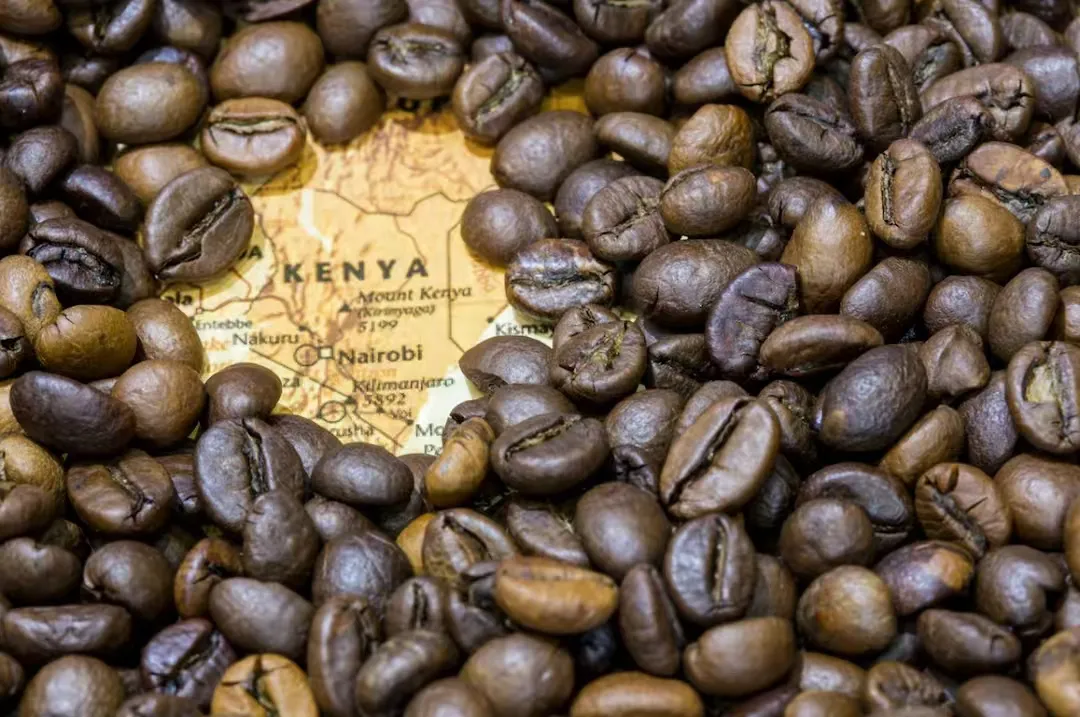
With the rise of the specialty coffee trend, consumers began to pursue more distinctive regional flavors, such as bright citrus acidity, rich berry notes, or even wine-like aftertastes. To highlight these nuanced differences, producers started emphasizing regional specifics, and the naming conventions evolved accordingly — from simple place names to combinations like “region + micro-region/cooperative/variety/commercial name.” This shift gave each bean a clearer identity and flavor profile.
For example, Ethiopia’s “Yirgacheffe” is a globally renowned specialty coffee region, and many well-known beans come from here. In a coffee shop’s menu, “Yirgacheffe・Guo Ding Ding” and “Yirgacheffe・Konga” are named after local cooperatives, clearly indicating the bean’s village of origin and processing unit. The former comes from the Guo Ding Ding cooperative, while the latter is produced by the Konga cooperative — you can tell the different micro-region characteristics just from the names.

Besides cooperatives, many specialty coffees also come from privately owned estates, such as Emerald Estate or Elida Estate. These estates are usually managed by a single owner, who oversees everything from planting and harvesting to post-harvest processing, ensuring more consistent quality and style. Such estate beans are typically named directly after the estate, helping consumers identify the source and assurance of quality.
To highlight specific varieties or rarity, some coffee beans include varietal information in their names. For instance, “Panama・Elida Estate・Catuai” indicates that this bean comes from Panama’s Elida Estate and is of the Catuai variety; while “Brazil・Queen Estate・Yellow Bourbon” clearly states that it is from the Brazilian region, produced by Queen Estate, and is of the Yellow Bourbon variety. Varieties often influence flavor profiles — for example, Catuai often offers balanced sweetness and medium fruit acidity, while Yellow Bourbon is known for its low acidity and rich body.
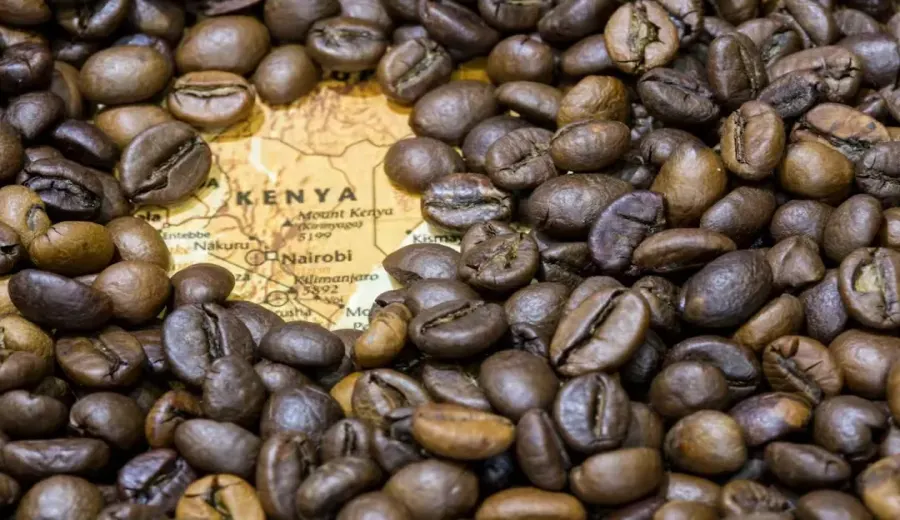
Additionally, some coffees are given vivid commercial names due to their distinctive aroma profiles. For example, “Costa Rica・Strawberry Candy” gets its name from its pronounced strawberry taffy flavor; “Kenya・Xiao Fan Qie” (Little Tomato) is named for its prominent tomato-like notes, making it easier for consumers to associate the flavor with the name, replacing the original processing factory name.
Beyond geographical and varietal information, some coffee bean names also carry honorary symbolism or competition backgrounds. For instance, “Hua Kui” (Flower Queen) earned its name because that particular batch of beans won a competition, and upon import, it was named with the meaning of “the foremost among all flowers,” symbolizing its top-tier quality and potential. Furthermore, if a bean has received recognition from international competitions such as COE (Cup of Excellence), BOP (Best of Panama), or TOH (World Barista Championship), or bears grade markings like AA, G1, or NO.1, these are often directly reflected in the name, giving consumers an immediate sense of its premium pedigree.
Of course, there are also exceptions, the most representative of which is “Mandheling.” This widely known name for Indonesian Sumatran coffee actually originated from a mispronunciation of the local “Mandailing” tribe name, but it serendipitously became synonymous with all Sumatran coffee. Although almost all coffee produced in Sumatra can be called Mandheling, to distinguish finer differences, common market distinctions like “Golden Mandheling” and “Lintong Mandheling” are further segmented based on origin, processing characteristics, or brand.

In summary, the modern naming of coffee beans has evolved from the past practice of using a single origin label to a comprehensive naming logic that incorporates micro-region, cooperative, variety, aroma characteristics, and honors. By understanding the elements behind these names, you can more accurately select coffee beans that match your taste preferences and more easily associate the corresponding flavor profiles during tasting, thereby enhancing your overall coffee experience.
The above content is compiled by CoffeeHunters, a coffee news website.


