







Introduction:Although both Dirty coffee and iced latte use cold milk and espresso, they differ significantly in their brewing techniques, flavor experiences, and drinking methods. This article delves into the five core differences between Dirty and iced latte—including cup size, ice usage, cup temperature control, layering technique, and optimal drinking method—to help you choose the coffee that suits your personal preferences and master the correct tasting techniques to enhance your coffee experience.
Many customers in coffee shops, upon seeing the visually similar Dirty coffee and iced latte, often wonder: “Aren’t these two just iced milk with espresso? What’s the difference?” In fact, although both use the same basic ingredients—iced milk and espresso—and both have a visibly layered effect, their brewing processes, flavor presentations, and drinking methods follow distinctly different design logics.
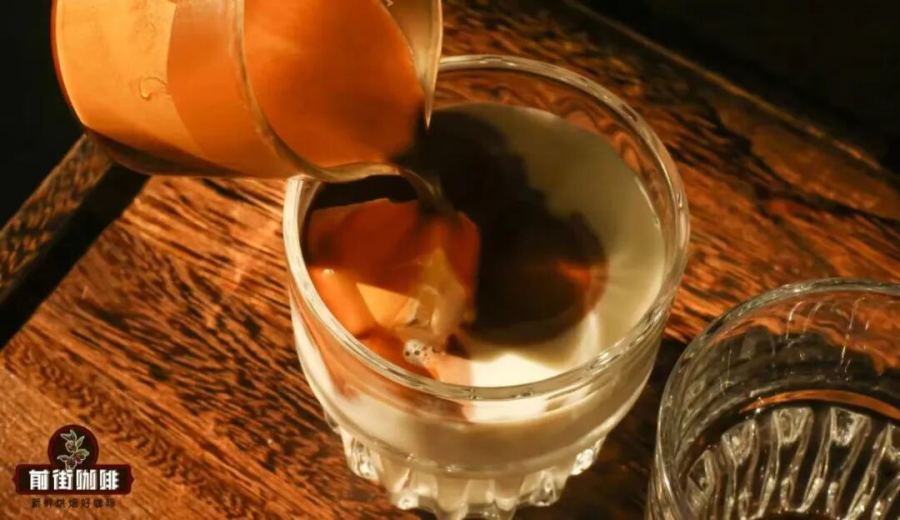
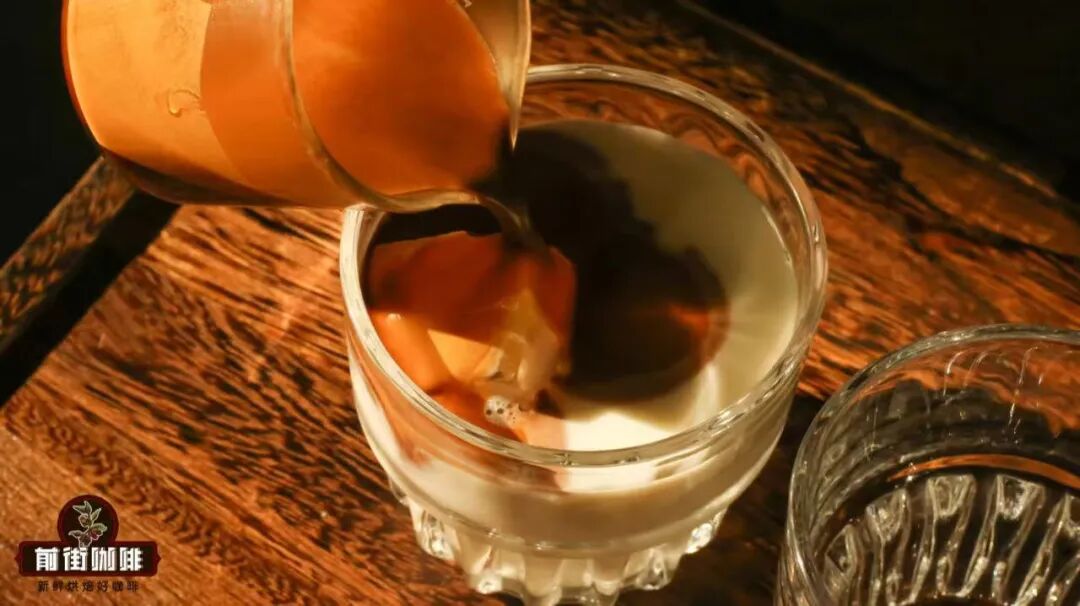
The reason Dirty coffee is called “dirty” is because during preparation, the espresso is slowly poured over the iced milk, allowing the dark coffee liquid to gradually seep into the white milk, making it look as if the milk has been “stained,” hence the name. On the other hand, the iced latte is made by first mixing milk and espresso, then adding ice to cool it down, and finally stirring it evenly with a straw before drinking. These two seemingly similar coffees actually hide a lot of nuance in the details.

First, in terms of cup size design, Dirty coffee typically uses a smaller cup, with a capacity of about 180 to 220 milliliters. This design helps maintain the coffee’s high concentration and cool taste. In contrast, the iced latte generally comes in a larger cup, about 280 to 320 milliliters, to accommodate more milk and ice, providing a creamier texture and a longer-lasting chill.
The use of ice is another obvious difference between the two. Iced lattes usually include ice cubes as a cooling medium to maintain a low temperature, which also helps extend the optimal drinking period. However, Dirty coffee deliberately avoids adding ice cubes, because melted ice not only dilutes the coffee concentration but may also affect the temperature contrast between the milk and espresso, thereby disrupting its unique flavor layers. As a result, Dirty is often jokingly referred to as the “no-ice version of a latte.”

If you don’t want ice cubes in your iced latte, you can ask the barista for “no ice” or “ice-free,” and you’ll be able to enjoy a pure version without any ice. However, Dirty coffee almost never offers an option to add ice, as ice directly impacts its core drinking experience.
Controlling the cup temperature is also a key feature of Dirty coffee. To enhance the temperature difference between the milk and the espresso, a pre-chilled cold cup is usually used when making Dirty. The low-temperature cup walls not only slow down the warming of the milk but also help maintain the layering effect between the espresso and milk. When the milk is at a lower temperature, its density is higher, enabling it to float more stably beneath the espresso, creating a striking visual and taste contrast.
In contrast, the iced latte has more flexible requirements for cup temperature. Both chilled and room-temperature cups can produce acceptable results, but using a cold cup can still enhance the overall drinking experience.

In terms of layering effects, although both Dirty and iced latte present a visual effect of dark on top and light at the bottom, their underlying preparation philosophies are vastly different. The layering in iced lattes is mainly for aesthetic purposes—by pouring the espresso over the ice cubes, the impact of the coffee liquid on the milk is reduced, allowing the two to naturally separate and form a stark black-and-white appearance. However, since the iced latte is stirred before drinking to fully blend the coffee and milk, the layering serves more as a visual appeal.
The layering in Dirty coffee, on the other hand, is its very soul. To enhance the contrast of flavors during drinking, the preparation of Dirty pays special attention to every detail, including the chilling temperature of the cup, the initial temperature of the milk, as well as the height and speed at which the espresso is poured. These factors work together to ensure a clear and lasting separation between the espresso and milk, allowing the drinker to simultaneously experience the boldness of the espresso and the sweetness of the milk in the first sip.
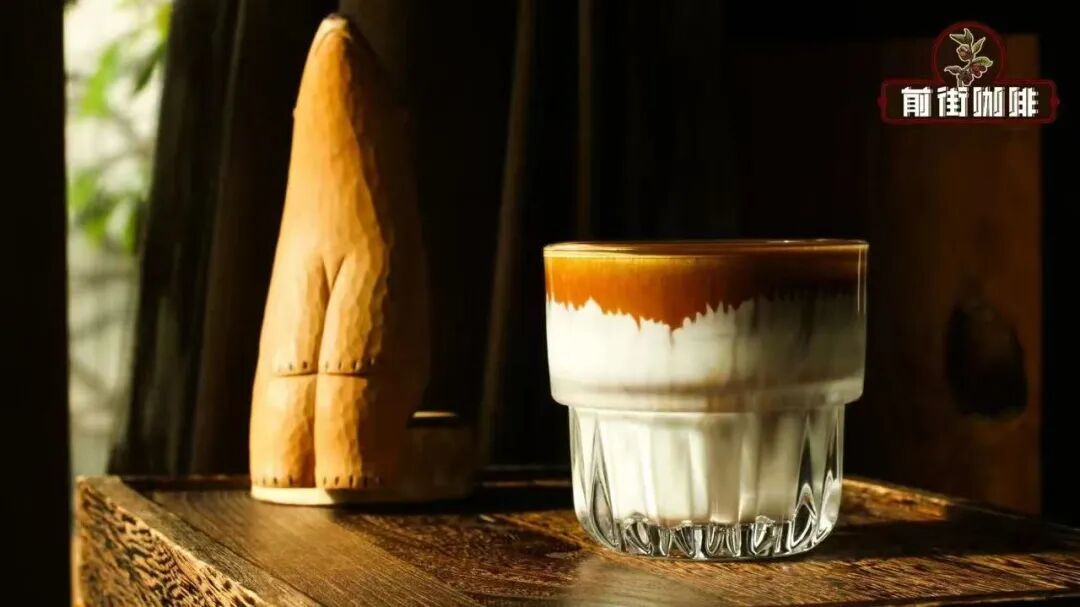
If a Dirty coffee fails to achieve a distinct layering, its flavor will be hardly distinguishable from a regular iced latte, losing its unique charm. Therefore, layering is not just a visual feature of Dirty—it’s a key element that influences its flavor profile.
In terms of drinking method, Dirty coffee emphasizes the experience of “drinking in big gulps.” Since the espresso and milk are not stirred and maintain a noticeable difference in temperature and taste, taking a sip that includes both allows you to feel the contrast of the slightly warm, bitter espresso and the cool, sweet milk colliding in your mouth, creating a rich layered sensation. Sipping small amounts might only allow you to taste the surface espresso, which could be overwhelming for those not accustomed to high bitterness.

In contrast, the iced latte is designed to offer a balanced and smooth coffee experience. With a large amount of milk added, the iced latte effectively reduces the bitterness of the coffee, and stirring with a straw before drinking blends the coffee and milk thoroughly, resulting in a creamy and harmonious taste. This drinking style is more suitable for consumers who prefer milder coffee flavors, without having to worry about the challenge of maintaining flavor contrasts.
In summary, although Dirty coffee and iced latte are highly similar in appearance, they differ significantly in cup size design, ice usage, cup temperature, layering technique, and drinking method. Understanding these details not only helps you make a more suitable choice based on your personal taste but also allows you to fully appreciate the unique charm of each coffee when drinking.



The above content is compiled by CoffeeHunters, a coffee news website.


