







Introduction:Want to brew a balanced and delicious pour over coffee? The coffee-to-water ratio is key. This article delves into why a 1:15 ratio suits most coffee beans, explains the difference between total water volume and actual brewed coffee yield, and breaks down a three-stage pouring method step by step. Whether you’re a beginner or an advanced enthusiast seeking layered flavors, you’ll gain insight into how extraction parameters influence flavor performance — helping you brew a well-balanced, smooth single serving of pour over coffee.
In the world of pour over coffee, the coffee-to-water ratio is always a hot topic. Many wonder: why do experienced baristas often recommend a 1:15 ratio? Is this figure just a coincidence, or is it a scientifically validated best choice? In fact, this ratio has been confirmed through repeated experiments and sensory evaluations as a reliable option that works well with most coffee beans.
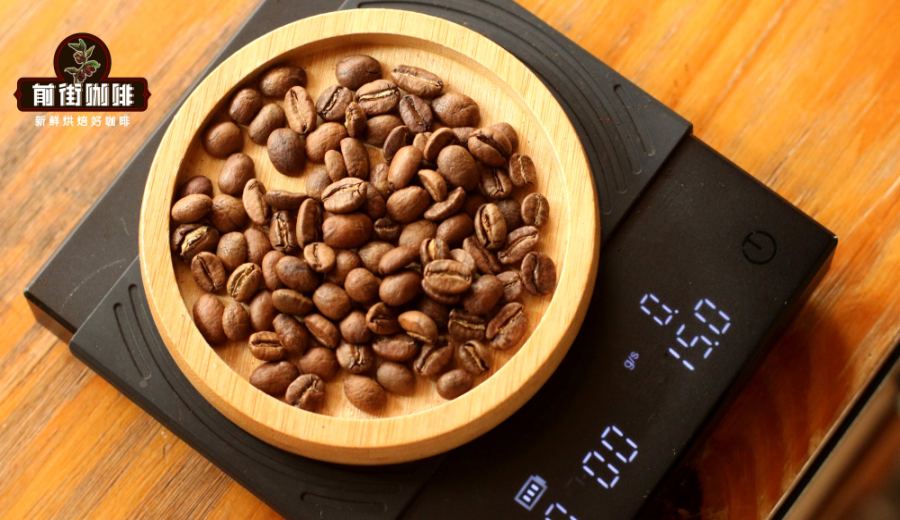
First, we need to clarify: the 1:15 ratio refers to 15 grams of coffee grounds to 225 milliliters of water, not the other way around (which would be water-to-coffee). If described as water-to-coffee, it would be 15:1 — meaning 15 grams of coffee per milliliter of water — which clearly doesn’t align with real brewing conditions. Understanding this ratio correctly is the first step to precise control over extraction.
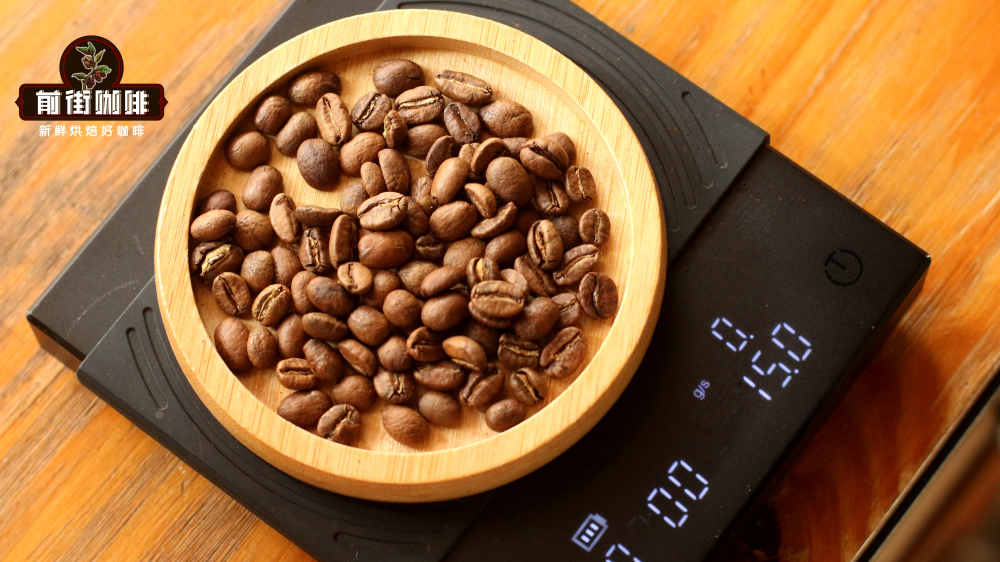
It’s worth noting that the total water poured (225 ml) does not equal the final yield of brewed coffee. During the bloom phase, coffee grounds absorb a significant amount of water — roughly double their weight. As a result, the actual coffee liquid produced is about 195 ml, equivalent to a 1:13 ratio. This difference stems from the physical characteristic of coffee absorbing water, and it’s a detail many beginners overlook.
So why is the 1:15 ratio — which doesn’t fall squarely within the “Golden Cup” extraction range — still recommended? According to expert research, the ideal Golden Cup range is an extraction yield of 18%–22% and a TDS concentration of 1.15%–1.45%. While a 1:17 ratio more easily falls within this zone, in practice, 1:15 demonstrates broader adaptability, especially for coffee beans from different origins and roast levels, offering stable performance across the board.
Practical testing shows that using 15 grams of coffee, the 1:15 ratio yields a TDS concentration of about 1.35%–1.42% and an extraction rate of 17.79%–18.73%. Though it teeters on the edge of the Golden Cup standard, sensory evaluations reveal excellent flavor balance. Compared to higher ratios prone to over-extraction, 1:15 better highlights the coffee’s sweetness and body, suiting the taste preferences of most coffee lovers.
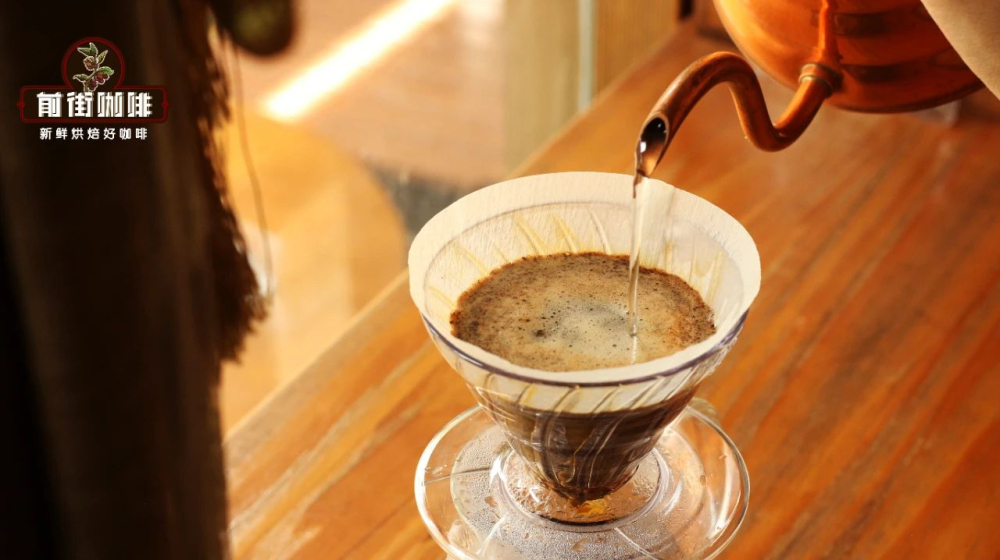
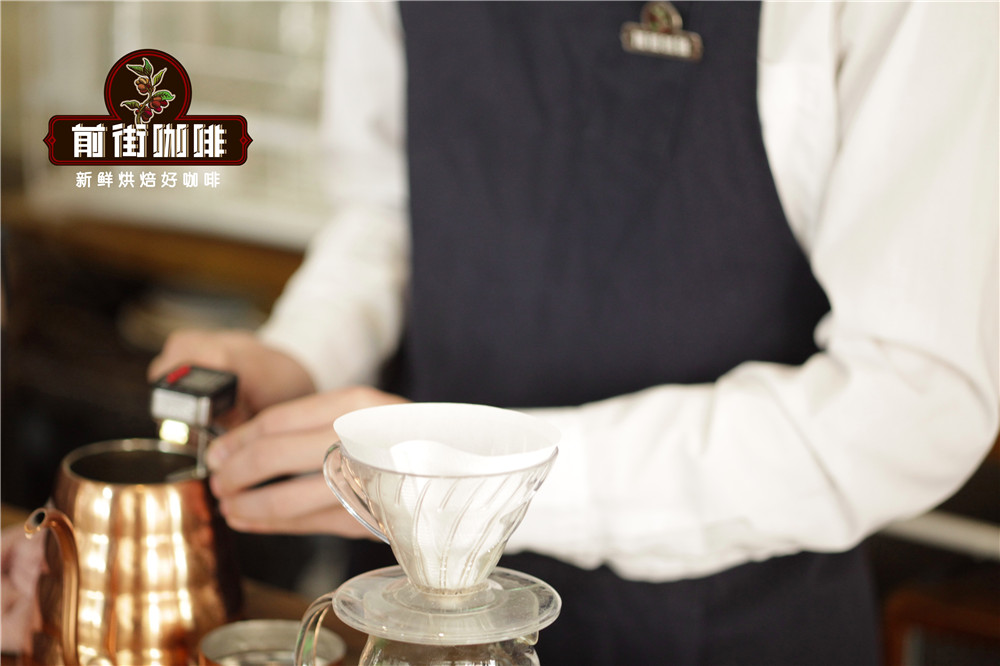
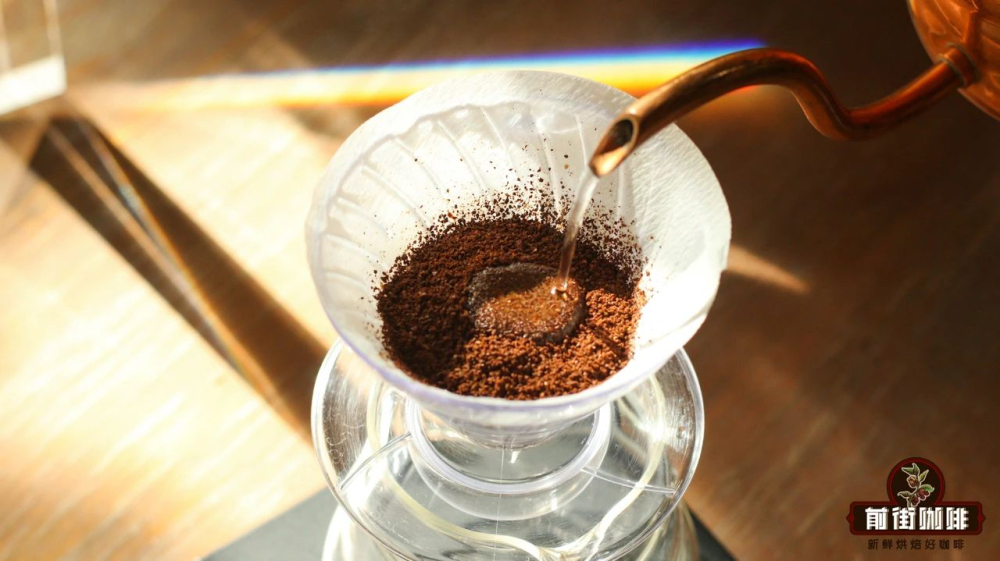
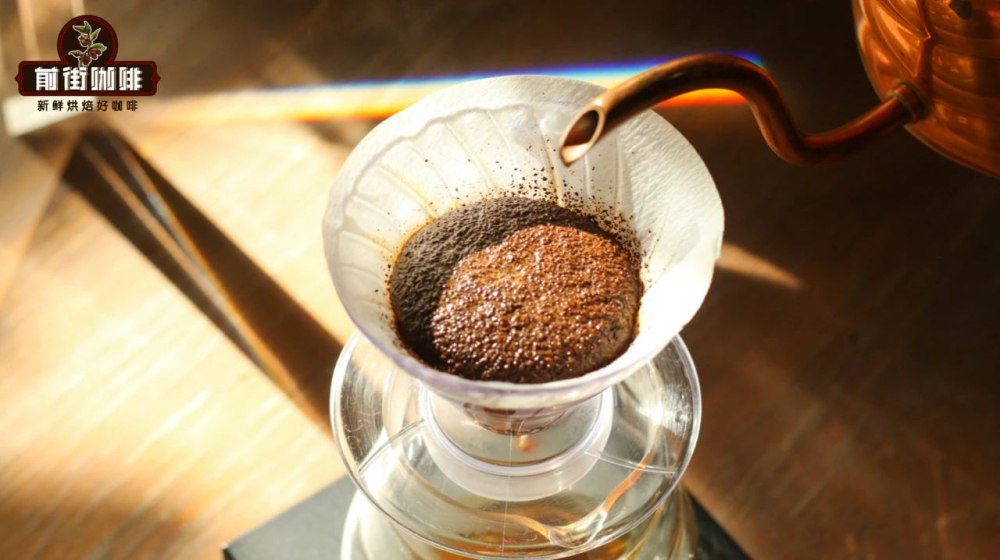
The three-stage pouring technique is an effective method for achieving stable extraction. Begin with a 30-gram bloom using about 30 seconds of contact time, allowing the coffee grounds to fully expand into what’s called a “coffee burger” shape. This step activates the flavor compounds in the coffee, laying the foundation for subsequent extraction.
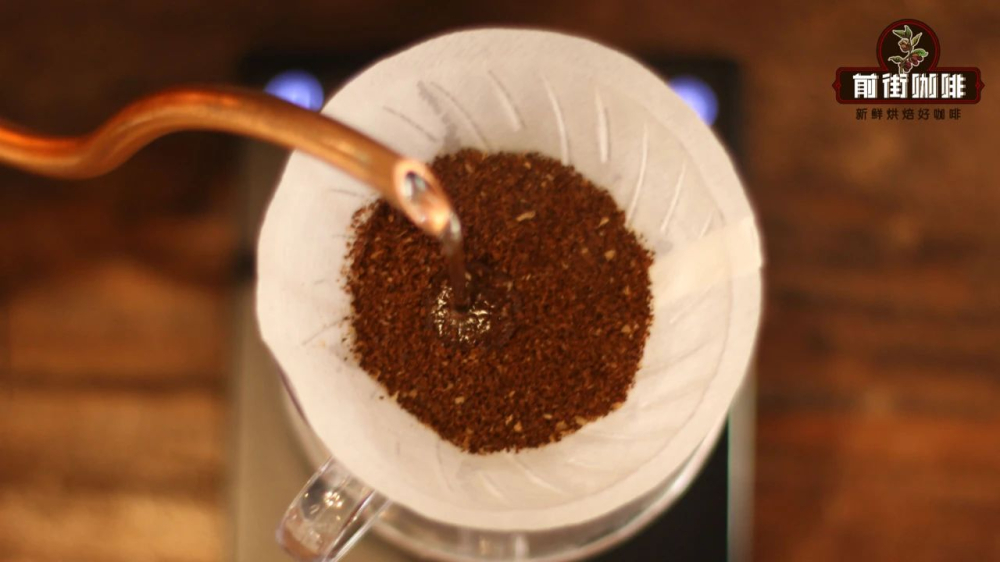
Next, pour the second stage: 100 grams of water, using a circular motion from the center outward while maintaining a steady flow to release bubbles. The liquid level should rise to the base of the filter cup’s shorter ribs. This stage primarily extracts acidity and sweetness, and after about 30 seconds, proceed to the final stage.
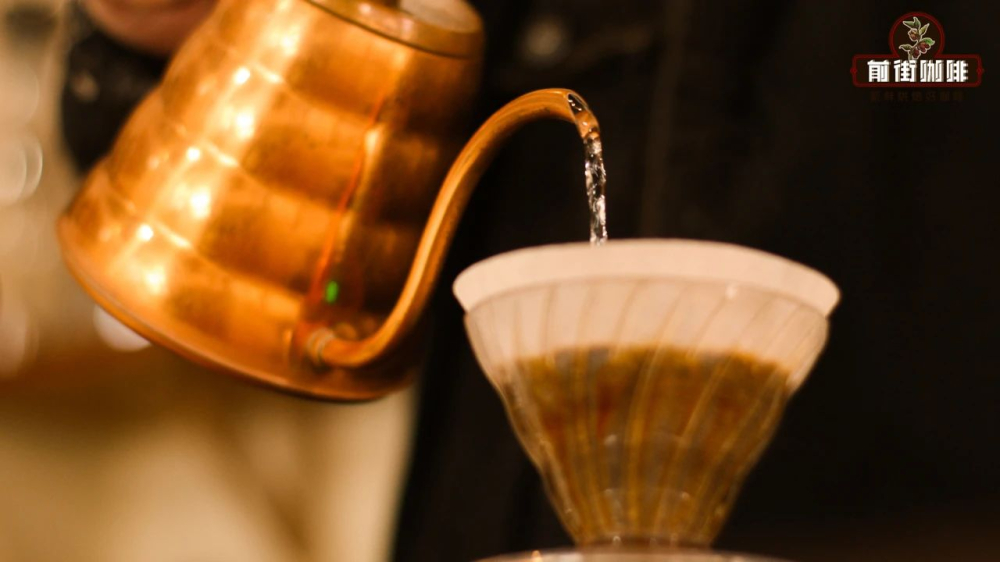
For the final stage, pour 95 grams of water using the same aromatic pouring technique, with a gentle stream diffusing from the center outward. This stage focuses on extracting body-enhancing compounds, enriching the coffee’s layered complexity. Once all the brewed coffee has dripped through, gently swirl the server to allow coffee liquids of varying densities to mix thoroughly, resulting in a more balanced flavor experience.


With these fundamental parameters and techniques mastered, remember that the coffee-to-water ratio isn’t an absolute. Factors such as bean freshness, grind size, water quality and temperature, and personal taste preferences will all affect the final cup. Start with 1:15, then fine-tune based on actual results to find your perfect balance. Through continual practice and observation, you’ll gain greater precision in controlling each pour over session and enjoy the endless pleasures of DIY coffee.
The above content is compiled by CoffeeHunters, a coffee news website.


