







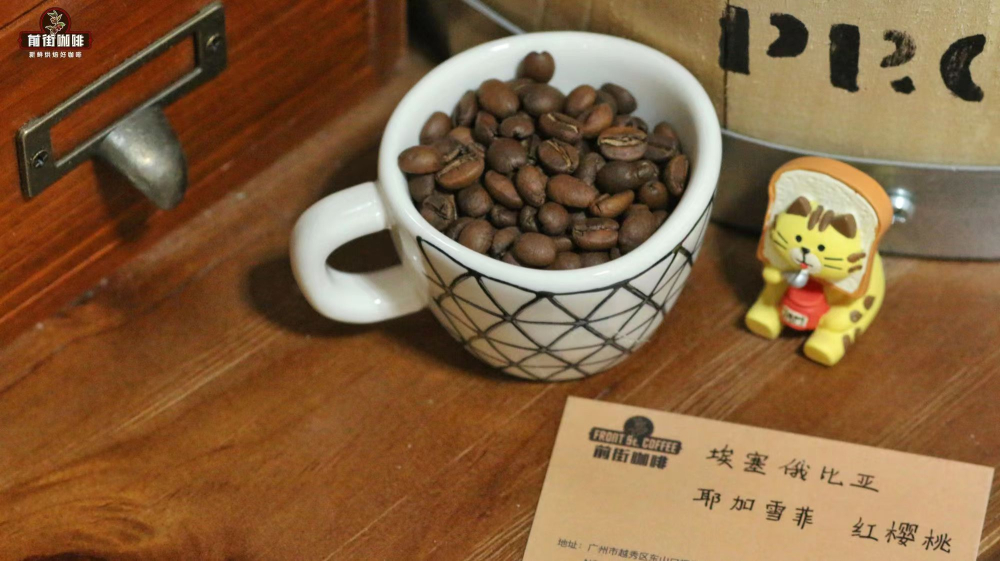
Introduction:Want to easily make cold brew coffee with smooth texture and distinct flavors at home? This article explains the fundamental principles of cold brew, the golden extraction ratio, and the ideal grind size. It guides you through the key parameters of 12 to 24 hours of steeping extraction, and recommends several coffee bean options suitable for low-temperature brewing. Whether you’re a beginner or looking to enhance flavor complexity, you’ll get a full grasp of the nuances of cold brew.
Cold brew coffee, known in English as Cold Brew Coffee, is also referred to as ice-brewed coffee or cold steeped coffee. The preparation method is quite simple—just mix ground coffee with room temperature (or cold) water, let it steep for more than 12 hours, then filter out the coffee grounds to obtain a cup of rich yet low-bitterness cold brew coffee.

Compared to traditional pour over coffee, which requires precise control over water temperature and pouring technique, making cold brew is much easier. It doesn’t require heat or complicated skills, making it especially suitable for busy individuals or beginners. All you need is a sealed container, coffee grounds, and cold water. Leave it overnight and enjoy cool, smooth coffee the next day—perfect for summer or anyone who prefers iced coffee.
Because it uses low-temperature, long-duration extraction, cold brew releases significantly fewer bitter compounds, while extracting delicate floral and fruity aroma compounds more fully. This results in a smoother, sweeter taste that’s easier to discern, with an overall flavor that feels richer and more balanced.

However, cold brew does have its limitations—it takes a relatively long time to prepare, usually requiring at least 12 hours of steeping. It’s recommended to prepare it before going to bed and enjoy it the next morning. Also, since the entire process is not heated, the extraction is slow, so factors such as the coffee-to-water ratio, grind size, and steeping time will greatly affect the final flavor.
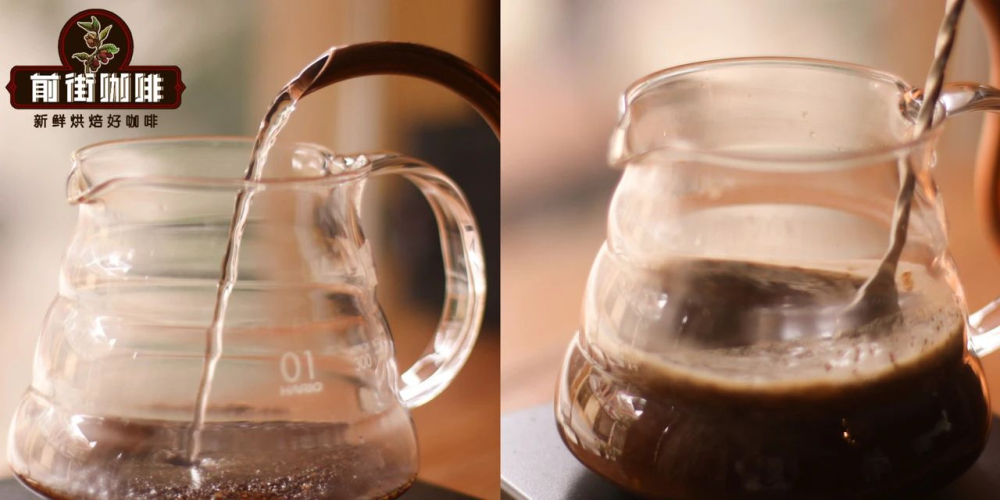
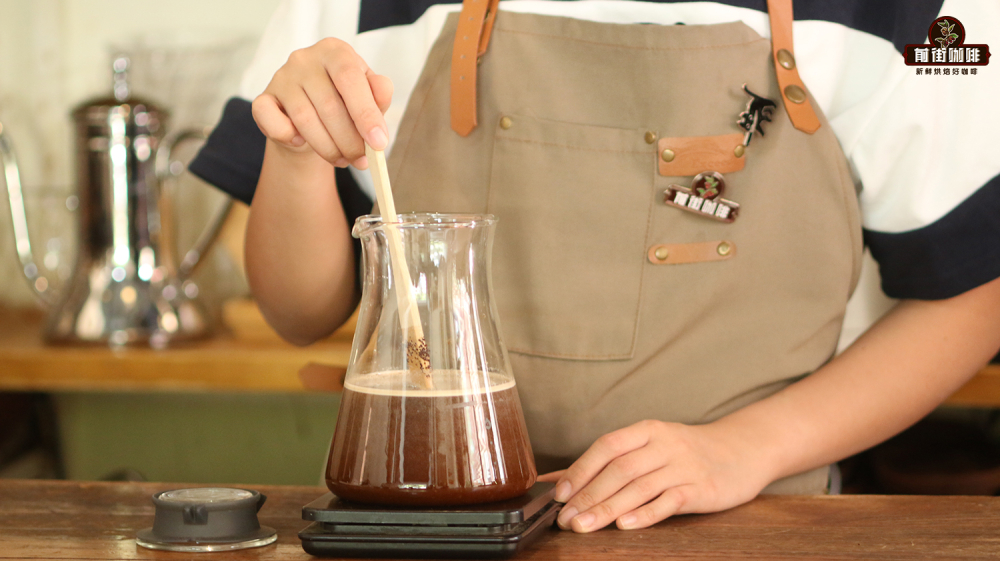
When making cold brew coffee, it is recommended to use a coffee-to-water ratio of 1:13. For example, if using 40 grams of coffee grounds, pair it with about 520 grams of cold water (note: this is cold or iced water, not water with ice cubes). After thoroughly mixing the coffee grounds and water, it’s recommended to stir well with a stirring stick or spoon to ensure each coffee particle is in contact with the water. Then place it in the refrigerator to steep for 12 to 24 hours.
The steeping time can be fine-tuned according to personal taste. The longer the time, the stronger the flavor, but it may also bring out off-notes. Generally, 12–18 hours is the sweet spot for most people, but if you prefer a bolder taste, you can extend it up to 24 hours.
Regarding the grind size of the coffee, cold brew should not be ground too fine. It is recommended to use coffee ground to pass through a standard 0.85mm sieve, with a coarseness of about 80–85%—similar in feel to fine sugar. Although low-temperature extraction reduces bitterness, if the grind is too fine, the coffee particles can clump together, leading to uneven extraction. It may also release excessive woody or off-flavors due to prolonged steeping, affecting the purity of the overall flavor.
A moderate grind size ensures smooth water flow while maintaining stable extraction efficiency, resulting in a fresher and more layered coffee flavor.
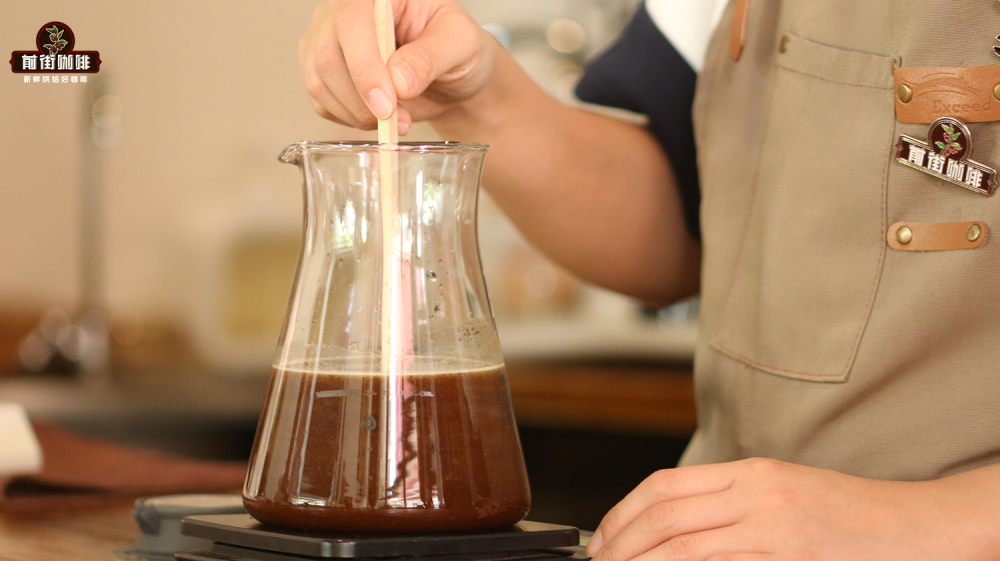
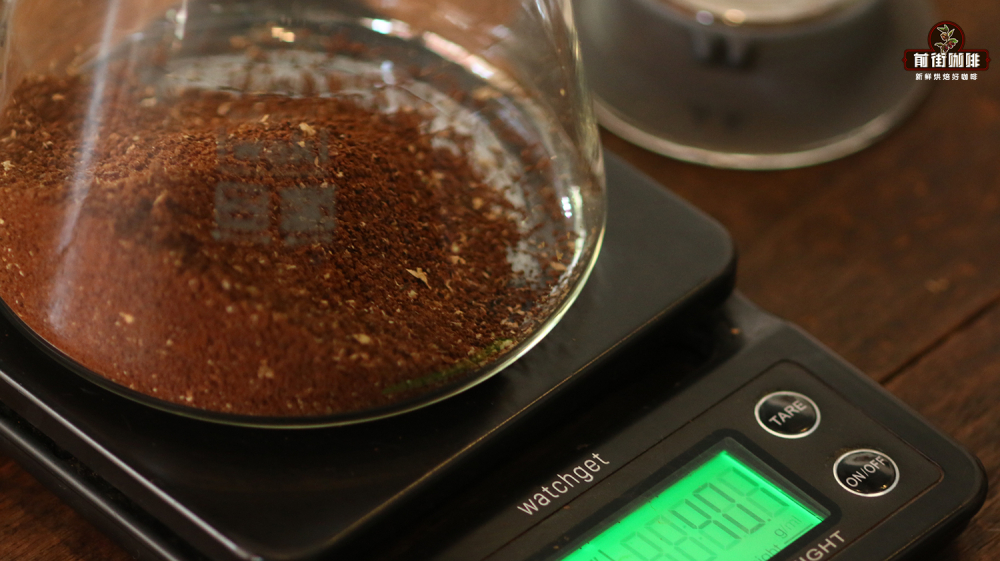
In practice, you can prepare a clean, oil-free sealed container with a capacity of 600 milliliters or more. Add 40 grams of coffee grounds with a coarseness similar to fine sugar and 520 grams of cold water, stir well, seal, and refrigerate. Let it steep for about 8 to 12 hours. If you prefer a stronger taste, you can extend it to 18–24 hours.
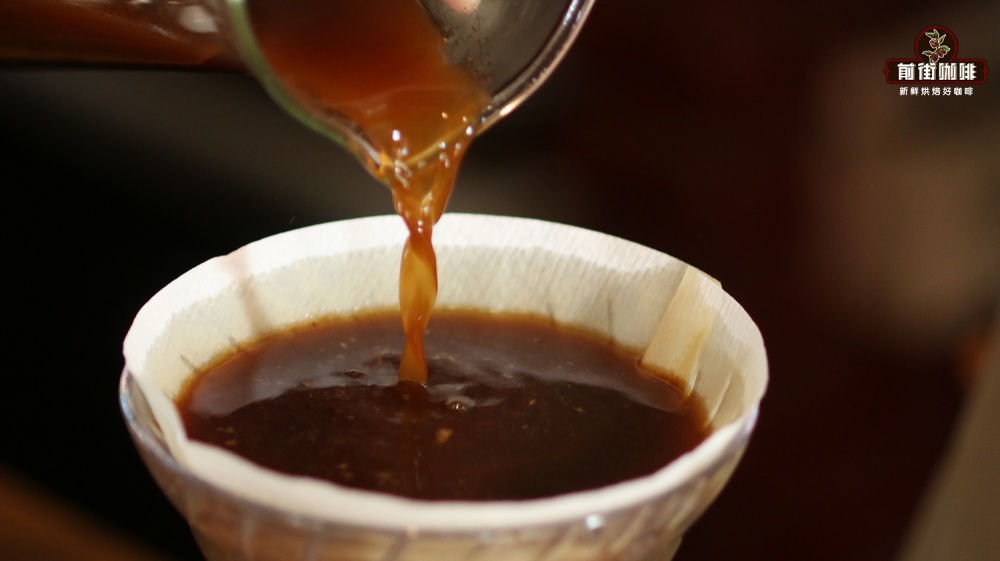
After extraction, use filter paper or a fine filter to thoroughly separate the coffee grounds, and your freshly made cold brew is ready to enjoy. The filtered cold brew is best consumed within 72 hours when stored sealedto maintain optimal flavor.
Some coffee enthusiasts drink their cold brew after 7 days, at which point the flavor may change due to natural fermentation, developing a more pronounced fermented character. However, not everyone enjoys this flavor, and it might mask the original fruity notes and layers of the coffee. For first-timers, it’s recommended to consume the cold brew within 2–3 days of extraction.
When enjoying, you can add ice cubes according to personal preference. This not only maintains a cool taste but also dilutes the coffee moderately to reveal more layers of flavor, particularly highlighting the contrast between fruit acidity and sweetness, making the overall flavor more three-dimensional.
The history of cold brew coffee dates back to the 1600s in the Netherlands. It is said that sailors, unable to boil water, tried steeping coffee grounds in cold water and unexpectedly discovered that this method could still produce good coffee flavor. Later, cold brew gradually gained popularity in the West, especially after the mid-19th century, spreading to places like the UK, USA, and Japan, and was even used for military purposes.
By the 1960s, American Todd Simpson fell in love with cold brew coffee during his travels in Peru and subsequently developed the now widely known Toddy cold brew system. This system was later adopted by many brands, including Starbucks, further promoting the widespread adoption of cold brew coffee.

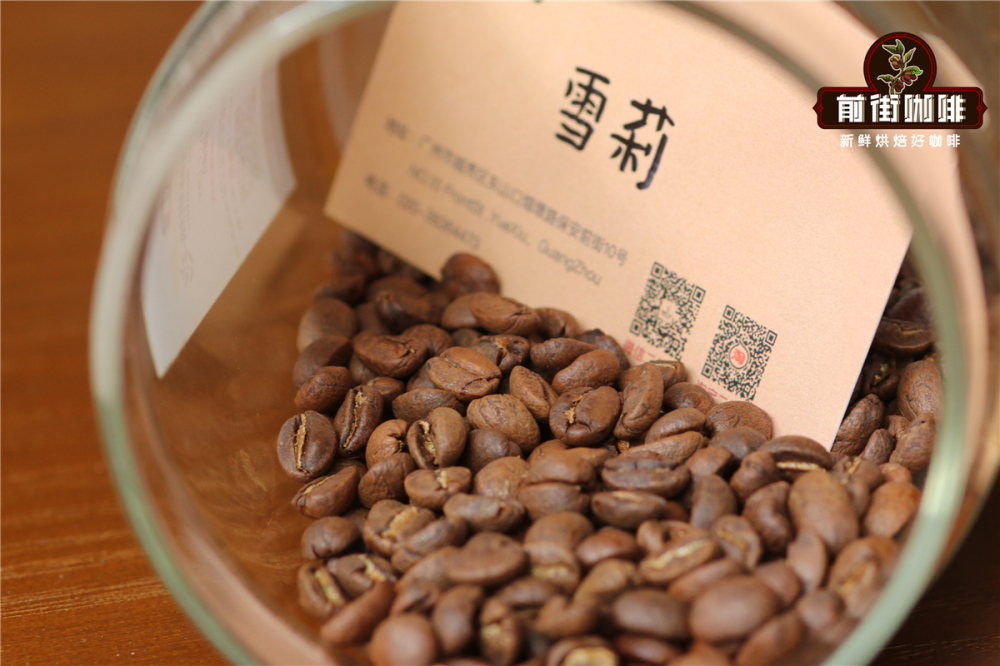
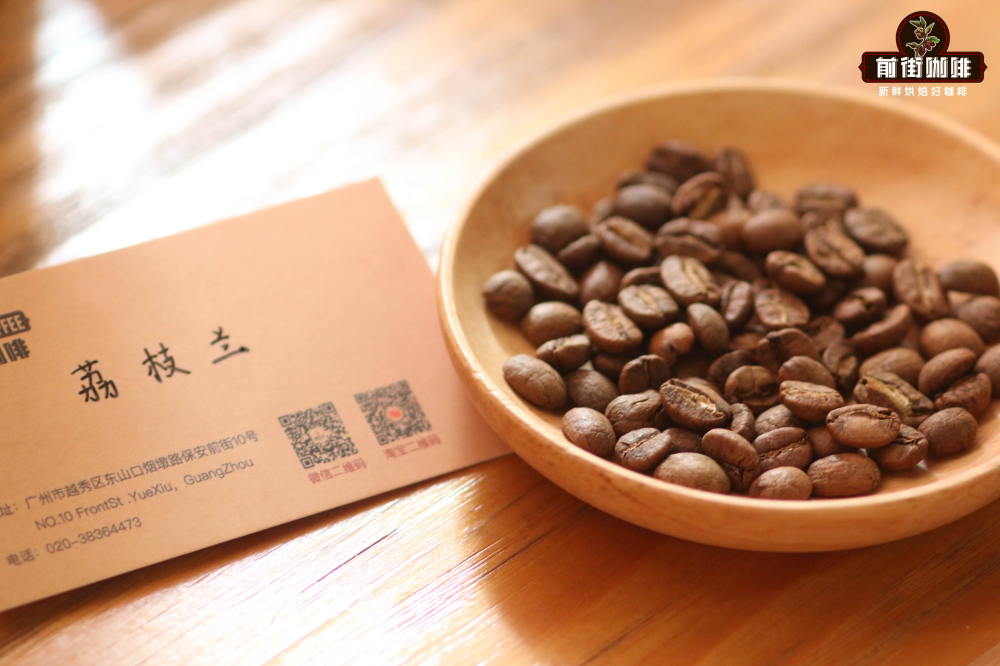
Cold brew coffee offers considerable flexibility in coffee bean selection. However, because low-temperature extraction doesn’t easily bring out intense bitterness or heaviness, it is recommended to choose coffee beans with distinct acidity or sweetness, which can better highlight positive flavors such as fruitiness and floral notes.
For example, beans with citrus, berry, honey, or creamy profiles can all present fresh and layered characteristics during cold brew. If you prefer wine-like or fermented notes, you can also select coffee beans that have undergone wine barrel fermentation processing, which can add extra depth of flavor.

Overall, cold brew coffee is a simple yet highly potential brewing method. Whether you’re looking for a summer iced drink, want to reduce brewing mistakes, or simply want to explore the diverse flavors of coffee, you might as well start with cold brew and gradually find your ideal ratio and bean combination.
The above content is compiled by CoffeeHunters, a coffee news website.


