







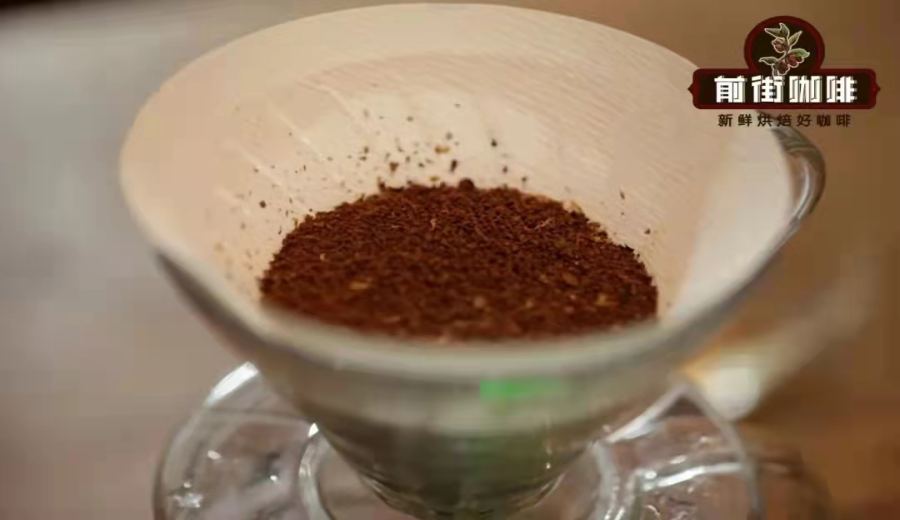
Introduction:The key to mastering pour over coffee starts with precisely adjusting grind size. Many beginners struggle with grind fineness because, unlike water temperature or brew ratio, it lacks clear numerical guidance. This article will take you deep into understanding the ideal grind range, teaching you how to empirically determine the optimal setting using a sieve, and sharing practical techniques for judging grind size based on extraction time and coffee bed settling speed—so you can easily dial in the best flavor.
Among the many parameters of pour over coffee, controlling grind size often intimidates newcomers. Unlike water temperature or brew ratio, which have intuitive reference values, and unlike brewing techniques that can be improved with practice, many people hit a bottleneck at this stage. So how do you determine the most suitable grind fineness? In fact, by mastering just a few key methods, you can consistently brew delicious coffee.
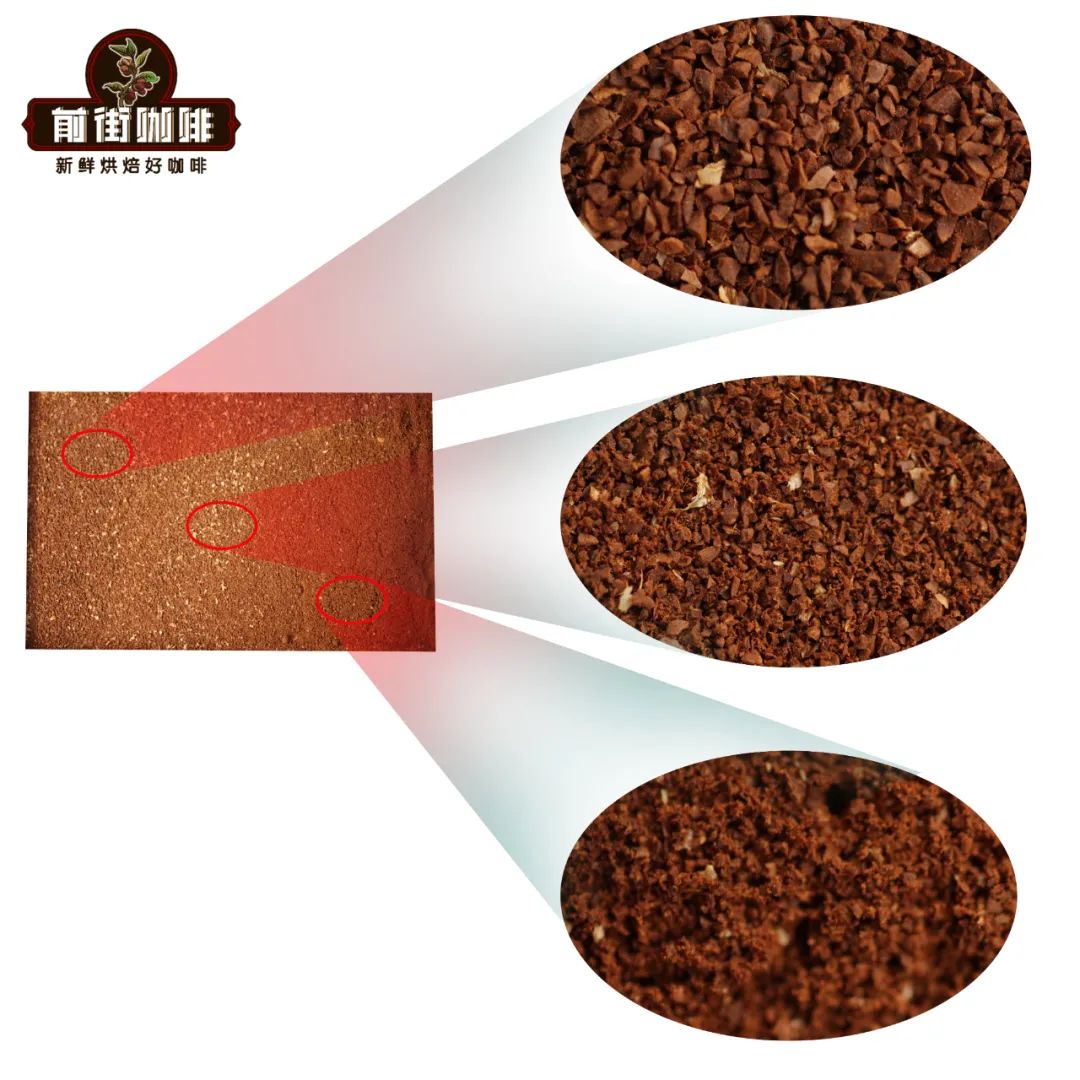
The ideal particle size for pour over coffee grind is around 0.6 to 0.85 millimeters. It’s important to note that no matter which grinder you use, it’s impossible to produce completely uniform particles. Typically, in a single grinding session, you’ll get powders of varying sizes such as 0.1 mm, 0.3 mm, 0.5 mm, 0.7 mm, or even 1 mm. Therefore, our goal is to ensure thatthe majority of coffee particles fall within the 0.6 to 0.85 millimeter range, so that the minority of particles outside this range don’t significantly impact the overall flavor.
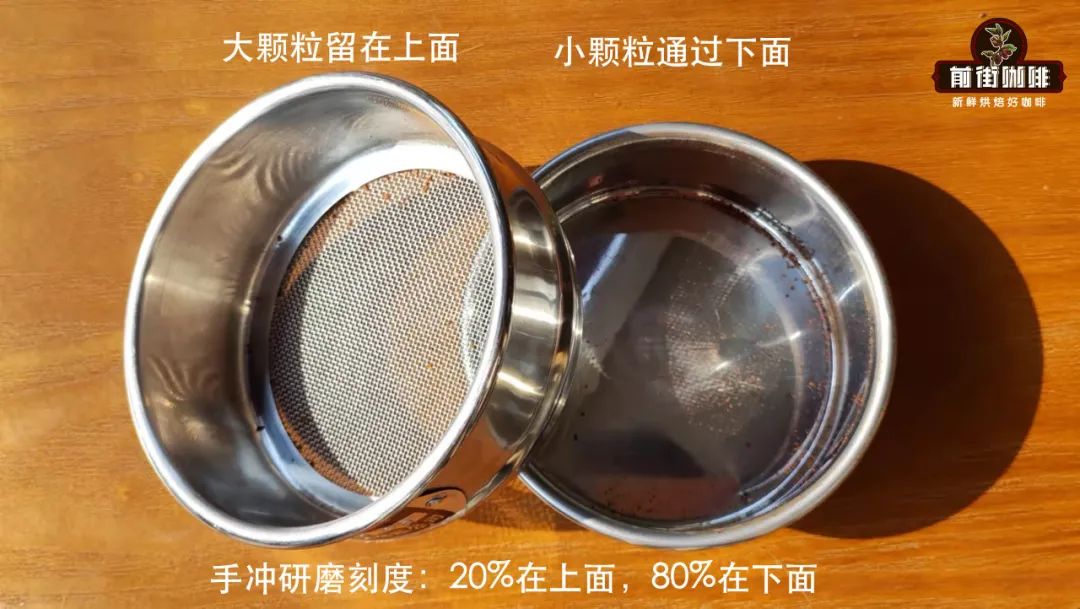
To calibrate grind size, the professional method is to use a No. 20 sieve for testing. This sieve has an aperture of 0.85 mm and can clearly distinguish between coffee particles larger and smaller than this size. We definethe ideal fineness for pour over grind as a No. 20 sieve passing rate of 80%. This means that after sieving, 80% of the coffee particles can pass through the sieve, while the remaining 20% are coarser particles.
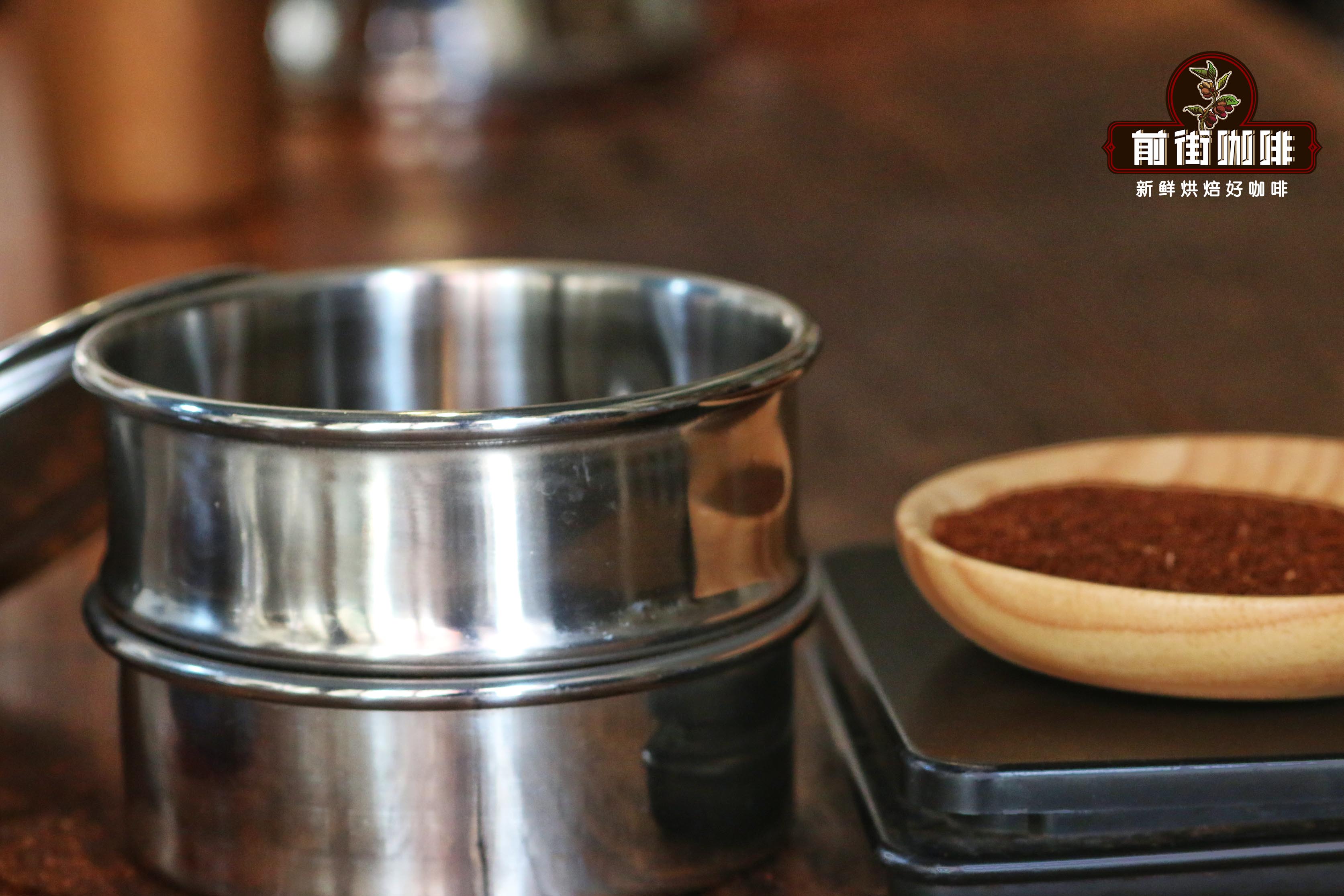
When performing the actual sieve test, start by preparing 10 grams of coffee beans and select an initial grind setting. Grind the beans and pour the resulting powder into the sieve. Then gently shake the sieve horizontally for about 3 to 5 minutes, until no more particles are falling through. Next, weigh the amount of coffee powder that passed through the sieve and calculate its proportion of the total powder weight—this is the sieve passing rate. For example, if 5 grams of powder pass through, the passing rate is 50%. If the ideal standard of 80% is not met, adjust the grinder to a finer setting, re-grind, and measure again, until the passing rate reaches 80%.
Some may wonder why we aim for an 80% sieve passing rate. Doesn’t that mean 20% of the particles are still larger than 0.85 mm? In fact, although 0.6 to 0.85 mm is considered the ideal particle size range for pour over coffee, current grinder technology still can't achieve such precision. The actual distribution of ground coffee typically resembles an olive shape—extremely coarse and extremely fine particles are relatively rare, while medium-sized particles make up the majority. Therefore, when the sieve passing rate reaches 80%, it means that particles in the range of 0.6 to 0.85 mm and nearby sizes make up a higher proportion. Of course, this standard isn’t absolute and needs to be adjusted according to the quality of your grinder. If your grinder performs well and grinds uniformly, using an 80% sieve passing rate usually yields satisfactory results; but if the grinder is of lower quality, producing more fine or coarse particles, then flexible fine-tuning based on actual conditions is necessary.
In addition to the sieve test, you can also preliminarily judge whether the grind size is appropriate by observing the extraction time. Taking the common three-pour pour over brewing method as an example, the normal extraction time for a cup of coffee is around 1 minute 50 seconds to 2 minutes 10 seconds. If you find the extraction time is too long, it may indicate the grind is too fine; conversely, if the time is too short, the grind might be too coarse. This indicator can help you quickly adjust your approach during your first attempts.
Another practical method for judgment is observing the settling speed of the coffee bed. Normally, the coffee bed should settle at a steady and slow pace. If you notice the bed settling too quickly, it may suggest the grind is too coarse; on the other hand, if the bed is settling increasingly slowly or even becoming clogged, with a muddy layer forming at the bottom, it may indicate the grind is too fine or there's too high a content of fines. In these situations, it’s essential to make corresponding adjustments based on your actual observations to ensure optimal extraction.
The above content is compiled by CoffeeHunters, a coffee news website.


