







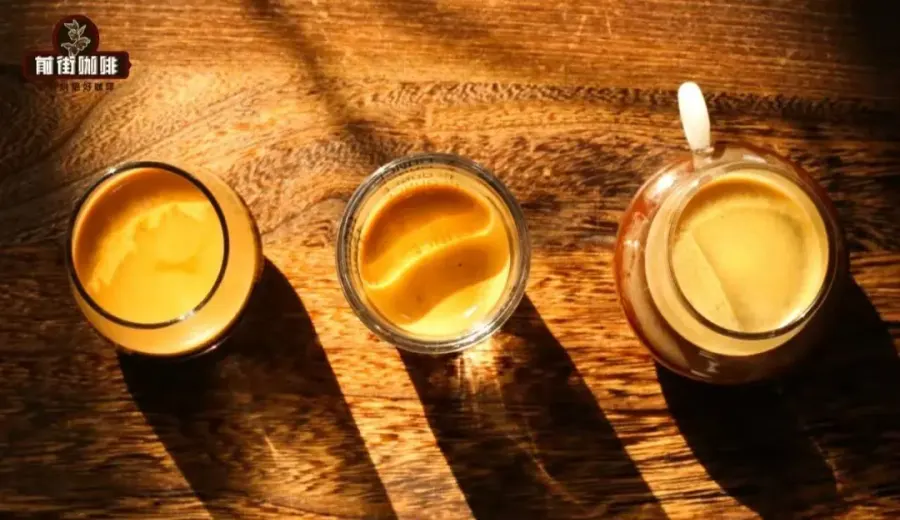
Introduction:Have you heard of "original extraction," "refined extraction," and "full extraction," but aren’t sure what they correspond to in espresso—Normale (regular), Ristretto (short shot), and Lungo (long shot)? Although all three types of espresso are based on the same coffee grounds, differences in the coffee-to-water ratio lead to significant variations in concentration, extraction yield, and flavor profiles. This article takes an in-depth look at the key parameters of these three brewing methods, explores their actual flavor differences, and explains why specialty coffee shops rarely offer multiple options—helping you better understand the nuances behind a single shot of espresso.
Many coffee enthusiasts have likely come across the terms “original extraction,” “refined extraction,” and “full extraction,” but what exactly do these terms mean? And why is it so hard to find these options on the menu when you walk into a specialty coffee shop? In fact, they correspond to three common types of espresso in the espresso world: Normale (regular espresso), Ristretto (short shot espresso), and Lungo (long shot espresso). Their primary difference lies in the coffee-to-water ratio, which in turn affects the concentration, intensity of flavors, and overall performance.
Regular Espresso (Normale): The Balanced Choice, the Most Common Espresso Base
Normale is the standard way to prepare espresso and serves as the base for most milk-based drinks like lattes and cappuccinos. It typically uses a 1:2 coffee-to-water ratio—for example, using 18 grams of coffee grounds to extract about 36 milliliters of espresso. This ratio maintains a medium concentration level, presents relatively complete flavors, and achieves a balanced interplay of bitterness, sweetness, and acidity.
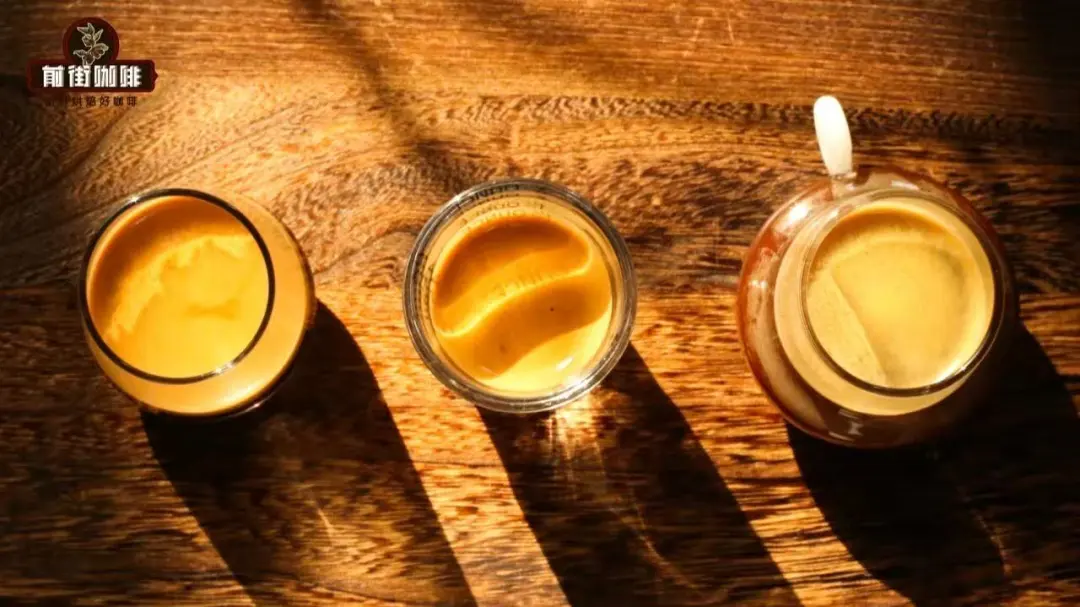
Taking a common espresso blend as an example, when using a 1:2 coffee-to-water ratio and controlling the extraction time to around 30 seconds, you can achieve results with approximately 10.26% concentration and 21.26% extraction yield. Under these extraction conditions, the flavor layers are clear, often showcasing distinct notes of berries, chocolate, and caramel, with a relatively long aftertaste. It’s the option most easily accepted by consumers and ideal for pairing with milk.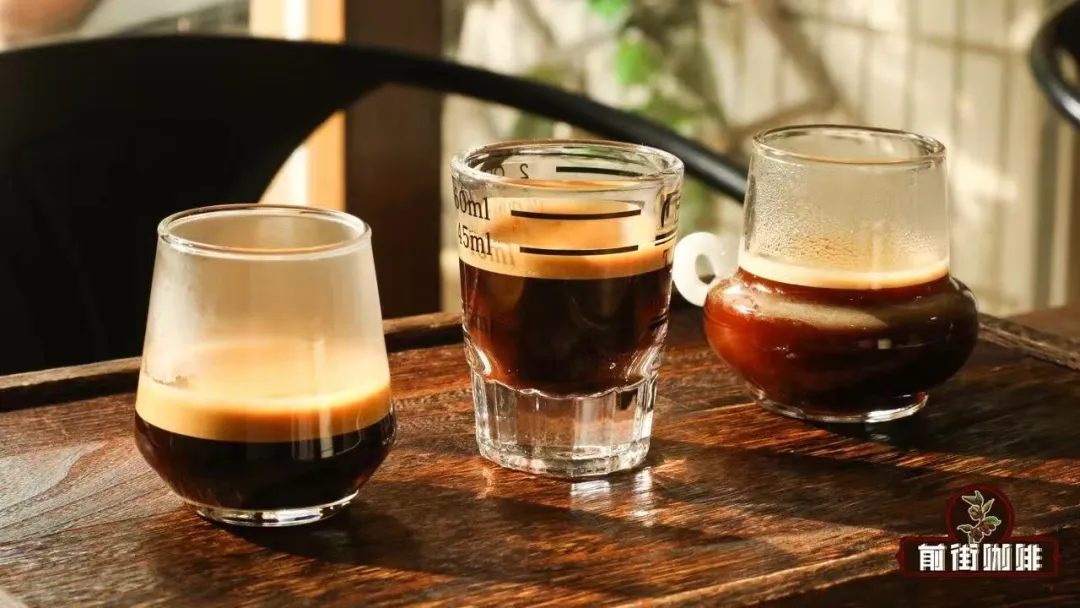
Short Shot Espresso (Ristretto): The Essence of Espresso, with More Concentrated Flavors
Ristretto is a more concentrated version of the regular espresso. Although the amount of coffee grounds remains unchanged, the volume of extracted liquid is significantly reduced, usually with a coffee-to-water ratio of around 1:1.5. For 18 grams of coffee grounds, only about 27 milliliters of espresso are extracted. With less water used, the flavor concentration per unit of liquid becomes naturally higher, though some of the later-stage flavor compounds may not be fully extracted.
Using the same 1:1.5 ratio and a 30-second extraction time, test results show around 13.19% concentration and 20.5% extraction yield. This method delivers a more intense flavor experience, with more prominent acidity and sweetness—such as distinct notes of strawberry and citrus—along with a chocolatey finish. The overall experience is more direct, but the aftertaste is shorter, making it suitable for those who prefer a stronger-tasting drink.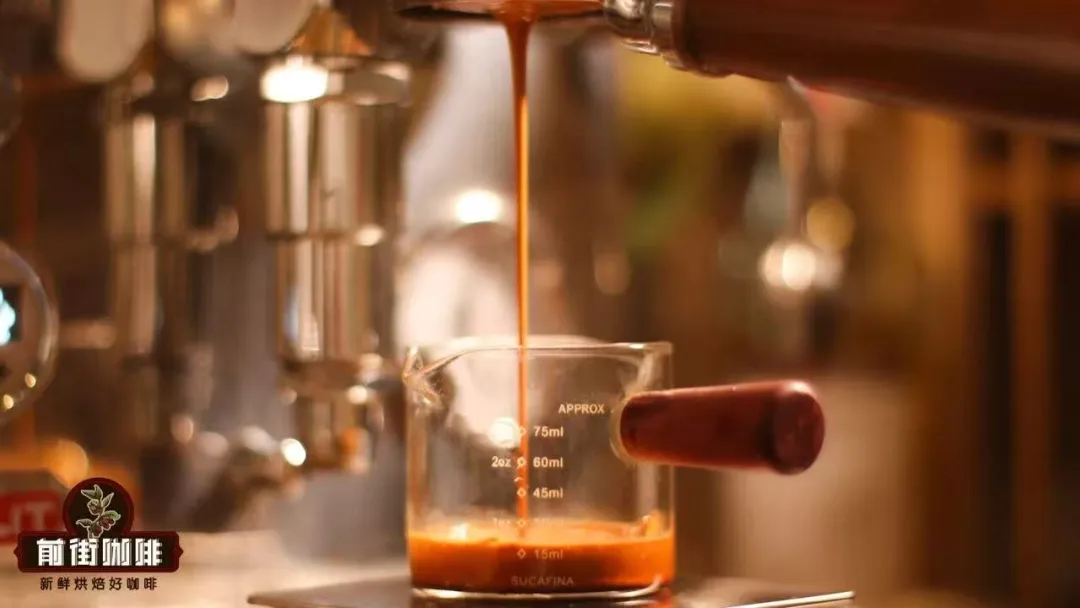
Long Shot Espresso (Lungo): More Water, Softer Flavors
Lungo is the extraction method with the highest water volume among the three. Using the same 18 grams of coffee grounds, it can yield up to 72 milliliters of espresso, with a coffee-to-water ratio of about 1:4. This larger volume of extraction introduces more water, reducing the overall concentration and making the flavors less intense than the first two methods. However, it offers a smoother mouthfeel with lower stimulation, making it suitable for those who aren’t accustomed to strong coffee flavors.
With a 1:4 coffee-to-water ratio and a 30-second extraction time, practical tests show approximately 5.43% concentration but a high extraction yield of 22.51%, indicating that even with more water, a significant amount of flavor compounds are still released. This extraction method often highlights a more diverse range of aromatic layers, including notes of strawberry, citrus, floral, and creaminess. The overall profile is soft and open, making it enjoyable to sip on its own, but using it for lattes might dilute the overall taste due to excess water.
Why Do Specialty Coffee Shops Rarely Offer These Three Options?
Given that each of the three espresso types has its unique characteristics, why don’t most professional coffee shops include them as regular menu options? The key lies in two practical factors: the difficulty in adjusting grind size and differing compatibility with milk.
Grind Size Is Hard to Standardize, Requiring Frequent Adjustments
Although all three espresso types aim for the same extraction time (e.g., 30 seconds), the different coffee-to-water ratios lead to vastly different water-to-coffee contact times and resistance needs, meaning the grind size must be adjusted accordingly. For example, the grind setting used for a regular espresso, if applied directly to a Ristretto, would result in over-extraction; conversely, using it for a Lungo would lead to under-extraction. For a barista to offer all three options simultaneously, they’d either need to equip multiple grinders with pre-set configurations or adjust the grinder settings on the spot based on customer choice—both of which are highly impractical for shop operations.
Differences in Compatibility with Milk
Additionally, the performance of different espressos when mixed with milk also varies significantly. Lungo, due to its inherently lower concentration, can make the overall texture of drinks like lattes or cappuccinos feel watery and lacking the intensity that espresso typically provides. On the other hand, Ristretto, because of its high concentration, may suppress the sweetness of milk and result in overly sharp flavors if used in large amounts. As a result, most shops choose the most versatile and stable Normale as the base to ensure consistent quality in every milk-based coffee.
In summary, although Normale, Ristretto, and Lungo all originate from the same batch of coffee grounds, changes in the coffee-to-water ratio lead to distinctly different extraction results and flavor profiles. If you’re eager to explore the diversity of espresso, try communicating your flavor preferences with your barista, or experiment at home with different ratios to discover your perfect cup of espresso.
The above content is compiled by CoffeeHunters, a coffee news website.


