








Introduction:The fascinating golden crema on top of an espresso shot is not just a visual delight—it’s also closely linked to extraction quality. What exactly is crema? What components make it up? And what practical factors—both in terms of technique and ingredients—affect its formation and richness? This article will delve into the science behind espresso crema formation and offer useful advice on bean selection and extraction parameters to help you improve the quality of every shot of espresso you pull.
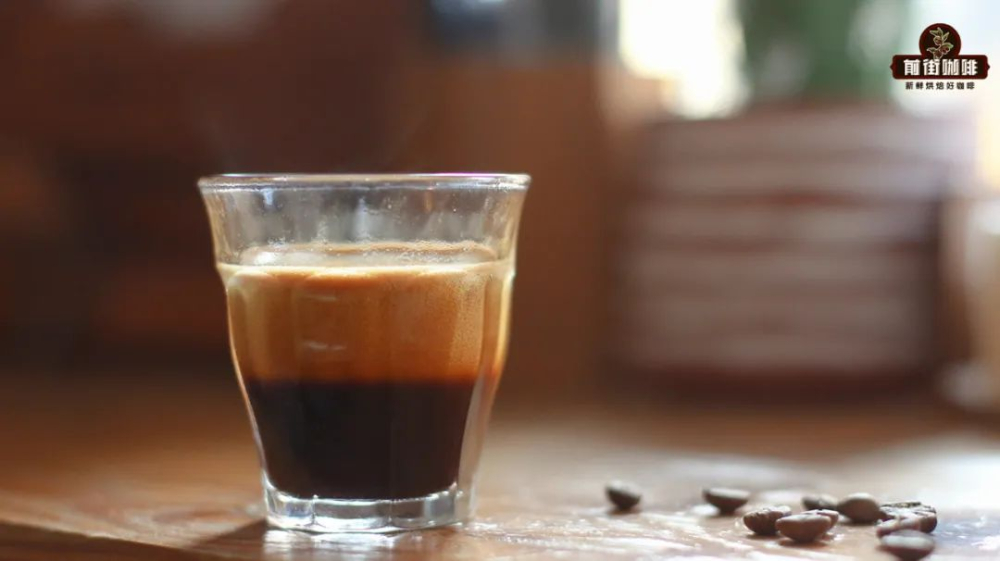
Many coffee enthusiasts, upon first tasting a high-quality espresso, are often struck by the layer of golden foam floating on the surface. This is not only a treat for the eyes but also one of the indicators of whether an espresso has been properly extracted. Some customers have even commented that the crema on their home-brewed espresso is the richest they’ve ever seen. So, what exactly is this so-called “oil layer” known as crema? And what factors determine its formation and texture?

First of all, what we commonly refer to as espresso “oil” should more accurately be called crema. It is not pure oil but rather composed of tiny coffee oil particles and carbon dioxide released under high pressure. As these bubbles dissipate, the thin reflective layer left behind is the actual coffee oil. While in everyday conversation we still casually call it “oil,” understanding how crema forms requires us to first clarify its true composition.

Looking back at history, the earliest espresso machines were invented by the Italian Angelo Moriondo in 1884. His design used high-pressure steam to quickly extract coffee, producing a liquid that was stronger than typical drip coffee. As technology advanced, especially in 1948 when Achille Gaggia introduced a lever-operated machine capable of generating higher pressure, the familiar crema we know today was formed. Since then, crema has not only become a hallmark of espresso but also a key indicator for evaluating extraction quality.

There are many factors that affect the richness of crema, among which the type and roast level of the coffee beans play a crucial role. Generally speaking, Robusta beans, due to their naturally higher oil content, are more likely to produce a rich crema compared to Arabica, although their flavor profile is usually more intense. As a result, Robusta is often used in blends to enhance crema while balancing overall flavor. For instance, some commercial blends include around 10% Robusta to boost crema performance while maintaining overall flavor harmony. Among Arabica beans, varieties from the Americas—such as Honduras Sherry coffee—often demonstrate better crema potential, which is why some popular blends use a high proportion of beans from this region.
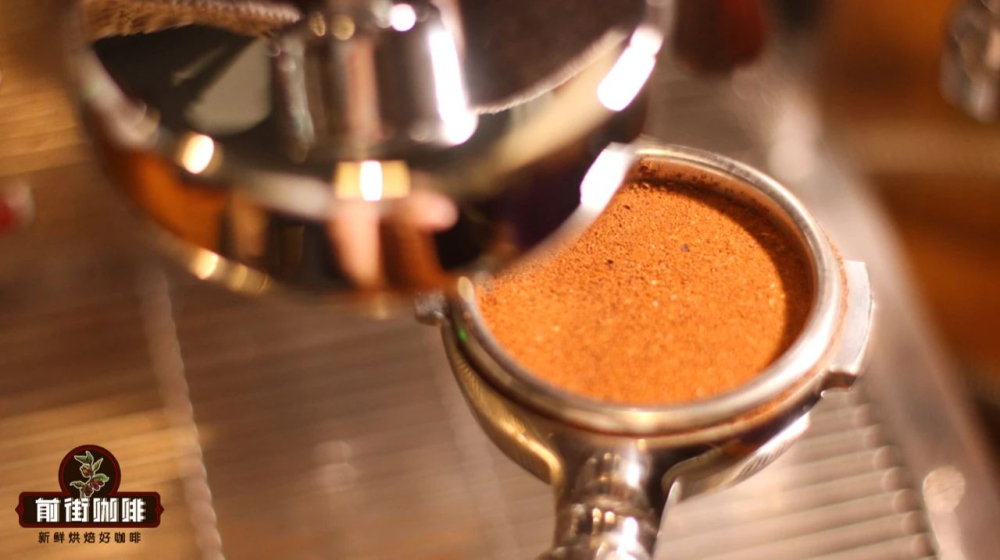
Roast level is equally important. In general, medium to dark roasted beans undergo internal structural changes that release more carbon dioxide and support a more stable crema structure. In contrast, light to medium roasts may retain more acidity but often fall short in both crema thickness and oil expression. Therefore, if you find your homemade espresso crema too thin, checking the roast level might be your first step.
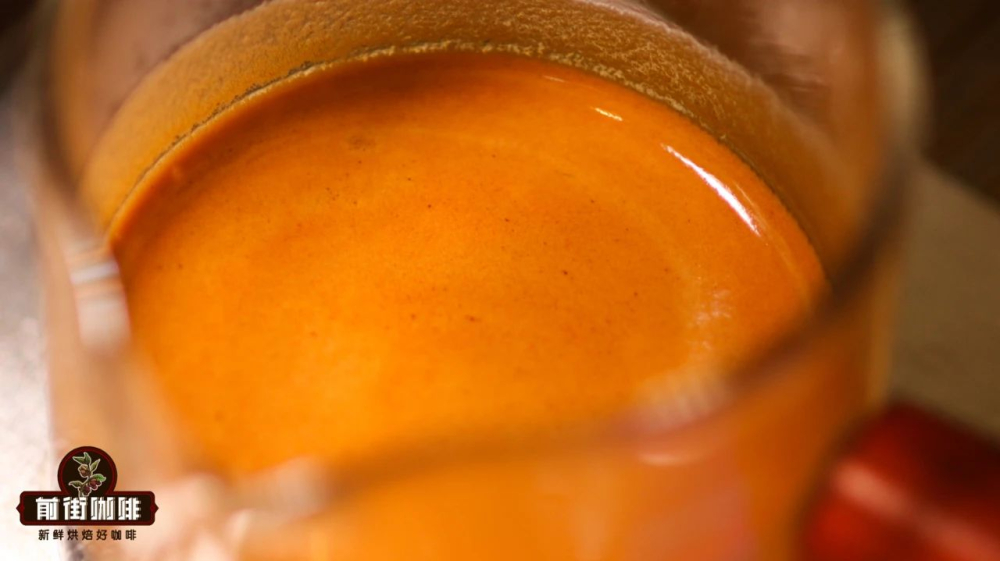
Beyond bean variety and roast, the “freshness” of the coffee beans—or more precisely, the amount of residual carbon dioxide they contain—is also a key factor influencing crema. After roasting, beans continue to release carbon dioxide over a period of about 45 to 60 days. During this time, beans rich in CO₂ help form a more abundant crema under high-pressure extraction. Using beans that have been stored for too long not only leads to aroma loss but can also result in thin or nonexistent crema. Some users may assume that imported beans maintain freshness longer due to nitrogen flushing, but once opened, the preservation effect rapidly diminishes. Typically, the beans should be used within two months; otherwise, both flavor and crema quality will significantly decline.
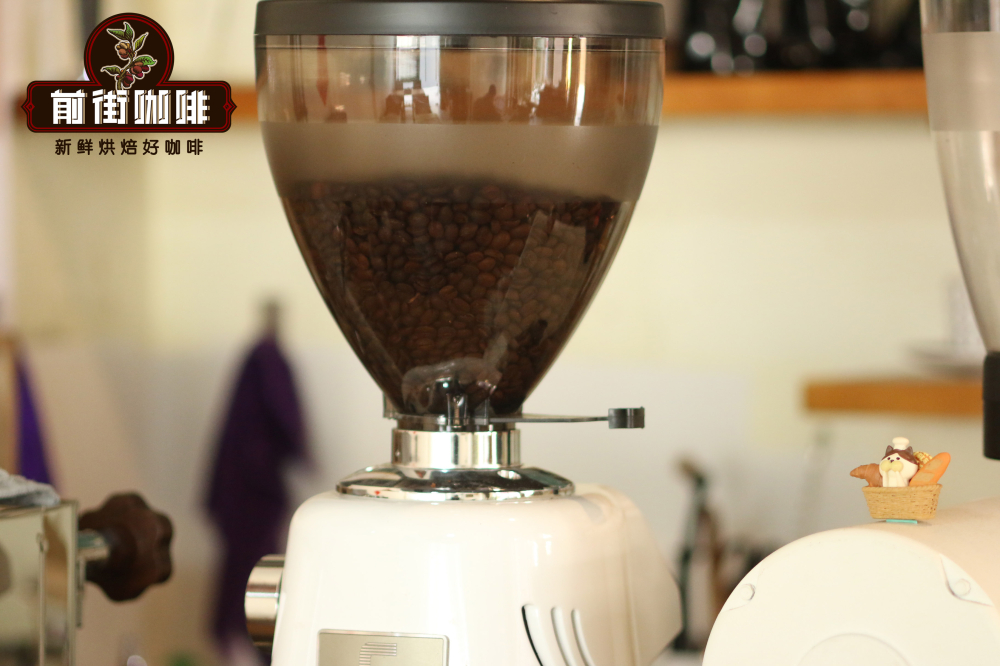
Additionally, freshly roasted beans that haven’t undergone an adequate “resting period” may result in crema that is thick yet unstable. It is generally recommended to let freshly roasted coffee beans rest for 7 to 12 days to allow excess carbon dioxide to dissipate naturally. This approach not only helps form a fine and long-lasting crema but also results in a smoother and more rounded overall coffee flavor. If you’ve just bought freshly roasted beans and find the resulting flavors don’t meet expectations, consider letting them sit for a few days before brewing—this often yields better results.
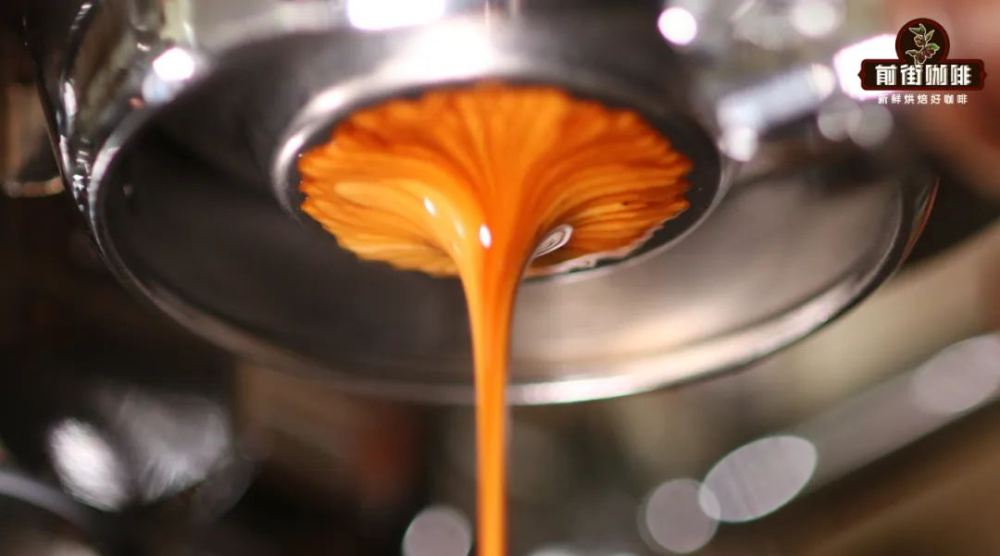
Finally, the extraction process itself also plays a major role. To achieve the ideal golden crema, the extraction pressure should be maintained around 9 bars, which is the standard setting for professional semi-automatic espresso machines. Most home electric machines using vibration pumps often struggle to steadily maintain this pressure, leading to subpar crema. Additionally, the coffee-to-water ratio is another critical factor. The recommended range is between 1:1.8 and 1:2. Over-extraction doesn’t increase oil content—in fact, it may make the latter part of the shot taste thin, negatively affecting the overall mouthfeel. In practice, many professional shops use around 20 grams of coffee grounds to extract approximately 40 grams of coffee liquid, with a brew time controlled around 30 seconds, to achieve an espresso that balances both crema and flavor.
The above content is compiled by CoffeeHunters, a coffee news website.


