








Introduction:Understanding the golden to dark brown crema on top of an espresso is not just a matter of aesthetics—it’s a key indicator of extraction quality. This article delves into the science behind crema formation, its structural composition, the meaning behind its color variations, and how to assess the quality of an espresso extraction based on its crema. This knowledge helps coffee enthusiasts and professionals alike achieve more precise quality control.
The Origin and Historical Background of Crema
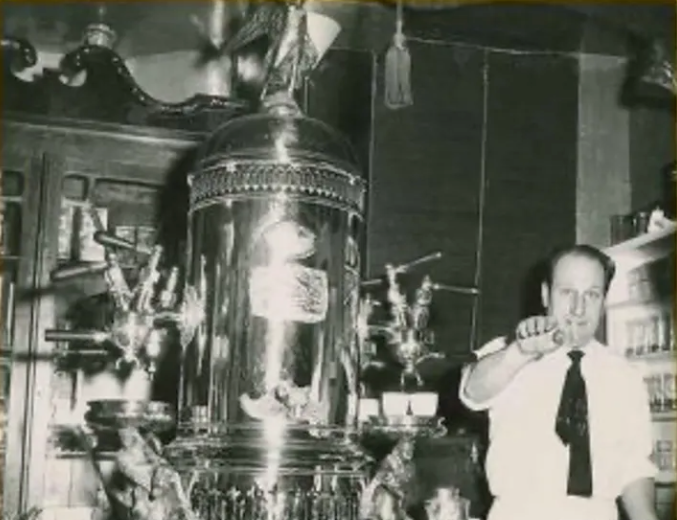
In modern espresso culture, crema has become an indispensable part of the espresso experience. Prior to World War II in Italy, espresso machines lacked the necessary pressure, and the resulting coffee was typically a black liquid with almost no visible crema. It wasn’t until Achille Gaggia introduced a lever-driven piston machine capable of generating around 9 bar of pressure that bubbly, creamy crema began to form on the surface of espresso, completely transforming both the visual and sensory perception of the drink.

Today, crema serves as one of the key criteria for evaluating espresso quality. Its fine foam structure, color, and stability all reveal subtle details about the brewing process.
The Scientific Definition and Composition of Crema
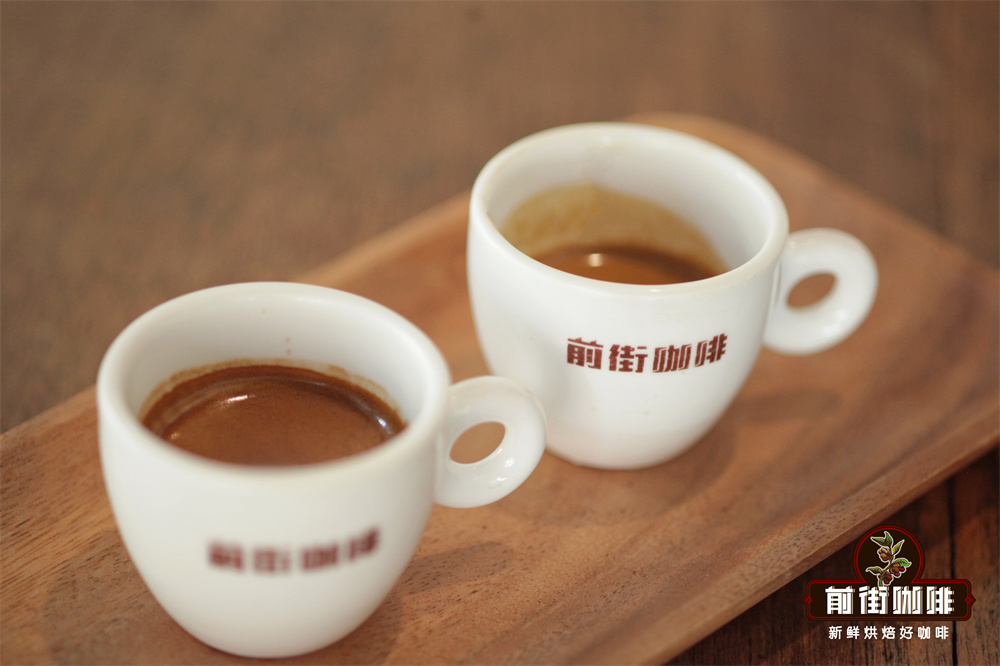
According to authoritative sources such as Illy Café, crema is a layer of foam composed of tiny bubbles that floats on the surface of the espresso. It features a tiger-striped texture. Beneath these bubbles lies a complex liquid containing emulsified oil droplets, suspended particles, and dissolved substances—including sugars, acids, proteins, and caffeine. The emulsification process improves the stability of oil and water mixture, allowing the oils to remain evenly distributed in the liquid, which in turn influences both the flavor and aroma release of the coffee.
In short, crema is more than just a visual embellishment—it actively contributes to the overall espresso experience, affecting everything from flavor expression to mouthfeel.
How Is Crema Formed?
The formation of crema is closely tied to the coffee roasting process. During roasting, a large amount of carbon dioxide is generated inside the coffee beans, and this gas remains trapped within the cell walls after roasting. When hot water at around 90–96°C is forced through finely ground coffee under 9 bar of pressure, the carbon dioxide is rapidly released, forming countless tiny bubbles. At the same time, high pressure increases the water’s ability to dissolve carbon dioxide, allowing more gas to remain temporarily in the liquid and thus forming a stable foam layer.
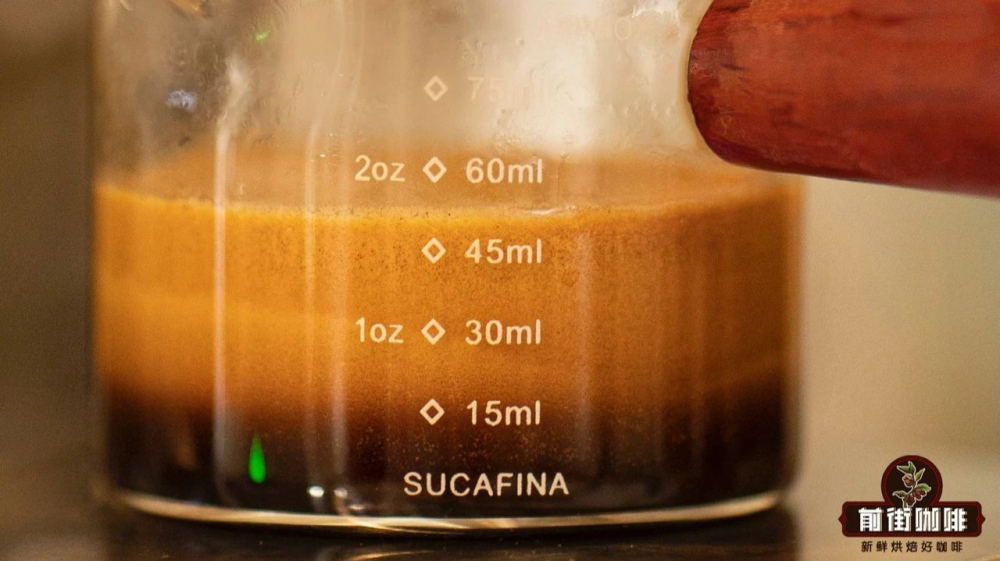
Additionally, the structure of crema relies on certain surfactants, such as melanoidins and proteins present in the coffee. These substances adhere to the surface of the bubbles, forming a stable film that prevents the bubbles from bursting too quickly, allowing the crema to be sustained for several minutes.
Factors Affecting Crema Stability
Although crema may appear solid, it is actually quite fragile. Over time, gravity gradually pulls on the substances on the surface of the bubbles, causing the foam to lose elasticity and slowly collapse. Particularly in cases of improper extraction—such as incorrect coffee-to-water ratio, insufficient pressure, or wrong grind size—the crema can dissipate rapidly.
Furthermore, the interaction between oils and water also affects the longevity of the crema. If the lipids and surfactants in the coffee do not blend effectively, the bubbles may lack sufficient support, which negatively impacts both the visual appearance and taste.
What Does the Color of Crema Reveal?
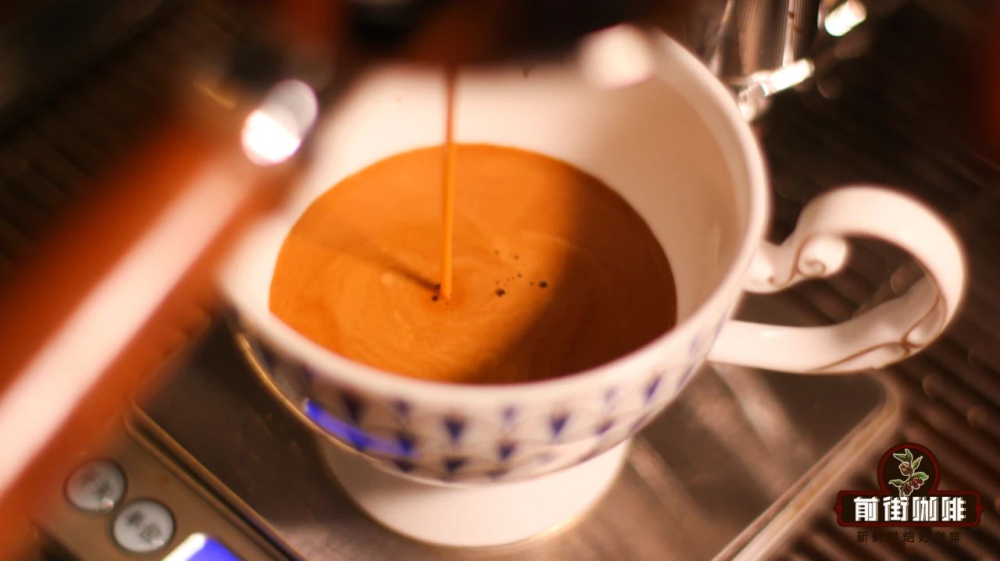
Normal crema color typically ranges from golden yellow to dark brown, directly related to extraction time, water temperature, and the freshness of the coffee beans. For example, a short extraction time (e.g., only 15 seconds) often results in lighter-colored crema, as soluble compounds haven’t been fully released and the bubbles are sparser. Conversely, over-extraction (e.g., beyond 30 seconds) can cause the crema to darken excessively, even taking on a burnt black hue, accompanied by dry or scorched flavors.
Additionally, bubble size affects the visual color of the crema. Smaller bubbles tend to create a more uniform and deeper appearance, whereas larger, coarser bubbles can make the crema look shallow and loose.
Judging Extraction Quality from Crema
Observing the state of the crema can help baristas or coffee enthusiasts preliminarily determine whether an espresso has been extracted properly. A well-extracted shot should have medium to dark brown crema with a fine and uniform bubble structure, and it should maintain its form for several minutes without collapsing quickly. In terms of texture, the liquid should feel smooth and slightly viscous, usually indicating good emulsification and a richer flavor profile.
On the other hand, if the crema is thin, overly light in color, or dissipates too quickly, it often signals under-extraction or incorrect parameter settings. In such cases, it’s recommended to revisit variables such as grind size, water temperature, pressure, and coffee dose.

The above content is compiled by CoffeeHunters, a coffee news website.


